How to Maintain a Log Splitter: Simple Steps, Tips and Mistakes to Avoid
Disclosure: We may earn a commission when you buy through links on this page, at no extra cost to you. As an Amazon Associate I earn from qualifying purchases. Learn more

How to maintain a log splitter: cleaning, hydraulic fluid and hose checks, wedge sharpening, greasing and off season storage.
To maintain a log splitter, clean off bark and sawdust after every use, check the hydraulic fluid level and hoses before each session, keep the wedge sharp, grease the beam and moving parts, and service the engine or motor on schedule. Store it dry and protected over the off season, with fresh fuel treatment for gas models. Learning how to maintain a log splitter takes a few minutes per session, and it prevents the leaks, slow cycles and hard starts that cut a splitter's life short.
This guide explains why maintenance matters, the tools you need, a step by step routine for gas, electric and manual hydraulic splitters, a simple schedule and fixes for common problems.


Why Regular Maintenance Matters
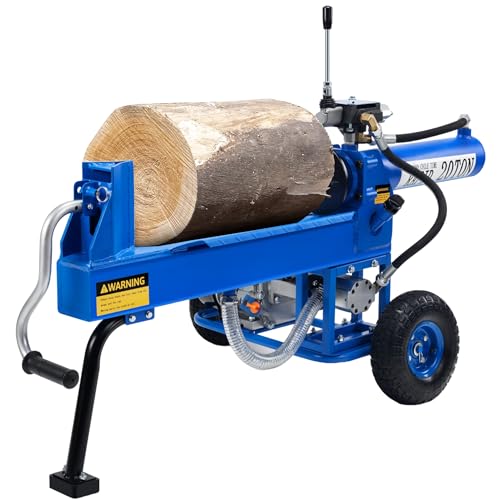
A log splitter works under enormous pressure. A 20 ton gas model or a 6.5 ton electric unit pushes a ram through hardwood again and again, and the hydraulic system, wedge and beam all take a beating. Dirt in the hydraulic fluid wears the pump and seals, a dull wedge makes the machine work harder, and a dry beam lets the ram drag.
Regular care keeps cycle times quick, splitting force consistent and the machine safe to operate. It also protects your investment, since repairs to a hydraulic pump or cylinder can cost a large share of a new splitter.
Maintenance is also a safety issue. A cracked weld, a weeping hose or a sticky control valve can fail suddenly under load. A quick look before each session catches these problems while they are still cheap and easy to fix, and it gives you confidence that the machine will behave predictably when your hands are near the wedge.
What You Need
- Stiff brush, rags and a putty knife
- Hydraulic fluid of the type your manual specifies (many gas models call for AW32)
- Grease gun and general purpose grease, plus light oil
- Mill file or grinder for the wedge
- Engine oil, spark plug, air filter and fuel stabilizer (gas models)
- Safety glasses and work gloves
How to Maintain a Log Splitter Step by Step
Always shut the splitter off, let it cool and relieve hydraulic pressure before working on it. Unplug electric models and disconnect the spark plug wire on gas models.
Step 1: Clean after every use
Knowing how to clean a log splitter is the first habit to build. Brush bark, sawdust and wood chips off the beam, wedge, ram and log cradle, and scrape away sap buildup with a putty knife. Clear debris from engine cooling fins or motor vents, and wipe the hydraulic cylinder rod so grit cannot reach the seals.
Step 2: Inspect the wedge, beam and hydraulic hoses
Before each session, look for cracks in the wedge and beam welds, and check that the ram slides smoothly. Inspect hydraulic hoses and fittings for leaks, bulges or chafing, and check the fluid level on the dipstick or sight gauge. Never search for a leak with your hand, because a pinhole spray of fluid under pressure can cause serious injury.
Step 3: Sharpen the wedge
A sharp wedge starts splits easily and lowers the strain on the hydraulic system. File the wedge edge with a mill file, following the original angle and removing burrs and nicks. Aim for a clean, strong edge rather than a razor edge, which chips quickly in hardwood.
Step 4: Air filter, spark plug and fuel care (gas)
Check the engine oil before every use and change it per the manual, usually after the break in period and then every season or set number of hours. Clean or replace the air filter often in dusty conditions, replace the spark plug yearly and use fresh fuel with a stabilizer.
Step 5: Motor and cord care (electric)
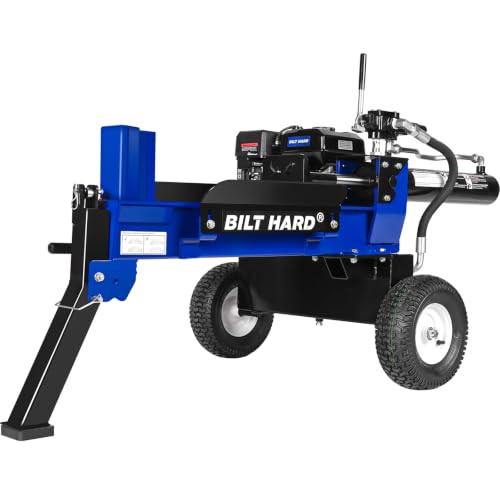
Electric splitters, like 6.5 ton models from BILT HARD and YARDMAX, need little engine style upkeep. Keep motor vents clear, use a heavy gauge outdoor extension cord rated for the motor's amperage, and inspect the cord and plug for damage. Do not run the motor with the ram stalled, which overheats it. If a log will not split within a few seconds, release the control, rotate the log or remove it, and let the motor rest before trying again.
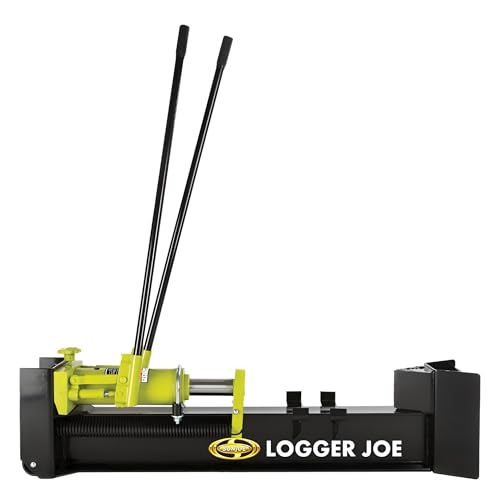
Manual hydraulic splitters, such as the Sun Joe 10 ton model with its two speed pump, have no engine or motor at all. Their care centers on keeping the pump handle pivot lubricated, the ram return spring clean and the hydraulic seals free of leaks, and on storing the unit somewhere dry so the steel frame does not rust.
Step 6: Lubrication points and hydraulic fluid
Grease the beam where the ram slides, plus any zerk fittings, pivot points and wheel bearings. Lightly oil control linkages. Top up hydraulic fluid when it falls below the mark, and change the fluid and filter at the interval in your manual, since contaminated fluid is a leading cause of pump wear.
Step 7: Off season storage
Clean the splitter thoroughly, retract the ram fully to protect the cylinder rod, and cover the machine or store it indoors. For gas models, add stabilizer and run the engine briefly, or drain the fuel. Check tire pressure on towable units before the next season.
Towable gas splitters need a little extra attention. Inspect the hitch coupler, safety chains and wheel bearings, and confirm lights or reflectors are intact if you move the splitter on public roads. Follow the towing speed limit in the manual; some models, like the BILT HARD 22 ton, are rated for towing at up to 25 MPH.
Maintenance Schedule (Daily, Monthly, Yearly)
| When | Task |
|---|---|
| Every use | Clean beam, wedge and ram; check hydraulic fluid and engine oil; inspect hoses and welds |
| Monthly in season | Grease beam and fittings; sharpen wedge; clean air filter; check tires and hitch |
| Yearly | Change engine oil and spark plug; replace air filter; change hydraulic fluid and filter as the manual specifies; prepare for storage |
Heavy users who split many cords a year should shorten these intervals and follow the hour based schedule in the manual. Keeping a simple log of engine hours, fluid changes and filter swaps on a card taped inside the shed makes it easy to stay on track from season to season.
Troubleshooting Common Problems
- Slow or weak splitting: low or contaminated hydraulic fluid, a clogged filter, a dull wedge or air in the system. Top up or change fluid and bleed the system per the manual.
- Ram jerks or chatters: often air in the hydraulic lines or low fluid; cycle the ram several times after topping up.
- Fluid leaks: tighten fittings or replace worn hoses and seals. Stop using the machine until the leak is fixed.
- Gas engine will not start: stale fuel, a dirty air filter, a fouled spark plug or low oil shutoff.
- Electric motor hums but will not run: an undersized extension cord, a tripped breaker or an overheated motor.
- Logs will not split: the log may exceed the splitter's capacity. Check the rated tonnage and log size; our guide on what size log splitter do i need explains the limits.
Frequently Asked Questions
How often should I clean a log splitter?
Clean it after every use. Brushing off bark, sap and sawdust takes a few minutes and keeps grit away from the hydraulic rod and seals. Do a deeper clean, plus greasing and inspection, monthly during splitting season and before storing it for the year.
Can I wash a log splitter with water?
Light rinsing of the beam and frame is fine, but avoid spraying water into the engine, electric motor, hydraulic reservoir or controls. Never pressure wash hoses and seals. A brush and a rag are safer, and you should dry the machine fully and oil bare metal afterward to prevent rust.
Final Thoughts
Knowing how to maintain a log splitter comes down to cleaning after each use, watching the hydraulic fluid and hoses, keeping the wedge sharp, greasing moving parts and storing it properly. Wondering if a splitter is worth buying at all? Read is a log splitter worth it, then see our picks for the best log splitter, the best log splitter for homeowners and the best log splitter for heavy duty use.