The 3 Best Affordable Log Splitters of 2026: Expert Picks and Buying Guide
Disclosure: We may earn a commission when you buy through links on this page, at no extra cost to you. As an Amazon Associate I earn from qualifying purchases. Learn more

Our best affordable log splitter picks cover safe kindling, a 10 ton manual hydraulic model and a budget 20 ton gas splitter.
A winter of wood heat or backyard fires burns through a surprising amount of firewood, and swinging a maul for hours is hard on the back, shoulders and patience. Buying split cordwood every season adds up just as quickly. The best affordable log splitter takes the strain out of the job without asking you to spend thousands on a commercial machine, whether you only need kindling or want to process rounds from a downed tree.
We built this list by comparing manufacturer specs such as splitting force, log capacity and power source, reading verified owner feedback on Amazon, checking expert guidance and weighing price against long term value. The three standouts are the Kindling Cracker King XL for safe kindling, the Sun Joe 10 ton manual hydraulic splitter and a Landworks 20 ton gas splitter for bigger loads.



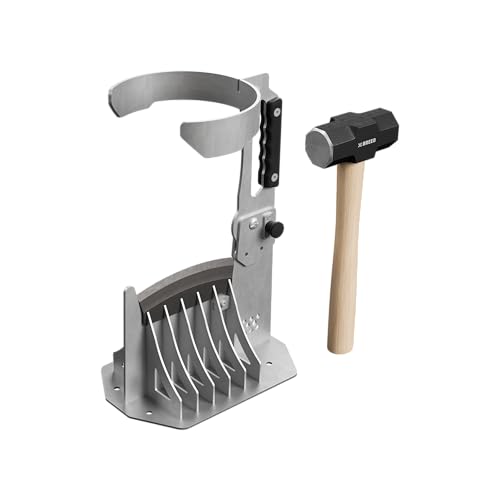
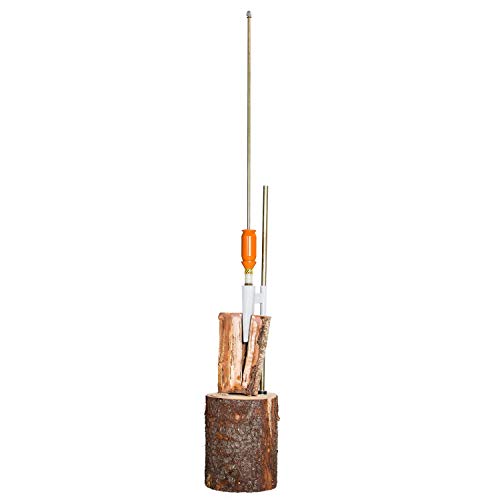

Our Top 3 Picks at a Glance
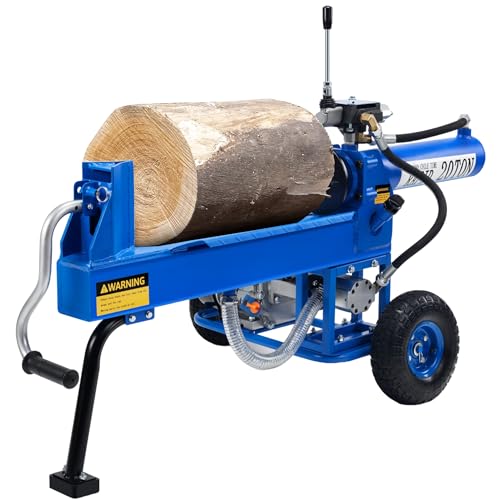
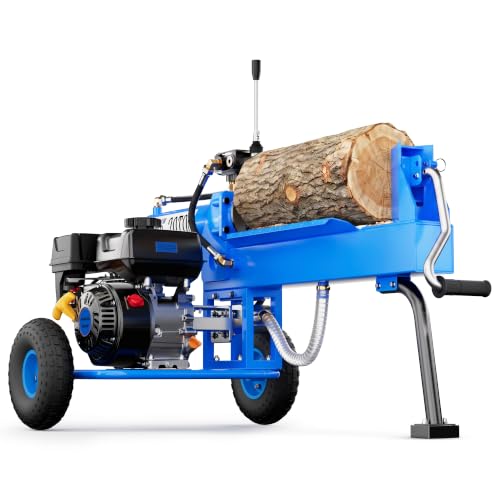
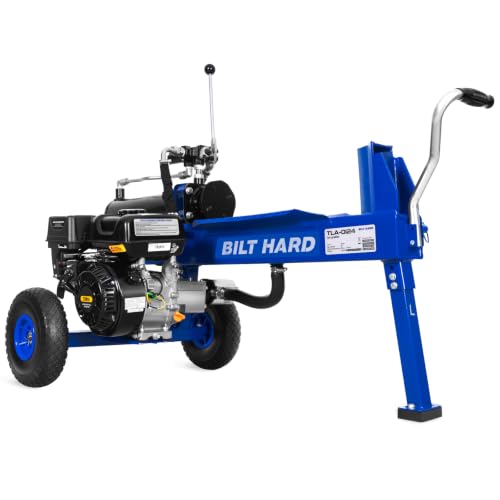
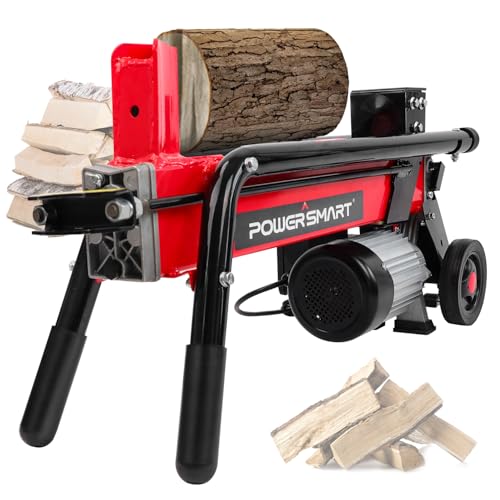
Each pick suits a different amount of wood and a different budget. The product table above adds more electric, manual and gas splitters from YARDMAX, BILT HARD, PROYAMA, PowerSmart and others.
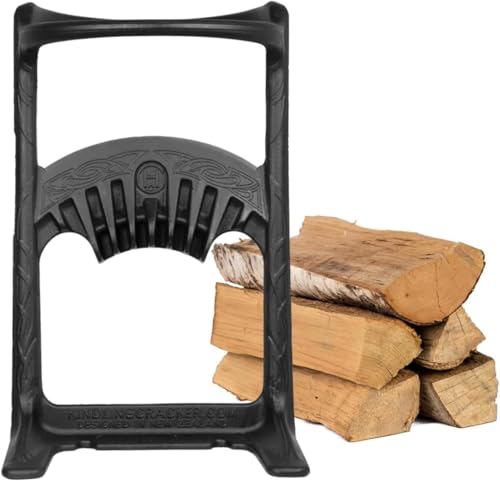
- Best Overall: Kindling Cracker King XL Cast Iron Kindling Splitter (around $110). A one piece cast iron ring and fixed wedge that splits kindling safely with a few mallet strikes.
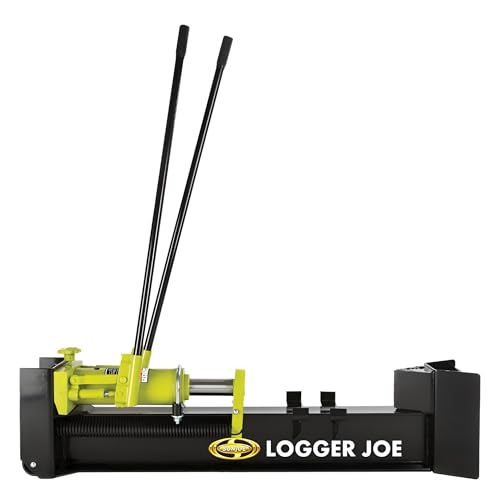
- Runner Up: Sun Joe 10 Ton Manual Hydraulic Log Splitter (around $220). Ten tons of hand pumped hydraulic force with no fuel, cord or battery needed.
- Best Upgrade Pick: Landworks Portable 20 Ton Gas Log Splitter (around $870). A 7HP engine, auto return ram and capacity for logs up to 20 inches long.
How We Chose the Best Affordable Log Splitter
We started with real performance for the money: splitting force, log length and diameter capacity, and how much effort each design asks of you. Owner ratings and review volume came next, followed by price against features, build quality and safety design. Every pick also had to be a current model that is in stock and sold on amazon.com.
Affordable Log Splitter Reviews
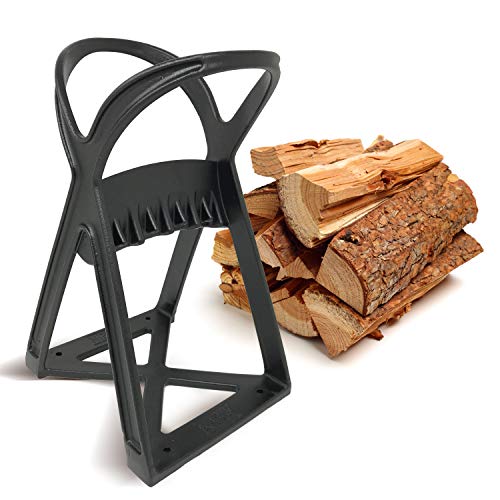
1. Kindling Cracker King XL Cast Iron Kindling Splitter: Best Overall
- One solid piece of cast iron with no welds, joints or moving parts
- 9 inch inside diameter safety ring
- 17 inch tall frame for longer pieces of firewood
- Fixed wedge; strike the log with a mallet, hammer or another piece of wood
- No blade to sharpen and no maintenance
Why We Picked It
For most people on a budget, the hardest part of starting a fire is turning dry rounds into thin kindling, and that is where axes cause the most injuries. The Kindling Cracker King XL solves this with a cast iron safety ring that keeps your hands away from the wedge. You set a piece of wood inside the ring and tap the top with a mallet until it splits.
The XL version has a 9 inch opening, so it accepts noticeably larger pieces than the original model, and the tall frame gives clearance for standard firewood lengths. Because it is a single casting with nothing to wear out, it should outlast almost any powered tool in your shed. That makes it a strong pick for beginners, older users and families who want safe kindling splitting without learning to swing an axe.
At around $110, it is far cheaper than any hydraulic splitter, and it is well reviewed by a very large base of buyers.
Pros
- Very safe and simple to use
- Heavy cast iron build with no parts to fail
- Larger opening than the original Kindling Cracker
Cons
- Built for kindling and small pieces, not full rounds
- You need your own mallet or hammer
Who Should Buy It
Pick the King XL if you mainly need kindling for a fireplace, wood stove or fire pit and want the safest, lowest maintenance way to make it.

2. Sun Joe 10 Ton Manual Hydraulic Log Splitter: Runner Up
- 10 tons of hydraulic driving force
- Two speed manual pump, no gas or electricity needed
- Splits logs up to 18 inches long and 8 inches wide
- Solid steel frame with rear wheels
- Log cradle and ram return spring
Why We Picked It
If you want real hydraulic force but have no outlet nearby or no desire to maintain an engine, this Sun Joe model is a practical middle ground. You work the handle and the two speed pump drives the wedge with up to 10 tons of force. That is enough for many seasoned rounds of moderate size, and it does the job without fuel, cords or noise.
Portability is a big part of its appeal. Rear wheels let you roll it to the woodpile, and the compact frame stores easily, which makes it handy for budget splitting at cabins or campsites. A log cradle keeps split pieces from tumbling off, and a return spring resets the ram so you can keep working.
At around $220, it costs a little more than basic manual tools but brings true hydraulic power to the job.
Pros
- Works anywhere, with no fuel or power source
- Portable with wheels and a compact frame
- Very little upkeep compared with engines and motors
Cons
- Slow and physical compared with powered splitters
- Limited to logs up to 8 inches wide
Who Should Buy It
Choose the Sun Joe if you split a modest amount of firewood each year, often work away from power and do not mind some effort at the pump handle.

3. Landworks Portable 20 Ton Gas Log Splitter: Best Upgrade Pick
- 7HP gas engine with a 20 ton rated hydraulic system
- Two stage Bucher hydraulic gear pump
- Splits logs up to 20 inches long and 16 inches in diameter
- About 7.5 second cycle time with rapid auto return
- Horizontal full beam design, 10 inch transport wheels, about 130 lbs
Why We Picked It
Sometimes a budget plan still includes a big job, like a downed oak or a full winter of firewood. The Landworks splitter brings gas power and 20 tons of force at a price well below most full size towable machines. Its 7HP engine drives a two stage pump, and the rapid auto return resets the ram after each split so you can keep a steady rhythm.
The capacity is a real step up from the manual and electric options here, handling logs up to 20 inches long and 16 inches across. At about 130 pounds with 10 inch wheels, it remains portable enough to move around a property, and because it needs no outlet it works deep in a woodlot. Keep in mind that hydraulic fluid is not included, so budget for that before your first use.
At around $870, it is the most expensive pick on this list, but it is still an affordable way into gas splitting.
Pros
- Strong gas power for the price
- Large log length and diameter capacity
- Portable horizontal design with wheels
Cons
- Engine maintenance, fuel and noise
- Hydraulic fluid sold separately
Who Should Buy It
Get the Landworks if you burn wood as a main heat source or regularly deal with large rounds and want gas power without paying for a premium brand.

What You Get (and Give Up) at a Lower Price
Where budget models cut corners
Lower priced splitters usually save money on power and speed. Manual hydraulic units rely on your arm, and entry level electric models often top out around 5 to 7 tons. Fit and finish can also be simpler, with thinner paint and basic controls.
Features worth paying for
A solid steel beam, a reliable pump and a ram that returns on its own are worth extra money because they affect every log you split. Wheels and a sensible working height also save your back over a long session.
When to spend more
If you heat your home with wood or split mostly knotty hardwood, a gas model with more tonnage will save hours each season and pay for itself in time and effort.
How to Choose the Best Affordable Log Splitter
Start by thinking about how much wood you split each year and what kind it is. Someone making kindling for a fire pit needs something very different from a homeowner heating with oak. Our guide on what size log splitter do i need goes deeper on matching force to wood, and the points below cover the main decisions.
Splitting Force (Tons)
Tonnage is the force the ram pushes the log against the wedge. Around 5 to 7 tons handles small, straight grained softwood, while 10 tons works for many seasoned rounds of moderate size. Large, green or knotty hardwood calls for 20 tons or more, which is where gas models take over.
Electric vs Gas vs Manual
Manual splitters, whether a kindling ring or a hand pumped hydraulic unit, are quiet, cheap and maintenance free but slow. Electric splitters plug into a standard outlet, run quietly and suit garages and suburban yards. Gas splitters bring the most power and go anywhere, though they need fuel, oil changes and hearing protection. For many buyers, a corded electric unit is the best budget friendly log splitter for moderate amounts of wood.
Log Length and Diameter Capacity
Check the maximum log length and diameter before you buy. Most firewood is cut to about 16 inches, so a splitter rated for 18 to 20 inch logs gives some room. Diameter limits matter too, since an undersized machine forces you to quarter big rounds by hand first.
Cycle Time
Cycle time is how long the ram takes to extend and return. Gas splitters with auto return often cycle in under 10 seconds, while electric units are usually slower. If you split a few cords a year, faster cycles save real time.
Horizontal vs Vertical
Horizontal splitters, the most common budget design, have you lift each log onto the beam. Vertical or convertible models let you roll heavy rounds into place instead, which is easier on your back but usually costs more.
Portability and Wheels
Wheels, a tow hitch or a light frame determine whether you bring the splitter to the wood or the wood to the splitter. Check the weight, especially for gas units, and make sure you have a place to store it out of the weather.
If you are still unsure whether to buy at all, our article on is a log splitter worth it walks through the costs and the payoff.
FAQs About Affordable Log Splitters
How long does a log splitter last?
A well maintained log splitter can last many years. Manual cast iron and steel tools have almost nothing to wear out, while hydraulic machines depend on clean fluid, sound seals and, for gas models, regular engine care. Storing the splitter dry and covered between seasons makes a big difference to its lifespan.
Is a log splitter worth the money?
For anyone splitting more than a small pile each year, yes. A splitter reduces strain and injury risk compared with an axe and often costs less than a few seasons of buying split firewood. Light users can start with a kindling tool or a manual hydraulic unit and upgrade later.
How much should I spend on a log splitter?
Kindling splitters cost around $60 to $200, manual hydraulic and entry level electric models around $200 to $350, and portable gas splitters start near $800. Match the budget to your annual volume and wood type rather than buying the most force you can afford.
How do I maintain a log splitter?
Check the hydraulic fluid level and condition, keep the beam and wedge clean, and inspect hoses for leaks. Gas models also need oil changes, fresh fuel and a clean air filter. Store the machine covered and dry, and tighten loose bolts before each season.
Final Verdict
The Kindling Cracker King XL is the best affordable log splitter for safe, simple kindling, and the Sun Joe 10 ton manual hydraulic splitter is the value pick for modest firewood needs without power. If you burn a lot of wood, the Landworks 20 ton gas model is a smart upgrade. For more options, see our full guides to the best log splitter, the best log splitter for homeowners and the best log splitter for heavy duty use, and check today's price on your favorite before the cold sets in.