Is a Pole Saw Worth It? What Owners Should Know Before Buying
Disclosure: We may earn a commission when you buy through links on this page, at no extra cost to you. As an Amazon Associate I earn from qualifying purchases. Learn more

Is a pole saw worth it for your yard? What manual, cordless and gas models cost, the benefits and drawbacks, and who should buy one.
Yes, a pole saw is worth it for most homeowners with trees, because it lets you cut high limbs from the ground instead of climbing a ladder with a chainsaw. A good manual or cordless model costs less than a single visit from a tree service for routine pruning. So is a pole saw worth it for your yard? It comes down to how many trees you have, how high the branches are and how often you prune.
If you only have a couple of young trees or a single overhanging branch, a hand pruning saw or a one time pro visit may be enough. Below we look at what each type costs, the real benefits and drawbacks, ownership costs and the alternatives.


What You Get for the Money
Pole saws fall into three main groups, and the price reflects power, reach and build quality.
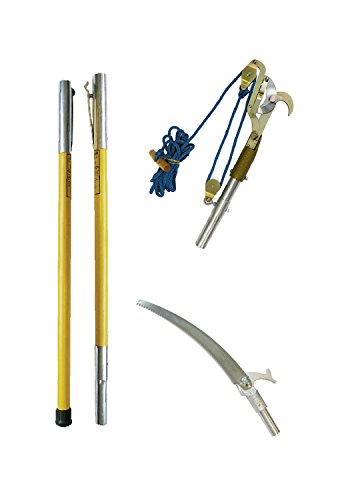
- Manual pole saws (around $40 to $290): a curved pruning blade on a telescoping pole, often with a lopper or pole pruner head for smaller branches. Cheaper models use steel or aluminum poles, while pricier sets use fiberglass sections that can extend past 20 feet.
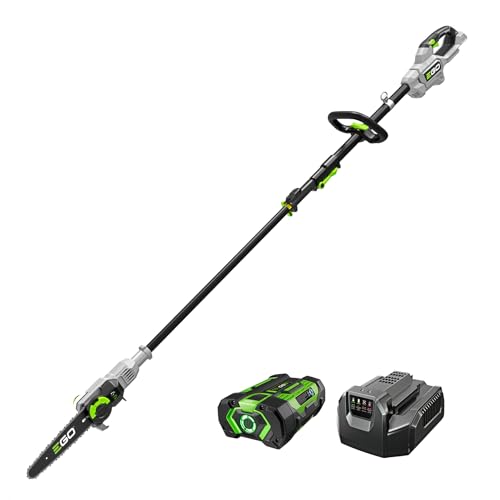
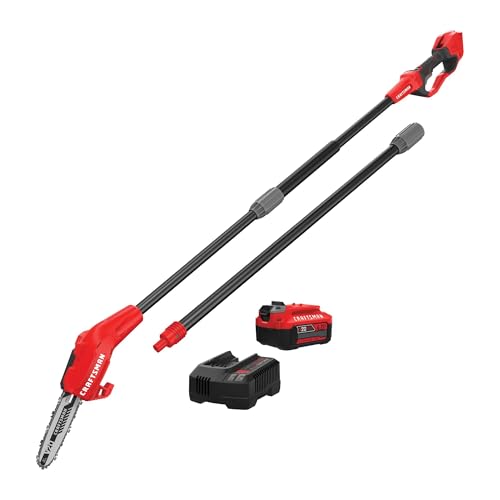
- Cordless pole saws (around $90 to $390): a small chainsaw head on an extension pole, powered by a battery. Many share batteries with a brand's other yard tools, and some convert to a mini chainsaw.
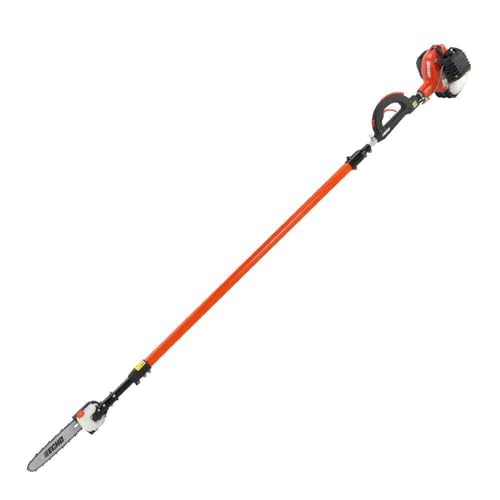
- Gas pole saws (around $200 to $680): the most power for thick limbs and big properties, with longer bars and no charging, but more noise, weight and maintenance.
Corded electric models sit in between, offering steady power at a low price with the limits of a cord. For a full breakdown, see our guide on how much does a pole saw cost.
Benefits of Owning a Pole Saw
Safety is the biggest benefit. Standing on a ladder with a running saw is one of the riskier jobs a homeowner can do. A pole saw keeps both feet on the ground, gives you reach into the canopy and lets you step back from falling wood.
It also saves money over time. Tree services charge for every visit, and routine pruning of dead, crossing or low hanging tree limbs is a job most homeowners can handle themselves. Clearing branches away from the roof, gutters and driveway keeps the yard tidy and reduces storm damage. Anything close to power lines is a job for the utility or a licensed pro.
Healthy trees benefit too. Regular light pruning removes dead and diseased wood before it spreads, improves airflow and lets more sun reach the lawn below. With your own tool, you can prune at the right time of year instead of waiting for a crew.
Finally, a battery pole saw is quick to grab. That convenience is a big reason why buy a pole saw rather than rent: you will actually do the small jobs when they come up, before a dead limb falls on its own.
Drawbacks to Consider
Pole saws are tiring to use. Holding a motor or a long pole overhead strains your arms, shoulders and neck, and the weight feels heavier the farther the pole extends. Plan to work in short sessions, and always wear eye protection and a hard hat, since sawdust and small twigs rain down as you cut.
They have limits. Most homeowner models handle small and medium branches well, but thick limbs are slow to cut and hard to control as they fall. Large limbs, whole trees and anything near power lines belong to a certified arborist.
Powered models need upkeep. Chains need sharpening and oiling, bars wear and gas engines need fuel mixing and seasonal care. Battery models avoid most of that, but a spare battery adds cost.
Storage can also be awkward. Long poles and gas units take up wall space, and a tool you use only a few times a year may sit idle for months.
Who Should Buy One (and Who Should Skip It)
A pole saw is a smart buy if you:
- Have several mature trees or a row of shrubs and hedges that need yearly trimming.
- Need to keep branches off the roof, gutters, fence or driveway.
- Deal with storm damage, broken limbs or dead wood each season.
- Already own batteries from a brand that sells a pole saw, which lowers the cost.
Our list of the best pole saw for backyards suits typical suburban lots, and if you mostly remove dead growth, see our picks for the best pole saw for dead leaves.
You can probably skip it if you have only young trees you can prune from the ground with hand tools, if your trees are very tall and need professional climbing, or if a lawn service already prunes for you.
Cost of Ownership Over Time
Manual pole saws cost almost nothing to run. You may replace a blade every few years and occasionally tighten the pole locks.
Cordless models need bar oil, an occasional new chain and, eventually, a replacement battery. Batteries are the biggest long term cost, so sharing them with other tools helps.
Gas pole saws add fuel, two stroke oil, spark plugs, air filters and chain and bar replacements. They also need seasonal storage prep. Over several years, the upkeep can add up to a meaningful share of the purchase price, which is why battery models have become the popular choice for homeowners.
Alternatives Worth Considering
A hand pruning saw and loppers cover low branches for very little money. Renting a gas pole saw works for a one time cleanup. A tree service is the right call for large limbs, tall trees and anything near power lines. Some battery string trimmer systems also accept a pole saw attachment, which saves buying a separate tool if you already own the power head.
Our Verdict: Is a Pole Saw Worth It?
If you have more than a couple of trees and prune every year, a pole saw pays for itself quickly in avoided service calls and safer work. A manual model suits light pruning and tight budgets, a cordless one is the best balance for most homes and gas makes sense only for big properties with heavy limbs. If your trees are young or very tall, use hand tools or hire a pro instead.
Frequently Asked Questions
How high can a pole saw reach?
It depends on the type. Many cordless homeowner models list a reach of around 14 to 16 feet, counting your arms and the pole together. Manual pole saws with multiple fiberglass or aluminum sections can extend much farther, with some sets topping 20 feet. Check the listed pole length and the bar length or blade size before buying.
Can a pole saw cut thick branches?
A pole saw handles small to medium limbs best. Check the bar length on powered models and the blade length on manual ones, since a branch much thicker than the bar is slow and risky to cut overhead. For heavy limbs, make a small undercut first so the bark does not tear, and leave large limbs to a tree service.
How long does a pole saw last?
A quality pole saw can last many years with basic care. Manual saws mostly need new blades now and then. Cordless models last as long as the motor and batteries, and batteries often wear out first. Gas models last longest when you keep the chain sharp, change filters and store them with fresh or stabilized fuel.
What is the best pole saw to buy?
For most homeowners, a cordless pole saw that shares batteries with other yard tools is the best choice. Manual saws suit light pruning on a budget, and gas models fit large properties. If you are still asking is a pole saw worth buying, compare stores and return policies in our guide on where to buy a pole saw.
Final Thoughts
So, is a pole saw worth it? For homes with several trees and yearly pruning, yes: it keeps you off the ladder and saves on tree service bills. Choose manual, cordless or gas based on your trees and budget, and leave big limbs to the pros. When you are ready to shop, see our picks for the best pole saw.