
How to Choose a Shop Vacuum: Buying Guide for 2026
Disclosure: We may earn a commission when you buy through links on this page, at no extra cost to you. As an Amazon Associate I earn from qualifying purchases. Learn more

Tank size, airflow, filters and noise explained: how to choose a shop vacuum for your garage, car or workshop.
To choose a shop vacuum, match the tank size to your messes (2 to 6 gallons for cars and quick cleanups, 10 to 16 gallons for garages and workshops), then check suction power, the filter for fine dust, hose size, noise and how easy it is to move and store. Pick a wet and dry model if you will ever face spills or flooding. That is how to choose a shop vacuum in short; the rest of this guide explains each feature, typical prices and the mistakes to avoid.
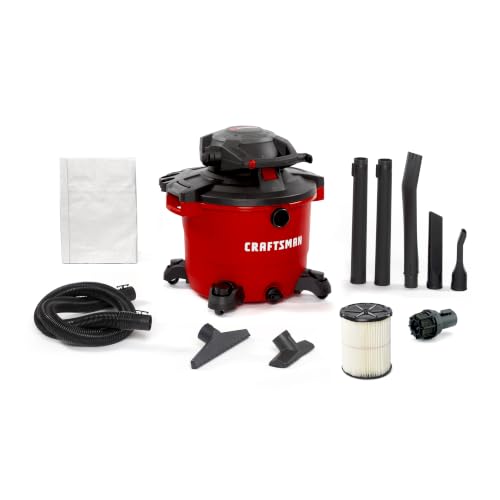

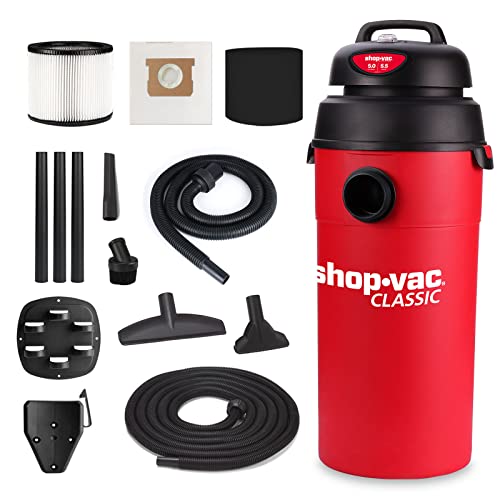
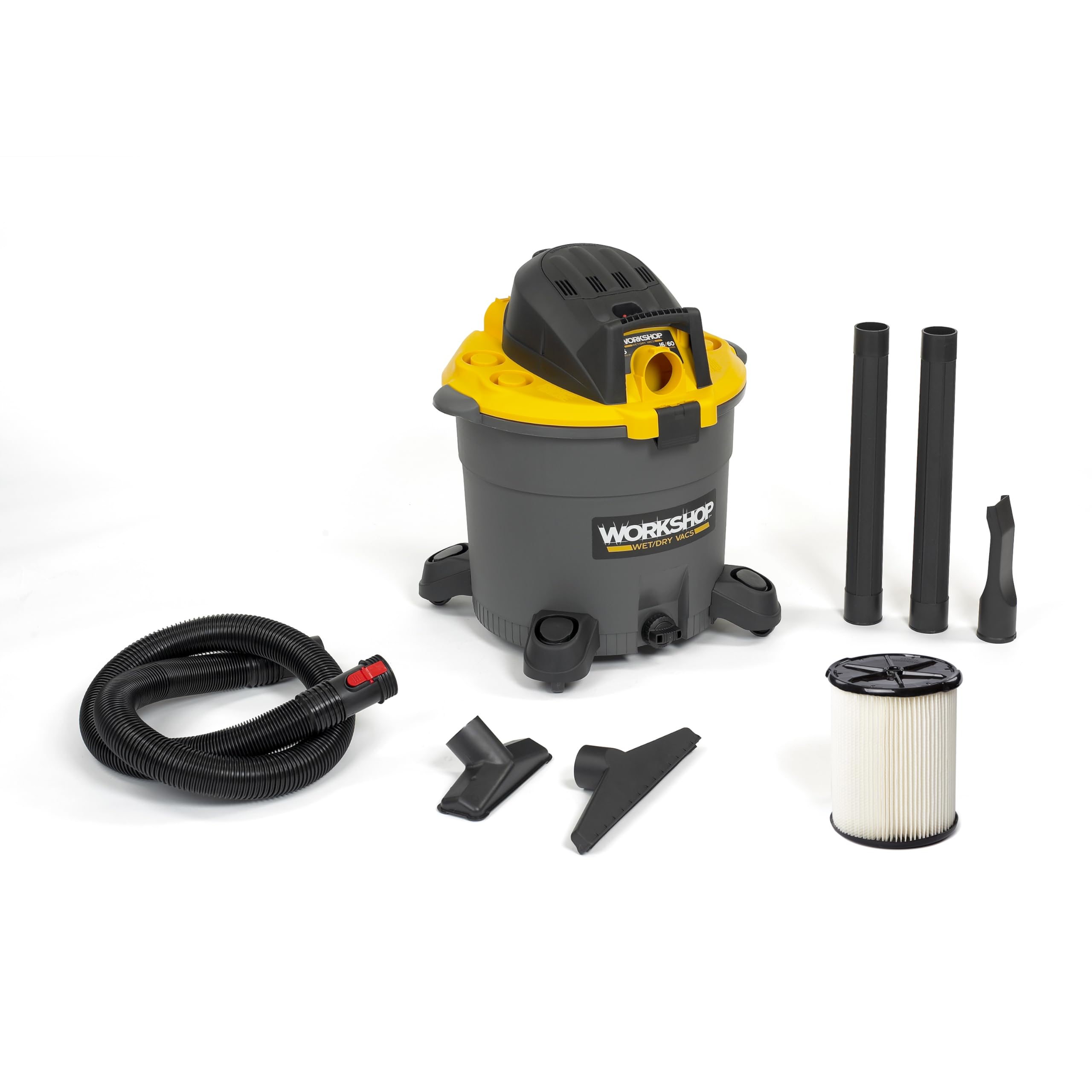

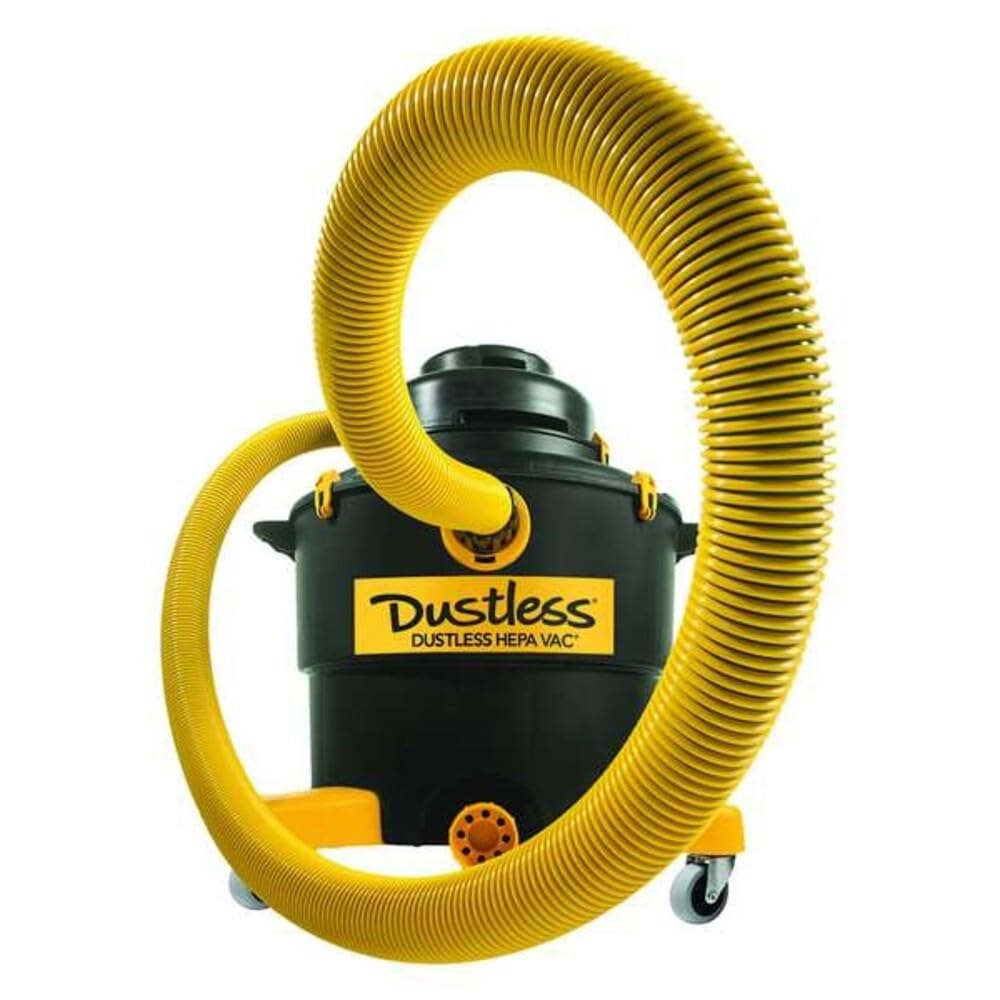
What Is a Shop Vacuum and Do You Need One?
A shop vacuum, often called a shop vac or wet dry vac, is a rugged canister vacuum built for debris a household vacuum cannot handle: sawdust, drywall dust, screws, gravel, leaves and standing water. Most use a simple drum, a powerful motor and a wide hose that resists clogs. If you have a garage, workshop, car or basement that sometimes floods, a shop vac is one of the most useful tools you can own. It also cleans up renovation messes that would ruin a home vacuum.
Main Types of Shop Vacuums
- Portable wet dry vacs (2 to 6 gallons): light and easy to carry. Best for cars, small spills and quick cleanups.
- Mid size wet dry vacs (8 to 12 gallons): the all rounder for most garages and DIY projects.
- Large wet dry vacs (14 to 20 gallons): big capacity on wheels for workshops, contractors and water removal.
- Wall mounted garage vacs: hang on the wall with a long hose, saving floor space.
- Cordless shop vacs: run on tool batteries for jobsites and quick tasks without an outlet.
- HEPA and dust extractor vacs: built for very fine dust from drywall, concrete and sanding, often used by contractors.
How to Choose a Shop Vacuum: Key Features to Consider
These are the specs that separate a good fit from a frustrating one. Keep them in mind if you want to know how to choose the best shop vacuum for your space.
Tank Capacity (Gallons)
Bigger tanks hold more debris and water but are heavier and take more room. A 5 gallon tank suits cars and small jobs, while 12 to 16 gallons suits workshops and wet cleanup. Remember that water is heavy, so a full large tank can be hard to empty. If you expect to pick up a lot of water, look for a drain port near the bottom of the drum, which lets you empty it without lifting.
Peak Horsepower and Airflow (CFM)
Peak horsepower is a marketing number measured under ideal conditions. Airflow in CFM and water lift tell you more about real pickup. Higher CFM moves light dust and leaves; higher water lift pulls heavy debris and liquid up the hose.
Filters for Fine Dust
Standard cartridge filters handle general debris. For drywall dust, ash or sanding, use a fine dust or HEPA rated filter, often with a collection bag. Use a foam sleeve instead of a paper filter when vacuuming water. Our best shop vacuum for drywall dust guide covers fine dust models.
Hose Diameter and Length
Wide hoses around 2 1/2 inches resist clogs and suit bulky debris. Narrow hoses around 1 1/4 inches are lighter and better for detail work and cars. Longer hoses add reach but reduce suction slightly.
Noise Level (dB)
Shop vacs are loud. Some newer models use quiet technology that makes a real difference in an attached garage or a small workshop. Wear hearing protection for long sessions either way.
Portability, Wheels and Storage
Look for sturdy casters, a top handle and onboard storage for the hose and tools. Wall mount kits and compact shapes help in tight spaces. Check the cord length too: a longer cord means fewer trips to move the plug, and some models wrap the cord neatly on the body.
Blower Port and Accessories
Many shop vacs can blow as well as suck, handy for clearing leaves or dust. Some even have a detachable blower. A good set of nozzles, wands and a drain port for emptying water adds real value. If you have pets, see our best shop vacuum for pet hair picks for useful brush tools.
How Much Should You Spend?
So, how much does a shop vacuum cost? Entry level portable models start around $60 and handle cars and small jobs. Mid range wet dry vacs around $130 add bigger tanks, better filters and quieter motors. Premium HEPA dust extractors and commercial units can reach around $650, and they suit contractors who need fine dust control every day.
Is a Shop Vacuum Worth Buying?
For most homeowners, yes. A shop vac cleans garages, cars, workshops and basements, removes water after leaks and handles renovation debris that would wreck a home vacuum. A mid range model lasts for years and quickly earns its space in the garage. If you only need one for a single flood or remodel, borrowing may do, but most owners soon find regular jobs for it, from car interiors to fall leaves in the garage doorway.
Common Buying Mistakes to Avoid
- Choosing a huge tank you will never fill and can barely lift.
- Judging only by peak horsepower instead of airflow and water lift.
- Vacuuming fine dust without a fine dust filter or bag.
- Using a paper filter to pick up water.
- Ignoring noise if you work in an attached garage.
- Forgetting storage space for the hose and accessories.
Frequently Asked Questions
How long does a shop vacuum last?
A quality shop vacuum can last many years with basic care. Clean or replace filters, empty the tank after each use and dry it after wet jobs. Motors fail early mostly when filters are clogged, so how long does a shop vacuum last depends a lot on maintenance. See how to clean a shop vacuum.
Is a garage vacuum worth buying?
Yes, if you use your garage for projects, cars or storage. A dedicated garage vacuum, especially a wall mounted model with a long hose, makes cleanup quick and keeps dirt out of the house. It also handles leaves and water that a household vacuum cannot.
How do I choose an industrial vacuum?
Start with the debris and duty cycle. Industrial and contractor vacuums need large tanks, HEPA or certified dust filtration, tough casters and long cords. For daily jobsite use, look for tool activated outlets and filter cleaning systems that keep suction high.
How much does a garage vacuum cost?
Garage vacuums cost around $60 to $250 for most homes. Wall mounted models and large wet dry vacs sit near the upper end. Commercial units with HEPA filtration cost more.
What is the best brand of shop vacuum?
There is no single best brand. Shop-Vac, CRAFTSMAN, DEWALT, RIDGID, Vacmaster and WORKSHOP all make well regarded models, and Bosch and Milwaukee offer cordless options. Choose by size, filter and noise first, then brand.
Final Thoughts
Now you know how to choose a shop vacuum: match tank size to your jobs, look past peak horsepower, use the right filter and think about noise and storage. When you are ready, see our picks for the best shop vacuum, and read how to use a shop vacuum to get started.


