
Best Shop Vacuums (2026): 3 Top Rated Picks Worth Buying
Disclosure: We may earn a commission when you buy through links on this page, at no extra cost to you. As an Amazon Associate I earn from qualifying purchases. Learn more

Our best shop vacuum picks for garages and workshops, from a DEWALT HEPA dust extractor to a 16 gallon CRAFTSMAN wet dry vac.
Sawdust under the workbench, drywall dust after a weekend project, a flooded basement corner or a car interior full of sand: these are the messes a household vacuum was never built for. A shop vacuum handles them with a big tank, a wide hose and a motor designed for both wet and dry pickup. The range is wide, though, from small portable units to 16 gallon garage workhorses and HEPA dust extractors that start automatically with your power tools. Choosing the best shop vacuum means matching tank size, suction and filtration to the work you actually do.
To build this list, we compared published specs, the depth of verified owner feedback on Amazon, expert advice and price against value, keeping only current models that are in stock and sold new. Our three picks: the DEWALT DWV010 HEPA dust extractor for fine dust control, the CRAFTSMAN CMXEVBE17595 16 gallon wet dry vac for big garage and basement jobs, and the DEWALT DXV09P 9 gallon poly wet dry vac as the best value for everyday workshop cleanup.


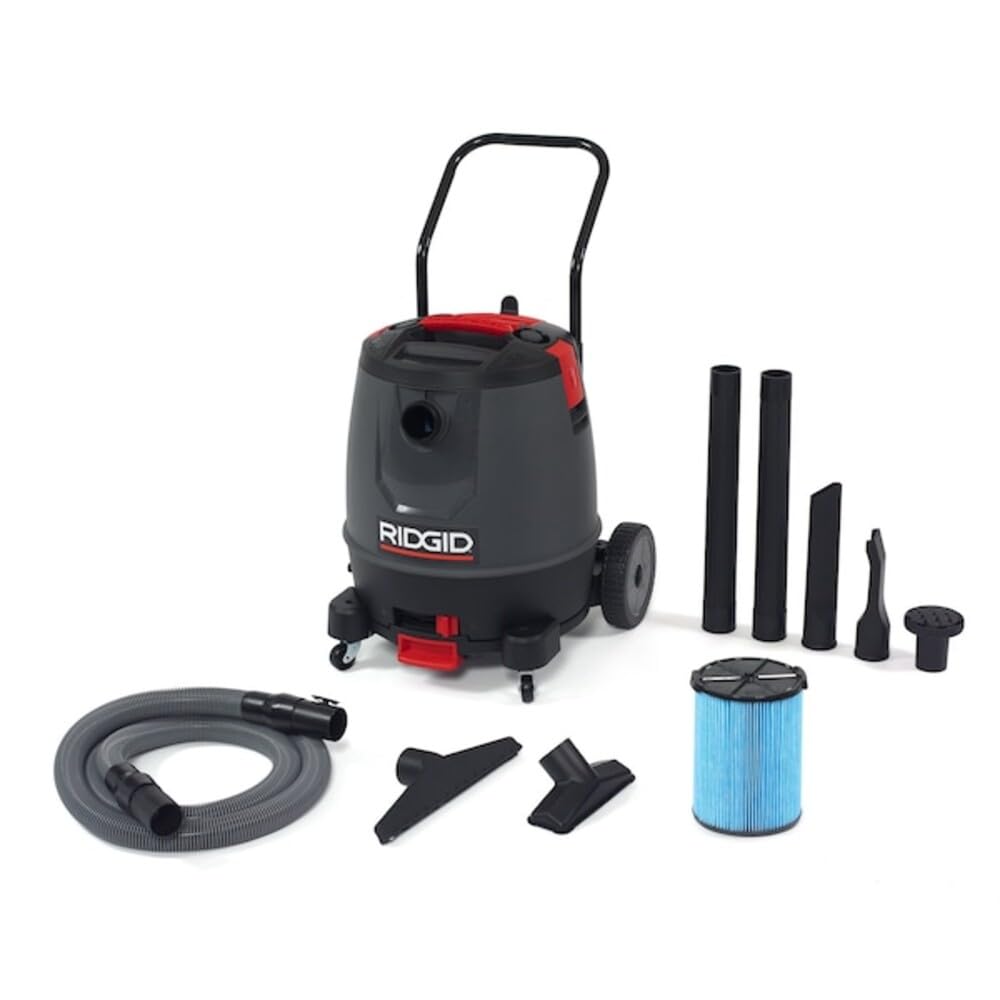

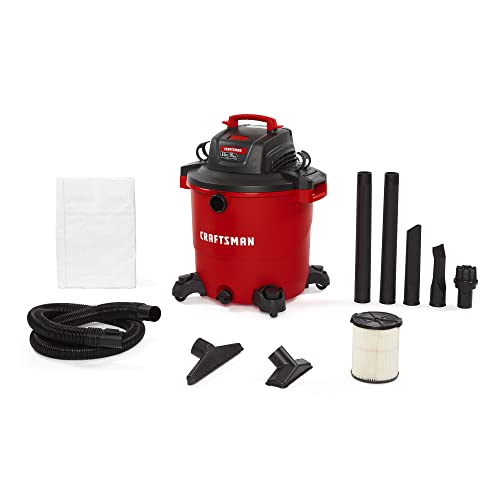

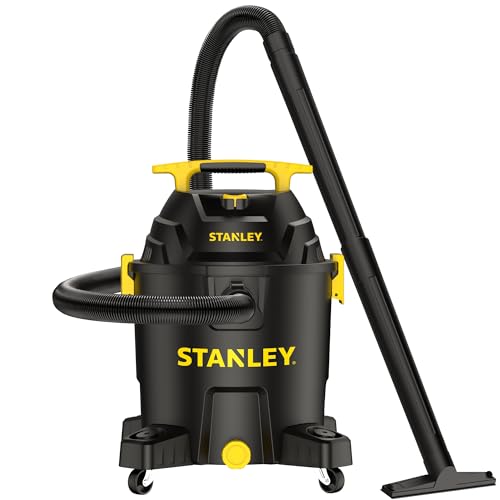
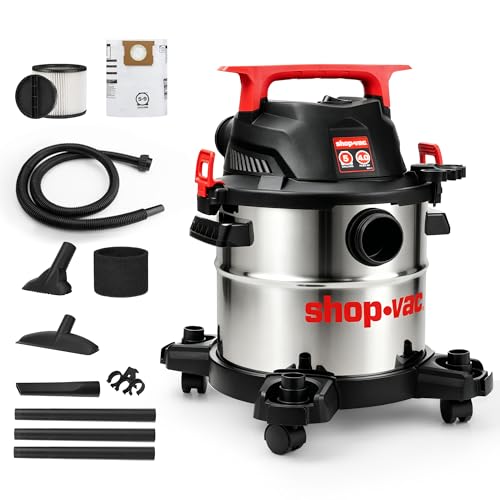

Our Top 3 Picks at a Glance
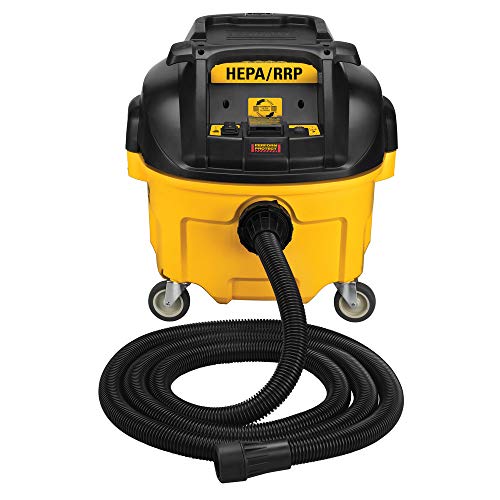
- Best Overall: DEWALT DWV010 HEPA Dust Extractor, 8 Gallon (around $500). A 15 amp motor with 150 CFM of airflow, automatic filter cleaning every 30 seconds and power tool activation.
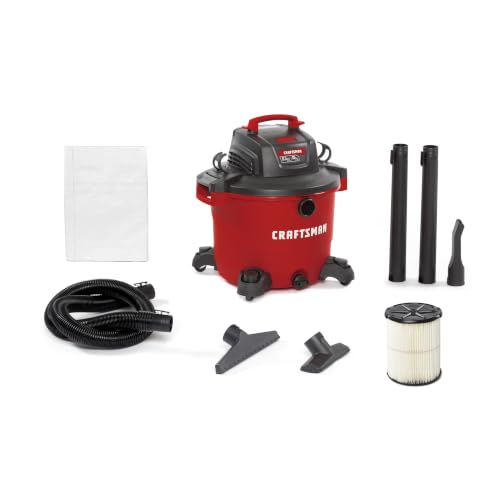
- Runner Up: CRAFTSMAN CMXEVBE17595 16 Gallon 6.5 Peak HP Wet Dry Shop Vacuum (around $120). A huge tank, a built in blower port, an oversized drain and a kink resistant 2 1/2 inch hose.
- Best Value: DEWALT DXV09P 9 Gallon Poly Wet Dry Vac (around $135). A 5 peak HP motor, rubberized casters, a blower port, a built in tank drain and onboard accessory storage.
The DWV010 is the right tool if you sand drywall, cut with power tools indoors or work in a finished space where dust control matters. The CRAFTSMAN is the garage and basement workhorse, with the biggest tank and the most power for the money. The DXV09P sits in the middle, a tough, compact wet dry vac that suits most home workshops. Any of them can be the best shop vacuum for the right garage, so start with the messes you clean most often.
How We Chose the Best Shop Vacuum
We looked first at real cleanup performance: suction and airflow, tank capacity, hose size and how well each vac handles both wet spills and fine dust. Filtration came next, since fine dust can pass through a basic filter and blow back into the room. We gave extra weight to models that are well reviewed by a large base of buyers over years of jobsite and garage use.
Price against features mattered, including accessories, blower functions and drains. Build quality, mobility and noise carried real weight. Finally, every product in our table had to be a current model that is in stock and sold new on amazon.com.
Shop Vacuum Reviews
1. DEWALT DWV010 HEPA Dust Extractor, 8 Gallon: Best Overall
- Motor: 15 amp, 150 CFM of airflow
- Filter cleaning: automatic pulse every 30 seconds for continuous operation
- Activation: power tool actuation turns the vac on and off with your tool
- Compliance: meets the EPA Lead RRP Rule for HEPA vacuums when used with DWV9330 filters
- Hose: 15 foot anti static hose, 1.25 inch diameter, universal swivel connector
- Mobility: heavy duty wheels and casters
Why We Picked It
HEPA dust extraction for drywall sanding and woodworking is a different job from sucking up wood chips, and that is where the DWV010 stands apart. Its 15 amp motor delivers 150 CFM of airflow, and the automatic filter cleaning system pulses every 30 seconds, knocking dust off the filters so suction stays strong without stopping to clean them by hand. Fine dust from drywall and sanders clogs ordinary shop vac filters within minutes, so this feature alone makes long sessions far more productive.
Power tool actuation is the other standout. Plug a sander, saw or grinder into the vac, and it switches on automatically when you pull the tool's trigger and off a moment after you stop. That keeps dust captured at the source and saves you from reaching for the vac switch every few seconds. The anti static hose prevents the small shocks that can happen when moving dry dust through plastic, and the universal swivel connector fits many tool ports.
For homeowners renovating older houses, there is a safety angle too. With DEWALT's DWV9330 filters installed, the DWV010 meets the EPA Lead Related Renovation, Repair and Painting (RRP) rule for HEPA vacuums. That matters if you sand or scrape surfaces that may contain lead paint.
It is expensive compared with a standard wet dry vac, and the smaller 8 gallon tank is designed for dust extraction rather than big wet cleanups. For indoor projects where dust ends up in every room, though, nothing else on this list comes close.
Pros
- True HEPA dust control with the right filters
- Automatic filter cleaning keeps suction steady
- Tool triggered start and stop
- Anti static hose and sturdy casters
Cons
- Expensive
- Heavy and bulky compared with compact vacs
- Smaller tank than garage style wet dry vacs
Who Should Buy It
Buy the DWV010 if you sand drywall, do woodworking with power tools or renovate inside an occupied home, and you want to keep fine dust out of the air. It is also the best industrial vacuum choice here for contractors working in finished spaces. At around $500, it is an investment that pays off in cleaner air and less cleanup.
2. CRAFTSMAN CMXEVBE17595 16 Gallon 6.5 Peak HP Wet/Dry Shop Vacuum: Runner Up
- Tank: 16 gallons
- Motor: 6.5 peak HP
- Blower: built in rear blower port for leaves and clippings
- Drain: oversized built in drain for emptying liquids
- Hose: 2 1/2 inch by 7 foot POS-I-LOCK Dual Flex hose with 180 degree mobility at each end
- Accessories: 2 extension wands, utility nozzle, car nozzle, wet nozzle, Qwik Lock filter and dust bag
Why We Picked It
For big wet and dry jobs in garages and basements, the CRAFTSMAN 16 gallon is hard to beat for the money. Its 6.5 peak HP motor delivers strong suction for drywall scraps, leaves, sawdust and spilled water, and the 16 gallon tank means fewer trips to empty it. When a water heater leaks or a basement corner floods, that capacity and the oversized drain make cleanup much faster.
The wide 2 1/2 inch hose matters more than many buyers realize. Large debris like wood chips, gravel and leaves passes through without clogging, and CRAFTSMAN's Dual Flex design allows 180 degree movement at each end to resist kinking. The rear blower port turns the vac into a blower for clearing leaves and grass clippings from the garage floor, driveway or workshop.
It comes well equipped, with two extension wands, utility, car and wet nozzles, a filter and a dust collection bag. The dust bag helps when you vacuum fine material, since it catches dust before it reaches the filter and makes disposal cleaner. Few shop vacs at this price offer so much capacity, and its large base of happy owners speaks to its value.
The tradeoffs are size and noise. A 16 gallon vac takes up real floor space, and like most high powered shop vacs, it is loud. Plan a corner of the garage for it and keep hearing protection nearby for long sessions.
Pros
- Massive 16 gallon capacity
- Very strong suction from a 6.5 peak HP motor
- Wide, kink resistant hose and plenty of accessories
- Top rated value with a blower port and drain
Cons
- Bulky to store
- Loud
Who Should Buy It
Choose the CRAFTSMAN if you need a garage, basement or yard cleanup machine that can swallow big messes, wet or dry. It is the best garage vacuum on our list and the best affordable shop vacuum for large jobs. At around $120, it delivers outstanding capacity per dollar.
3. DEWALT DXV09P 9 Gallon 5 Peak HP Poly Wet/Dry Vac: Best Value
- Tank: 9 gallon poly container
- Motor: 5 peak HP
- Mobility: ultra durable rubberized swivel casters
- Cord: 10 foot power cord with cord wrap
- Blower: built in blower port for sawdust and debris
- Extras: large built in tank drain and an onboard accessory storage bag
Why We Picked It
For garage and workshop cleanup, the DXV09P hits a sweet spot of size, power and toughness. The 9 gallon poly tank handles a good amount of debris while staying compact enough to roll around a one car garage or carry to the car, and the 5 peak HP motor provides plenty of suction for sawdust, dirt, screws and spills. DEWALT built it for jobsite abuse, with a sturdy poly tank and rubberized casters that swivel smoothly over concrete and shop floors.
The details are practical. A built in blower port is strong enough to blow sawdust and debris out of a workshop, and the large tank drain makes it easy to empty liquids without tipping the whole vac. An accessory storage bag attaches to the back, so the nozzles and wands stay with the vac instead of disappearing into a drawer. The 10 foot cord with a cord wrap keeps storage tidy.
It is a popular choice with a large base of owners, many of whom use it for car detailing, workshop cleanup and small water messes. The hose can feel a little stiff in cold weather, and like most shop vacs it is loud, but for the money it is a tough, versatile tool that will handle most homeowner jobs. DEWALT also offers a range of filters and dust bags for the 6 to 16 gallon family, so supplies are easy to find.
In a typical home workshop, the DXV09P earns its keep in small ways: clearing sawdust from the miter saw station, pulling screws and drywall crumbs out of a remodel, drying a wet floor after a washing machine leak and cleaning sand out of the car after a beach trip. Its 9 gallon size is big enough to avoid constant emptying, yet it still fits under a workbench when the job is done.
Pros
- Strong suction for its size
- Tough poly tank and rubberized casters
- Good 9 gallon capacity with a tank drain
- Blower port and onboard accessory storage
Cons
- Loud
- Hose is a bit stiff
- Short 10 foot cord
Who Should Buy It
Pick the DXV09P if you want a durable, mid size shop vac for workshop cleanup, car interiors and occasional spills. At around $135, it is a best budget friendly garage vacuum pick that balances capacity, power and storage space.
Who Should Buy a Shop Vacuum (and Who Should Not)
A shop vacuum belongs in almost every garage. Homeowners who do DIY projects, woodworking or car care will use one constantly, and anyone with a basement, laundry room or water heater will be glad to have one the day something leaks. Shop vacs also handle messes that would destroy a household vacuum, such as broken glass, drywall dust, wet leaves and spilled potting soil. If drywall is your main job, our guide to the best shop vacuum for drywall dust covers filters and extractors in more depth.
Pet owners can benefit too. Shop vacs make quick work of hair in garages, mudrooms and cars, and our list of the best shop vacuum for pet hair focuses on that job.
A shop vac is not a replacement for a household vacuum. It is loud, bulky and usually lacks a beater brush for carpets. Apartment dwellers with little storage space may find a small handheld or compact wet dry vac more practical. And if you only need to clean up the occasional spill, a large 16 gallon model may be more machine than you need. For step by step guidance, see how to use a shop vacuum.
How to Choose the Best Shop Vacuum
The right shop vac depends on the messes you clean, where you store it and how much fine dust you deal with. If you are asking what is the best shop vacuum for your garage, work through these factors. Our full guide on how to choose a shop vacuum goes into more detail.
Tank Capacity (Gallons)
Small 2 to 5 gallon vacs are portable and easy to store, ideal for cars and small spills. Mid size 6 to 10 gallon models suit most home workshops. Large 12 to 16 gallon vacs are best for basements, big garages and water cleanup. Remember that water is heavy: a full 16 gallon tank weighs a lot, so a good drain is essential on larger models.
Peak Horsepower and Airflow (CFM)
Peak horsepower is a marketing number measured under ideal conditions, so do not rely on it alone. Airflow in cubic feet per minute (CFM) tells you how much air the vac moves, which matters for picking up light debris and fine dust. Water lift, sometimes listed as sealed pressure, matters for lifting heavy debris and water. A balance of both delivers the best results.
Filters for Fine Dust
Standard cartridge filters handle general debris, but fine dust from drywall, concrete and sanders passes through them or clogs them quickly. Fine dust filters, HEPA filters and disposable dust bags help a lot. Wet pickup usually requires a foam sleeve or removing the paper filter. If you want the best bagless shop vacuum, look for a washable cartridge and a self cleaning or easy tap clean design.
Hose Diameter and Length
Wider hoses, such as 2 1/2 inches, move large debris without clogging. Narrower hoses, around 1 1/4 inches, fit power tool ports and generate higher velocity for fine dust. Longer hoses add reach but reduce suction slightly. Many owners keep two hoses: a wide one for general cleanup and a narrow one for tools and cars.
Noise Level (dB)
Shop vacs are loud, often much louder than household vacuums. Quiet models, such as DEWALT's STEALTHSONIC line, use sound dampening to bring noise down noticeably. If you work in an attached garage, a basement under bedrooms or early in the morning, a quieter vac is worth the extra cost. Hearing protection is smart for long sessions with any model.
Portability, Wheels and Storage
Large vacs need good casters and a stable base to avoid tipping. Handles, cord wraps and onboard accessory storage make a big difference day to day. Wall mounted and stackable models save floor space. Think about whether you will carry the vac up stairs or into a car; if so, a smaller tank may be the better choice.
Blower Port and Accessories
A blower port turns the vac into a leaf and debris blower for garages, decks and driveways. Look for useful nozzles, such as a wide floor tool, a crevice tool, a car nozzle and a wet nozzle, plus extension wands. Dust bags and spare filters are worth keeping on hand. A good set of accessories is often what turns an affordable shop vacuum into a truly versatile tool.
Finally, a few habits make any shop vac safer and longer lived. Never vacuum hot ashes, flammable liquids or gasoline fumes, since sparks from the motor can ignite them. Swap to a foam sleeve or remove the paper filter before picking up water, and watch the float shutoff so the tank does not overfill. When you clean fine dust, wear a dust mask until you know your filter is up to the job. Even the best shop vacuum can blow fine particles back into the air if the filter is torn or poorly seated, so check it before each big cleanup.
FAQs About Shop Vacuums
How long does a shop vacuum last?
A good shop vacuum can last many years with basic care. Motors last longest when filters are kept clean and the vac is not run for long periods with a clogged filter. Emptying the tank after wet pickup and letting it dry prevents odors and corrosion. Replacing worn filters, hoses and casters keeps an older vac working well.
Is a shop vacuum worth the money?
For homeowners with a garage, workshop or basement, yes. A shop vac handles messes that would damage a household vacuum, from wet spills to drywall dust and broken glass. Mid size models are affordable, and the first time you clean up a flooded floor or a big DIY mess, it pays for itself.
How much should I spend on a shop vacuum?
Compact shop vacs cost around $50 to $90. Capable mid size and large models usually run from about $100 to $250. Quiet premium models and HEPA dust extractors for professional dust control cost roughly $300 to $600. Spend based on tank size, filtration needs and how often you use it.
How do I maintain a shop vacuum?
Empty the tank after each use, especially after wet pickup, and let it dry with the lid off. Tap out or wash the filter regularly and replace it when worn. Use a foam sleeve or remove the paper filter for liquids. Check the hose for clogs and cracks, and store the cord and accessories neatly.
Final Verdict
For indoor projects and fine dust, the DEWALT DWV010 HEPA dust extractor is the best shop vacuum on our list, with automatic filter cleaning and tool triggered operation. For big garage and basement messes, the CRAFTSMAN 16 gallon wet dry vac offers huge capacity and power for very little money. The DEWALT DXV09P is the best value for most home workshops. Match the vac to your messes and check today's price on Amazon.
