
The 3 Best Shop Vacuums for Drywall Dust of 2026: Expert Picks and Buying Guide
Disclosure: We may earn a commission when you buy through links on this page, at no extra cost to you. As an Amazon Associate I earn from qualifying purchases. Learn more

The best shop vacuum for drywall dust: a Makita HEPA dust extractor, a portable DEWALT 20V wet dry vac and a Vacmaster 12 gallon value pick.
Anyone who has sanded joint compound knows the problem. Drywall dust is so fine that it slips straight through ordinary shop vac filters, clogs them in minutes and blows a gray haze back into the room, all over freshly painted walls and into the HVAC system. Sawdust from cutting and sanding wood causes the same trouble on a slightly larger scale. The best shop vacuum for drywall dust pairs strong airflow with fine dust filtration, ideally HEPA, and a way to keep that filter clear so suction does not collapse halfway through the job.
We compared manufacturer specifications, the feedback of verified owners on Amazon, expert reviews and the price of each vacuum against its dust control to choose our picks. The three below cover different needs: a Makita HEPA dust extractor with automatic filter cleaning, a portable DEWALT 20V MAX wet dry vac that runs on a cord or a battery, and a Vacmaster 12 gallon shop vac with a detachable blower for garage and basement jobs.




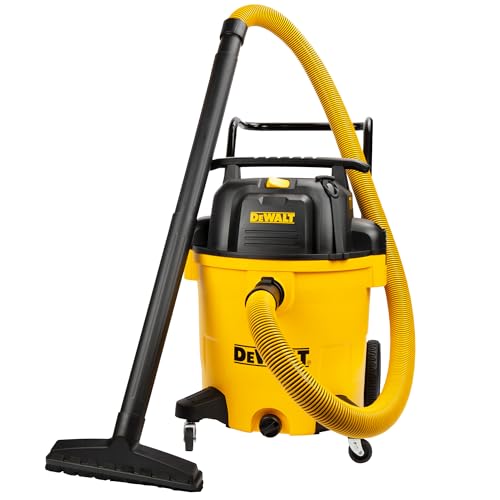

Our Top 3 Picks at a Glance
Each pick suits a different kind of project, from full room drywall sanding to quick cleanups after cutting trim.
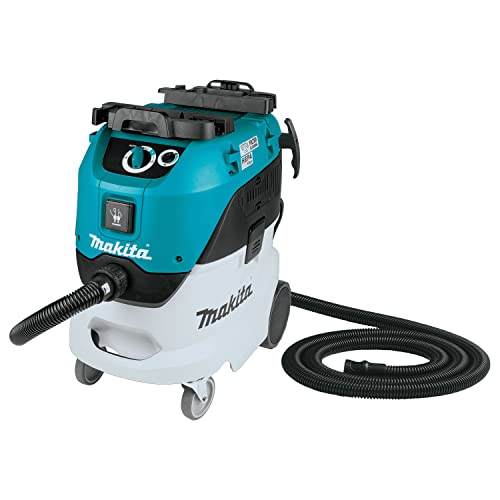
- Best Overall: Makita VC4210L 11 Gallon Wet/Dry HEPA Dust Extractor (around $815). A 12 amp motor, 148 CFM, HEPA filtration, automatic filter cleaning and a tool activated outlet.
- Runner Up: DEWALT 20V MAX 2 Gallon Cordless/Corded Wet Dry Vacuum DCV581H (around $200). Runs on cord or a 20V MAX battery, with a HEPA filter and onboard accessory storage.
- Best Value: Vacmaster Blue Line 12 Gallon 5 Peak HP Wet/Dry Vacuum VBV1210 (around $165). 106 CFM of airflow, a detachable blower and 22 feet of cleaning reach.
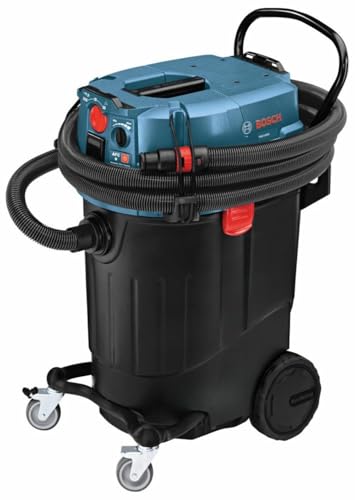
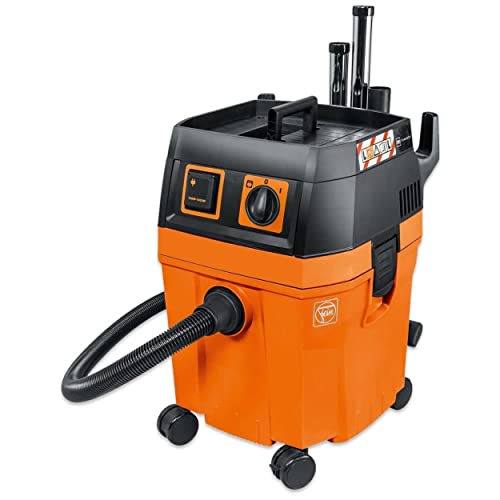
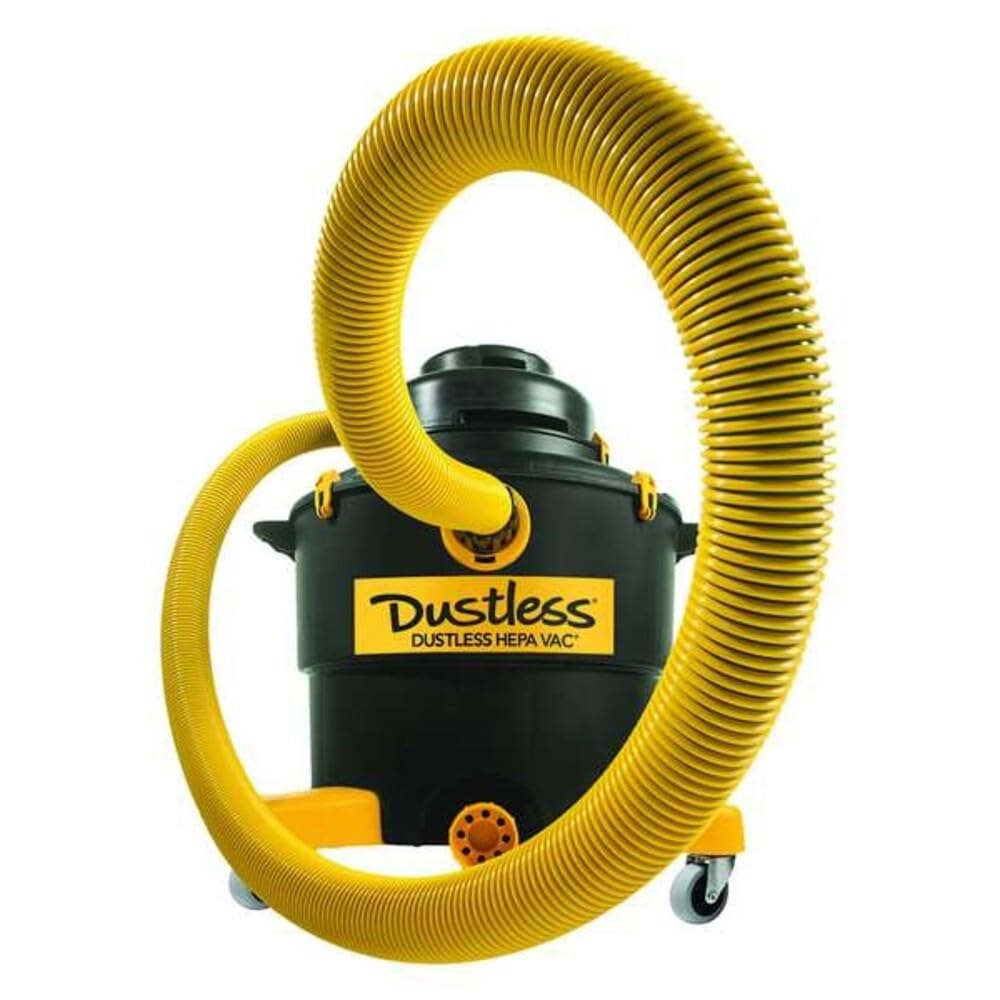
The product table above adds more dust extractors and shop vacs from DEWALT, Bosch, Fein, Dustless Technologies, Makita and CRAFTSMAN.
How We Chose the Best Shop Vacuum for Drywall Dust
We focused on fine dust control first: HEPA or fine dust filtration, filter cleaning systems and how well suction holds up as the filter loads. Airflow, tank capacity, hose size and tool activated starting came next. Owner feedback mattered, and machines that are well reviewed by a large base of buyers, especially contractors and remodelers, ranked higher. Price was weighed against features and warranty, and every pick is a current model in stock on amazon.com.
Shop Vacuum for Drywall Dust Reviews
1. Makita VC4210L 11 Gallon Wet/Dry HEPA Dust Extractor: Best Overall
- Capacity: 11 gallons, wet and dry
- Motor: 12 amp, 148 CFM and 92 inches of water lift
- Filtration: HEPA filter captures 99.97% of particles 0.3 microns and larger
- Two stage filtration: main flat filter captures 99.95% of particles 2 microns and larger
- Filter care: automatic filter cleaning system
- Tool outlet: starts and stops with your tool, with a 10 second off delay
Why We Picked It
For drywall sanding and woodworking, a true dust extractor is in a different league from a basic shop vac, and the Makita VC4210L is our top choice for HEPA dust extraction. Its HEPA filter captures 99.97% of particles 0.3 microns and larger, and a two stage system with a main flat filter catches most particles before they reach it. That is the level of filtration fine joint compound dust demands.
The automatic filter cleaning system is what keeps it working. Drywall dust cakes onto filters quickly, and on an ordinary shop vac suction can fade within minutes of sanding. Automatic cleaning knocks dust off the filter as you work, extending filter life and keeping airflow strong through long sessions. The 12 amp motor generates 148 CFM and 92 inches of water lift, plenty for sanders, saws and floor cleanup.
The onboard tool activated power outlet is a real convenience. Plug a sander or saw into the vacuum and it starts and stops with the tool, then runs for 10 seconds after you stop to clear the hose. That means you capture dust at the source rather than chasing it across the floor afterward, which is the single best way to keep a renovation clean.
It is wet/dry capable, so it can handle spills as well. The downsides are price and bulk: it costs far more than a standard shop vac and is a large machine to carry up and down stairs. For remodelers and serious DIYers, the dust control is worth it.
Pros
- True HEPA dust control
- Automatic filter cleaning keeps suction strong
- Tool triggered start with clearing delay
- Wet and dry capable
Cons
- Expensive
- Bulky and heavy to carry
Who Should Buy It
The Makita suits remodelers, contractors and DIYers sanding drywall or doing regular woodworking who want dust captured at the tool. At around $815, it is our best overall pick.

2. DEWALT 20V MAX 2 Gallon Cordless/Corded Wet Dry Vacuum DCV581H: Runner Up
- Power: corded or cordless with a 20V MAX battery (sold separately)
- Tank: 2 gallons, wet and dry
- Filter: HEPA, washable and reusable
- Hose: 5 feet by 1 1/4 inch, flexible
- Accessories: wide gulper nozzle and crevice tool
- Storage: integrated onboard accessory storage
Why We Picked It
Not every drywall job needs a full size extractor. Patching a few holes, cleaning up after cutting an outlet or vacuuming dust from a work van calls for something you can grab and carry with one hand. The DEWALT DCV581H is a portable wet dry vac for vehicles, boats and jobsites, and its HEPA filter makes it far better suited to fine dust than budget compact vacs.
Its biggest strength is flexibility. It runs on a cord when you are near an outlet, or on any DEWALT 20V MAX battery when you are not. Contractors and homeowners who already own DEWALT drills and saws can use the batteries they have, which makes it one of the best options if you want a best cordless handheld vacuum for drywall dust style tool that also handles larger cleanups.
The washable, reusable HEPA filter is easy to reach, so you can tap it clean between tasks. A flexible 5 foot hose, a wide gulper nozzle and a crevice tool cover floors, corners and window tracks, and onboard storage keeps everything together on the jobsite. The 2 gallon tank also handles wet messes, from a spilled bucket to a clogged sink.
The small tank fills quickly on bigger sanding jobs, and the battery is sold separately, which adds cost if you are not already on the DEWALT platform. As a portable, HEPA equipped cleanup vac, though, it is hard to beat.
Pros
- Cord or battery flexibility
- HEPA filter for fine dust
- Portable with onboard storage
- Large base of owner reviews
Cons
- Battery sold separately
- Small 2 gallon tank
Who Should Buy It
The DCV581H suits DEWALT users, tradespeople and homeowners who need a portable HEPA vac for spot cleanups, vehicles and small drywall repairs. At around $200, it is our runner up.

3. Vacmaster Blue Line 12 Gallon 5 Peak HP Wet/Dry Vacuum VBV1210: Best Value
- Tank: 12 gallons, wet and dry
- Power: 5 peak HP, 106 CFM airflow
- Blower: detachable, up to 210 MPH, one hand release
- Reach: 22 feet with hose and power cord
- Storage: onboard accessory and cord storage
- Mobility: wide stance casters, balanced top handle, large drain port
Why We Picked It
For big wet and dry jobs in garages and basements, the Vacmaster VBV1210 delivers a lot of capability for the money. Its 12 gallon tank holds plenty of debris from a renovation cleanup, and 106 CFM of airflow sucks up drywall chunks, sawdust, screws and wet messes alike. It is a strong choice for the best garage vacuum for drywall dust and general shop work on a budget.
The detachable blower adds real value. Release it with one hand and you have a blower with speeds up to 210 MPH for clearing sawdust from benches, leaves from the garage floor or debris from a workshop corner. With 22 feet of reach between the hose and power cord, you can cover a large space without constantly moving the vac.
Practical details make it easy to live with. Onboard storage keeps accessories and the cord organized, wide stance casters and a balanced top handle make it easy to roll and lift, and a large drain port lets you empty water quickly after wet pickup.
For fine drywall dust, pair it with a fine dust filter or a drywall rated filter bag, because a standard cartridge will clog quickly and pass very fine particles. It is also bulky to store and loud, like most shop vacs of this size.
Pros
- Large 12 gallon capacity
- Detachable blower included
- Good airflow for the price
- Easy to move and drain
Cons
- Needs a fine dust filter or bag for drywall
- Bulky to store and loud
Who Should Buy It
The Vacmaster suits homeowners who want one machine for garage cleanup, basement water and renovation debris, and who are willing to add a fine dust filter for drywall. At around $165, it is our best value pick.

Handling Fine Drywall Dust and Sawdust
Drywall dust and fine sawdust behave differently from ordinary dirt, so a few setup choices matter as much as the vacuum itself.
Fine dust filters and bags
Use a HEPA cartridge or a fine dust filter, and add a filter bag inside the tank when you can. The bag catches most of the dust before it reaches the filter, so suction stays strong and emptying is cleaner.
Tool triggered operation
Connecting a sander or saw to a vacuum with a tool activated outlet captures dust at the source. It is the best way to keep dust off walls and floors in the first place.
Protecting the motor
Fine dust that slips past a poor filter can reach the motor and shorten its life. A cyclone separator in front of the vac also helps by dropping most debris into a bucket before it reaches the filter.
Technique matters as well. Sand with the vacuum attached rather than cleaning up afterward, close off the work area with plastic sheeting and turn off the HVAC system so fine dust is not pulled through the house. When the job is done, the best shop vacuum for drywall dust still needs a final slow pass along baseboards and window sills, where the finest particles settle last.
How to Choose the Best Shop Vacuum for Drywall Dust
These points will help you narrow the field. For general shop vac advice, see our guide to the best shop vacuum and read how to choose a shop vacuum.
Tank Capacity (Gallons)
Portable 2 to 5 gallon vacs suit spot cleanups, while 9 to 16 gallon models handle full room renovation debris. Dust extractors in the 8 to 14 gallon range balance capacity with portability.
Peak Horsepower and Airflow (CFM)
Peak horsepower figures are often inflated. Airflow in CFM and water lift tell you more about real suction. For sanding, around 100 CFM or more works well.
Filters for Fine Dust
HEPA filtration is the gold standard for drywall dust. Automatic or push button filter cleaning keeps suction strong during long sessions. If you work with lots of fine particles, also see our picks for the best shop vacuum for dust.
Hose Diameter and Length
Narrower hoses around 1 1/4 inches fit tool ports and keep air speed high for fine dust. Wider 2 1/2 inch hoses suit bulky debris. Longer hoses add reach but slightly reduce suction.
Noise Level (dB)
Shop vacs are loud. Dust extractors and quiet series vacs reduce noise noticeably, which matters indoors and on long jobs.
Portability, Wheels and Storage
Good casters, a solid handle and onboard storage make a vac easier to move between rooms and floors. Wall mount and compact models save space in small garages.
Blower Port and Accessories
A blower port or detachable blower adds versatility. Useful accessories include a drywall or floor nozzle, crevice tool and tool adapters. Pet owners can also see the best shop vacuum for pet hair.
FAQs About Shop Vacuums for Drywall Dust
Can a garage vacuum be used for drywall dust?
Yes, if it has the right filtration. A standard garage shop vac will clog quickly and leak fine dust, so fit it with a HEPA or fine dust cartridge and a filter bag. For frequent sanding, a dust extractor with automatic filter cleaning works far better.
How long does a shop vacuum last?
A quality shop vacuum often lasts many years, and dust extractors built for contractors last longer still. Using proper filters for fine dust, cleaning or replacing filters regularly and emptying the tank before it overfills all protect the motor and extend its life.
Is a shop vacuum worth the money?
For anyone doing renovation, woodworking or garage cleanup, yes. A shop vac handles debris, fine dust and water that would destroy a household vacuum. Paying more for HEPA filtration is worthwhile if you sand drywall or work indoors often.
How much should I spend on a shop vacuum?
Basic shop vacs cost around $60 to $170, portable HEPA wet dry vacs around $170 to $250, and professional dust extractors around $500 to $800. Spend more if you sand drywall regularly or need tool activated dust collection.
How do I maintain a shop vacuum?
Empty the tank after each job, tap or wash the filter and let it dry fully, and replace filter bags when they fill. Check the hose for clogs and cracks, and store the vac with the cord wrapped and accessories organized. Our guide on how to use a shop vacuum covers more tips.
Final Verdict
The Makita VC4210L is the best shop vacuum for drywall dust for most remodelers and serious DIYers, thanks to HEPA filtration, automatic filter cleaning and a tool activated outlet. The DEWALT DCV581H is the portable runner up for quick cleanups and DEWALT battery owners, while the Vacmaster VBV1210 is the value pick for garage and basement work when paired with a fine dust filter. Check today's price on Amazon before you buy.


