
How Does a Wet Dry Vacuum Work: Expert Tips and Step by Step Guide
Disclosure: We may earn a commission when you buy through links on this page, at no extra cost to you. As an Amazon Associate I earn from qualifying purchases. Learn more
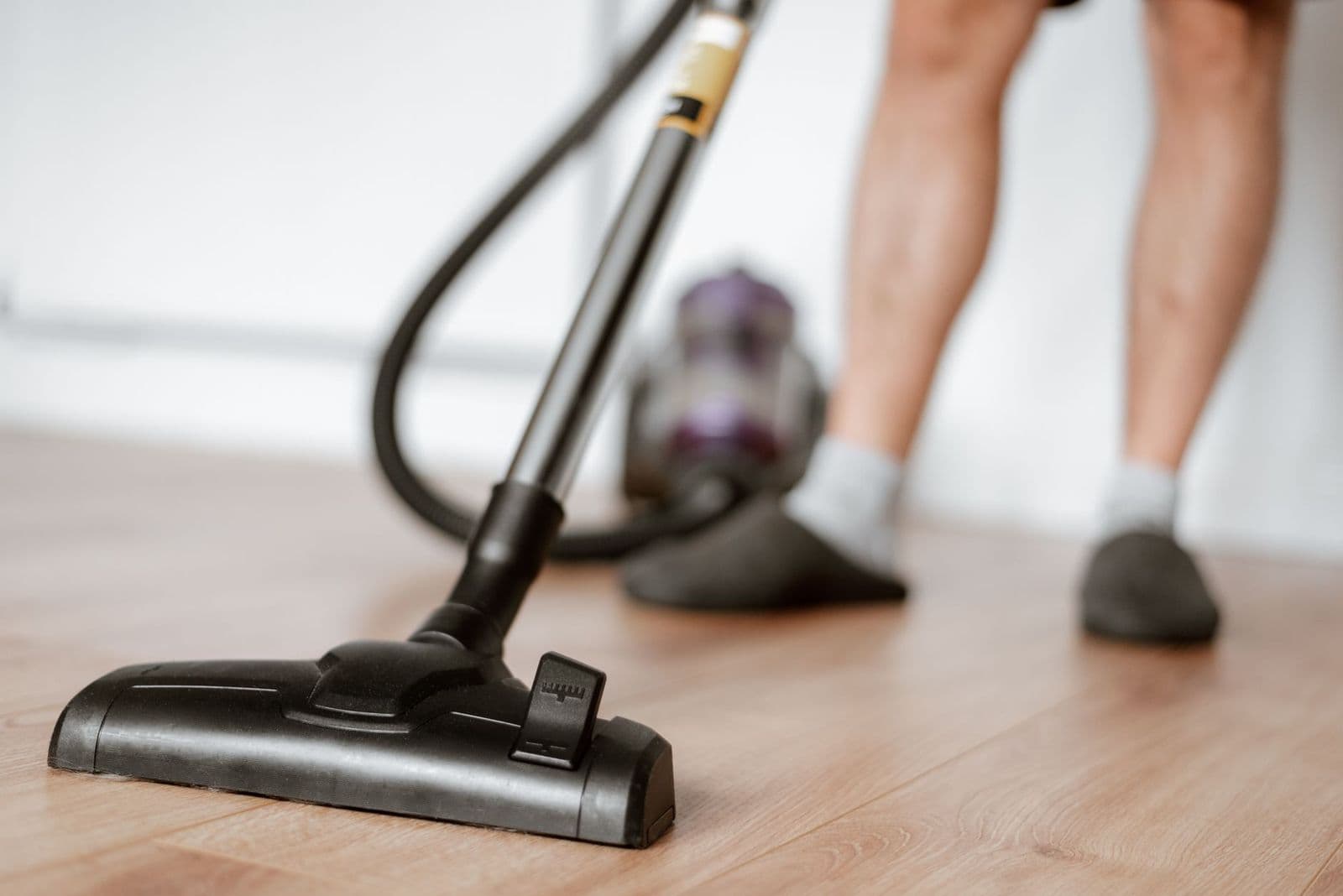
How does a wet dry vacuum work? Suction, tank, filter and float explained for shop vacs and floor cleaners, plus uses, types and pros and cons.
A wet dry vacuum works by using a powerful motor and fan to create suction that pulls air, debris and liquid through a hose into a sealed tank. As the air slows down inside the tank, heavy dirt and water drop out, a filter catches fine dust, and a float shuts off airflow before the tank overfills. That, in short, is how does a wet dry vacuum work, and the same basic idea applies whether you own a classic shop vac or a modern floor cleaner that mops and vacuums in one pass.
Below you will find a plain English look at the main parts, the jobs these machines handle best, the different types on the market and the honest pros and cons, so you can decide if one belongs in your garage or closet.
What Is a Wet Dry Vacuum?
A wet dry vacuum is a cleaning machine built to pick up both dry debris and liquids without damaging its motor. A regular household vacuum would short out or ruin its filter if you tried to suck up a spill, but a wet dry vac keeps the water away from the electrical parts.
The term covers two main groups. The first is the traditional shop vac, a canister on wheels with a long hose that handles sawdust, drywall dust, gravel, flooded floors and clogged drains. The second is the newer wet dry floor cleaner, sometimes called a vacuum mop. These upright machines have a clean water tank, a spinning brush roller and a dirty water tank, and they are designed for sealed hard floors inside the home.
Both share the same core trick of separating liquid from the air before it reaches the motor, but they are built for very different messes.
How Does a Wet Dry Vacuum Work?
A shop style wet dry vac has a handful of parts that work together:
- Motor and fan. Mounted in the lid, the motor spins a fan that pushes air out of the unit, which lowers the pressure inside the tank and creates suction at the hose.
- Hose and nozzles. Debris and liquid travel through the hose, and different tools such as a floor nozzle, crevice tool or squeegee shape the airflow for each job.
- Collection tank. When the fast moving air enters the wide tank, it slows down sharply. Water, sludge and heavy debris lose momentum and fall to the bottom.
- Filter. A cartridge, bag or foam sleeve sits between the tank and the fan. It traps fine dust in dry mode and protects the motor from mist in wet mode.
- Float shutoff. A ball or cage float rises with the water level. When the tank is nearly full, it blocks the air path and the suction drops, telling you it is time to empty.
- Bypass cooling. Most shop vac motors are cooled by a separate air path, so the dirty working air never passes over the motor windings.
A wet dry floor cleaner adds a second system. A pump sprays water and cleaning solution from the clean water tank onto a soft roller brush, which scrubs the floor while suction pulls the dirty water back into a separate tank. Many models then run a self cleaning cycle in their dock, flushing the roller and tubes so they do not develop odors.
What Is a Wet Dry Vacuum Used For?
If you are wondering what is a wet dry vacuum used for, the short answer is any mess that a normal vacuum or mop struggles with. Here are common uses by area.
Area Rugs
A shop vac with a wide floor nozzle lifts grit, pet hair and sand out of rugs that are too heavy to shake out. For spills, quick wet pickup helps pull liquid out before it soaks into the backing.
Basements
This is where shop vacs earn their keep. They pull standing water off concrete after a leak, collect dust and cobwebs from rafters and clean up after a sump pump or water heater problem.
Boats & RVs
Compact wet dry vacs are handy for bilges, cabins, floor mats and the tight corners of an RV. Their sealed tanks handle sand, damp debris and small spills in one tool.
Carpet
A wet dry vac can pull up spilled liquid and help rinse carpet after spot cleaning. Pairing it with an upholstery or squeegee attachment makes pet accidents and drink spills easier to recover.
Daily Cleaning & Busy Families
For households with kids and pets, a wet dry floor cleaner handles crumbs, juice and muddy paw prints on hard floors in a single pass, which saves vacuuming first and mopping second.
Types of Wet Dry Vacuums
Wet dry vacuums come in several formats, and each suits a different kind of user.
- Canister shop vacs. The classic design, with tanks ranging from small portable sizes to large drums for garages and job sites. They offer strong suction and big capacity.
- Portable and wall mounted shop vacs. Smaller tanks that are easy to carry or hang in a garage, often with long hoses to reach a car interior.
- Cordless wet dry vacs. Many tool brands offer battery models that share packs with their drills and saws, ideal for quick cleanups away from an outlet.
- Wet dry floor cleaners. Upright machines with clean and dirty water tanks, a powered roller and often a self cleaning dock, made for sealed hard floors and small area rugs.
- Handheld wet dry vacs. Small units for car seats, spills on counters and stairs.
Pros and Cons
Pros:
- Handles liquids, mud and heavy debris that would ruin a regular vacuum.
- Large tanks mean fewer trips to empty during big jobs.
- Useful across the garage, basement, workshop, car and home.
- Floor cleaner models vacuum and mop in one step.
Cons:
- Shop vacs tend to be loud and bulky to store.
- Filters must be swapped or dried between wet and dry use on many models.
- Tanks need rinsing after wet jobs to avoid odors.
- Floor cleaners are not meant for deep carpet cleaning.
Is a Wet Dry Vacuum Right for You?
A shop style wet dry vac makes sense if you have a garage, basement, workshop or vehicle to keep clean, or if your home has ever had a leak. It is one of those tools that seems optional until the day the water heater fails.
If most of your floors are sealed hardwood, tile or vinyl and you spend a lot of time mopping, a wet dry floor cleaner is the better fit. Many homes end up owning both, because the jobs barely overlap.
Frequently Asked Questions
Do you need to change the filter for wet pickup?
Often, yes. Many shop vacs use a paper cartridge for fine dry dust and recommend a foam sleeve for liquids, because a wet paper filter can clog or tear. Some cartridges are rated for both wet and dry use. Check your manual, and always let a filter dry fully before switching back to dry debris.
How does a wet vacuum work?
A wet vacuum sprays clean water or solution onto the surface, scrubs it with a brush and then uses suction to pull the dirty liquid into a separate recovery tank. When people ask how does a wet vacuum work, they usually mean liquid focused machines such as floor cleaners and carpet extractors, which keep clean and dirty water apart in two tanks.
What is a wet vacuum used for?
A wet vacuum is used mainly for spills, flooding and washing floors. People use them to lift water from basements, clean up after pets, wash sealed hard floors and rinse carpet after spot treatment, which is the usual answer to what is a wet vacuum used for. They are not designed to pick up large amounts of dry dust, which is where a full wet dry model is more flexible.
Is a wet dry vacuum worth buying?
For most homeowners with a garage, basement or workshop, yes. One machine handles sawdust, leaves, spilled liquids and minor flooding, which no regular vacuum can do safely. Before you decide, our article on whether is a wet dry vacuum worth it covers the costs and tradeoffs in more detail.
How long does a wet dry vacuum last?
A shop vac that is emptied, rinsed and dried after wet jobs can last many years, since the motor has a simple design and is shielded from the dirty airstream. Floor cleaners have more parts, such as pumps and rollers, so regular self cleaning cycles and filter care make a real difference to their lifespan.
Final Thoughts
Now you know how does a wet dry vacuum work: suction pulls everything into a sealed tank, the slowing air drops out water and debris, a filter guards the motor and a float stops it from overflowing. To pick one, start with our roundup of the best wet dry vacuum models, or narrow it down with the best wet vacuum for hardwood floors and the best wet dry vacuum for pet hair. Our guide on where to buy a wet dry vacuum can help you find a good deal.


