
How to Choose an Ash Vacuum: Expert Buying Guide and Checklist
Disclosure: We may earn a commission when you buy through links on this page, at no extra cost to you. As an Amazon Associate I earn from qualifying purchases. Learn more

Metal canisters, fine filters, the right size and safe ash temperatures: a plain guide on how to choose an ash vacuum.
To choose an ash vacuum, start with a metal canister and a heat resistant metal hose, then look for fine ash filtration such as a HEPA or fire resistant cartridge, a capacity that matches how often you burn, and a clear rating for the ash temperature it can handle. That is the short answer to how to choose an ash vacuum. The rest of this guide explains each feature, typical prices, sizing and the mistakes that send fine ash straight back into your living room.

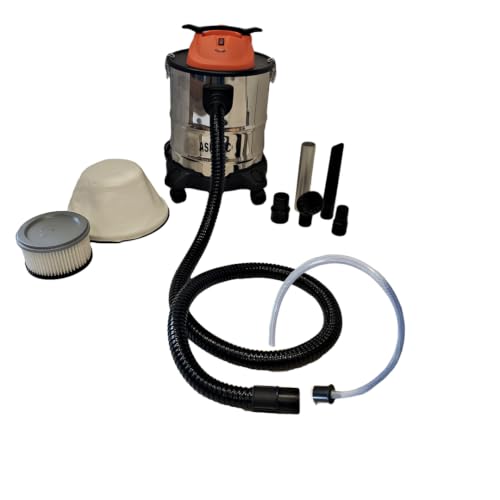

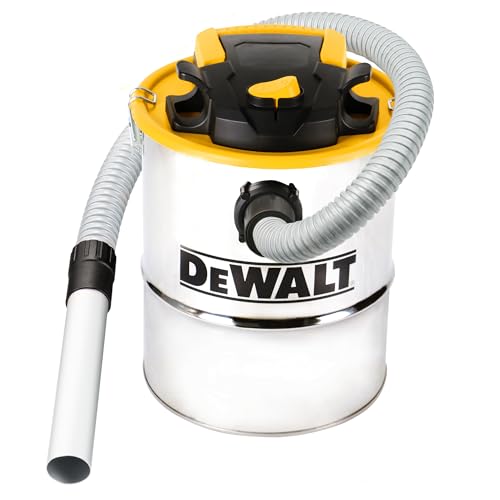
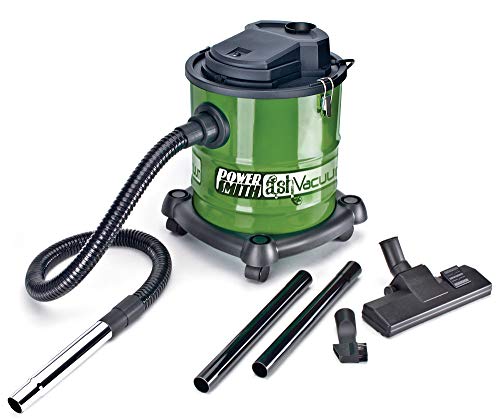
What Is an Ash Vacuum and Do You Need One?
An ash vacuum is a small canister vacuum built to collect fireplace ash, soot and pellet stove residue. A household vacuum can be damaged by ash, its bag or filter can clog in minutes, and fine particles blow out of the exhaust. If you burn wood or pellets more than a few times a season, an ash vacuum makes cleanup faster and far less dusty. Many owners also use one for grills, fire pits and pizza ovens, which answers the common question of what is an ash vacuum used for.
Main Types of Ash Vacuums
Compact corded ash vacuums with a 2.5 to 3.5 gallon canister suit occasional fireplace users who want something light and easy to store.
Standard 4 to 5 gallon models are the most common. They suit wood stove owners who clean weekly, and many double as a small shop vac for dry debris.
Pellet stove and heavy duty models add stronger motors, dual or HEPA filters and sometimes a rating for warm ash. They suit people who burn daily through winter.
Ash vacuums with a blower port, such as the PowerSmith PAVC102, let you reverse the hose to blow dust out of corners or a grill.
How to Choose an Ash Vacuum: Key Features to Consider
Metal Canister and Heat Resistance
A metal canister is the defining feature. Plastic tanks can melt or crack if a hidden ember gets inside. Check the maker's rating carefully: some models are designed only for cold ash, while others list warm ash below a set temperature, often 104 degrees F (40 degrees C).
Fine Ash Filtration
Ash particles are tiny, so a good fine dust filter matters more than raw suction. Look for HEPA, dual stage or fire resistant cartridge filters plus a pre filter or mesh cover that protects the main filter from clogging.
Suction and Capacity
Motors in this class usually run around 7 to 10 amps. A 4 to 5 gallon canister covers most homes, while a pellet stove that you clean often benefits from the larger size so you empty it less.
Hose Material
Choose a metal or wire wound hose, not a plain plastic one. A longer hose plus an extension wand helps you reach the back of a deep firebox without dragging the canister onto the hearth.
Filter Cleaning and Replacement
Washable filters save money, but they must dry fully before reuse. Check that replacement filters are easy to find and reasonably priced, since you will need them every season.
Safety: Cold Ash Only
Ash can hide live embers for a day or more. Wait until the ash is completely cold unless your model is rated for warm ash, and even then stay within the stated temperature. Never vacuum glowing coals or hot ash.
How Much Should You Spend?
Entry level ash vacuums cost around $55 to $80 and suit occasional fireplace cleanups. Mid range models around $90 to $140 add larger canisters, better filtration and features like dual HEPA filters or a blower port. Premium pellet stove vacuums made for heavy use can cost around $300. So, how much does an ash vacuum cost? For most homes, the mid range is the sweet spot.
Where to Buy an Ash Vacuum: Amazon vs Big Box Stores vs Specialty Shops
Amazon offers the widest selection, verified owner reviews and fast delivery. Big box stores let you see the unit before buying, and hearth and stove shops give expert advice on pellet stove models. Compare return policies and warranty support wherever you shop.
What Size Ash Vacuum Do You Need?
Match the canister to how often you burn and how much ash your fireplace or stove produces. This quick guide answers what size ash vacuum do I need for most homes.
| How you burn | Suggested capacity | Notes |
|---|---|---|
| Occasional fireplace, small home | 2.5 to 3.5 gallons | Light and easy to store |
| Weekly wood stove use | 4 gallons | Most popular size |
| Daily pellet stove or insert | 5 gallons | Fewer trips to empty |
| Several fireplaces or large home | 5 gallons plus spare filter | Choose stronger filtration |
Is an Ash Vacuum Worth Buying?
For regular wood or pellet burners, yes. An ash vacuum saves time, keeps fine dust out of the air and protects your household vacuum from damage. If you only light a fire a few times a year, a metal ash bucket and shovel may be enough, but if you are still asking is an ash vacuum worth it, the answer for most regular burners is yes.
Common Buying Mistakes to Avoid
Most regrets come from skipping one of the basics covered above. Keep these mistakes in mind as you compare models for your home.
- Buying a plastic canister vacuum for ash.
- Ignoring the temperature rating and vacuuming warm ash in a cold ash only model.
- Choosing a basic filter that lets fine ash blow out of the exhaust.
- Forgetting the cost and availability of replacement filters.
- Picking a hose so short that you drag the canister into the hearth.
Frequently Asked Questions
How does an ash vacuum work?
An ash vacuum pulls ash through a heat resistant metal hose into a metal canister, where a fine filter traps the dust before air leaves the exhaust. The filters are the key difference from a regular vacuum, since they catch tiny ash particles that would otherwise blow back into the room.
How long does an ash vacuum last?
With regular filter cleaning and proper use, an ash vacuum can last many seasons. Filters wear first, so replace them when they stay clogged after cleaning, and avoid vacuuming warm ash beyond the stated rating.
How much does an ash vacuum cost?
Most ash vacuums cost around $55 to $140, and premium pellet stove models can reach around $300. The extra money usually buys a larger canister, better filtration, a longer warranty or a rating for warm ash. Budget a little more each year for replacement filters.
Is an ash vacuum worth buying?
Yes, if you burn wood or pellets regularly. An ash vacuum makes cleanup faster and cleaner, keeps fine dust out of the air you breathe and protects your household vacuum from damage. Occasional fireplace users can get by with a metal bucket and shovel.
What is the best brand of ash vacuum?
There is no single best brand. PowerSmith, DEWALT, Shop-Vac, Pellethead and Loveless all sell well regarded models, so compare canister, filter and temperature rating rather than the name alone. Read reviews for the exact model you plan to buy, focusing on filter life and how well the seals hold fine dust.
Final Thoughts
Knowing how to choose an ash vacuum comes down to a metal canister and hose, fine filtration, the right size and a clear temperature rating. For specific picks, see our best ash vacuum guide, our list of the best ash vacuum for garages, and our tips on how to use an ash vacuum safely.


