
How to Use an Ash Vacuum the Right Way: Easy Step by Step Guide
Disclosure: We may earn a commission when you buy through links on this page, at no extra cost to you. As an Amazon Associate I earn from qualifying purchases. Learn more
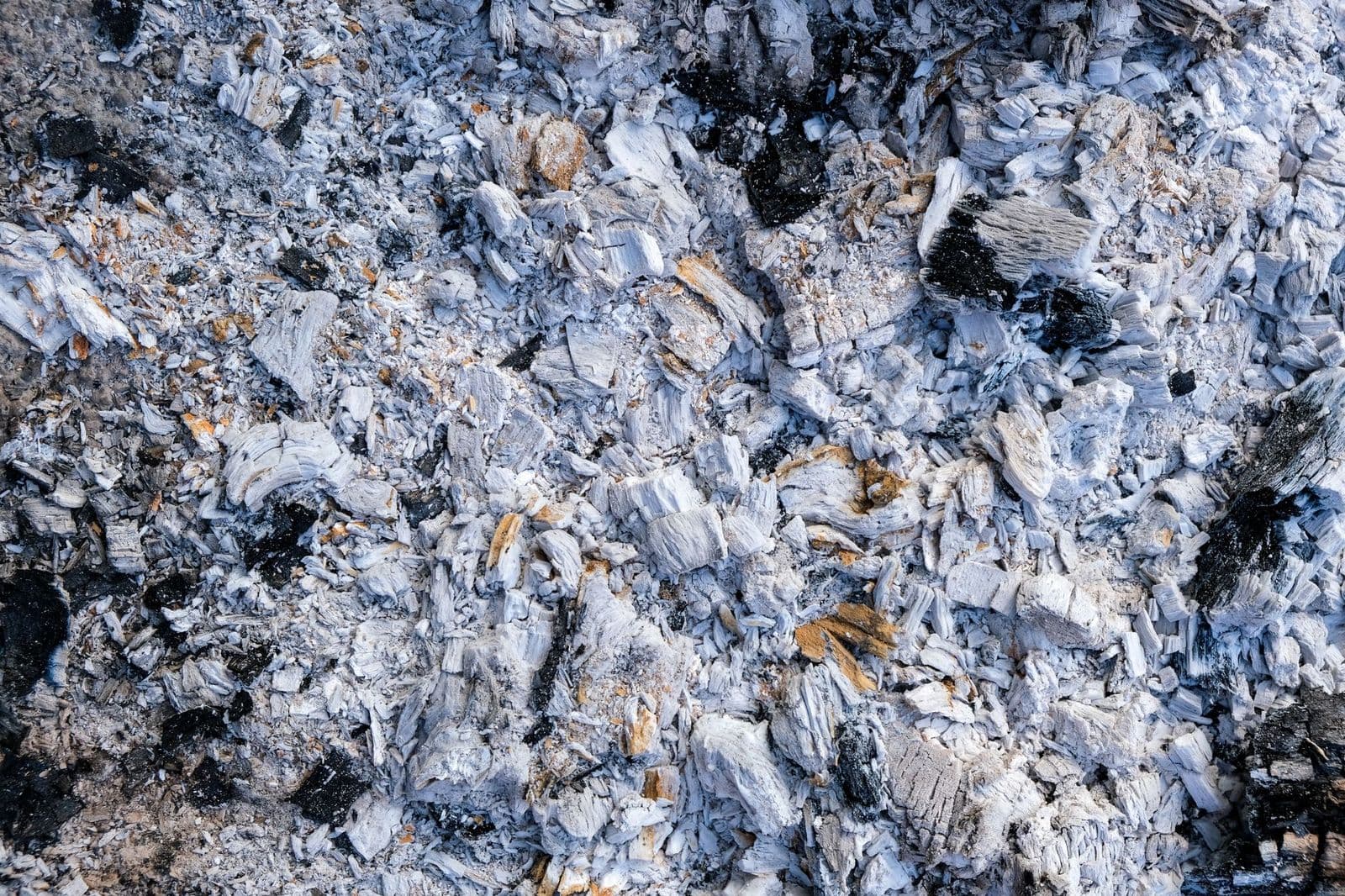
How to use an ash vacuum safely: cold ash only, slow passes, canister emptying and filter care for fireplaces and pellet stoves.
Here is how to use an ash vacuum the right way: wait until the ashes are completely cold, check that the filter and metal canister are clean and in place, then work the metal nozzle slowly through the firebox in short, overlapping passes. Empty the canister outdoors into a metal container, tap the filter clean and store the vacuum away from heat. Done this way, an ash vacuum keeps fine dust out of your living room and makes fireplace and pellet stove cleanup a five minute job.
The steps below cover safety, the cleaning routine itself, maintenance and the mistakes that cause dust clouds, clogged filters or worse.
Before You Start: Safety and Prep
Ash can hide live embers long after a fire looks dead, so let the fireplace or stove cool fully, ideally until the ash feels cold to the back of your hand held just above it. Never vacuum glowing coals or warm ash, even with a metal canister. Open the damper slightly so any stirred dust drifts up the flue, lay an old sheet or drop cloth in front of the hearth and wear a dust mask if you are sensitive to fine particles.
Check that the power cord or battery is in good condition and that the hose is firmly attached. Keep children and pets out of the area while you work.
How to Use an Ash Vacuum Step by Step
Step 1: Make sure the ash is completely cold
Give the fire plenty of time to die out. If in doubt, stir the ash gently with a poker and look for any glow or warmth before you start.
Step 2: Check the canister and filter before you start
Empty any leftover ash from the last session and make sure the filter is seated correctly. A full canister or clogged filter cuts suction and pushes fine dust back into the room.
Step 3: Vacuum in slow, overlapping passes
Hold the metal nozzle just above the ash rather than plunging it in. Move slowly from the back of the firebox to the front, overlapping each pass so you lift ash without throwing it into the air.
Step 4: Use the nozzle for grates, corners and stove interiors
Work around andirons, grates and pellet stove burn pots with the narrow end of the nozzle. Lift out loose grates first if they block access to the corners.
Step 5: Empty the canister and clean the filter
Take the vacuum outside, tip the ash into a metal bucket with a lid and tap the filter clean over the bucket. Never empty ash into a plastic trash can or paper bag.
Step 6: Store it safely
Store the vacuum in a dry spot away from the fireplace, stove and any heat source. Coil the hose loosely so it does not kink.
How to Clean and Maintain an Ash Vacuum
Knowing how to maintain an ash vacuum keeps suction strong and the filter doing its job. A few minutes after each use is enough.
Empty the canister every time
Ash packs down and absorbs moisture, which can corrode metal and choke airflow. Empty the canister after every session, even if it looks only partly full.
Clean or replace filters
Fine ash clogs filters quickly. Tap or brush the filter clean after each use, and replace it according to the manual or when it stays gray and dense after cleaning. Only wash a filter if the maker says it is washable, and let it dry fully before refitting.
Inspect the metal hose and nozzle
Check the hose for dents, cracks or loose fittings, and make sure the nozzle is not bent. Damage lets air leak and reduces suction at the tip.
Check hoses for clogs
If suction drops, detach the hose and look through it toward a light. Push out clogs gently with a broom handle rather than anything sharp.
Clean attachments
Wipe soot from the nozzle and any brush attachments with a dry cloth. Wet cleaning turns ash into a paste, so keep water away unless the manual allows it.
Battery care (cordless models)
Charge cordless ash vacuums at room temperature, keep batteries away from the hearth and recharge them before long storage breaks.
Pro Tips for Better Results
- Clean the fireplace on a schedule, such as once a week in heating season, so ash never builds up too deep.
- Leave a thin layer of ash in a wood burning fireplace if your stove maker recommends it, since it can insulate the firebox floor.
- Use a fine dust or HEPA style filter if anyone in the house has allergies.
- For stove glass and hearth tiles, vacuum first, then wipe with a dedicated glass cleaner.
- Keep a spare filter on hand so you are never stuck mid season.
Pellet stove owners should also vacuum the burn pot and ash trap regularly, since packed ash there can affect how the stove lights and burns. Check your stove manual for how often the maker suggests cleaning these areas.
Common Mistakes to Avoid
- Vacuuming warm ash or hidden embers.
- Using a regular household vacuum, which can be damaged by fine ash and is not built for heat.
- Letting the canister overfill, which blows dust back into the room.
- Emptying ash into plastic bins or bags.
- Skipping filter cleaning, which kills suction within a few sessions.
Frequently Asked Questions
How often should I clean an ash vacuum?
Empty the canister and tap the filter clean after every use, and give the hose, nozzle and attachments a quick check once a month during heating season. Replace the filter whenever cleaning no longer restores suction. Knowing how to clean an ash vacuum properly is the single best way to keep it working.
Can an ash vacuum pick up hot embers?
No. Ash vacuums are made for cold ash, even though they use metal canisters and hoses. Warm embers can damage the filter or start a fire inside the canister, so always wait until the ash is completely cold.
Can I use a regular shop vac for fireplace ash?
It is not recommended. Fine ash passes through standard filters and can damage the motor. An ash vacuum with a metal canister and fine dust filter is the safer choice. Our guide on how to choose an ash vacuum explains what to look for.
Can I use an ash vacuum for other cleanup jobs?
Many ash vacuums also handle dry debris such as wood chips, bark and sawdust around the hearth or workshop. Avoid liquids unless the model is rated for wet pickup, and clean the filter after dusty jobs so it is ready for the next fireplace session.
Final Thoughts
Once you know how to use an ash vacuum safely, fireplace and stove cleanup takes minutes: cold ash only, slow passes, an empty canister and a clean filter. To find a reliable model, see our picks for the best ash vacuum, or the best ash vacuum for garages if you also tackle workshop dust.


