How to Choose a Robot Window Cleaner: Features That Matter in 2026
Disclosure: We may earn a commission when you buy through links on this page, at no extra cost to you. As an Amazon Associate I earn from qualifying purchases. Learn more

Suction, safety ropes, pads, spray and edge sensors: a plain guide on how to choose a robot window cleaner for your home.
To choose a robot window cleaner, focus first on safety: strong suction, a rated safety rope and a backup battery that keeps it stuck to the glass if the power cuts out. Then compare pad shape, the spray system, edge detection for frameless glass, noise and how you control it. That is the short answer to how to choose a robot window cleaner. The rest of this guide explains each feature, typical prices, sizing and the mistakes to avoid before you buy.


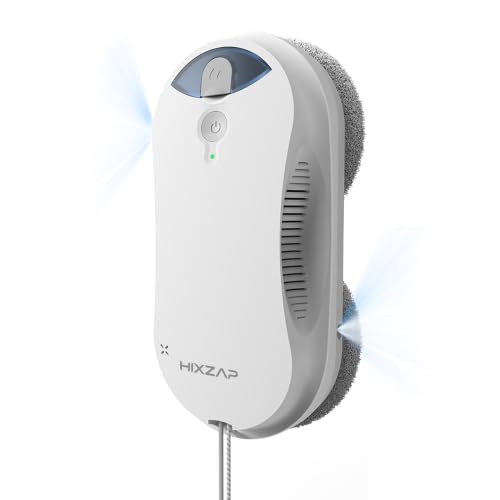
What Is a Robot Window Cleaner and Do You Need One?
A robot window cleaner is a small, flat window cleaning robot that holds itself to glass with suction and wipes it with microfiber pads while following a planned path. It is ideal for large windows, glass doors, shower screens and hard to reach panes. If you have tall windows, a sunroom or many glass doors, it can save hours and reduce ladder work. If you only have a few small windows, a squeegee may be enough.
Main Types of Robot Window Cleaners
Square pad robots use two rectangular pads on tracks. They reach right into corners and suit framed windows and large picture windows.
Round pad robots use spinning circular pads that scrub harder on stubborn spots but leave small uncleaned corners.
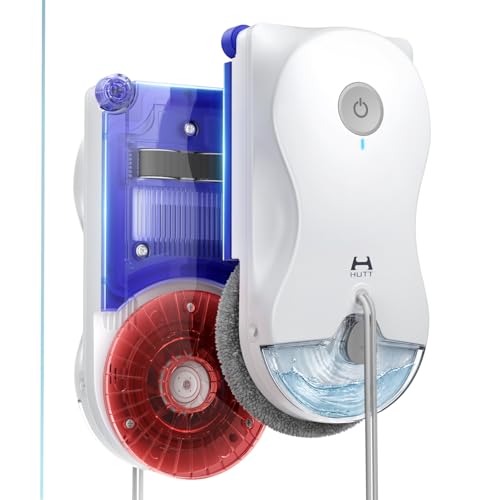
Hybrid round square robots, such as the HUTT Round Square design, combine a round pad for wet lifting with a square pad for polishing.
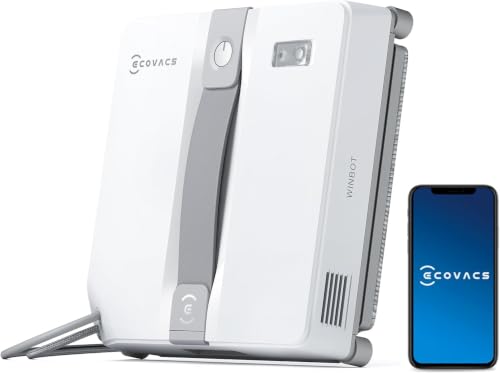
Station or Omni models, like the ECOVACS WINBOT W2 PRO Omni, add a portable station that stores the robot and supplies power.
Compact models such as the WINBOT Mini suit apartments, small windows and quick touch ups.
How to Choose a Robot Window Cleaner: Key Features to Consider
Suction and Safety Rope
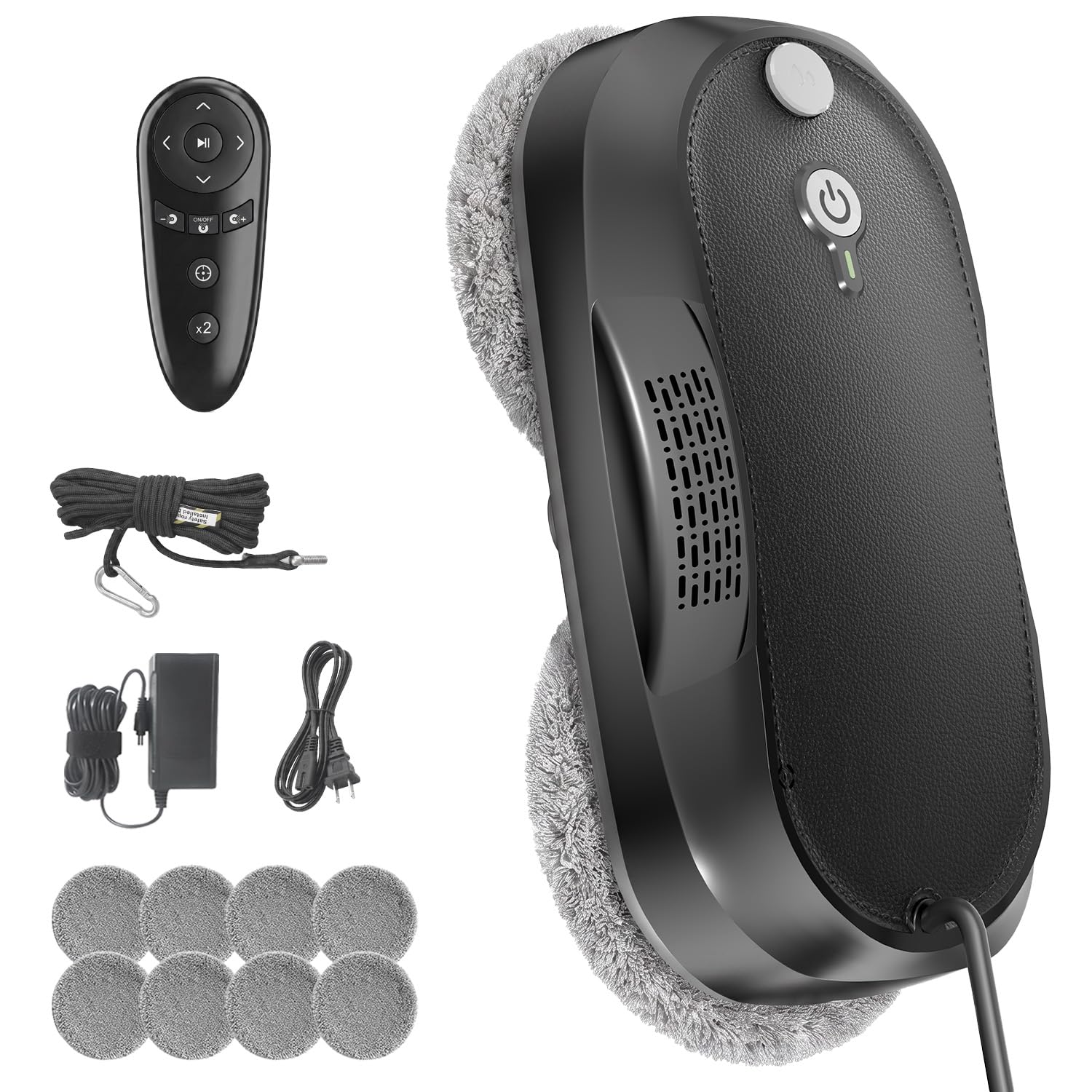
Suction keeps the robot on vertical glass, and models list it in pascals (Pa); current units commonly advertise around 6,000 Pa or more. Always use the included safety tether. Several current models include a rope rated to 220 kg (about 485 lb).
Square vs Round Pads
Square pads clean edges and corners more completely. Round pads scrub harder in the middle of the pane. Hybrid designs try to do both.
Spray System and Cleaning Modes
Look for an automatic spray nozzle system, ideally two or three nozzles, so you do not have to pre spray the glass. Several modes, such as quick, deep and spot cleaning, help with very dirty windows. Check the water tank size too: a larger tank covers more glass per refill, and a visible tank shows when it is time to top up. Use the cleaning solution the maker recommends to avoid clogged nozzles.
Edge Detection and Frameless Glass
Frameless glass, such as balcony railings and shower doors, needs reliable edge sensors so the robot does not fall off. Check that the model specifically supports frameless glass before you buy. Air pressure sensors and multiple edge sensors are a good sign, and you should still supervise the first few runs on any new surface.
Noise and Battery Backup
Window robots are noticeably loud because of their suction fans; some quieter models list around 65 dB. A built in backup battery that holds suction for 20 to 30 minutes during a power cut is an important safety feature.
App or Remote Control
A remote lets you start, stop and steer the robot, while app control adds schedules and mode selection. Either works; pick what you find easiest. A remote is often quicker for one off jobs, while an app is handy if you like to save settings for different rooms.
How Much Should You Spend?
Entry level robot window cleaners cost around $90 to $200 and handle routine cleaning of regular windows. Mid range models around $250 to $500 add stronger suction, better edge sensing and sometimes a station. Premium models with multifunction stations and advanced navigation cost around $700. So how much does a robot window cleaner cost? Most homes are well served in the $150 to $350 range.
Where to Buy a Robot Window Cleaner: Amazon vs Big Box Stores vs Specialty Shops
Amazon has the widest selection, verified owner reviews and easy returns. Big box stores carry fewer models but let you see them in person, while specialty retailers may offer longer warranties or setup help.
What Size Robot Window Cleaner Do You Need?
Robots are fairly similar in footprint, so choose by the glass you clean and how often. This table answers what size robot window cleaner do I need for most homes.
| Home or glass | Suggested type | Key feature |
|---|---|---|
| Apartment, small windows | Compact model | Light weight, simple setup |
| Typical house, framed windows | Square pad robot | Corner coverage |
| Sunroom, large picture windows | Mid range with strong suction | Coverage per tank, backup battery |
| Frameless railings, many glass doors | Station or hybrid model | Edge sensors, long power cord |
Is a Robot Window Cleaner Worth Buying?
For homes with lots of glass, tall windows or limited mobility, yes. A robot saves time and ladder climbing and gives a consistent clean. It will not replace a detailed hand clean for heavy grime or frames, and you still need to move it from pane to pane. If you are asking is a robot window cleaner worth it for only a handful of small windows, the answer is usually no.
Common Buying Mistakes to Avoid
Most disappointments come from mismatched expectations or skipped safety steps. Keep these points in mind while you compare models.
- Using it without the safety rope attached.
- Buying a round pad robot when corners matter most.
- Ignoring edge detection on frameless glass.
- Choosing a model without a backup battery.
- Expecting it to clean frames, tracks and very heavy dirt.
Frequently Asked Questions
How long does a robot window cleaner last?
With care, a robot window cleaner can last several years. Pads wear first and are easy to replace, and some models offer replaceable nozzles and tank caps. Keep the suction port clean, wash pads after use and store the robot with its cord coiled loosely to extend its life.
How much does a robot window cleaner cost?
Most cost around $90 to $350, while premium models with stations and advanced navigation run around $500 to $700. Higher prices usually bring stronger suction, better edge sensing and more convenient power options.
Is a robot window cleaner worth buying?
Yes, if you have many windows, large panes or hard to reach glass. A robot saves time, reduces ladder use and gives a consistent streak reduced finish on routine cleans. You will still clean frames, tracks and heavy grime by hand, so think of it as a helper for the glass rather than a full replacement for manual cleaning.
Is a robot window cleaner worth it for small homes?
Sometimes. A compact, affordable model can make sense for an apartment with big windows, a balcony door or a glass shower screen that you clean often. For a few small windows, a good squeegee and microfiber cloth are cheaper and nearly as fast. Consider how often you clean and how hard the glass is to reach.
What is the best brand of robot window cleaner?
There is no single best brand. ECOVACS WINBOT is one of the best known lines, and brands like HUTT, Tosima and HIXZAP offer strong alternatives at different prices. Compare safety features such as the rope rating and backup battery, pad type, spray system and edge sensing rather than choosing on brand alone.
Final Thoughts
Knowing how to choose a robot window cleaner comes down to safety, pad shape, spray system and edge detection. For specific models, see our picks for the best robot window cleaner, and read how to use a robot window cleaner and how to clean a robot window cleaner to keep it working well.