How to Choose a Robotic Pool Cleaner: Buying Guide for 2026
Disclosure: We may earn a commission when you buy through links on this page, at no extra cost to you. As an Amazon Associate I earn from qualifying purchases. Learn more
How to choose a robotic pool cleaner: pool type, corded vs cordless, wall climbing, filters, budget and sizing explained.
Start with your pool: its type, size and surfaces decide which robots will work. Then choose between corded and cordless power, check whether the robot climbs walls and scrubs the waterline, and compare filtration, navigation and how easy it is to lift out and empty. That, in short, is how to choose a robotic pool cleaner that keeps your water clear without constant babysitting.
Price matters too, and robots range from a couple hundred dollars to well over a thousand. This guide explains the main types, the features worth paying for, sensible budgets, sizing and the mistakes that lead to returns.
What Is a Robotic Pool Cleaner and Do You Need One?
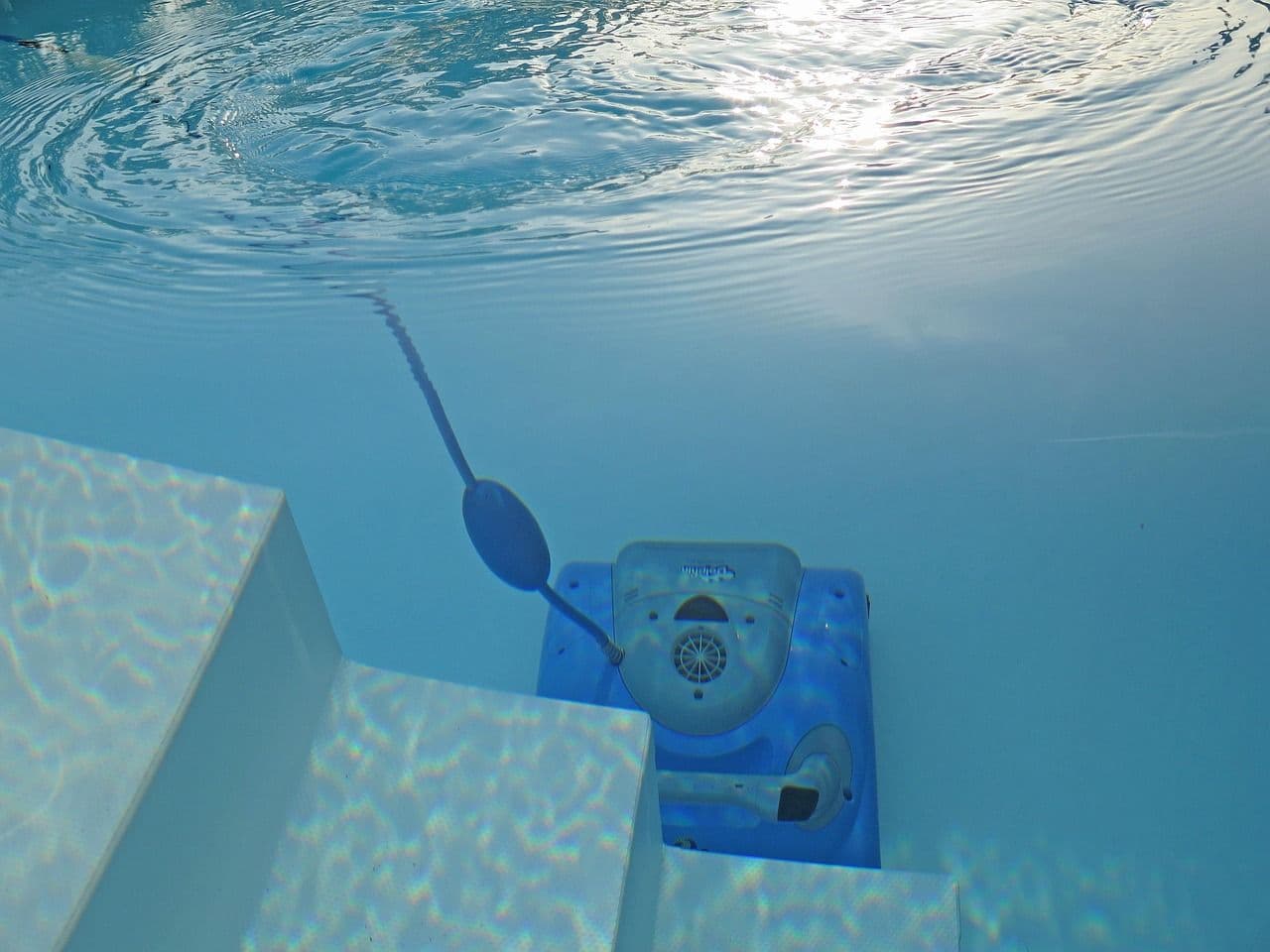
A robotic pool cleaner is a self contained, motorized vacuum that drives along the pool floor and, on many models, up the walls. Unlike suction or pressure cleaners, it has its own motor, pump and filter, so it does not rely on your pool pump or add load to your skimmer.
You will benefit from one if you are tired of manual vacuuming, have leaves and fine debris settling daily or want cleaner water with less pump runtime. Owners of small, rarely used pools may manage with a manual vacuum instead.
Main Types of Robotic Pool Cleaners
- Corded robots: powered by a floating cable connected to a power supply. They can run long cycles with no battery limits and are common for in ground pool owners who want thorough wall and waterline cleaning.
- Cordless robots: a cordless pool robot runs on a rechargeable battery, so there is no cable to tangle. Ideal for above ground and smaller in ground pools, but runtime is limited per charge.
- Floor only models: budget units that clean the bottom of the pool but not walls. Good for flat, small pools.
- Smart and app connected robots: premium models with Wi-Fi or app control, scheduling and mapping for larger or complex pools.
How to Choose a Robotic Pool Cleaner: Key Features to Consider
Here is what to look for in a robotic pool cleaner, feature by feature.
Pool Type, Size and Surfaces Covered
Check that the robot is rated for your pool type (in ground or above ground), your pool length and your surface, such as plaster, vinyl, fiberglass or tile. Some models clean only the floor, while others cover floor, walls and the waterline. Pools with steps, ledges or a steep slope into the deep end need a robot with enough traction and climbing ability to handle those transitions without stalling.
Corded vs Cordless Operation
Corded robots give consistent power and long cycles, but the cable can tangle and needs a nearby outlet. Cordless robots are easier to drop in and pull out, though battery life limits how much they clean per charge. A swivel on the cable helps reduce tangling on corded units, and a power supply with a timer lets you run cycles without standing by the pool.
Wall and Waterline Climbing
Wall climbing robots scrub vertical surfaces where algae often starts. Waterline cleaning removes the oily ring that forms at the surface. If your pool shows a grimy line, prioritize a model that lists both. Brush type matters as well: rubber or PVC brushes grip smooth tile and fiberglass, while softer brushes are gentler on vinyl liners.
Filtration and Debris Capacity
Look at the filter basket size and how fine the filters are. Large baskets handle leaves, while fine filters catch dust and pollen. Some robots include both, which is helpful in yards with heavy tree cover.
Navigation and Cleaning Cycles
Smarter navigation covers the pool more evenly and avoids getting stuck. Multiple cycle settings, such as floor only or full pool, help you save time and battery on lighter cleaning days.
Battery Life and Charging
For cordless models, compare the rated runtime against your pool size, plus charging time. A robot that dies before finishing a large pool will leave dirty areas. Battery capacity fades with age, so a model with some runtime to spare will still finish the job after a few seasons of use.
Ease of Retrieval and Cleaning
A wet robot is heavy. Look for a lightweight body, a retrieval hook or surface parking feature and a top access filter that empties without tipping debris back into the pool. Filters you can rinse with a garden hose in seconds make it far more likely you will clean them after every cycle, which keeps suction strong.
How Much Should You Spend?
So, how much does a robotic pool cleaner cost? Entry level cordless and floor only models typically cost around $150 to $400. Mid range robots with wall and waterline cleaning, from brands such as Dolphin, Aiper and WYBOT, run about $500 to $1,000. Premium smart models from Dolphin, Polaris and Hayward cost roughly $1,200 to $2,000, and commercial grade units can go well beyond that. Spend more if your pool is large, heavily shaded or has complex shapes.
Where to Buy a Robotic Pool Cleaner: Amazon vs Big Box Stores vs Specialty Shops
Amazon offers the widest selection, verified reviews and fast delivery. Big box stores carry fewer models but make returns simple. Pool supply shops provide expert advice and warranty help, often at higher prices. Wherever you shop, check the warranty length and who handles repairs before deciding where to buy a robotic pool cleaner.
What Size Robotic Pool Cleaner Do You Need?
Asking what size robotic pool cleaner do I need really means matching the robot's rated pool length and cable length to your pool. Always check the manufacturer's rating rather than guessing.
| Pool size | What to choose |
|---|---|
| Small above ground or plunge pool | Compact cordless or floor only robot rated for small pools |
| Standard in ground pool, up to about 40 ft | Mid range corded or cordless robot with wall climbing |
| Large in ground pool, up to about 50 ft | Corded or long runtime cordless robot rated for 50 ft |
| Very large or commercial pool | Premium or commercial robot with a long cable and large filters |
For corded models, the cable should reach the far end of the pool from your outlet with room to spare.
Common Buying Mistakes to Avoid
Common mistakes include buying a floor only model for a pool with algae prone walls, choosing a cordless robot with too little runtime for a large pool and ignoring cable length. Others skip checking compatibility with their pool surface, or forget about filter cleaning, which affects suction if neglected. Finally, compare warranties, since repairs can be expensive.
Frequently Asked Questions
Is a robot pool vacuum worth it?
For most pool owners, yes. A robot saves hours of manual vacuuming, cleans more evenly and runs independently of the pool pump. Small, lightly used pools may not need one. Our full guide, is a robot pool vacuum worth it, weighs the costs and benefits in detail.
How long does a robotic pool cleaner last?
With regular filter cleaning, rinsing after use and storage out of direct sun, many robots last several seasons. Brushes, tracks and batteries wear out first and can often be replaced. See how long does a robotic pool cleaner last for care tips that extend its life.
Can a robotic pool cleaner work in an above ground pool?
Yes, as long as it is rated for above ground pools. Many compact cordless robots are designed for them, and their lighter weight makes retrieval easier. Check that the robot suits your liner and wall type, and that the pool depth and size fall within its rating.
How often should I run a robotic pool cleaner?
Many owners run a cycle two or three times a week, and more often during heavy leaf fall, pollen season or frequent swimming. Corded models with scheduling can run automatically, while cordless models depend on charging. Empty the filter after each cycle for the best results.
What is the best brand of robotic pool cleaner?
Dolphin offers a wide range of corded robots, while Polaris and Hayward sell both corded and cordless models for in ground pools. Aiper, WYBOT and Beatbot focus on cordless designs. The best brand for you depends on your pool size, budget and whether you want cordless convenience.
Final Thoughts
Learning how to choose a robotic pool cleaner comes down to matching pool type and size, power style, wall and waterline cleaning, filtration and budget. Once you know what you need, compare our picks for the best robot pool vacuum to find the right model.