How Long Does a Robotic Pool Cleaner Last? How to Make It Last Longer
Disclosure: We may earn a commission when you buy through links on this page, at no extra cost to you. As an Amazon Associate I earn from qualifying purchases. Learn more
How long does a robotic pool cleaner last? Typical lifespan, parts that wear first, warning signs and care habits that add years.
So how long does a robotic pool cleaner last? Most well cared for units give roughly three to five years of regular service, and some keep going longer, while neglected ones can fail within a couple of seasons. The motor, the drive system and, on cordless models, the battery are the parts that decide the answer. Pool chemistry, how often the robot runs and how it is stored between cycles matter just as much as the brand.
Below you will find what shapes a pool robot's lifespan, the warning signs that it is wearing out, and a simple maintenance routine that helps it keep your floor, walls and waterline clean for longer.
Average Lifespan: How Long Does a Robotic Pool Cleaner Last?
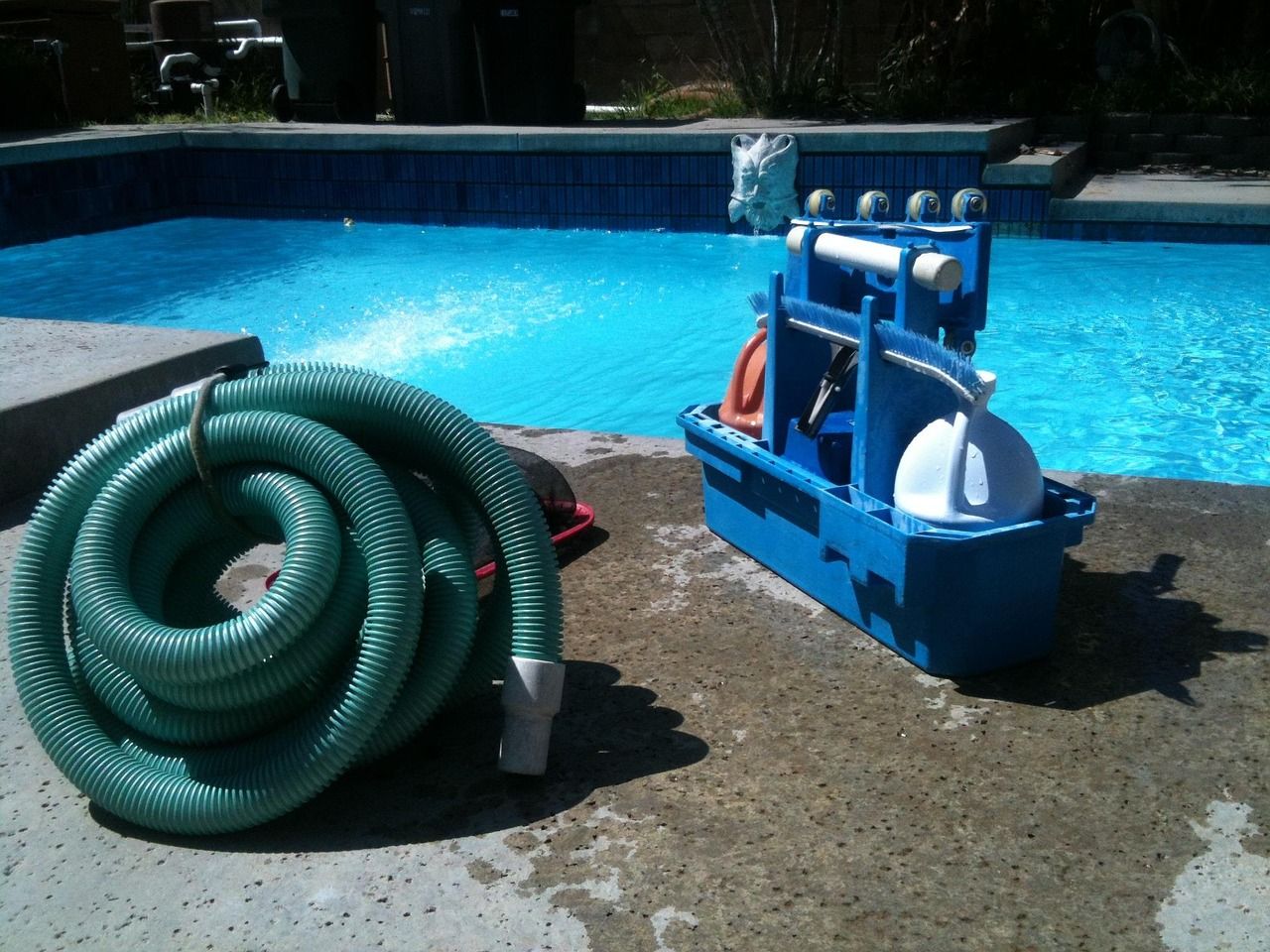
A robotic pool cleaner works in one of the harshest environments any appliance faces. It spends hours submerged in chlorinated or salt water, climbs walls, scrubs tile and is pulled in and out of the pool by its cable or a retrieval hook. Even so, a quality unit that is cleaned after use and kept out of the sun commonly lasts around three to five years with regular use. Lightly used robots in well balanced pools can go further.
Different parts wear at different rates:
- Motors and electronics: the heart of the unit. Seal failures that let water reach them are a common end of life cause.
- Brushes, tracks and tires: wear parts that scrub against plaster, tile or vinyl and need periodic replacement.
- Filter baskets or bags: clog and tear over time and are inexpensive to replace.
- Power supply and cable: corded models can develop tangled or damaged cables after years of use.
- Battery: on a cordless pool robot, the battery gradually loses capacity and usually ages faster than the rest of the unit.
Corded and cordless robots age a little differently. A corded unit draws power from a transformer on the deck, so its runtime does not fade with age, but the floating cable and its swivel take wear over the years. A cordless robot avoids cable problems entirely, yet its sealed battery slowly loses capacity, and you will notice shorter cleaning cycles long before the motors give out. In both cases the brushes and filters are routine replacement items rather than signs that the robot is finished.
Climate plays a role too. In regions where pools stay open all year, a robot may run most weeks of the year and reach the end of its life sooner than one used only through a short summer season.
Warranty length gives a useful clue. Makers that back their robots for several years expect them to outlast the warranty, so compare coverage when you shop.
Factors That Affect How Long It Lasts
Water chemistry. High chlorine levels, low pH and heavy shock treatments attack plastics, rubber seals and brushes. Remove the robot before shocking the pool and keep chemistry balanced to protect it.
Hours of use. A robot that runs every day in a large in ground pool racks up far more motor hours than one used twice a week in a small above ground pool. Matching cycles to how dirty the pool really gets saves wear.
Sun and heat exposure. Leaving the cleaner on the deck in direct sun dries out seals and degrades plastic and cables. Shade or a caddy cover makes a real difference.
Pool surface and debris. Rough plaster wears brushes and tracks faster than vinyl or tile. Heavy leaf loads, sand and pebbles strain the pump and clog filters, so a pool near trees asks more of the robot.
Handling. Lifting the robot out by its cable, dropping it on the deck or letting the cable twist puts stress on the weakest points. Using the handle or a retrieval hook helps.
Battery care on cordless models. Running a cordless robot until it is completely flat and leaving it uncharged for weeks shortens battery life. Charge it after each use and store it with some charge over winter.
Build quality and parts support. Brands with replaceable brushes, tracks, filters and power supplies let you repair instead of replace, which adds years to a robot's working life.
Signs Your Robotic Pool Cleaner Needs Repair or Replacement
- Weak suction or poor pickup. Debris left behind even with a clean filter can point to a worn impeller or failing pump motor.
- No longer climbing walls. Worn brushes or tracks lose grip, while a weak drive motor struggles to push the robot up the wall and along the waterline.
- Short or erratic cycles. A cordless robot that quits early likely has an aging battery. Corded units that stop randomly may have a power supply or cable fault.
- Water inside the housing. Moisture inside the motor area means a seal has failed, and this needs quick attention before the electronics are damaged.
- Tangled or damaged cable. Kinks, cracks or exposed wiring are a safety risk and should be fixed right away.
- Grinding noises. Debris in the impeller or worn bearings often make unusual sounds before a failure.
How to Make Your Robotic Pool Cleaner Last Longer
Empty and rinse the filter basket
Clean the filter basket or bag after every cycle. A clogged filter forces the pump to work harder and reduces suction, which wears the motor. Rinse it with a garden hose and let it dry before the next run.
Rinse the brushes and tracks
Rinse brushes, tracks and wheels with fresh water to remove chlorine, sand and debris. Check them regularly for wear and replace them when the bristles flatten or the tracks start to slip on walls.
Untangle and protect the cable
On corded models, straighten the cable after each use and check for kinks. Many robots have a swivel to limit tangling, but it still helps to lay the cable out flat. Never lift the robot out of the pool by the cable.
Store it out of the sun and charge it right
Take the robot out of the water after each cycle rather than leaving it in the pool, and store it in a shaded spot or on a caddy. For cordless units, follow the maker's charging advice and store the robot partly charged in a cool, dry place over winter.
Before closing the pool for the season, give the robot a thorough clean. Rinse it inside and out with fresh water, let the filters and housing dry completely, and inspect the brushes, tracks and cable so you can order parts before spring. Store the power supply indoors as well, away from moisture and freezing temperatures. A robot that goes into storage clean and dry is far less likely to greet you with stuck parts or corrosion when the pool opens again.
Repair or Replace?
Repair is usually the right move when the problem is a wear part. Brushes, tracks, tires, filters and even power supplies are often available as spare parts, and replacing them can make an older robot feel new again. A cordless model with a tired battery is worth repairing if the maker sells replacement packs.
Replacement makes more sense when the drive or pump motor fails out of warranty, when water has damaged the electronics, or when parts are no longer sold. If a repair would cost close to half the price of a comparable new model, an upgrade is usually better value. Our guide on how to choose a robotic pool cleaner explains what to look for, and is a robot pool vacuum worth it covers the long term costs.
Frequently Asked Questions
How long does a robot pool vacuum last?
How long does a robot pool vacuum last depends on care and use, but three to five years of regular service is a common range for quality models. Robots that are cleaned after each cycle, kept out of the sun and removed during heavy chemical treatments tend to reach the upper end of that range.
Is it worth repairing an old robotic pool cleaner?
Yes, when the fault is a brush, track, filter, cable or power supply, since these parts are affordable and easy to swap. It is less worthwhile if the motor has failed on an older model or water has reached the electronics, because those repairs can approach the price of a new robot.
What brand of robotic pool cleaner lasts the longest?
Brands that offer long warranties, sell replacement parts and have local service options tend to keep robots running longest. Before buying, check warranty length, parts availability and long term owner feedback rather than relying on brand reputation alone.
Should I leave my robotic pool cleaner in the pool?
No. Most makers recommend removing the robot after each cycle. Leaving it submerged exposes it to chemicals around the clock and can stress seals, cables and plastics, which shortens its life. Store it on a caddy in the shade instead.
Final Thoughts
Knowing how long does a robotic pool cleaner last helps you protect your investment. With a clean filter, fresh water rinses, careful cable handling and shaded storage, most robots give several good seasons. If yours is ready to retire, compare our picks for the best robot pool vacuum.