
Best Electric Pressure Washers in 2026: Our Top 3 Picks Reviewed
Disclosure: We may earn a commission when you buy through links on this page, at no extra cost to you. As an Amazon Associate we earn from qualifying purchases. Learn more

Compare the best electric pressure washer picks for driveways, decks and cars, plus how PSI, GPM and nozzles affect real cleaning.
A green film on the patio, a gray driveway that used to be white, and a deck that looks ten years older than it is: these are the jobs that send most homeowners shopping for a power washer. The trouble is that spec sheets all look alike, every box promises huge PSI numbers, and it is hard to tell which machine will actually clean a sidewalk without dying after one season. Choosing the best electric pressure washer comes down to matching real pressure and flow to your surfaces, then picking a build that will survive being dragged across concrete every spring. Electric models make sense for most households because they start with a trigger pull, run quietly enough for a suburban street, and need no gas, oil or winter engine care.
To build this list we compared manufacturer specs, the feedback of verified owners on Amazon, expert reviews, and price against what each washer delivers. Only current models that are in stock on Amazon were considered. The result is three picks: a proven budget workhorse from Sun Joe, a brushless Greenworks unit with near gas level output, and a Westinghouse model with a steel frame that sits comfortably between the two.






Our Top 3 Picks at a Glance
Each of these washers fills a different role, so pick the line that sounds like your home rather than simply chasing the highest number on the box.
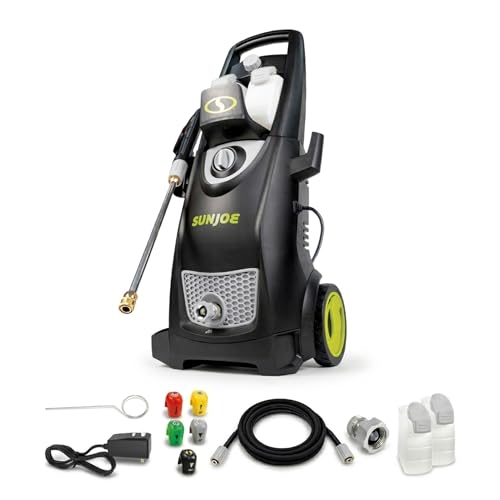
- Best Overall: Sun Joe SPX3000 2,030 PSI Electric Pressure Washer (around $170). It has one of the largest owner bases in the category, two onboard detergent tanks and five quick connect tips, all at a price that leaves room for a surface cleaner.
- Best Premium Pick: Greenworks 3000 PSI 2.0 GPM Brushless Electric Pressure Washer (around $350). A 14 amp brushless motor and an aluminum axial cam pump give it the output of a small gas unit, with flow claims verified by an independent lab.
- Runner Up: Westinghouse WPX3000e Electric Pressure Washer (around $280). A rugged steel frame, big never flat wheels and a 35 foot GFCI cord make it easy to move around a large property.
If you only read one section, make it this one, because these three cover the needs of nearly every home. The product table above lists more options from EGO, Westinghouse, Greenworks, CRAFTSMAN, Kärcher and others if you need a different budget or size.
How We Chose the Best Electric Pressure Washer
We started with cleaning performance, looking at pressure and flow together rather than just the headline PSI. A washer with decent pressure but weak flow will strip dirt slowly, so the combination matters. Next came owner feedback: models with a large base of reviews and consistent comments about reliability ranked above newer machines with only a handful of buyers.
Price was weighed against features such as hose length, nozzle sets, detergent tanks and accessory compatibility. We also favored sturdy frames, metal spray guns and clear warranty coverage from brands with real support networks. Finally, every pick had to be a current model that is in stock and sold on amazon.com. One popular jobsite model was left out for that reason, since it was unavailable at the time of writing.
We also kept safety and ease of use in mind. Features like a GFCI plug, a trigger lock, and an auto stop pump that shuts off when you release the trigger protect both you and the machine. A washer that is awkward to set up tends to stay in the garage, so simple hose connections and clear onboard storage counted in a model's favor. The aim was to find the best electric pressure washer for real homes, not the one with the loudest box.
Electric Pressure Washer Reviews
1. Sun Joe SPX3000 2,030 PSI Electric Pressure Washer: Best Overall
- Pressure and flow: up to 2,030 PSI working pressure and 1.2 GPM (listed at 2,500 max PSI)
- Spray tips: five quick connect tips (0°, 15°, 25°, 40° and soap)
- Detergent: two onboard 0.9 liter tanks you can switch between
- Wand and hose: 34 inch stainless steel lance with brass fittings, 20 foot high pressure hose
Why We Picked It
The SPX3000 has been a fixture in garages for years, and that history is exactly why it earns the top spot. It offers enough pressure to lift mildew from vinyl siding, clean patio pavers and wash a car without the cost or noise of a gas engine. For most homes, that range of jobs covers almost everything you will ask a washer to do.
What sets it apart from other budget units is the dual detergent system. Two separate tanks let you keep a car soap in one and a deck or house wash in the other, then switch with a turn of a dial. Pair that with five quick connect tips and you have a setup that moves from a tight zero degree stream for stubborn stains to a gentle 40 degree fan for windows and outdoor furniture.
The stainless steel lance with brass fittings is another nice touch at this price, since cheap plastic wands are often the first part to fail. Above all, the SPX3000 has a very large base of owner reviews, and the feedback is consistently positive about value and everyday reliability. If you want to see how it stacks up against gas models too, our guide to the best pressure washer covers the full range.
The tanks and tips store on the body so nothing goes missing between jobs. That everyday convenience is a big reason it stays the best electric pressure washer for first time buyers.
Pros
- Huge base of owner reviews and a long track record
- Affordable price leaves budget for accessories
- Two detergent tanks for different cleaning jobs
- Five versatile tips cover delicate to tough surfaces
- Stainless steel lance with brass fittings
Cons
- Mostly plastic body, so it needs gentle handling
- The 20 foot hose is short and can kink if you pull it tight
- 1.2 GPM flow makes large driveways slower than premium units
Who Should Buy It
Choose the SPX3000 if you clean a car, a patio, a fence and some siding a few times a year and want a dependable machine without spending much. At around $170, it is the safest first washer for most households and a strong pick for renters or small yards.
2. Greenworks 3000 PSI 2.0 GPM Brushless Electric Pressure Washer: Best Premium Pick
- Motor: 14 amp TruBrushless motor
- Pressure and flow: 3000 PSI and 2.0 GPM, 3300 cleaning units
- Pump: heavy duty cast aluminum axial cam pump
- Certification: PWMA certified pressure and flow ratings
- Hose and gun: 25 foot Uberflex kink resistant hose, metal spray gun
- Nozzles: 15°, 25° and 40° tips, plus soap and turbo nozzles
Why We Picked It
Many people assume they need gas to clean a long driveway or a weathered deck quickly. This Greenworks model challenges that idea. Its brushless motor and aluminum axial cam pump produce 3000 PSI at 2.0 GPM, which works out to 3300 cleaning units. That is gas level cleaning without engine maintenance, fuel storage or a pull cord.
The PWMA certification matters more than it sounds. Pressure washer specs are notorious for inflated maximum figures, but here an independent lab has verified the pressure and flow claims, so the numbers on the box reflect real output. The JettFlow feature adds extra flow for rinsing high areas, which helps when you are washing a two story wall or flushing soap off a large patio.
Brushless motors also tend to run cooler and last longer than brushed designs, and they are noticeably quieter in use. Add the metal gun, a kink resistant 25 foot hose and a turbo nozzle, and you get a machine that feels closer to a contractor tool than a weekend gadget. For many families this is the most capable washer they will ever need, which is why it ranks high on any list of the best pressure washer for homeowners.
Pros
- Gas like output from a quiet electric motor
- Independently verified pressure and flow ratings
- Brushless motor built for long service life
- Metal gun and kink resistant hose
- Turbo nozzle included for tough stains
Cons
- Larger and heavier to carry than compact budget units
- Pricey for an electric washer
- Needs a solid outlet and a good water supply to reach full output
Who Should Buy It
Buy this Greenworks if you have a long driveway, a large deck, or a house exterior you clean every year and you want to avoid gas engines. At around $350 it costs more than the basics, but it finishes big jobs much faster and should hold up for many seasons.
3. Westinghouse WPX3000e Electric Pressure Washer: Runner Up
- Pressure and flow: 3000 max PSI and 1.76 max GPM; 2600 rated PSI and 1.1 rated GPM
- Motor and pump: induction motor with a maintenance free axial 3 piston pump and auto stop
- Frame: rugged steel frame with 10 inch never flat wheels
- Hose and cord: 25 foot abrasion resistant hose, 35 foot GFCI cord
- Nozzles: five quick connect nozzles (0°, 15°, 25°, soap and turbo), M22 accessory fittings
- Soap tank: 0.45 gallon onboard tank
- Coverage: 3 year limited service, labor and parts coverage
Why We Picked It
The WPX3000e earns its place through durability and portability. Its steel frame and large never flat wheels make it easy to roll across gravel, lawn and curbs, so it works well on bigger lots where you move from the driveway to the fence line to the back deck. The 35 foot GFCI cord gives you more reach than most budget units before you need to reposition.
Inside, an induction motor drives an axial three piston pump that stops automatically when you release the trigger. Induction motors are known for running quietly and lasting a long time, which suits owners who plan to keep a washer for years. The rated output of 2600 PSI is honest about real working pressure, and it is plenty for decks, siding, patio furniture and vehicles.
Accessory support is another strength. The M22 fittings mean surface cleaners, foam cannons and undercarriage cleaners snap on without adapters, and Westinghouse backs the machine with three years of service, labor and parts coverage. That is a reassuring package for a mid priced washer. If the Sun Joe feels too light and the Greenworks too expensive, this is the model that splits the difference with the fewest compromises.
Pros
- Durable steel frame with never flat wheels
- Quiet induction motor and auto stop pump
- Long 35 foot GFCI cord for easy reach
- Works with common M22 accessories
- Three years of coverage from the maker
Cons
- Rated flow of 1.1 GPM is lower than the Greenworks
- Bulkier to store than compact models
Who Should Buy It
The WPX3000e is a smart choice if you want a sturdier frame than the budget picks and plan to use accessories like a surface cleaner. At around $280, it fits owners of medium and large properties who value easy transport and long term coverage.
Electric Models: Corded vs Battery
Electric pressure washers come in two flavors. Corded models plug into a household outlet and make up the vast majority of the market, while battery models run on the same packs as cordless lawn tools. Both avoid gas, but they suit very different jobs.
Power and runtime
For most buyers the best electric pressure washer will be a corded model. Corded washers have unlimited runtime and far more power, since a wall outlet can feed a large motor continuously. Battery units are compact and portable, but their pressure and flow are much lower and a single pack may last only a short session. They work best for quick rinses of bikes, boots, garden tools or a small car away from an outlet. If you already own a battery platform for your mower or blower, a bare tool version can be a handy second washer for the cabin or the boat dock.
Noise and maintenance
Both types are much quieter than gas, and neither needs oil changes, spark plugs or fuel stabilizer. Corded machines with induction or brushless motors are the quietest of the plug in group. The main upkeep for either is flushing the pump after soap use and protecting it from freezing.
Who should go electric
If your cleaning list includes cars, patios, decks, siding and fences, a corded electric washer will handle it with less hassle than gas. Larger commercial jobs and stripping paint are where gas still leads. If you are unsure whether you will use one enough, read our take on is a pressure washer worth it before buying.
How to Choose the Best Electric Pressure Washer
Shopping for the best electric pressure washer is easier once you know which numbers matter and which ones are mostly marketing. A few specs tell you most of what you need to know. Here is how to read them so you can compare models with confidence.
PSI, GPM and Cleaning Units
PSI measures pressure, which is the force that breaks dirt loose. GPM measures flow, which is how much water rinses that dirt away. Multiply the two and you get cleaning units, a handy single number for comparison. A unit around 2,000 PSI and 1.2 GPM is fine for cars and furniture, while 3000 PSI and 2.0 GPM chews through driveways far faster. Look for rated or certified figures, since maximum numbers are often measured under ideal conditions. PWMA certification is a good sign that the figures on the box were checked by an independent lab.
Electric vs Gas vs Battery
Electric corded machines offer the best balance for homeowners: easy starts, low noise and no engine care. Gas models deliver more flow for big concrete jobs and remote areas without outlets, but they are louder, heavier and need regular service. Battery models are for light, portable rinsing only.
Nozzles and Surface Cleaners
Color coded tips control the spray angle. Zero degree tips blast stubborn spots but can gouge wood, 15 and 25 degree tips handle general cleaning, and 40 degree tips are gentle enough for windows and cars. Turbo nozzles spin a zero degree stream for faster cleaning. If you have a lot of concrete, a surface cleaner attachment speeds the job dramatically and leaves fewer stripes. It is also the safest way to clear moss from pavers, and some owners shopping for the best pressure washer for weeds pair a stronger unit with a rotating attachment for patio joints.
Hose Length and Quality
Short, stiff hoses are a common complaint with budget washers. A 25 foot hose is a comfortable minimum for most homes, and kink resistant or braided hoses make the work far less frustrating. Remember that cord length matters too, since extension cords can reduce power if they are too long or too thin.
Pump Type (Axial vs Triplex)
Nearly all consumer electric washers use axial pumps, which are compact, affordable and fine for occasional use. Triplex pumps are built for daily commercial work and last much longer, but they add cost and weight. For home use, a quality axial pump with auto stop is the sensible choice. Just avoid letting it run for long periods with the trigger released, since water trapped in the pump heats up quickly.
Weight, Wheels and Storage
Compact washers under 20 pounds can be carried easily, while larger units rely on wheels. Big, never flat wheels roll better over gravel and grass. Check for onboard storage for the hose, cord and tips, since loose accessories tend to get lost by the next season.
Detergent Tank and Accessories
Onboard soap tanks save you from buying a separate foam cannon for basic jobs, and dual tanks let you switch cleaners quickly. If you plan to add accessories later, look for standard M22 or quick connect fittings. Where you buy matters too, so see our guide on where to buy a pressure washer for warranty and return tips.
Finally, think about how often you will use it. A washer that comes out twice a year does not need the same build as one that cleans a fleet of cars every weekend, so match the spend to your real routine.
FAQs About Electric Pressure Washers
How long does a pressure washer last?
A well kept electric pressure washer usually lasts several years of regular home use, and premium models with induction or brushless motors often go longer. The pump is typically the first part to wear. Flushing it after soap use, avoiding running it without water, and storing it away from freezing temperatures all add years to its life.
Is a pressure washer worth the money?
For most homeowners, yes. One washer can clean driveways, decks, siding, fences, cars and outdoor furniture, jobs that would otherwise take hours of scrubbing or the cost of hiring a pro each year. A mid range electric model often pays for itself after one or two seasons of use.
How much should I spend on a pressure washer?
Expect to pay around $100 to $200 for a reliable budget electric washer that handles cars and patios. Mid range models with steel frames and longer hoses sit around $250 to $300, while premium brushless units with higher flow run around $350 or more. Match the spend to your largest regular job.
How do I maintain a pressure washer?
Run clean water through the system after using detergent, disconnect and drain the hoses, and store the unit indoors where it cannot freeze. Check the inlet filter for debris, inspect the O rings on nozzles and fittings, and use a pump protector product before winter storage to keep seals from drying out.
Final Verdict
For most households, the Sun Joe SPX3000 is the best electric pressure washer thanks to its proven track record, dual detergent tanks and friendly price. If you clean large driveways or a whole house exterior, the Greenworks 3000 PSI brushless model brings gas level output without the engine. The Westinghouse WPX3000e sits in between, with a tough steel frame and a long cord for bigger lots. Whichever you choose, check today's price on Amazon, since electric washer deals change often.
