How Does a Pressure Washer Work: Expert Tips and Step by Step Guide
Disclosure: We may earn a commission when you buy through links on this page, at no extra cost to you. As an Amazon Associate I earn from qualifying purchases. Learn more
How does a pressure washer work? A pump boosts tap water pressure through a nozzle. Learn the parts, types, uses and pros and cons.
So, how does a pressure washer work? A motor or gas engine drives a pump that takes in water from a garden hose and forces it out through a narrow nozzle at much higher pressure, typically 1,500 to 4,000 PSI for home models. That fast, concentrated stream knocks dirt, mold, algae and grime off hard surfaces far quicker than a regular hose. The nozzle you choose controls how wide and how strong the spray is, and detergent can be added at low pressure to loosen stubborn stains.
Below, we explain what a pressure washer is, the parts inside it, what it is used for, the main types, and the pros and cons, so you can decide whether one belongs in your garage.
What Is a Pressure Washer?
A pressure washer, sometimes called a power washer, is a machine that boosts the pressure of ordinary tap water to clean surfaces quickly. A garden hose delivers water at roughly the pressure of your home supply, usually somewhere around 40 to 60 PSI. A pressure washer multiplies that many times over while using a relatively modest flow of water, often 1.2 to 4 gallons per minute.
The result is a stream with enough force to strip away dirt that would otherwise take hours of scrubbing. Driveways, patios, decks, siding, fences, cars and outdoor furniture are all common targets. Because the water does the work, you often need less detergent and less elbow grease than with a bucket and brush.
Home pressure washers come in electric, gas and battery versions. Electric models are lighter and quieter, gas models are more powerful, and battery models trade power for portability. Commercial units add bigger pumps and sometimes heated water for grease and oil. Whatever the type, the core idea is the same: turn a modest flow of water into a fast, focused stream that does the scrubbing for you.
How Does a Pressure Washer Work?
Every pressure washer, from a compact electric unit to a commercial gas machine, follows the same basic process. Here are the main components and how they work together.
- Water inlet. A garden hose connects to the inlet, often through a small filter screen that keeps grit out of the pump.
- Motor or engine. An electric motor, battery powered motor or small gas engine supplies the power that drives the pump.
- Pump. The heart of the machine. Pistons or plungers draw water in and push it out under high pressure. Consumer machines usually use axial cam pumps, while heavier duty models use triplex plunger pumps that last longer and are easier to service.
- High pressure hose. A reinforced hose carries pressurized water from the pump to the spray gun.
- Spray gun and wand. The trigger gun controls flow, and the wand gives you reach and keeps your hands away from the spray.
- Nozzles. Interchangeable tips shape the spray. A 0 degree nozzle makes a pinpoint jet, 15 and 25 degree nozzles are for general cleaning, 40 degree nozzles are gentle and wide, and a soap nozzle lowers pressure to draw detergent.
- Unloader valve and auto stop. When you release the trigger, the unloader valve redirects water or the motor stops, so pressure does not build to dangerous levels.
Pressure (PSI) and flow (GPM) work together. Pressure breaks dirt loose, while flow carries it away. Multiplying the two gives cleaning units, a handy way to compare machines. A unit with higher flow can clean a driveway faster even at the same PSI.
Put together, a typical cleaning cycle works step by step like this:
- Water from the garden hose flows into the inlet and through the filter screen.
- You switch on the motor or start the engine, which begins driving the pump.
- When you squeeze the trigger, the pump pressurizes the water and sends it through the high pressure hose.
- The water reaches the nozzle, which narrows the opening and shapes the spray into a jet or fan.
- When you release the trigger, the unloader valve or auto stop relieves pressure and the pump idles or stops.
Running the pump without water flowing through it can overheat and damage the seals in seconds, which is why you should always connect and turn on the water supply before starting the machine, and never let a gas washer idle for long with the trigger released.
What Is a Pressure Washer Used For?
If you are wondering what is a pressure washer used for, the short answer is almost any hard outdoor surface that collects dirt, mildew or stains. Common uses include:
- Driveways, walkways and patios. Concrete and pavers brighten dramatically when oil, moss and ground in dirt are blasted away. A surface cleaner attachment speeds this up and prevents stripes.
- Decks and fences. Wood and composite decks lose gray weathering and mildew with a gentle wide nozzle, which also prepares wood for stain.
- House siding. Vinyl, brick and fiber cement siding can be washed with low pressure and detergent to remove algae and dirt.
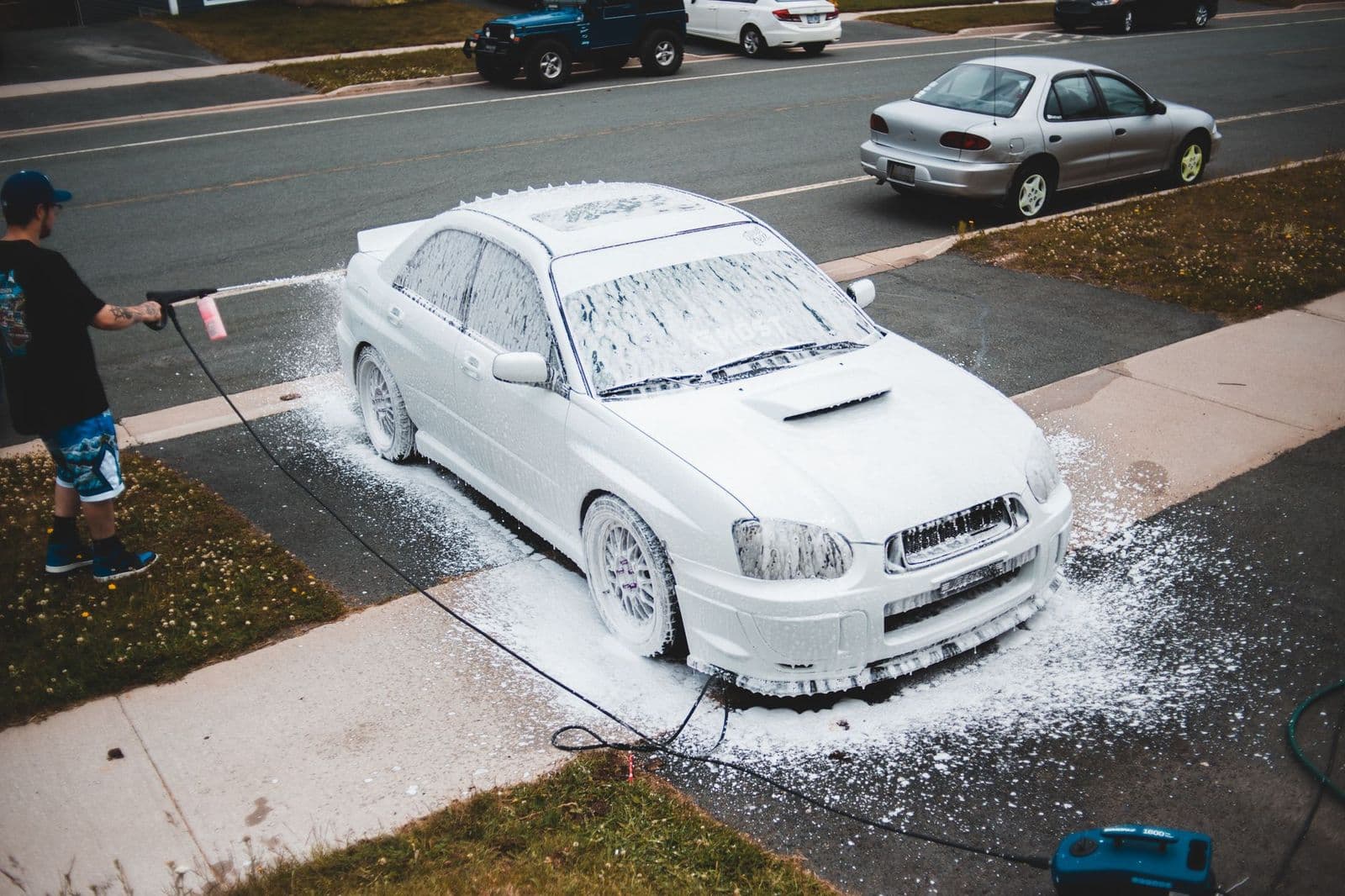
- Vehicles, boats and bikes. A foam cannon and wide nozzle make quick work of mud and road grime.
- Outdoor furniture, grills and trash cans. Plastic chairs, umbrellas, grill grates and bins come clean fast.
- Weeds and moss in pavers. A focused spray removes growth between joints; see our guide to the best pressure washer for weeds for models suited to that job.
Avoid using high pressure on soft wood, old mortar, window glass, car paint at close range, electrical fixtures, people or pets. Always start with the widest nozzle and move closer gradually.
Types of Pressure Washers
Electric pressure washers plug into a standard outlet and usually deliver around 1,500 to 2,300 PSI. They are quiet, light, low maintenance and ideal for cars, patio furniture, decks and small driveways.
Gas pressure washers use a small engine and typically produce 2,800 to 4,000 PSI or more with higher flow. They handle large driveways, two story siding and tough stains much faster, but they are louder and need oil changes and fuel care.
Battery pressure washers run on rechargeable packs and often draw water from a bucket or tank. They are great for quick jobs away from an outlet, such as boats, bikes and muddy gear, but have lower output and limited runtime.
Commercial and hot water units use heavy duty triplex pumps and sometimes a burner to heat water, which cuts through grease and oil. They are built for daily professional use and cost far more. Most homeowners never need one, but they are common for restaurant kitchens, farms and fleet washing.
For a side by side look at models of each type, see our best pressure washer for homeowners guide.
Pros and Cons
Pros
- Cleans hard surfaces many times faster than scrubbing
- Often uses less water than a garden hose for the same job
- Removes mold, algae and stains that brushes cannot reach
- Prepares decks and siding for paint or stain
- Wide range of attachments for different tasks
Cons
- Can damage wood, siding, paint and mortar if used too close or with the wrong nozzle
- Injury risk if the spray hits skin
- Gas models are loud and need engine maintenance
- Takes storage space and must be protected from freezing
Is a Pressure Washer Right for You?
A pressure washer makes sense if you have a driveway, patio, deck or siding that you clean at least once or twice a year, or if you often wash cars, boats or outdoor gear. Electric models suit most homeowners, while gas models make sense for larger properties and heavy grime. Think about storage too: a compact electric unit fits on a garage shelf, while a gas machine needs floor space and somewhere safe to keep fuel.
If you only clean a small balcony once a year, renting a machine or hiring a pro may be more practical. Our guide on is a pressure washer worth it breaks down the costs, and our guide on where to buy a pressure washer explains where to find good prices.
Frequently Asked Questions
What is a pressure washer used for?
A pressure washer cleans hard outdoor surfaces such as driveways, patios, decks, fences, siding, cars and outdoor furniture. It removes dirt, mildew, algae, oil stains and loose paint much faster than a hose and brush.
Is a pressure washer worth buying?
For most homeowners with outdoor surfaces to maintain, yes. A good electric pressure washer often pays for itself after a couple of uses compared with hiring a cleaning service, and it saves hours of scrubbing every season.
Can a pressure washer damage surfaces?
Yes, if it is used too close or with too narrow a nozzle. Soft wood can splinter, paint can lift and old mortar can wash out. Start with a 40 degree nozzle about two feet away, test in a hidden spot, and only move closer or switch to a narrower tip if the surface handles it.
How long does a pressure washer last?
Electric pressure washers typically last several years with home use, while quality gas models can last a decade or more. Flushing the system after detergent use, protecting the pump from freezing and checking hoses and seals extend its life.
Final Thoughts
Now that you know how does a pressure washer work, the rest is matching the machine to your jobs: a motor or engine drives a pump, the pump pressurizes water, and the nozzle shapes the spray. Start gentle, choose the right nozzle and you will get great results. For specific recommendations, see our picks for the best pressure washer.