
How to Use a Pressure Washer: Step by Step Guide for 2026
Disclosure: We may earn a commission when you buy through links on this page, at no extra cost to you. As an Amazon Associate I earn from qualifying purchases. Learn more

Learn how to use a pressure washer safely, from setup and nozzle choice to technique, shutdown and winter storage.
To use a pressure washer, connect a garden hose and turn the water on fully, attach the right nozzle, purge air from the system, then start the machine and clean from a safe distance with steady, overlapping sweeps. Begin with the widest spray tip, test a hidden spot and move closer only if needed. When you finish, shut it off, release the pressure and drain it before storage. That is the short version of how to use a pressure washer, and it works for both electric and gas models.
The details matter, though. The right nozzle, distance and technique are the difference between a clean deck and a gouged one, and good habits protect the pump and keep you safe. This guide walks through safety and prep, a clear step by step process, pro tips and the mistakes that cause most damage.

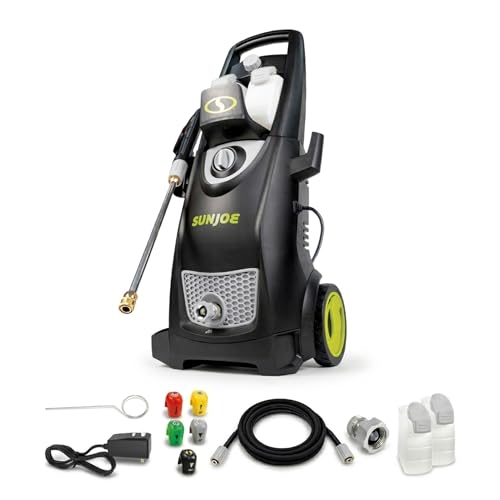
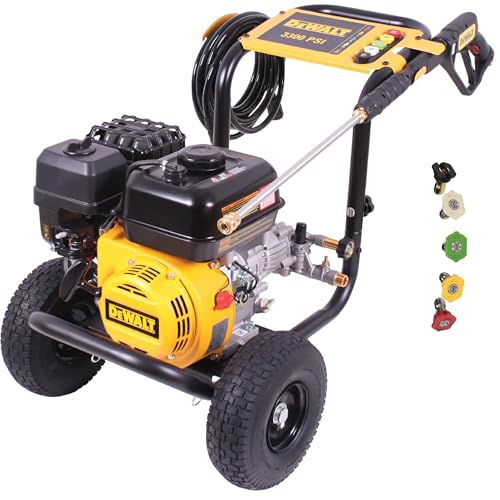
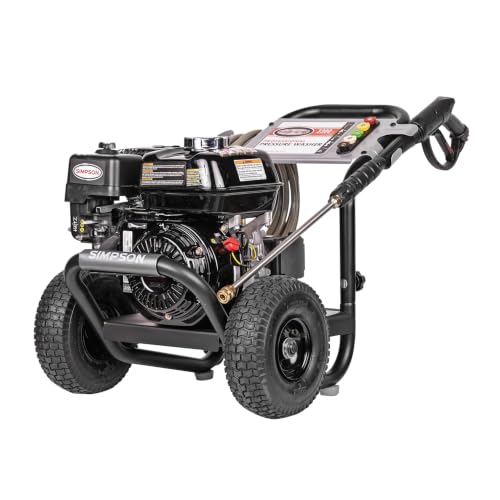
Before You Start: Safety and Prep
A pressure washer is a powerful tool, so treat it with the same respect as a saw. The stream from a narrow tip can cut skin, break glass and force water under siding. Before you pull the trigger, wear safety glasses or goggles, closed toe shoes with good grip and long pants. Gas machines are loud, so add hearing protection, and never run a gas washer in a garage, shed or any enclosed space because of carbon monoxide.
Prepare the area next. Move cars, furniture, grills, toys and potted plants out of the way, and close windows and doors near the spray zone. Cover outdoor outlets, light fixtures and electrical panels with plastic and tape. Sweep loose debris from patios and decks so the spray does not turn leaves into a soggy mess. Wet down nearby plants and shrubs with plain water first, which helps protect them from detergent.
Check your water supply. Most machines need steady flow from a standard garden hose, so turn the spigot fully open and make sure the hose is not kinked. For electric models, plug into a GFCI protected outdoor outlet and avoid long, thin extension cords. Finally, decide on the cleaning solution. Use only detergents labeled for pressure washers, since household cleaners and bleach can damage seals and pumps.
It also helps to know your nozzles before you start. Most machines use a color code: red is 0 degrees, a pinpoint jet for tiny stubborn spots; yellow is 15 degrees for stripping and heavy grime on hard surfaces; green is 25 degrees, the everyday cleaning tip for decks, cars and siding; white is 40 degrees, a gentle fan for windows and delicate surfaces; and black is the low pressure soap tip. Some machines add a turbo nozzle that spins a narrow stream in a circle, which cleans concrete quickly. When in doubt, start with white or green.
How to Use a Pressure Washer Step by Step
These seven steps cover the full process from first setup to storage. Follow them in order each time, and the routine will quickly become second nature.
Step 1: Read the manual and wear safety gear
Every pressure washer is a little different. The manual tells you the correct startup sequence, the nozzle colors and angles, the detergent method and any limits on running time. Take a few minutes to read it, especially the sections on safety and maintenance. Then put on your gear: eye protection always, hearing protection for gas machines and sturdy shoes. Gloves help you grip the wand on long sessions.
Step 2: Charge batteries or mix fuel correctly
Battery powered washers should be fully charged before you begin, since runtime drops quickly at high pressure. Most gas pressure washers use four stroke engines that take regular unleaded gasoline in the tank and separate engine oil in the crankcase, so check the oil level with the dipstick before every use. If your engine is a two stroke, mix fuel and oil at the ratio in the manual. Use fresh fuel, ideally treated with a stabilizer, and fill the tank outdoors with the engine cool. Electric corded models simply need a safe outlet.
Step 3: Inspect the tool before each use
Look over the machine before connecting anything. Check the high pressure hose for cracks, bulges or worn spots, and make sure the fittings and O rings are in good shape. Clean the water inlet screen if it has debris. Confirm the spray gun trigger and safety lock work properly, and inspect the nozzles for clogs. A two minute check prevents leaks, sudden hose failures and poor spray patterns.
Step 4: Start it the right way
Connect the garden hose to the water inlet and the high pressure hose between the pump and the spray gun. Turn the water on fully. Before starting the motor, squeeze the trigger for 30 seconds or so to let water flow through and push out trapped air, which protects the pump. Attach the widest nozzle you plan to use. For electric machines, switch on the motor. For gas machines, set the choke and throttle as directed, then pull the starter cord with smooth, firm pulls. Never start a pressure washer without water connected and flowing.
Step 5: Use proper technique and stance
Stand with your feet apart and hold the gun with both hands, because the spray creates kickback. Start about three to four feet from the surface with a wide 25 or 40 degree tip, then move closer gradually until the dirt lifts without damaging the surface. Keep the wand moving in steady, overlapping strokes, and keep the nozzle at a consistent distance. On siding, work from the bottom up when applying detergent and from the top down when rinsing. On decks, follow the direction of the boards. Apply detergent with the soap tip at low pressure, let it sit for a few minutes without drying, then rinse with a cleaning tip.
Adjust your approach to each surface. Cars need the gentlest touch: use the 40 degree tip, stay about two feet away and never aim directly at tire sidewalls, badges or chipped paint. Wood decks and fences respond best to the 25 or 40 degree tip held a foot or more from the boards, moving with the grain to avoid fuzzing the wood. Vinyl siding cleans well with detergent and a wide tip, sprayed at a downward angle. Concrete and brick can take more pressure, so a 15 degree tip, a turbo nozzle or a surface cleaner will speed things up, but still keep the spray moving to avoid stripes and etching.
Step 6: Shut down, cool down and clean
When you finish, run clean water through the system for a minute to flush out detergent. Turn off the motor or engine, then turn off the water supply. Squeeze the trigger to release the pressure trapped in the hose before disconnecting anything. Let gas engines cool before moving them indoors. Rinse dirt off the machine, wipe down the hoses and remove and dry the nozzles.
Step 7: Store it correctly
Drain water from the pump, hoses and gun so nothing freezes and cracks over winter. In cold climates, use a pump protector or antifreeze product made for pressure washers. For gas models, either add fuel stabilizer and run the engine for a few minutes or run the tank dry before long storage. Coil hoses loosely without sharp bends, store nozzles in their holder and keep the machine in a dry place out of direct sun.
Pro Tips for Better Results
A few habits separate a quick, even clean from a streaky afternoon of work. First, always test in a hidden spot. A corner of the deck behind a planter or a low patch of siding behind a shrub will show you whether your nozzle and distance are safe for the surface.
Second, let detergent do the heavy lifting. A good cleaner breaks down algae, mildew and grime so you can use lower pressure, which is gentler on wood and paint. Apply it with the soap tip or a foam cannon, wait five to ten minutes and keep it wet, then rinse. Electric washers around 1,800 to 2,300 PSI handle most household jobs when paired with the right detergent.
Third, use a surface cleaner on concrete. This round attachment spins a pair of jets under a hood, cleaning driveways and patios evenly without the zebra stripes that come from a wand. It also speeds up the job dramatically. For weeds between pavers, a narrow tip held at a low angle can blast roots out of joints; our list of the best pressure washer for weeds covers machines that do this well.
Finally, work in sections and keep an eye on the weather. Cleaning on a cloudy, mild day keeps detergent from drying too fast, and finishing one section at a time gives a uniform result. If you are shopping for a first machine, our guide to the best pressure washer for homeowners highlights easy, beginner friendly models.
Common Mistakes to Avoid
The most common mistake is using too much pressure. The red 0 degree tip concentrates the stream into a pencil jet that can etch concrete, splinter wood and strip paint in seconds. Start wide and narrow down only as needed. Holding the nozzle too close is just as harmful, so keep a safe distance and keep moving.
Another frequent error is spraying upward under siding laps, which drives water behind the panels and into walls. Spray at a downward angle instead. Avoid pointing the wand at windows, light fixtures, vents and electrical equipment, and never at people or pets.
Running the pump without water is a quick way to destroy it, as is leaving the machine running with the trigger released for long periods, which can overheat the pump on models without automatic shutoff. Using household bleach or harsh chemicals can damage seals. And forgetting to winterize leads to cracked pumps in spring. Finally, do not use a gas pressure washer on a ladder, since the kickback can throw you off balance.
Two more mistakes are easy to overlook. Many people skip rinsing detergent completely, which leaves a dull film that attracts dirt again within weeks, so always finish with a thorough clean water rinse. Others wash wood and then stain or seal it the same day; wood needs at least a day or two of dry weather before any finish goes on, or the coating will not bond properly.
Frequently Asked Questions
How often should I use a pressure washer?
For most homes, once or twice a year is enough for siding, decks and driveways, often in spring and again in fall. Cars, patio furniture and grills can be cleaned more often as needed. Washing too frequently is not harmful with proper technique, but wood decks and painted surfaces benefit from gentler pressure and plenty of time to dry between cleanings.
Can beginners use a pressure washer safely?
Yes. Beginners do well by starting with an electric model, using the widest nozzle and testing a hidden spot first. Wear eye protection, keep a firm two handed grip on the gun and never point the spray at people or pets. With a little practice, most first time users get great results. If you are still deciding whether to buy one, see is a pressure washer worth it, and for shopping options read where to buy a pressure washer.
Final Thoughts
Learning how to use a pressure washer comes down to a few simple habits: prepare the area, wear protection, purge air before starting, begin with a wide nozzle, keep the wand moving and finish by flushing, draining and storing the machine properly. Follow those steps and your patios, decks, siding and vehicles will look better with less effort and less risk of damage. If you are ready to buy or upgrade, see our picks for the best pressure washer to find the right machine for your home.


