How Much Does a Pressure Washer Cost in 2026? Real Price Ranges Explained
Disclosure: We may earn a commission when you buy through links on this page, at no extra cost to you. As an Amazon Associate I earn from qualifying purchases. Learn more

How much does a pressure washer cost? Real price ranges for electric, gas and battery models, plus hidden costs and ways to save.
So, how much does a pressure washer cost? Most homeowners pay about $130 to $180 for a good electric pressure washer, around $300 to $450 for a stronger brushless electric or a residential gas model, and $650 to $1,500 for premium gas machines with commercial pumps and Honda engines. Small battery powered washers start under $100, but they are made for light jobs like bikes, patio furniture and car rinsing.
The right budget depends on what you clean and how often. Below you will find typical prices by type, the specs that drive cost up, the extras most buyers forget, and simple ways to get more machine for your money.


How Much Does a Pressure Washer Cost? Average Prices in 2026
Prices below reflect current listings for new machines from established brands on Amazon and at major retailers. Entry level electric models sit around $130, mid range machines around $300 and premium gas units around $1,000.
| Type | Typical price | Best for |
|---|---|---|
| Handheld battery washer | $70 to $160 | Bikes, outdoor furniture, light car rinsing |
| Entry level electric (1,600 to 2,300 PSI) | $70 to $180 | Cars, patio furniture, small decks |
| Mid range electric, brushless (2,700 to 3,400 PSI) | $280 to $550 | Driveways, siding, fences, frequent use |
| Residential gas (3,000 to 3,600 PSI) | $300 to $450 | Large driveways, decks, two story siding |
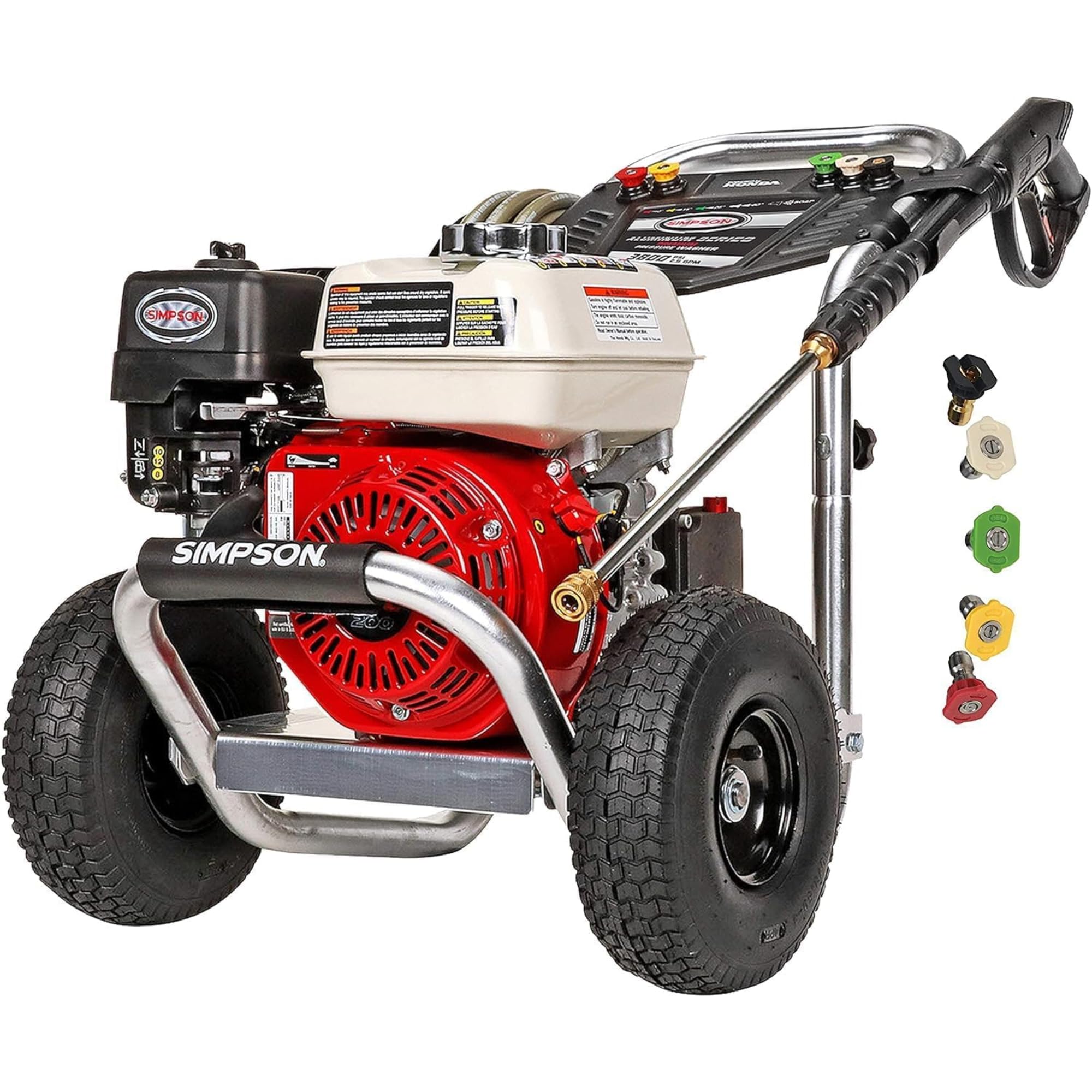
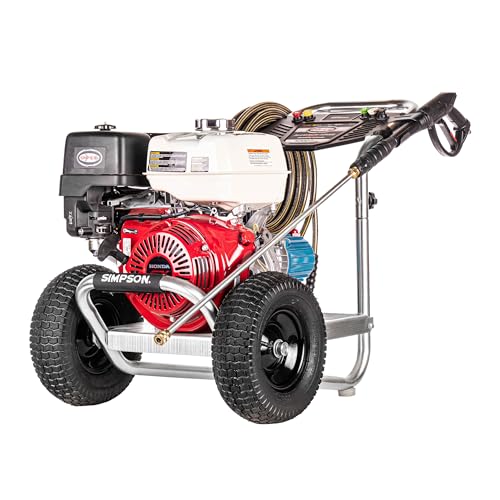
| Premium gas with Honda engine (3,500 to 4,200 PSI) | $650 to $1,500 | Heavy cleaning, big properties, semi pro use |
A few real examples show where models land. The Westinghouse ePX3100 electric costs around $140, the Westinghouse WPX3200 gas model around $330, the Greenworks 3000 PSI brushless electric around $350, the Simpson Aluminum Series 3600 PSI with a Honda engine around $730, and the Simpson 4200 PSI Honda model around $1,450. Prices change with sales and seasons, so treat these as guides rather than fixed numbers.
For most homes, an electric washer in the $130 to $350 range handles cars, decks, patios and siding well. Gas becomes worth the extra cost when you clean large concrete areas often or need to work far from an outlet. Anyone asking how much does a pressure washer cost for occasional car and patio cleaning can stay at the low end of the range and still get good results.
What Affects the Price
A handful of specs explain most of the gap between a $100 washer and a $1,000 one.
PSI, GPM and Cleaning Units
PSI (pounds per square inch) measures pressure, and GPM (gallons per minute) measures water flow. Multiply them and you get cleaning units, a quick way to compare real cleaning power. A 2,000 PSI, 1.2 GPM washer delivers 2,400 cleaning units, while a 3,200 PSI, 2.5 GPM gas model delivers 8,000. Higher numbers clean faster and cost more, mainly because they need bigger motors or engines and stronger pumps.
Electric vs Gas vs Battery
Electric washers are cheaper, quieter, lighter and need almost no maintenance, which makes them the best value for most homeowners. Brushless electric models cost more but run cooler, last longer and reach higher pressure. Gas washers cost more up front and need oil, fuel and winter care, but they deliver much more flow and can go anywhere. Battery washers are the most portable but the weakest, and spare batteries add cost.
Nozzles and Surface Cleaners
Most washers include a set of quick connect nozzles, a soap nozzle or foam cannon. Premium kits add a turbo nozzle or a rotating surface cleaner, which speeds up driveways and patios and prevents streaks. A good surface cleaner can add $40 to $150 if bought separately, so bundles can be good value.
Hose Length and Quality
Budget washers often ship with a short, stiff plastic hose that kinks and tangles. Mid range and premium models include longer, more flexible hoses, sometimes on a hose reel. Upgrading later to a 50 foot flexible hose can cost $40 to $100, so check what comes in the box.
Pump type also matters. Entry level machines use axial pumps that are cheaper but wear faster, while premium gas models use triplex pumps that last much longer and can be rebuilt. Frame quality, wheels and onboard storage add smaller amounts to the price.
Brand, Warranty and Build
Established brands with long warranties, easy to find parts and nearby service centers tend to cost more than unknown imports with eye catching PSI claims. Some budget listings advertise 4,000 PSI or more from small electric motors, figures that rarely match real cleaning performance. Paying a little more for a model with honest ratings, a two or three year warranty and replacement parts on the shelf usually saves money over the life of the machine.
Hidden and Ongoing Costs
The purchase price is only part of the cost of owning a pressure washer. Plan for detergent, which runs about $10 to $30 per bottle depending on the cleaner, and replacement nozzles or O rings, which are inexpensive but wear out.
Gas models need engine oil changes, fresh fuel with stabilizer, a spark plug now and then and pump oil or pump saver before winter. Together, these add roughly $20 to $50 a season. Electric models skip most of this but may need a longer extension cord rated for the motor, or a GFCI outlet close to where you work.
Many owners add accessories after the first few uses: a surface cleaner for concrete, an extension wand for second story siding, a gutter cleaning attachment or a better hose. Budget for one or two of these if you clean a lot of flat surfaces, since a surface cleaner alone can cut driveway cleaning time in half and leave a far more even finish.
Finally, your water bill rises slightly. A 1.2 GPM electric washer uses about 72 gallons per hour, while a 2.5 GPM gas washer uses about 150, which is still often less than a garden hose running for the same time.
Storage is another quiet cost. Gas washers take up floor space in the garage and need to be stored where fuel fumes are safe. Electric models are smaller, and many stand upright with the hose and wand clipped to the frame, which makes them easier to tuck into a closet or shed.
Is a Cheap Pressure Washer Good Enough?
For many homes, yes. A $100 to $180 electric washer cleans cars, patio furniture, grills, small decks and walkways well. Brands like Sun Joe, Westinghouse and Greenworks offer reliable entry level models with a large base of owner reviews.
Where cheap machines fall short is large concrete, heavy grime and long sessions. Lower GPM means slow work on driveways, and budget pumps can wear out faster with frequent use. If you plan to clean a big driveway, a two story house or a large deck several times a year, a mid range brushless electric or a residential gas washer will save hours.
Comfort matters too. Cheaper machines often have short hoses, tippy frames and small wheels, which make long sessions more frustrating. If you plan to use the washer often, those small annoyances add up, and a slightly better model becomes the better deal.
A simple rule: buy the cheapest washer with at least 1.5 GPM for patios and decks, and look for 2.0 GPM or more if you clean big concrete areas regularly. To see what fits typical homes best, check our picks for the best pressure washer for homeowners.
How to Save Money on a Pressure Washer
Spring is the busiest season, so the best deals often appear in late summer and fall, plus around major holiday sale weekends. Amazon deals on popular electric models are frequent, and watching a specific model for a few weeks often reveals a lower price.
Refurbished or open box washers from the manufacturer can save money, especially on gas models, but check the warranty and pump condition. Bundles that include a surface cleaner, foam cannon and extra nozzles can save more than buying accessories separately.
Finally, ask whether you need to own one. If you only clean a driveway once a year, renting a commercial washer for a day may cost less. If you clean several times a season, buying pays for itself quickly. Our guide on is a pressure washer worth it runs through the numbers, and where to buy a pressure washer compares retailers.
Frequently Asked Questions
Is it cheaper to buy a pressure washer online?
Often, yes. Online retailers like Amazon carry more models, run frequent deals and show detailed owner reviews, and many listings include free shipping. Local stores sometimes match prices and make returns easy for bulky gas machines. Compare both, and check the return window before you assemble a gas model.
How long does a pressure washer last?
Entry level electric washers typically last three to five years with regular use, while quality gas washers with triplex pumps can last ten years or more. Draining water before freezing weather, using pump protector and storing the machine indoors make the biggest difference in lifespan.
If you want something that weeds the cracks in your pavers while you clean, our best pressure washer for weeds guide covers models and attachments that help.
Final Thoughts
The answer to how much does a pressure washer cost comes down to the job: about $130 to $180 for a solid electric washer, $300 to $450 for brushless electric or residential gas power, and $650 or more for premium gas machines. Match the cleaning units to your driveway, deck and siding, and you will get the right machine without overspending. For specific recommendations, see our picks for the best pressure washer.