
Best Snow Blowers (2026): 3 Top Rated Picks Worth Buying
Disclosure: We may earn a commission when you buy through links on this page, at no extra cost to you. As an Amazon Associate we earn from qualifying purchases. Learn more
Our best snow blower picks for every winter, from a tracked two stage gas machine to quiet cordless models for average driveways.
The first big storm of the season has a way of exposing every weak spot in your winter plan. A shovel works fine for a dusting, but a foot of heavy, wet snow across a two car driveway can eat a whole morning and wreck your back. Picking the best snow blower is less about buying the biggest machine on the shelf and more about matching clearing width, power source and drive system to the snow you actually get. Buy too small and the machine chokes on the plow ridge at the end of the driveway. Buy too big and you are wrestling a heavy gas engine around a short walkway every week.
To narrow the field, we compared published specs, the depth and consistency of verified owner feedback on Amazon, expert reviews and how much machine each dollar actually buys. Our three picks cover the main ways people clear snow today: a tracked Honda two stage gas model for serious winters, a self propelled EGO two stage battery machine that gets close to gas performance without the fumes, and a lighter EGO single stage cordless model that handles average driveways at a much friendlier price.

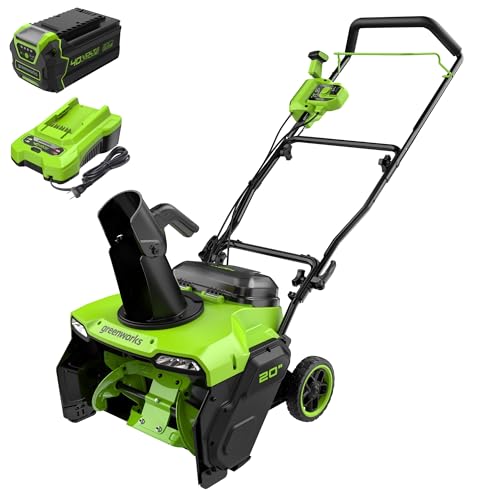
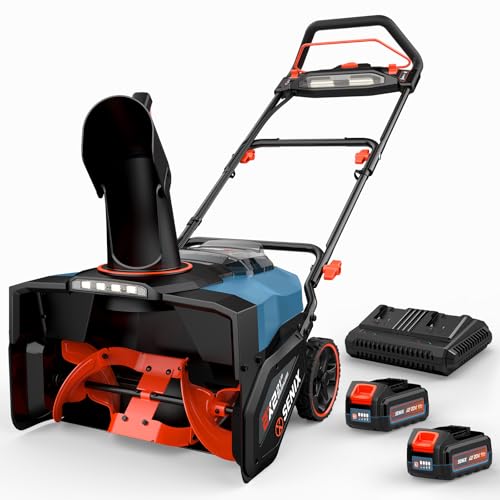
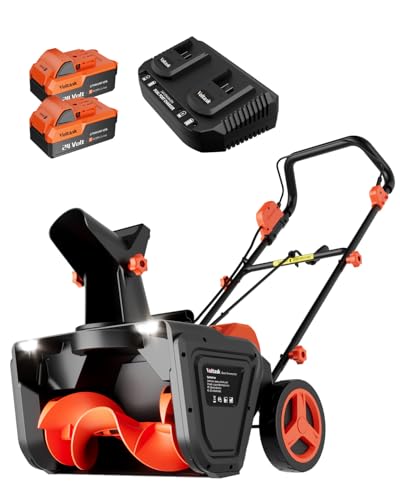

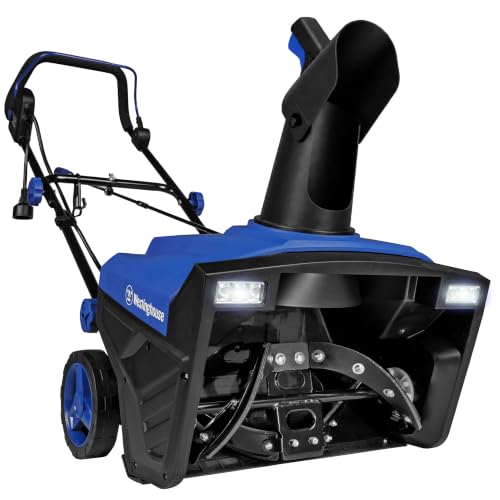
Our Top 3 Picks at a Glance
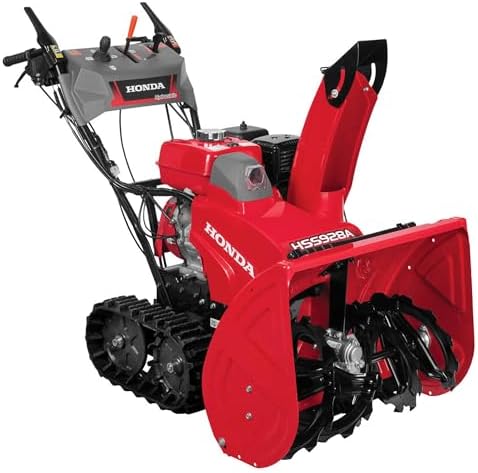
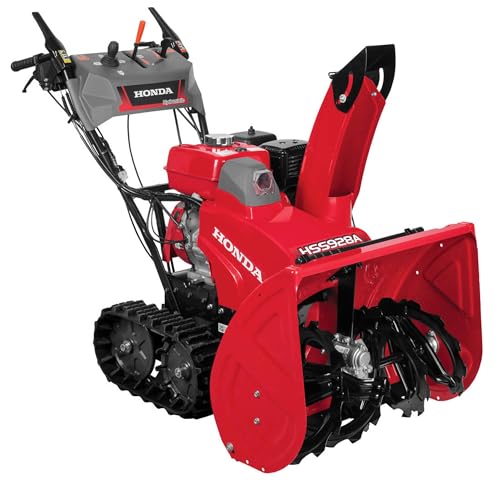
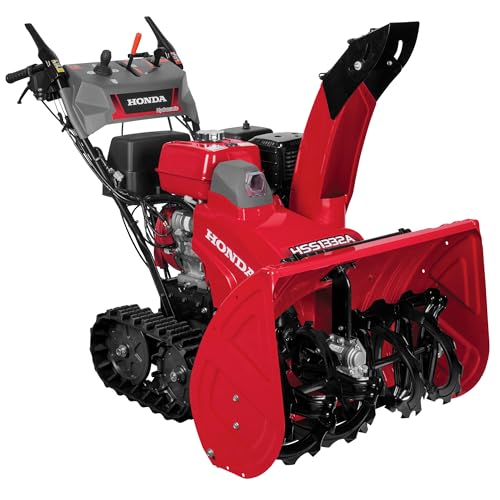
- Best Overall: Honda HSS928 28 Inch Two Stage Snow Blower (around $3,600). A commercial grade GX270 engine, rubber tracks and a hydrostatic drive make it the most capable all weather machine in this group.
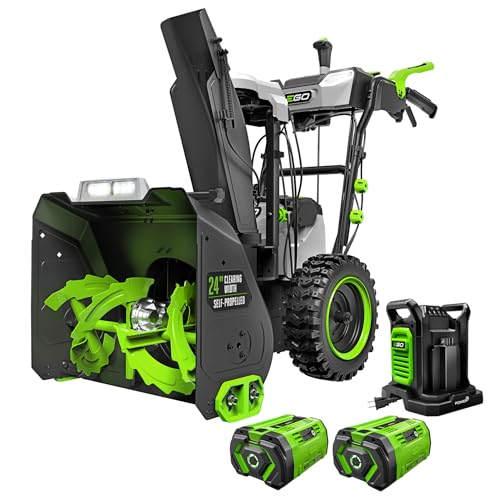
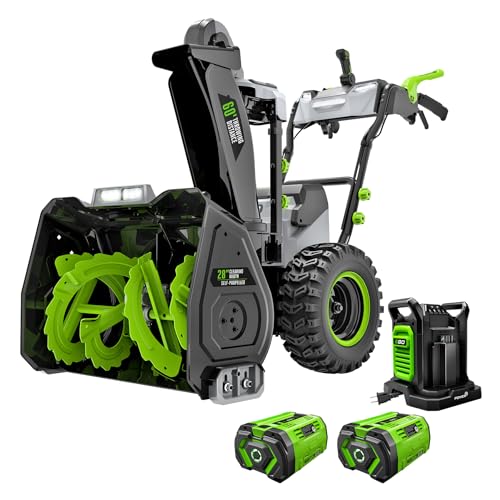
- Runner Up: EGO Power+ SNT2416 24" Self Propelled Two Stage XP (around $1,800). Two 10.0Ah batteries, a 20 inch intake and a throw of up to 50 feet bring battery clearing to bigger driveways.
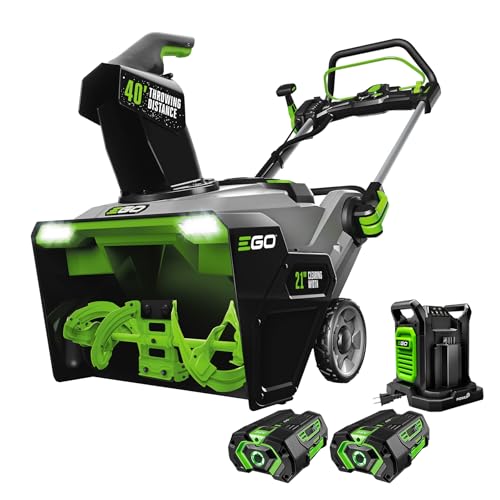
- Best Value: EGO Power+ SNT2112 21" Single Stage Cordless Snow Blower (around $750). A steel auger, a 21 inch path and a throw of up to 40 feet cover most suburban driveways with push button convenience.
Each pick targets a different household. If your winters bring deep drifts and icy plow ridges, start at the top. If you want quiet, fume free clearing with real muscle, look at the runner up. The best snow blower is simply the one that fits your conditions. If your snowfalls are mostly moderate and your budget is closer to a few hundred dollars than a few thousand, the value pick is the sensible choice.
How We Chose the Best Snow Blower
We started with performance for typical residential jobs: clearing width, intake height, throw distance and whether the machine can handle wet, packed snow rather than just fresh powder. Next came owner feedback, where we favored models that are well reviewed by a large base of buyers over ones with only a handful of opinions. Price against features mattered too, because a machine that costs twice as much should clear noticeably more snow or last noticeably longer.
Build quality and warranty coverage carried real weight, since a snow blower sits idle for months and then gets pushed hard in the worst conditions. Finally, every product in our table had to be a current model that is in stock and sold new on amazon.com, so you are not chasing a discontinued listing when the forecast turns ugly.
Snow Blower Reviews
1. Honda HSS928 28 Inch Two Stage Snow Blower: Best Overall
- Engine: commercial grade Honda GX270 OHV with electric key start
- Clearing width: 28 inches; clearing height: 21.7 inches
- Throw distance: up to 52 feet; capacity up to 1,900 pounds of snow per minute
- Drive: dual rubber tracks with a self propelled hydrostatic transmission
- Warranty: 3 year residential coverage; arrives ready to use with no assembly
Why We Picked It
Most households that live with real winters share the same pain points: a heavy plow ridge at the curb, a sloped or uneven driveway, and storms that drop more snow than a light machine can swallow. The HSS928 answers all three. Its 28 inch housing and 21.7 inch intake take a large bite with every pass, while the GX270 engine drives a two stage system rated to move up to 1,900 pounds of snow per minute and throw it as far as 52 feet. That throw matters on wide driveways where you need to clear the snowbank, not just push it to the edge.
The tracks are what set it apart from wheeled two stage models. Low temperature rubber with gripping cleats keeps the machine planted on inclines, gravel and icy patches, where tires tend to spin. The hydrostatic drive lets you move a single lever forward or back to set speed and direction without shifting gears, and ground speed does not change auger speed, so you can creep through a dense drift while the auger keeps working at full pace. An auger height control lever adjusts the housing with your thumb for different surfaces.
This is a premium two stage machine built for harsh winters, and the 3 year residential warranty backs that up.
Pros
- Huge clearing capacity and long throw from a 28 inch housing
- Tracks give excellent traction on slopes and icy ground
- Hydrostatic drive is simple to control and keeps the auger at full speed
- Electric key start helps on cold mornings
- Ships ready to go with a 3 year residential warranty
Cons
- Very expensive compared with wheeled two stage models
- Large and heavy, so it needs real garage space and takes effort to turn in tight areas
Who Should Buy It
This is the machine for homeowners in heavy snow regions with long, sloped or gravel driveways, or anyone who regularly faces a packed plow ridge. If you want one snow blower that will handle almost any residential storm for many seasons, the HSS928 is worth its price of around $3,600. Those with short, flat driveways and modest snowfall will be overbuying.
2. EGO Power+ SNT2416 24" Self Propelled Two Stage XP Snow Blower: Runner Up
- Power: two included 56V 10.0Ah ARC Lithium batteries with a dual port charger
- Clearing width: 24 inches; intake height: 20 inches
- Throw distance: up to 50 feet
- Drive: variable speed self propelled with trigger controlled steering
- Controls: 200 degree remote chute rotation and deflection lever, heated handle grips
- Runtime claim: up to a 24 car driveway with 8 inches of snow per charge
Why We Picked It
For years, battery snow clearing meant small single stage machines that struggled past a few inches. This EGO model changes that picture. Its Peak Power technology combines two batteries to run a true two stage system, and EGO rates it to clear heavy, wet snow and throw it up to 50 feet. The 24 inch width and 20 inch intake height put it in the same size class as many gas two stage machines, and the variable speed steel auger is designed to break up packed snow and ice.
What makes it practical on bigger driveways is the combination of self propelled drive and serious battery capacity. With the two included 10.0Ah packs, EGO says a single charge can clear a driveway sized for 24 cars under 8 inches of snow, which covers most suburban homes with room to spare. Trigger controlled steering helps the machine pivot at the end of each pass, a feature that matters when you are guiding a heavy blower by hand. The remote chute lever handles both rotation and deflection, and heated grips keep your hands working in bitter cold.
You also skip the gas cans, oil changes and fuel stabilizer that come with an engine, and the batteries work with other EGO 56V tools. For many buyers, that convenience is what makes it the best snow blower option short of a gas engine.
Pros
- Gas level clearing power without fumes, pull cords or engine maintenance
- Self propelled drive with assisted steering makes long passes easier
- Push button start every time, even after months in storage
- Large 10.0Ah batteries support big driveways on one charge
- Heated grips and a two in one chute lever add real comfort
Cons
- Heavy for a battery machine, so lifting it over steps or into a truck is a chore
- Replacement batteries are expensive if you need extra runtime later
Who Should Buy It
Choose this EGO if you have a medium to large driveway, get regular storms of wet snow and want to leave gas behind. It also makes sense for owners already invested in EGO 56V tools, since the batteries cross over. At around $1,800 it costs more than many gas two stage models, so it is best for buyers who value quiet, low maintenance operation enough to pay for it.
3. EGO Power+ SNT2112 21" Single Stage Cordless Snow Blower: Best Value
- Power: two included 56V 5.0Ah ARC Lithium batteries with a dual port charger
- Clearing width: 21 inches
- Throw distance: up to 40 feet
- Auger: steel, with variable speed control
- Motor: high efficiency brushless
- Build: weather resistant heavy duty steel and composite construction
Why We Picked It
Many households do not need a two stage machine at all. If your typical storm leaves a few inches to several inches of snow on a paved driveway, a strong single stage blower is quicker to start, easier to store and far cheaper. The SNT2112 hits that sweet spot. Peak Power technology draws on both included batteries, the brushless motor runs efficiently, and EGO says the steel auger cuts through ice and snow 50 percent faster than its earlier design. A throw of up to 40 feet is long for a single stage model, so snow lands well past the edge of the driveway.
Daily use is where it shines. There is no engine to prime, no cord to manage and no fuel to store, just batteries and a button. Because the auger contacts the pavement, a single stage machine like this one cleans down close to the surface, which helps on concrete and asphalt. Variable auger speed lets you slow things down on light powder and save battery, then speed up for heavier patches. For quiet, easy clearing on average driveways, sidewalks and patios, it delivers a lot for around $750.
Pros
- Quiet operation with instant push button start
- Light and compact enough to maneuver and store easily
- Handles typical snowfalls of moderate depth well
- Long throw for a single stage design
- Batteries work across the EGO 56V tool lineup
Cons
- Not built for deep, wet snow or the dense ridge left by a city plow
- Not self propelled, so you push it through every pass
- Single stage augers are not meant for gravel driveways
Who Should Buy It
This is the right pick for homeowners with a paved one or two car driveway, plus walks and a patio, in areas where storms are frequent but rarely extreme. It also suits people who want to stop shoveling without taking on engine maintenance. If you regularly face more than about a foot of heavy snow, step up to a two stage model instead.
Who Should Buy a Snow Blower (and Who Should Not)
A snow blower earns its keep when snow removal becomes a recurring chore rather than an occasional one. If you clear a driveway more than a handful of times each winter, deal with wet, heavy snow, or simply cannot shovel safely because of back, heart or joint concerns, a machine can save hours and real strain. Older homeowners in particular often find that a battery model with push button start is the easiest path; our guide to the best snow blower for seniors goes deeper on light, easy to control options.
Long or wide driveways, corner lots with extra sidewalk and homes where the street plow leaves a hard ridge at the end of the drive are all strong cases for buying. So are households where several people need to clear snow at different times, since a machine evens out the workload. For a broader look at matching machine size to property type, see our roundup of the best snow blower for homeowners.
On the other hand, a snow blower may not make sense if you live where snow falls only once or twice a year, if you have just a short walkway, or if you have nowhere dry to store the machine. In those cases a good ergonomic shovel or a small cordless snow shovel could be enough. If you are still on the fence, our breakdown of is a snow blower worth it walks through the cost against time saved.
How to Choose the Best Snow Blower
Snow blowers look similar on a store shelf, yet they behave very differently in a storm. These are the features that decide whether a machine fits your driveway and your winters, and they matter more than brand names when you are hunting for the best snow blower for your own home.
Single Stage vs Two Stage
A single stage snow thrower uses one auger that scoops snow and flings it out the chute in one motion. The auger touches the ground, so it scrapes paved surfaces fairly clean and helps pull the machine forward. These models are lighter, cheaper and easier to store, and they work best on paved driveways with light to moderate snow. They are not suited to gravel, since the auger can pick up stones.
A two stage machine adds an impeller behind the auger. The auger feeds snow into the impeller, which then blasts it out of the chute at higher speed. The result is a bigger intake, a longer throw and much better handling of deep, wet or packed snow. Two stage models ride slightly above the surface on skid shoes, so they are safe on gravel, though they leave a thin layer on pavement. If your area sees frequent heavy storms, two stage is usually the right call.
Clearing Width and Intake Height
Clearing width is how wide a path the machine cuts in one pass, and intake height is how deep a layer of snow it can take in. A wider housing means fewer passes, but it also means a larger, heavier machine. As a rough guide, 18 to 22 inches suits walks and small driveways, 24 inches covers most two car driveways, and 28 inches or more is for long drives and large lots. Intake height matters just as much: a tall opening, like the 21.7 inches on our Honda pick, keeps a deep snowfall from spilling over the top of the housing.
Gas vs Battery vs Corded
Gas models still lead in raw power and unlimited runtime, since you can refuel and keep going. They need oil changes, fresh fuel and more storage care. Battery machines have closed much of the gap: a high capacity two stage battery model can now handle large driveways, and it starts with a button, runs quietly and produces no fumes. The tradeoff is upfront cost and finite runtime per charge.
Corded electric blowers are the cheapest and lightest option, with no batteries to charge, but the extension cord limits range and has to be managed around the clearing path. They make most sense for short driveways near an outlet.
Throw Distance and Chute Control
Throw distance tells you how far the machine can place snow, which matters once banks start building up along the driveway late in the season. Single stage models often throw 25 to 40 feet, while two stage machines can reach 50 feet or more. Chute control is the other half of the equation. A remote lever or joystick that handles both rotation and deflection lets you redirect snow without stopping, which saves time and keeps snow off cars, windows and your neighbor's walk.
Self Propelled Drive and Traction
Larger two stage machines are heavy, so a powered drive is close to essential. Self propelled models move under their own power while you steer, and multiple speeds or a variable drive let you slow down in deep snow. Wheels with aggressive snow tires suit most flat driveways, while tracks grip far better on slopes, gravel and ice. Features such as power steering or trigger controlled steering make turning a heavy machine much easier at the end of every pass.
Electric Start and Headlights
Cold engines can be stubborn, so an electric start is a real convenience on gas machines. Some plug into a household outlet, while others use an onboard battery with a key, and many keep a recoil cord as a backup. Battery blowers start with a button by design. Headlights, usually LEDs, are worth having because a lot of snow clearing happens before sunrise or after work. Heated grips are another comfort feature that matters more than it sounds on long, frigid sessions.
Storage and Maintenance
Measure your garage or shed before buying, since a 28 inch two stage machine takes up far more floor space than a compact single stage unit. Folding handles help on smaller models. Gas machines need oil changes, a stabilizer or an empty tank before summer storage, and periodic checks of belts, shear pins and spark plugs.
Battery models mostly need clean, dry storage and batteries kept indoors at moderate temperatures. A durable cover protects any machine during the off season. Before ordering, it also helps to know where to buy a snow blower with easy service and parts access near you.
If you are wondering what is the best snow blower for your home, put these factors in order: snow depth and type first, then driveway size and surface, then power source and budget. For the best durable snow blower, look for a two stage design with a steel auger, a heavy duty housing and a solid warranty, like the 3 year residential coverage on the Honda HSS928.
FAQs About Snow Blowers
How long does a snow blower last?
A well maintained snow blower often lasts a decade or more, and premium two stage gas models tend to outlast lighter machines. Lifespan depends on how often it runs, the snow it faces and the care it gets. Changing oil, storing fuel properly, replacing worn belts and shear pins, and keeping the machine dry in the off season all add years. Battery models depend partly on battery health over time.
Is a snow blower worth the money?
Yes, for most people who clear snow regularly. A snow blower turns an hour or more of heavy shoveling into a much shorter job and greatly reduces strain on your back and heart. It pays off fastest on long driveways, in snowy regions and for older homeowners. If you get only a couple of light snowfalls each year, a quality shovel may be the smarter buy.
How much should I spend on a snow blower?
Match the budget to your snow. Corded and small cordless models for light snow and short drives often cost a few hundred dollars. Strong single stage battery machines run several hundred more. Two stage gas or battery models for heavy snow and larger driveways generally start around $1,000, and premium tracked machines can reach several thousand. Spending more only makes sense if your winters truly demand it.
How do I maintain a snow blower?
Read the manual first, then follow a simple routine. On gas machines, check oil before each use, change it each season and use fresh, stabilized fuel or run the tank dry before storage. Inspect belts, shear pins, skid shoes and the scraper bar for wear. For battery models, keep batteries indoors and charged. After every use, clear packed snow from the chute and housing.
Final Verdict
For most people facing serious winters, the Honda HSS928 is the best snow blower in this lineup, thanks to its tracks, hydrostatic drive, big intake and 3 year warranty. Buyers who want strong two stage clearing without gas should look at the self propelled EGO SNT2416, while the EGO SNT2112 is the value pick for average paved driveways and moderate snowfalls. Match the machine to your snow depth and driveway size, then check today's price on Amazon before the next storm arrives.