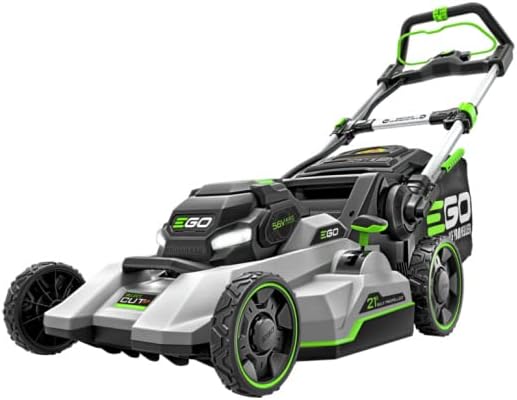
How Does a Riding Lawn Mower Work: A Complete Guide for 2026
Disclosure: We may earn a commission when you buy through links on this page, at no extra cost to you. As an Amazon Associate I earn from qualifying purchases. Learn more
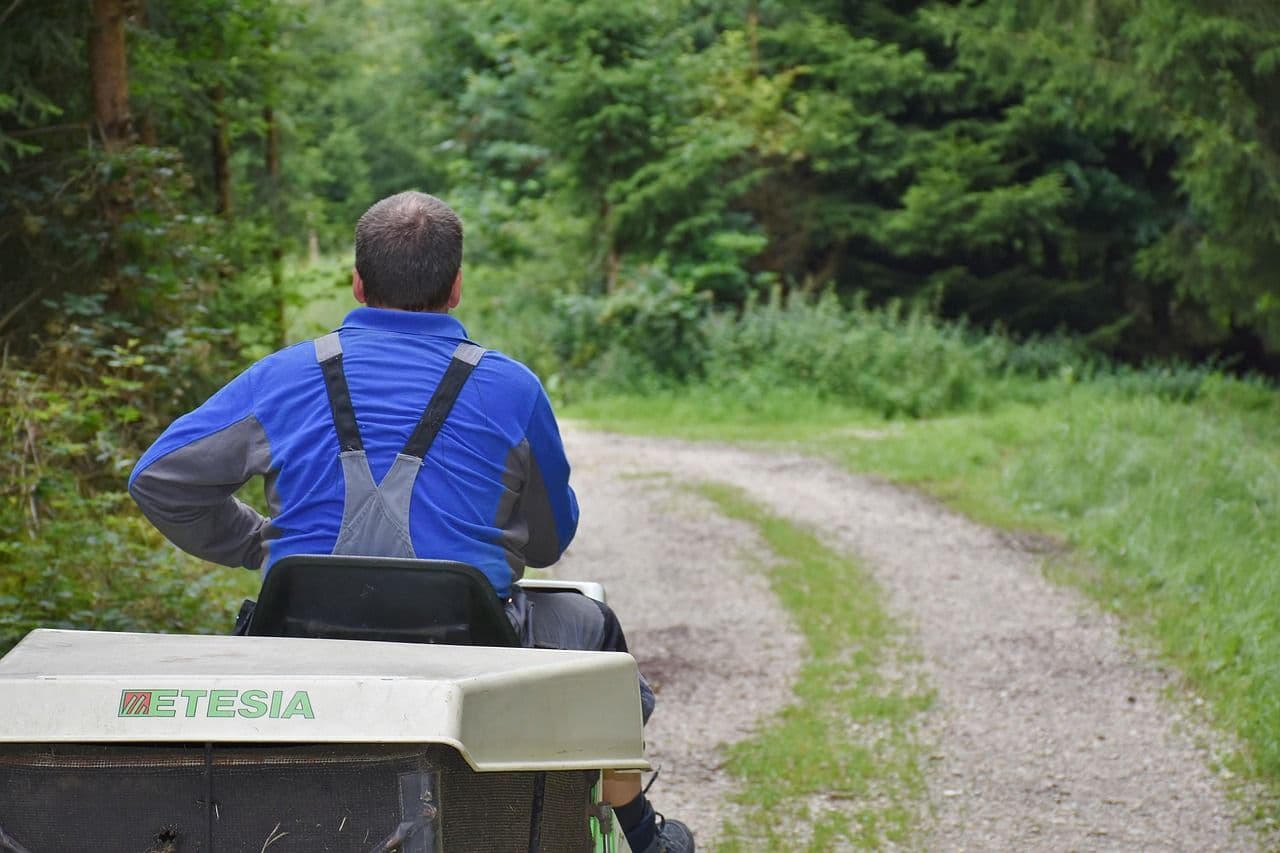
How does a riding lawn mower work? Engine, transmission, deck, blades and safety systems explained, plus types, uses, pros and cons.
A riding lawn mower works by using a gas engine or electric motor to drive two jobs at once: turning the rear wheels through a transmission so the machine moves, and spinning one or more blades under a cutting deck through a belt and pulley system. You sit on the mower, steer with a wheel or lap bars, set the cutting height with a lever and engage the blades with a switch or lever. That is the quick answer to how does a riding lawn mower work, and once you understand the parts, choosing, using and maintaining one gets much easier.
Below we explain the main components, what riding mowers are used for, the different types, and the pros and cons.
What Is a Riding Lawn Mower?
A riding lawn mower is a mower you sit on and drive, rather than push. It combines a small vehicle with a wide cutting deck, so you can mow a large area quickly without walking behind the machine. Most riding mowers cut a path between about 30 and 54 inches wide, compared with roughly 20 to 22 inches for a typical push mower.
The term covers several machines. A rear engine rider is a compact mower with the engine behind the seat. A lawn tractor has the engine in front and a deck slung underneath, and it can often tow carts and other attachments. A zero turn mower uses two independently driven rear wheels and lap bars to pivot in place. Electric riding mowers replace the gas engine with batteries and electric motors.
All of them are designed for acreage and larger suburban lots where a push mower would take hours. They reduce physical effort, mow faster and give a consistent cut across big, open lawns.
How Does a Riding Lawn Mower Work?
Here are the main components and how they work together.
Engine or motor. Gas riders use a small single or twin cylinder engine. Electric riders use one or more electric motors powered by a large battery pack. This is the power source for everything else.
Transmission and drive. Power reaches the rear wheels through a transmission. Many lawn tractors use a hydrostatic transmission, which uses fluid pressure to change speed smoothly with a pedal. Others use a manual or automatic gear system. Zero turn mowers use two hydrostatic drives, one per rear wheel, controlled by the lap bars.
Steering. Lawn tractors steer like a car, turning the front wheels with a steering wheel. Zero turn mowers steer by changing the speed and direction of each rear wheel, which lets them spin in place around trees and beds.
Cutting deck and blades. The deck is a steel or fabricated housing under the mower that holds one to three blades on spindles. A belt runs from a pulley on the engine to the spindle pulleys. When you engage the power take off (PTO), an electric clutch or lever tightens the belt and the blades spin at high speed. The deck shape creates airflow that lifts grass and throws clippings out the side chute, into a bagger or back into the lawn as mulch.
Height adjustment. A lever or dial raises and lowers the deck to set cutting height, usually across several positions.
Safety systems. A seat switch shuts off the blades or engine if you leave the seat with the blades engaged. Many mowers also require the brake to be pressed to start, and a reverse mowing option prevents mowing backward unless you select it.
Electrical system. Gas mowers use a 12 volt battery for the starter and the PTO clutch. Electric mowers rely on their main battery for drive, blades and controls, and must be charged after use.
What Is a Riding Lawn Mower Used For?
The main job is cutting large lawns quickly and evenly. So, what is a riding lawn mower used for in different yards? Here is how they handle common conditions.
Hills & Uneven Terrain
Riding mowers can handle gentle slopes, but steep hills require care because of rollover risk. Check the slope limit in the manual and mow up and down slopes rather than across on most models. Lawn tractors with good traction and a low center of gravity do best. See our picks for the best riding lawn mower for uneven terrain.
Large Yards
This is where riders shine. On a lawn of half an acre or more, a wide deck and steady speed cut mowing time dramatically. Zero turn mowers are especially fast on big lots dotted with trees and flower beds.
Small Yards
Compact rear engine riders and small lawn tractors with 30 to 42 inch decks suit smaller lots and narrow gates. Our list of the best riding lawn mower for small yards focuses on these.
Tall / Thick Grass
Riders can tackle thick grass if you raise the deck and slow down. For very tall growth, make two passes, cutting higher first, to avoid clogging the deck and straining the belt.
Wet Grass
Mowing wet grass with any rider is best avoided. Clippings clump and stick under the deck, wheels can slip on slopes and the cut is uneven. Wait for the lawn to dry when possible.
Types of Riding Lawn Mowers
Rear engine riders. Compact, easy to store and lower priced. They suit smaller lawns and owners who want simple controls.
Lawn tractors. The most common type, with front engines, steering wheels and 38 to 54 inch decks. Many can pull carts, spreaders and dethatchers, making them versatile for yard work beyond mowing.
Garden tractors. Heavier duty than lawn tractors, with stronger frames and transmissions for ground engaging attachments.
Zero turn mowers. Lap bar steering and independent rear wheels let them turn in place and mow faster around obstacles. They take a little practice and are less suited to steep slopes.
Electric riding mowers. Battery powered models are quiet, have no oil or gas, and need little routine engine care. Runtime and charging time depend on battery capacity and lawn size.
Pros and Cons
Pros
- Mows large areas much faster than a push mower
- Far less physical effort
- Wide decks give an even, consistent cut
- Many models tow carts and attachments
Cons
- Higher purchase price and storage space needed
- More maintenance on gas models (oil, filters, belts)
- Rollover risk on steep slopes
- Too large for tight, small yards
Is a Riding Lawn Mower Right for You?
A riding mower makes sense if your lawn is around half an acre or larger, you have the space to store it, and you want to cut mowing time and effort. It is also a strong choice for anyone who finds pushing a mower physically difficult. If your lawn is small or has many tight corners and steep banks, a self propelled push mower may be the better tool. Our best lawn mower guide compares both types.
Next, think about power. Gas riders run as long as there is fuel in the tank and suit big properties, but they need oil changes, filters and winter fuel care. Electric riders are quieter and nearly maintenance free, which many owners appreciate, as long as one charge covers the lawn. Finally, measure your gate and storage space before you buy, since deck width and overall size vary a lot between models.
Frequently Asked Questions
What is a riding lawn mower used for?
A riding lawn mower is used to cut large lawns quickly while you sit and steer. It suits yards of about half an acre or more and can also bag or mulch clippings. Many lawn tractors pull carts, spreaders and other attachments, making them useful for general yard work.
Is a riding lawn mower worth buying?
For larger properties, yes. A riding mower can turn hours of walking behind a push mower into a much shorter ride, with less strain on your body. For small or very hilly lawns, a push or self propelled mower is often a better value. If you decide to buy, see where to buy a lawn mower.
How long does a riding lawn mower last?
With regular maintenance, a riding lawn mower can last many years. Changing oil, sharpening blades, keeping the deck clean and storing it under cover all extend its life. Electric riders need less engine care, but their batteries eventually lose capacity and may need replacing.
Final Thoughts
In short, how does a riding lawn mower work? An engine or motor drives the wheels through a transmission and spins the blades through a belt, while you steer, set the height and engage the blades from the seat. When you are ready to shop, compare our picks for the best riding lawn mower, which covers lawn tractors and zero turn models for every budget.