
How Much Does a Watering Can Cost in 2026? Real Price Ranges Explained
Disclosure: We may earn a commission when you buy through links on this page, at no extra cost to you. As an Amazon Associate I earn from qualifying purchases. Learn more

How much does a watering can cost? Real price tiers from $10 plastic cans to $75 galvanized steel, plus what drives the price.
Most watering cans cost between about $10 and $75. Basic plastic cans start around $10, sturdy two gallon garden cans and stainless steel indoor cans run about $15 to $30, and premium galvanized steel or specialty long spout cans cost around $50 to $75. If you are wondering how much does a watering can cost, capacity, material and spout design explain almost all of the difference.
Below you will find real price ranges based on cans currently sold on Amazon, the features that push prices up, the small extra costs to plan for and simple ways to save without ending up with a can that leaks or spills.


How Much Does a Watering Can Cost? Average Prices in 2026
Watering cans fall into three broad tiers. The table shows what you can expect to pay and what you get.
| Tier | Typical price | What you get |
|---|---|---|
| Entry level | Around $10 to $15 | Lightweight plastic, half gallon to 1.8 liter capacity, basic spout |
| Mid range | Around $15 to $30 | Two gallon plastic garden cans, stainless steel indoor cans with long spouts, small specialty plastic cans with fine roses |
| Premium | Around $50 to $75 | Hot dipped galvanized steel, premium long spout cans, copper and heavy duty designs |
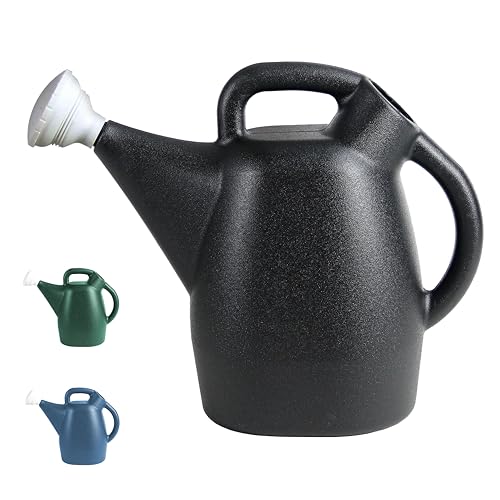
At the entry level, the CHAPIN 48000 half gallon watering can costs around $10 and is light enough for kids and quick indoor jobs. Small plastic indoor cans with long spouts sit in a similar range.
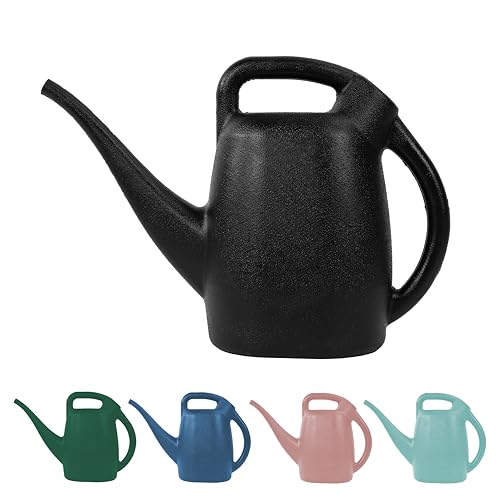
In the mid range, the CHAPIN 47998 two gallon can for indoor and outdoor plants is about $19, and stainless steel indoor cans like the LTSUMI 35 oz model with a long spout cost around $20. Specialty plastic cans such as the HAWS Bartley Burbler, a two pint pot waterer with a fine spray rose, run about $26.
Premium cans cost noticeably more. The Behrens hot dipped galvanized steel can with a wooden handle is around $59, and the Dramm premium long spout can, about 5 liters, sits near $64. These are built for daily outdoor use and many years of service. Decorative copper and brass cans for indoor plants can also reach this tier, where you are paying partly for appearance rather than function.
What Affects the Price
Four factors explain most of the price gap between a $10 can and a $70 one.
Capacity and Weight When Full
Larger cans cost more to make, but price rises less than you might expect. The bigger issue is weight: water weighs a little over 8 pounds per gallon, so a full two gallon can weighs more than 16 pounds plus the can itself. Indoor cans hold well under a gallon, while garden cans usually hold one to two gallons. Choose the largest size you can comfortably carry.
Spout Length and Rose Head
Long, narrow spouts reach the back of shelves and the base of plants without splashing leaves, which is why indoor cans often feature them. A rose head, the perforated cap on the spout, breaks the flow into a gentle shower for seedlings and flower beds. Removable or brass roses add cost but give you more control.
Material: Metal vs Plastic
Plastic is light, cheap and will not rust, but thin plastic can crack in sun and cold. Stainless steel indoor cans look attractive and resist corrosion. Galvanized steel is the classic heavy duty outdoor choice and costs the most, along with copper and specialty metals.
Handle Design and Balance
A well placed handle, or a second handle near the base, makes a full can easier to tip without strain. Cheaper cans often balance poorly, which leads to sloshing and sore wrists. Premium designs spend more on ergonomics, which matters if you water every day.
Where you water also shapes the price. Indoor cans are small and often chosen partly for looks, so finish and color can add a few dollars. Outdoor cans focus on capacity, a sturdy base and a rose that does not clog, and the most durable ones cost more because they are built to sit outside through the season.
Hidden and Ongoing Costs
A watering can is cheap to own, but a few small costs can add up. Replacement rose heads or spouts are sometimes needed if they clog or get lost, and some cheap cans have no replacement parts at all. Plastic cans left in direct sun can become brittle and need replacing after a few seasons.
Metal cans can corrode at seams if stored wet, and galvanized coatings can wear over time. If you water large beds by hand, you may also end up buying a second can so you can carry one in each hand for better balance. Finally, consider the hidden cost of your time: if you are filling a small can over and over for a big garden, a hose, a larger can or a drip system may save effort.
Is a Cheap Watering Can Good Enough?
For many people, yes. A $10 to $20 plastic can handles houseplants, patio pots and small gardens perfectly well, and the CHAPIN style cans are popular for good reason. They are light, easy to fill and hard to break.
The tradeoffs are durability, balance and control. Thin plastic can crack after a few seasons outdoors, and basic spouts may pour unevenly. If you water a lot every day, need a fine rose for seedlings or want a can that lasts for years, spending a little more on a well designed plastic or metal can is worth it. For watering beds and borders, compare our picks for the best watering can for flower beds.
A good middle path for most homes is one mid range can in the $15 to $30 range for outdoor pots and beds, plus a small long spout can for houseplants. That pairing covers nearly every watering job for well under the price of a single premium can.
How to Save Money on a Watering Can
Shop end of season sales in late summer and fall, when garden centers clear stock. Amazon deal events often discount popular plastic and stainless cans, and multi packs can lower the price per can if you need one indoors and one outside. Check whether a can includes a removable rose rather than buying one separately. Reading recent owner reviews for comments about leaks at the seams or spouts is one of the easiest ways to avoid wasting money on a can that needs replacing quickly.
Before you buy, match capacity to your real needs. Many people overspend on large cans they find too heavy to use. Our guide on where to buy a watering can compares stores, and our article on how to use a watering can covers simple techniques that make even a basic can work well.
Frequently Asked Questions
Is it cheaper to buy a watering can online?
Often, yes. Online stores carry many more sizes and styles, so it is easier to find a well reviewed can at a good price, and deal events can cut costs further. Local garden centers may match online prices on basic plastic cans, and buying in person lets you check balance and weight before you pay.
How long does a watering can last?
A plastic can lasts a few seasons outdoors, or much longer if stored out of the sun. Stainless steel indoor cans can last many years with gentle use. Galvanized steel cans are built for heavy outdoor use and can last for many years if emptied and stored dry. For long lasting options, see the best watering can for heavy duty use.
What size watering can should I buy?
For houseplants, a can of about 1 to 2 liters is easy to handle and pour precisely. For patio pots and small beds, a 1 gallon can is a good balance. Larger gardens benefit from a 2 gallon can, but only if you can carry it comfortably when full. Many gardeners own one small indoor can and one larger outdoor can.
Final Thoughts
So, how much does a watering can cost? Plan on around $10 to $15 for a basic plastic can, about $15 to $30 for a sturdy garden can or stainless indoor can, and around $50 to $75 for a premium galvanized or specialty can. When you are ready to buy, see our picks for the best watering can.


