
How to Choose a Robot Vacuum and Mop: Buying Guide for 2026
Disclosure: We may earn a commission when you buy through links on this page, at no extra cost to you. As an Amazon Associate I earn from qualifying purchases. Learn more

How to choose a robot vacuum and mop: navigation, suction, mopping systems, docks, prices and sizing explained simply.
If you are wondering how to choose a robot vacuum and mop, start with three questions: what floors you have, how much hands off cleaning you want and what you can spend. Then compare navigation, suction, the mopping system and the dock, since those four features decide how well a robot actually cleans and how often you need to step in.
This guide explains each feature in plain terms, shows typical prices, helps you size a robot to your home and points out the mistakes that lead to regret.

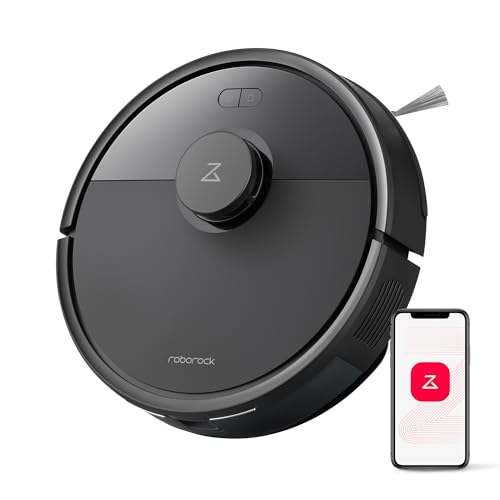
What Is a Robot Vacuum and Mop and Do You Need One?
A robot vacuum and mop is a combo robot that vacuums dust and debris, then wipes hard floors with a damp pad or roller. Basic models drag a wet pad behind the vacuum, while advanced robots scrub with spinning pads or rollers and lift them over carpet. You will likely benefit if you have hard floors, pets, kids or simply little time to clean. Daily runs keep dust, crumbs and pet hair under control, and you only need a deep clean now and then. If your home is mostly thick carpet, a vacuum only robot may be the smarter buy.
A combo robot does not replace every cleaning job. It handles daily maintenance well, but sticky spills, grout lines and heavy mud still need a manual mop or a wet dry vacuum from time to time. Think of the robot as the tool that keeps floors from getting dirty in the first place.
Main Types of Robot Vacuum and Mops
- Basic combo robots: vacuum plus a static wet pad, emptied and refilled by hand. They suit small apartments and budget buyers.
- Self emptying combos: a dock sucks debris from the robot into a bag that lasts weeks. They suit busy homes and pet owners.
- All in one docks: the dock empties the bin, washes and dries the mop and refills clean water. They suit larger homes with lots of hard flooring.
- Mop lifting and roller mop models: raise the mop over rugs or use a self cleaning roller. They suit homes with mixed floors.
To see top models in each group, check our guide to the best robot vacuum and mop.
How to Choose a Robot Vacuum and Mop: Key Features to Consider
Knowing what to look for in a robot vacuum and mop helps you pay for features you will actually use.
Suction Power (Pa) and Brush Design
Suction is listed in pascals (Pa). Around 5,000 to 8,000 Pa is fine for hard floors, while 15,000 Pa or more helps on carpet and pet hair. Rubber or anti tangle brushes resist hair wrap better than bristle brushes. Side brush design matters too: robots with an extending side brush or arm reach deeper into corners and along baseboards, where dust tends to collect.
Navigation: LiDAR, Camera and Obstacle Avoidance
LiDAR maps rooms accurately and works in the dark. Camera and AI obstacle avoidance help the robot dodge socks, cables and pet messes. Basic gyro robots cost less but clean in less efficient patterns.
Self Emptying and Self Cleaning Docks
Self emptying docks hold weeks of debris. All in one docks also wash and dry mop pads, which prevents odors and saves manual work, but they take more floor space and cost more.
Mopping System and Carpet Detection
Spinning pads and roller mops scrub better than a dragged pad. Mop lifting or carpet detection keeps rugs dry. Some docks also add warm water washing and hot air drying for pads, which helps with sticky kitchen spills and keeps pads fresh between runs. Adjustable water flow lets you use less water on wood and more on tile. If you have lots of wood floors, see the best robot vacuum and mop for hardwood floors.
Battery Runtime and Recharge and Resume
Look for at least 120 minutes for larger homes. Recharge and resume lets the robot return to the dock, charge and continue where it stopped.
App, Mapping and Smart Home Features
Apps let you set no go zones, choose rooms, schedule cleans and adjust water flow. Voice assistant support is a nice extra.
Height, Threshold Climbing and Noise
Slim robots fit under sofas and beds. Check threshold climbing height if you have raised door sills, and look for quiet modes if you clean while home.
How Much Should You Spend?
Entry level combo robots cost around $100 to $300, often with basic mopping and sometimes a self emptying dock. Mid range models with LiDAR, stronger suction and all in one docks run around $400 to $900. Premium robots with roller mops, advanced obstacle avoidance and fully automatic docks cost around $1,000 to $1,600. Pet owners should budget for better suction and anti tangle brushes; see the best robot vacuum and mop for pet hair.
Remember the running costs. Self emptying docks use disposable dust bags, mop pads and side brushes wear out, filters need replacing and many owners add a floor cleaning solution made for their robot. These parts are usually inexpensive one at a time, but they add up over a year, so check that replacements are easy to find for the model you choose.
Where to Buy a Robot Vacuum and Mop: Amazon vs Big Box Stores vs Specialty Shops
Amazon has the widest choice and the most owner reviews, plus frequent price drops on last year's models. Big box stores let you see dock size in person and return locally. Brand stores sell parts and accessories. For more detail, read where to buy a robot vacuum.
What Size Robot Vacuum and Mop Do You Need?
When asking what size robot vacuum and mop do I need, think about floor area, layout and how much you want to automate.
| Home size | Floors | Suggested robot |
|---|---|---|
| Studio or small apartment | Mostly hard floors | Basic combo, 90 to 150 minute runtime |
| Medium home, 2 to 3 bedrooms | Mixed floors and rugs | LiDAR combo with mop lifting and self emptying dock |
| Large or multi level home | Lots of hard flooring | All in one dock, multi floor maps, recharge and resume |
For multi level homes, choose a robot that saves several maps, and plan to carry it between floors or buy a second robot for upstairs.
Common Buying Mistakes to Avoid
- Buying a robot with a dragged pad for homes with many rugs.
- Ignoring dock size and where it will fit.
- Skipping obstacle avoidance in homes with pets, cables or toys.
- Forgetting ongoing costs like dust bags, mop pads and cleaning solution.
- Choosing on suction numbers alone instead of navigation and mopping quality.
Frequently Asked Questions
What to look for in a robot vacuum and mop?
Focus on navigation (LiDAR plus obstacle avoidance), suction suited to your floors, a mopping system that scrubs and lifts over carpet and a dock that matches how hands off you want to be. Good app controls for no go zones and room selection round out a strong choice.
How do I choose a robot mop?
How to choose a robot mop comes down to scrubbing method and carpet handling. Spinning pads or roller mops clean better than a dragged cloth, and mop lifting keeps rugs dry. If you want less upkeep, pick a dock that washes and dries pads automatically.
Can a robot vacuum and mop clean carpets?
It can vacuum carpets and rugs, but it should not mop them. Models with carpet detection and mop lifting raise or remove the mop on carpet. For homes with lots of thick carpet, strong suction matters more than mopping.
Where to buy a robot mop?
Amazon offers the most models and owner reviews, big box stores let you see docks in person and brand stores carry parts. Compare return policies before buying, since all in one docks are large and heavy to ship back.
What is the best brand of robot vacuum and mop?
There is no single best brand for every home. iRobot, roborock, dreame, eufy, ECOVACS and Shark all offer combos across price ranges. Compare navigation, mopping and dock features within your budget rather than choosing by brand alone.
Final Thoughts
Learning how to choose a robot vacuum and mop is mostly about matching navigation, suction, mopping and dock features to your floors and budget. Size the robot to your home, avoid the common mistakes and you will enjoy cleaner floors with little effort. When you are ready, start with our picks for the best robot vacuum.


