
How to Clean a Handheld Vacuum the Right Way: Easy Step by Step Guide
Disclosure: We may earn a commission when you buy through links on this page, at no extra cost to you. As an Amazon Associate I earn from qualifying purchases. Learn more
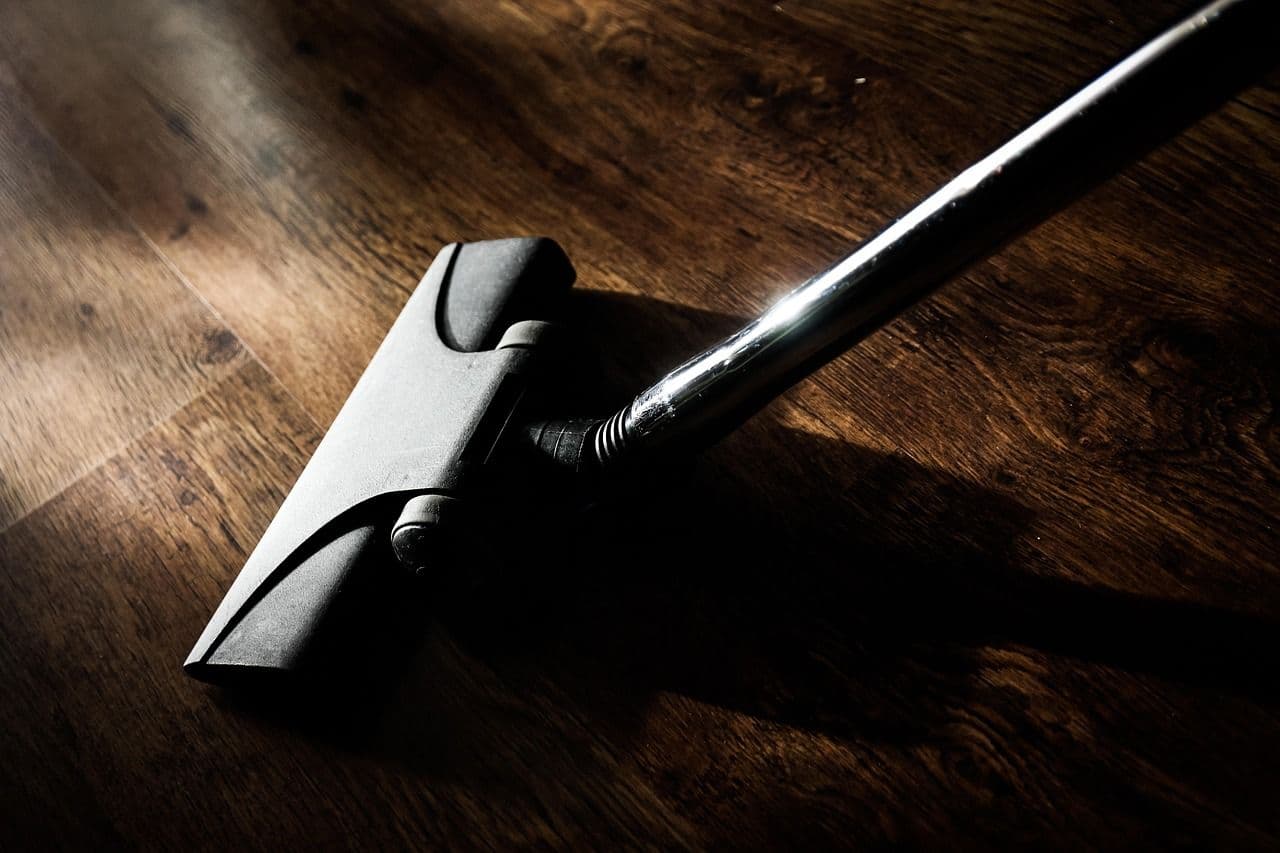
How to clean a handheld vacuum in seven simple steps, plus a maintenance schedule and fixes for weak suction and short runtime.
Knowing how to clean a handheld vacuum comes down to a short routine: empty the bin after every use, wash or tap out the filter regularly, clear hair from the brush roll and check the nozzle and attachments for clogs. Add simple battery care for cordless models, and your vacuum keeps strong suction and lasts years longer.
This guide walks through the tools you need, a step by step cleaning routine, a maintenance schedule you can follow all year and fixes for the most common problems, so your handheld is always ready for crumbs, pet hair and car cleanups.
Why Regular Maintenance Matters
Handheld vacuums have small bins, compact filters and short airflow paths, so they clog faster than full size machines. A packed filter or a bin that is only half emptied can cut suction noticeably, and the motor then works harder and runs hotter. Over time that extra strain shortens battery life and can wear out the motor early.
Regular cleaning also keeps odors away. Food crumbs and pet hair left inside the bin can start to smell, especially in warm weather or after cleaning a car. A few minutes of care each week keeps suction strong, the air clean and the vacuum working like new.
There is a cost angle too. Replacement batteries and motors are often a large share of the price of a new handheld, so simple upkeep is the cheapest way to protect your investment. If you also own other small vacuums, the same habits explain how to maintain a portable vacuum or a mini car vacuum, since they all share the same weak points: small bins, fine filters and narrow nozzles.
What You Need
- A trash can or bag for emptying debris
- Scissors or a seam ripper for tangled hair
- A soft brush or old toothbrush
- Microfiber cloths
- Mild dish soap and lukewarm water
- A long, thin tool such as a straightened coat hanger or wooden dowel for clogs
- Replacement filters, if your model uses disposable ones
How to Clean a Handheld Vacuum Step by Step
These steps cover how to clean a cordless handheld vacuum as well as corded and car models. Always switch the vacuum off, unplug it or remove the battery before you start, and check your owner's manual for any model specific instructions.
Step 1: Empty the bin or change the bag
Hold the vacuum over a trash can and release the bin. Tap it gently to loosen packed dust, and pull out any hair or string caught around the cyclone or mesh screen. If your model uses a bag, replace it when it is about two thirds full. Emptying after every use is the single best habit for steady suction. If the bin has a removable cyclone or shroud, take it out once a week and brush away the fine dust that collects on the mesh, because that layer blocks airflow even when the bin looks empty.
Step 2: Wash or replace filters
Remove the filter and tap it against the inside of the trash can to knock out loose dust. If the manual says the filter is washable, rinse it under lukewarm water without soap until the water runs clear, then let it air dry for at least 24 hours. Never put a damp filter back in, since moisture can damage the motor and cause mildew.
Replace disposable or worn filters as recommended. Some models have two filters, a pre filter and a post motor filter, so check both. Keeping a spare filter on hand lets you swap in a clean one while the washed filter dries.
Step 3: Remove hair from the brush roll
If your handheld has a motorized brush or pet tool, pull it off and look for wrapped hair, thread and carpet fibers. Cut along the bristles with scissors or a seam ripper and pull the strands away. Wipe the roller and its housing with a dry cloth. A clean brush roll spins freely and picks up far more pet hair.
Step 4: Check hoses for clogs
Look through the nozzle, inlet and any flexible hose for blockages. Gently push a dowel or straightened hanger through to clear trapped debris, being careful not to puncture anything. Small items like coins, cereal and pet food are common culprits. A clear airflow path is essential for strong suction. If you hear a whistling sound or the motor pitch rises, that is often a sign of a partial blockage somewhere in the path.
Step 5: Clean attachments
Wash the crevice tool, dusting brush and other plastic attachments in warm soapy water, then rinse and dry them fully. Use an old toothbrush to clean bristles and tight corners. Clean tools work better and stop you from spreading old dust around the next time you use them.
Step 6: Battery care (cordless models)
Wipe the charging contacts with a dry cloth so the vacuum charges properly. Store the battery at room temperature, away from hot cars and freezing garages, and avoid leaving it fully drained for long periods. This is the most important part of how to maintain a cordless handheld vacuum, because lithium batteries age faster when they sit empty or get very hot. If runtime drops sharply even after cleaning the filter, the battery may be wearing out and can often be replaced.
Step 7: When to replace filters, batteries and parts
Most handhelds have no belts, but filters, brush rolls and batteries wear over time. Replace filters when they stay discolored after washing or tear. Change brush rolls when bristles are flattened or missing. Replace the battery when a full charge no longer gets you through normal jobs. Using genuine or compatible parts keeps the vacuum working as designed.
Maintenance Schedule (Daily, Monthly, Yearly)
Following a simple schedule is the easiest way to learn how to maintain a handheld vacuum without thinking about it.
| How often | Task |
|---|---|
| After every use | Empty the bin or check the bag, wipe the nozzle |
| Weekly | Tap out the filter, remove hair from the brush roll |
| Monthly | Wash washable filters and attachments, check for clogs, clean charging contacts |
| Every 6 to 12 months | Replace disposable filters, inspect brush rolls and seals |
| Yearly or as needed | Check battery runtime and replace worn batteries or parts |
Heavy users, such as pet owners or anyone doing regular car detailing, should move each task up a step.
Troubleshooting Common Problems
Weak suction: Empty the bin, clean or replace the filter and check the nozzle and inlet for clogs. A packed filter is the most common cause.
Bad smell: Wash the bin and attachments, let everything dry fully and replace a filter that smells even after washing. Avoid vacuuming damp debris with a dry only model.
Short runtime: Clean the filter first, since a clogged filter drains the battery faster. If runtime is still short, the battery may need replacing.
Brush not spinning: Remove hair and threads from the brush roll and check that the attachment clicks fully into place.
Not charging: Wipe the charging contacts, check the charger and outlet, and make sure the battery is seated correctly. If the problem continues, contact the maker under warranty.
Once your handheld is running well again, our guide on how to use a mini vacuum shares tips for getting the most from every charge.
Frequently Asked Questions
How often should I clean a handheld vacuum?
Empty the bin after every use and tap out the filter about once a week. Wash washable filters and attachments monthly, or more often if you vacuum pet hair, sand or food crumbs regularly. These quick habits keep suction strong and stop odors from building up.
Can I wash the filter or parts with water?
Many handheld filters, bins and attachments are washable, but always check the manual first. Rinse with lukewarm water, skip harsh detergents on filters and let every part air dry for at least 24 hours. Never wash the motor body, battery or any electrical parts.
How do I clean a mini or portable vacuum?
If you are wondering how to clean a mini vacuum or how to clean a portable vacuum, the same steps apply: empty the bin, clean the filter, clear the nozzle and wipe the tools. Smaller units clog faster, so empty them after every use.
Where can I buy replacement parts or a new handheld vacuum?
Filters, batteries and tools are sold by most brands and on Amazon, where you can match parts by model number. If your old unit is worn out, compare retailers in our guide on where to buy a handheld vacuum.
Final Thoughts
Learning how to clean a handheld vacuum takes only a few minutes, and the payoff is strong suction, fresher air and a longer life for the battery and motor. If it is time for an upgrade, see our picks for the best handheld vacuum, the best handheld vacuum for pet hair and the best handheld vacuum for stairs.


