How to Clean a Push Lawn Mower: Step by Step Guide for 2026
Disclosure: We may earn a commission when you buy through links on this page, at no extra cost to you. As an Amazon Associate I earn from qualifying purchases. Learn more
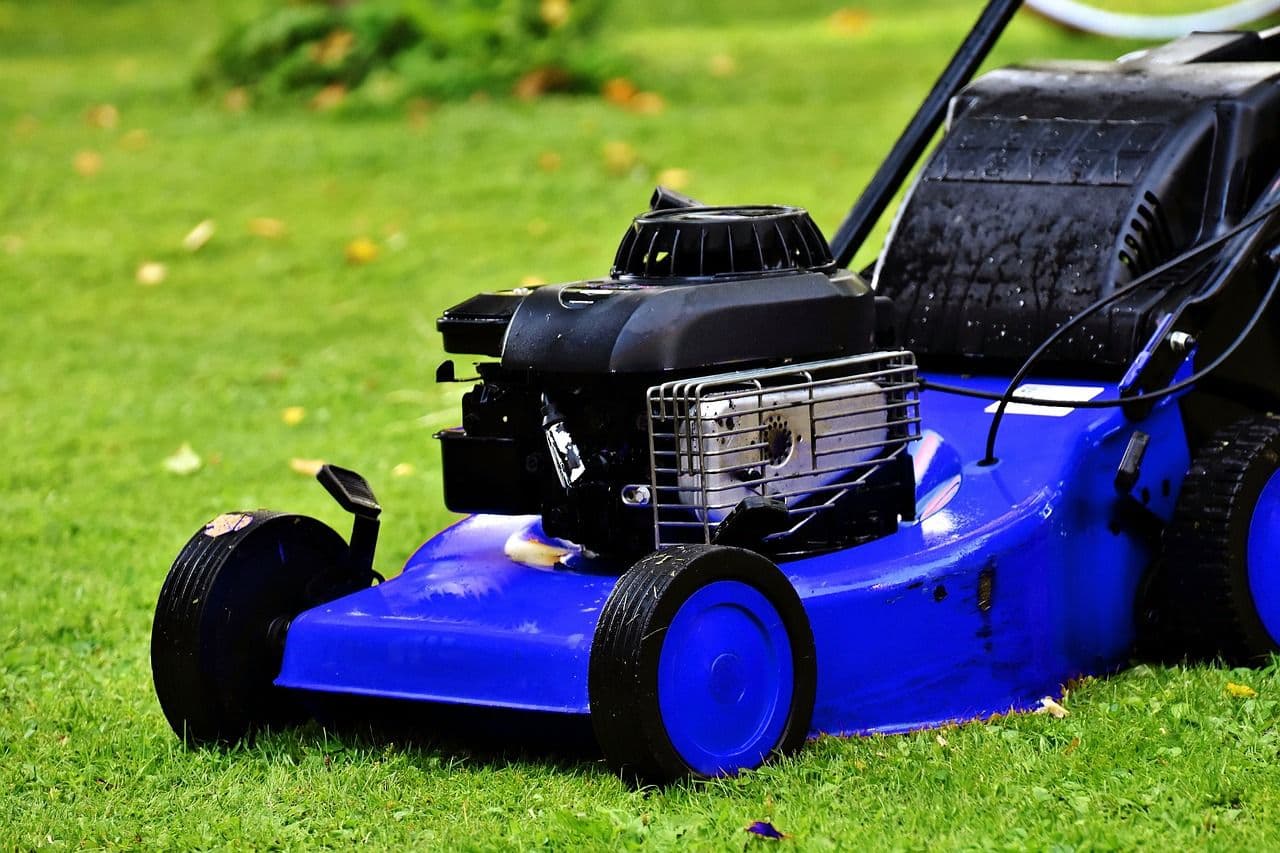
How to clean a push lawn mower in under 20 minutes: safe tipping, deck scraping, blade care, oil, battery tips and a simple schedule.
To clean a push lawn mower, first make it safe by disconnecting the spark plug wire on a gas model or removing the battery on a cordless one. Then tilt the mower with the air filter and carburetor side facing up, scrape the packed grass from under the deck, brush or blow off the top and wheels, and wipe it dry before checking the blade. Learning how to clean a push lawn mower this way takes about 15 to 20 minutes and keeps the cut clean, the engine cool and the deck free of rust.
Below you will find a simple supplies list, a six step routine that covers gas and battery mowers, a maintenance schedule and fixes for the problems owners run into most often.
Why Regular Maintenance Matters
Every time you mow, damp clippings spray against the inside of the deck and stick there. Within a few weeks that layer hardens, chokes the airflow that lifts grass and throws it into the bag or mulches it, and leaves you with clumps on the lawn. Moisture trapped in the buildup also eats into steel decks and can rust them through.
A clean mower is easier to start, runs cooler and cuts more evenly. Self propelled models benefit too, since grass wound around the drive wheels and belts makes the drive slip. Knowing how to maintain a push lawn mower means fewer repair bills and a mower that lasts many more seasons, whether it runs on gas or a battery.
What You Need
- Work gloves and eye protection
- Plastic scraper or a sturdy putty knife
- Stiff nylon brush and an old paint brush for tight spots
- Garden hose or a leaf blower
- Rags and a bucket of mild soapy water
- Wrench or socket for the blade bolt, plus a wood block
- Blade file or sharpener
- Fresh oil and a replacement air filter for gas mowers
- Silicone spray or a light lubricant
How to Clean a Push Lawn Mower Step by Step
Work on a flat, dry surface with the engine off and cool. On gas mowers pull the spark plug wire off the plug; on battery mowers remove the battery and safety key. Never reach under the deck until power is fully disconnected.
Step 1: Clean grass from the deck
Tip the mower on its side with the air filter and carburetor facing up so oil and fuel do not leak into them. If the manual allows, you can also tilt it back on its handle. Scrape the caked grass from the underside, working around the blade and into the corners of the deck. Finish with a brush, then rinse with a hose or blow it clean.
Many push mowers have a washout port on top of the deck. Attach a hose, set the mower upright, start it on the lawn and let the spinning blade flush out loose clippings for a minute or two. Do this after mowing while the grass is still soft, and dry the deck afterward. Battery mowers should be rinsed only as the manual permits; most should be wiped rather than sprayed near the motor housing.
Next, wipe the top of the deck, handle and wheel covers with soapy water and a rag. Pull grass from around the wheels, the rear flap and the discharge chute, and empty and shake out the grass bag so it can breathe.
Step 2: Sharpen or replace the blade
With the deck clean, check the blade for dull, rounded edges, nicks and bends. Wedge a wood block against the blade, remove the bolt and note which side faces the grass. File each cutting edge at its original angle, removing the same amount from both ends so the blade stays balanced. A bent or cracked blade should be replaced, not straightened. Reinstall it correctly and tighten the bolt firmly.
Most homeowners sharpen once or twice per season, more often if the lawn has sandy soil, sticks or pine cones. Mulching blades have curved edges and extra cutting surfaces, so follow their shape carefully when filing. If sharpening feels risky, many hardware stores and small engine shops will sharpen a blade for a small fee.
Step 3: Change oil and air filter (gas)
On four stroke gas mowers, drain the oil through the drain plug or by tipping the mower, carburetor side up, over a pan. Refill with the oil type and amount listed in your manual. Remove the air filter cover: replace paper filters when dirty, and wash foam filters in soapy water, let them dry and add a few drops of oil if the manual says so. Check the spark plug for heavy carbon and replace it each season.
Step 4: Battery storage and charging (battery)
Cordless mowers skip the oil and filter work, but the battery needs care. Wipe the battery and its contacts clean and dry, keep vents free of grass and charge it as the maker recommends. For storage, keep the battery indoors at moderate room temperature, usually partly charged, and away from freezing garages.
Step 5: Check wheels and height adjusters
Spin each wheel to check for wobble, flat spots or grinding. Clean grass from the axles and lubricate the height adjusters so they move freely, then set all wheels to the same cutting height. On self propelled models, look at the drive belt and clear clippings from the drive wheel gears.
Step 6: Winter storage checklist
- Give the deck, wheels and housing a final clean
- Run a gas mower dry or add fuel stabilizer to a full tank
- Change the oil before storage on gas models
- Store batteries indoors, away from heat and frost
- Fold the handle and keep the mower in a dry shed or garage
Maintenance Schedule (Daily, Monthly, Yearly)
Adjust the timing to how often you mow and what your owner's manual recommends.
| When | Task |
|---|---|
| After every mow | Brush off clippings, flush or scrape the deck, empty the bag |
| Monthly in season | Check the blade, clean the air filter, lubricate wheels and height levers |
| Once a season | Change oil, replace the spark plug and paper filter, sharpen or replace the blade |
| End of year | Deep clean, treat or drain fuel, store the battery indoors, cover the mower |
Troubleshooting Common Problems
Mower leaves clumps or bags poorly: The deck is clogged or the grass is wet. Clean the deck and mow when the lawn is dry, with a higher cutting height.
Ragged, torn grass tips: The blade is dull or bent. Sharpen or replace it and check that it is balanced.
Engine will not start: Stale fuel, a dirty air filter or a worn spark plug are the usual culprits. Replace the fuel, clean the filter and fit a new plug.
Blue or white smoke after tipping: Oil reached the air filter or muffler because the mower was tipped the wrong way. Let it run briefly to burn off, and replace a soaked filter.
Self propelled drive slipping: Grass is wrapped around the drive wheels or the belt is worn. Clean it out and adjust or replace the belt.
Battery mower cuts out early: Charge fully, clean the contacts and clear grass from the deck, since clogs make the motor work harder.
Frequently Asked Questions
How often should I clean a push lawn mower?
Brush off clippings and clear the deck after every mow, ideally while the grass is still damp and easy to remove. Scrape the underside more thoroughly about once a month during the mowing season, and do a full clean before winter storage. Mowing wet grass means you will need to clean more often.
Can I wash the filter or parts with water?
Foam air filters can be washed in warm soapy water, rinsed and dried completely before reinstalling. Paper filters should be tapped clean or replaced, not washed. You can hose the underside of the deck, but avoid spraying the engine, carburetor, battery or electrical parts, and never use a pressure washer on them.
Final Thoughts
Once you know how to clean a push lawn mower, it becomes a quick habit: disconnect power, clear the deck, keep the blade sharp and store the mower dry. That routine protects the deck and engine for years. If your old mower is worn out, compare our picks for the best lawn mower and the best push lawn mower. Hilly yards should see the best push lawn mower for steep hills, dense lawns the best push lawn mower for thick grass, and our guide on where to buy a lawn mower helps you compare stores.