How to Clean a Riding Lawn Mower: Simple Steps, Tips and Mistakes to Avoid
Disclosure: We may earn a commission when you buy through links on this page, at no extra cost to you. As an Amazon Associate I earn from qualifying purchases. Learn more
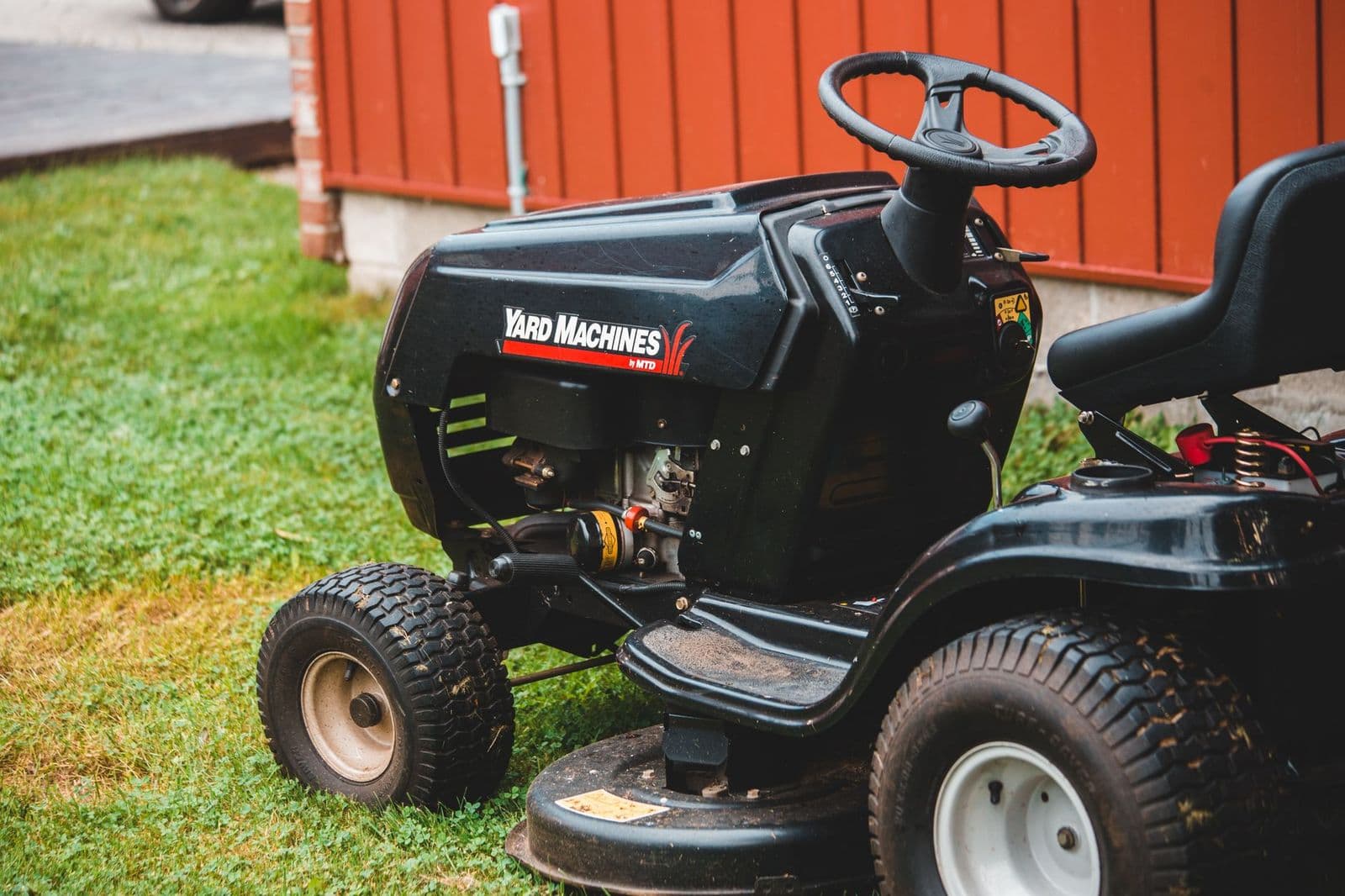
How to clean a riding lawn mower in about 30 minutes: deck cleaning, blades, oil, filters and a simple maintenance schedule.
To clean a riding lawn mower, park it on a flat surface, shut off the engine, remove the key and disconnect the spark plug wire or battery, then scrape and rinse caked grass from under the cutting deck, blow or brush debris off the engine and body, and wipe everything dry. Finish by checking the blade, oil, air filter and tires so the machine is ready for its next mow. Knowing how to clean a riding lawn mower properly takes about 30 minutes and keeps a lawn tractor or zero turn mower cutting cleanly for years.
Below you will find the tools you need, a step by step routine, a simple maintenance schedule and fixes for the most common problems.
Why Regular Maintenance Matters
Wet clippings stick to the underside of the cutting deck and harden into a crust. That buildup blocks airflow, so the mower bags poorly, leaves clumps and makes the engine work harder. Over time the trapped moisture rusts the deck from the inside out, which is one of the most common reasons riding mowers are retired early.
Clean machines are also safer and easier to diagnose. Dry grass packed around the engine and muffler is a fire risk, and a clean surface makes oil leaks, loose belts and cracked hoses easy to spot. Learning how to maintain a riding lawn mower protects a big investment, especially if you mow an acre or more every week.
What You Need
- Work gloves and safety glasses
- Plastic putty knife or deck scraper
- Stiff brush and a soft brush
- Leaf blower or compressed air
- Garden hose with a spray nozzle (or a deck wash port adapter)
- Mild soap, a bucket and clean rags
- Socket set, blade wrench or wood block to hold the blade
- Fresh oil, oil filter and air filter as specified in your manual
- Tire pressure gauge
How to Clean a Riding Lawn Mower Step by Step
Always start with safety: park on level ground, set the parking brake, turn off the engine, remove the key and let the mower cool. Disconnect the spark plug wire on gas models, or remove the key and disconnect the battery on electric riding mowers, before you reach near the blades.
Step 1: Clean grass from the deck
Many mowers have a deck wash port on top. Attach a hose, lower the deck, start the mower outdoors and engage the blades for a few minutes so the spinning blades rinse the underside. Then shut everything off and disconnect the spark plug wire again before inspecting.
For heavy buildup, raise the deck to its highest position or remove it following your manual. Never tip a riding mower on its side to reach the deck. Scrape the dried crust with a plastic scraper, brush away the loose debris and rinse. Let the deck dry completely, and touch up bare metal with paint to slow rust.
While the deck is clean, wipe down the hood, seat and fenders with mild soapy water and a soft brush, then dry them with a rag. Use a leaf blower or compressed air on the engine shroud, cooling fins and around the muffler instead of a hose, since water forced into the air intake or electrical connectors causes more trouble than it solves. Pay close attention to the area around the belt pulleys, where dry grass tends to collect.
Step 2: Sharpen or replace the blade
With the deck accessible, inspect each blade for nicks, bends and a rounded cutting edge. Hold the blade with a wood block or blade tool, remove the bolt and mark which side faces down. Sharpen with a file or grinder, keeping the original angle, then check balance on a nail or balancer. Replace blades that are bent, cracked or worn thin.
Reinstall each blade with the cutting edge facing the correct direction and tighten the bolt to the torque listed in the manual. A balanced, sharp blade cuts grass cleanly instead of tearing it, which keeps the lawn greener and reduces vibration that wears out spindle bearings.
Step 3: Change oil and air filter (gas)
Run the engine for a couple of minutes to warm the oil, then shut it off and drain it into a pan. Replace the oil filter if your engine has one, refill with the type and amount listed in the manual, and check the dipstick. Dispose of the old oil at a recycling center or auto parts store that accepts it. Tap out or replace a paper air filter; wash a foam pre filter in soapy water and let it dry before reinstalling.
Step 4: Battery storage and charging (battery)
On electric riding mowers, wipe the battery area dry and keep vents clear of grass. Charge after each use as the maker recommends, and store the mower in a dry place within the temperature range in the manual. For gas mowers, clean battery terminals with a wire brush and connect a maintainer during long storage.
Step 5: Check wheels and height adjusters
Brush grass from around the wheels, spindles and belt covers. Check tire pressure and set both sides evenly, since uneven tires cause an uneven cut. Work the height adjustment lever through its range, lubricate pivot points and grease fittings, and look for worn belts.
Spin each front wheel by hand to check for wobble or grinding, which points to worn bearings. Glance at the steering linkage and brake as well; a quick check now prevents a breakdown in the middle of the season.
Step 6: Winter storage checklist
- Clean the deck, engine and body thoroughly
- Add fuel stabilizer and run the engine, or run the tank dry
- Change the oil before storage
- Remove or maintain the battery
- Store indoors or under a breathable cover
Maintenance Schedule (Daily, Monthly, Yearly)
Use this simple schedule as a guide and follow your owner's manual for exact intervals.
| When | Task |
|---|---|
| After every mow | Blow off grass, rinse the deck through the wash port, check for loose parts |
| Monthly in season | Scrape the deck, check tire pressure, clean the air filter, check blades and belts |
| Every season or at manual intervals | Change oil and filter, replace air filter and spark plug, sharpen or replace blades |
| Yearly before storage | Deep clean, stabilize fuel, lubricate pivots, maintain the battery, cover and store |
Troubleshooting Common Problems
Most riding mower problems trace back to a dirty deck, dull blades or old fuel, so a cleaning session is the perfect time to look for them.
Uneven cut or scalping: Check tire pressure, level the deck side to side and front to back, and sharpen or replace dull blades.
Clumping clippings: The deck is usually caked with grass. Clean it, mow when the lawn is dry and raise the cutting height.
Engine hard to start: Old fuel is the most common cause. Drain stale fuel, replace the spark plug and clean the air filter.
Smoke after cleaning: Water or oil may have reached hot parts. Let it dry; if smoke continues, check the oil level and look for leaks.
Blades will not engage: Check the blade engagement switch, the deck belt and the safety switch under the seat. Grass packed around the belt can also cause slipping.
Electric mower losing range: Charge fully after each use, keep it out of extreme heat or cold, and clean grass from vents.
Frequently Asked Questions
How often should I clean a riding lawn mower?
Do a quick clean after every mow by blowing off grass and rinsing the deck through the wash port. Scrape the underside more thoroughly about once a month during the season, or more often if you mow wet grass. Give the whole machine a deep clean before winter storage.
Can I wash the filter or parts with water?
Foam pre filters can be washed in warm soapy water and dried completely before reuse. Paper air filters should not be washed; tap them clean or replace them. Avoid spraying water at the engine, carburetor, electrical parts or battery, and never use a pressure washer near seals and bearings.
Final Thoughts
Now you know how to clean a riding lawn mower: keep the deck free of grass, maintain the blades, oil and filters, and store it clean and dry. A few minutes after each mow saves costly repairs later. If your current machine is past saving, compare our picks for the best lawn mower and the best riding lawn mower. Smaller lots should see the best riding lawn mower for small yards, hilly properties the best riding lawn mower for uneven terrain, and our guide on where to buy a lawn mower helps you compare stores.