
How to Clean a Wheelbarrow: Simple Steps, Tips and Mistakes to Avoid
Disclosure: We may earn a commission when you buy through links on this page, at no extra cost to you. As an Amazon Associate I earn from qualifying purchases. Learn more
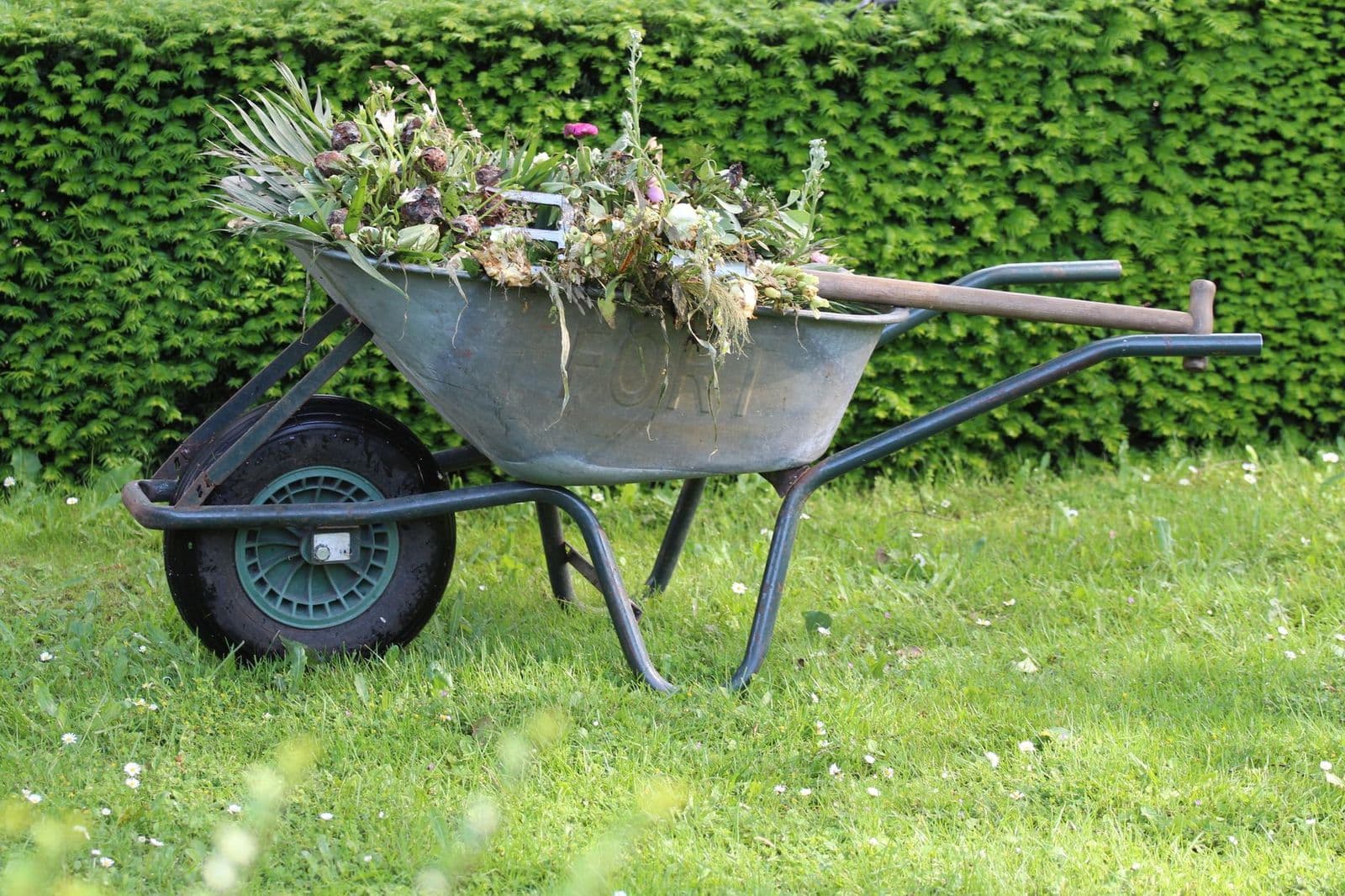
How to clean a wheelbarrow the right way: rinse, scrub and dry, remove rust, care for the tire, axle and handles, plus a simple yearly schedule.
Here is how to clean a wheelbarrow in short: knock out loose debris, scrub the tray with warm soapy water and a stiff brush, rinse it well, then dry it completely before storing it upside down or under cover. Once a season, add a few extra jobs: remove rust, check the tire and axle, and treat wooden handles. That simple routine takes a few minutes after each use and can add years to a steel or poly wheelbarrow.
Below you will find the supplies you need, a step by step routine, a printable maintenance schedule and fixes for the problems owners run into most often, from flat tires to wobbly handles.
Why Regular Maintenance Matters
A wheelbarrow takes more abuse than almost any other garden tool. Wet concrete, compost, fertilizer and soil all hold moisture against the tray, and that moisture is what turns a small scratch on a steel tray into a rust hole. Dried concrete is even worse: it adds weight, throws off balance and is far harder to remove the longer it sits.
Moving parts suffer too. Grit works into the wheel bearings and axle, tires lose pressure, and wooden handles crack when they dry out and soak up water repeatedly. A few minutes of cleaning after each job prevents most of that wear, keeps the barrow rolling smoothly and saves you from replacing it early.
What You Need
- Garden hose with a spray nozzle
- Stiff bristle brush and a putty knife or plastic scraper
- Bucket of warm water and mild dish soap
- Wire brush or medium grit sandpaper for rust
- Rust converting primer and outdoor metal paint (for steel trays)
- Light machine oil or multipurpose grease
- Boiled linseed oil for wooden handles
- Tire pressure gauge and a pump
- Old towels or rags and work gloves
How to Clean a Wheelbarrow and Maintain It Step by Step
Step 1: Rinse and dry after use
Tip the wheelbarrow forward and scrape out loose soil, mulch or gravel. Spray the tray inside and out with the hose, paying attention to the corners and the seam where the tray meets the frame, since that is where wet material collects. For stuck on soil or compost, scrub with warm soapy water and a stiff brush, then rinse again.
If you have been mixing concrete or mortar, clean it right away while the mix is still wet. A putty knife and a brush will lift fresh concrete easily; once it cures, you will be chipping it off. Finally, dry the tray with a rag or leave it tipped on its side in the sun so no water pools in the bottom. Drying is the step most people skip, and it matters most for steel trays.
Step 2: Remove rust
Check steel trays and frames for orange spots, flaking paint and bubbling. Scrub small rust patches with a wire brush or sandpaper until you reach bare, shiny metal, then wipe away the dust. For larger areas, a wire wheel on a drill speeds things up; wear eye protection.
Coat the bare metal with a rust converting primer, let it dry as the label directs, and finish with an outdoor metal paint. This seals the steel against moisture. Poly trays will not rust, but check the metal frame, bolts and axle on those too, and treat any rust you find the same way.
Step 3: Check the tire, wheel and bolts
Wheelbarrows have no blades to sharpen, so this step is about the parts that actually wear. Check tire pressure with a gauge and inflate to the number printed on the sidewall. Look for cracks, bulges or a tire that loses air between uses. Spin the wheel to feel for grinding or wobble, which points to dirty or worn bearings.
While you are there, tighten the bolts that hold the tray to the frame and the handles to the tray. Loose hardware lets the tray shift under load, which strains the frame and makes the barrow harder to steer.
Step 4: Oil moving parts and wood handles
Put a few drops of light machine oil or a dab of grease on the axle where it meets the wheel hub, then spin the wheel to work it in. If your wheel has grease fittings, use a grease gun. Wipe off any excess so it does not collect dirt.
Wooden handles need care too. Sand rough spots or splinters with medium grit sandpaper, wipe them clean, and rub in a thin coat of boiled linseed oil. Let it soak in, wipe off the extra, and allow it to dry fully. This keeps the wood from drying out and cracking, and makes it more comfortable to grip.
Step 5: Store indoors
The best place for a wheelbarrow is a shed, garage or covered area. If you must store it outside, lean it on its side against a wall or flip it upside down so rain cannot collect in the tray, and cover it with a tarp. Keep it off bare soil, which holds moisture against the frame. Store poly trays out of direct sun when possible, since long UV exposure can make plastic brittle.
Step 6: When to replace
Even a well kept wheelbarrow wears out eventually. Replace the tray if rust has eaten holes through the steel or a poly tray has cracked through. Replace the tire if it will not hold air even after patching, or switch to a flat free tire. A bent axle, a frame that has cracked at the welds or handles that are split along the grain are all signs it is time for a new barrow or major parts. Our guide on how much does a wheelbarrow cost can help you weigh repair against replacement.
Maintenance Schedule (Daily, Monthly, Yearly)
Use this simple schedule to stay ahead of rust and wear. Think of it as the core of how to maintain a wheelbarrow for the long haul.
| When | Task |
|---|---|
| After each use | Empty, rinse, scrub off stuck material, dry and store under cover |
| Monthly in season | Check tire pressure, tighten bolts, oil the axle, look for new rust spots |
| Yearly | Remove and treat rust, repaint bare metal, oil wooden handles, inspect tire, bearings and frame welds |
Troubleshooting Common Problems
Flat or soft tire. Inflate to the sidewall pressure and listen or spray soapy water to find leaks. Patch small punctures, use a tire sealant, or replace the tube. If flats keep happening, a flat free tire is a worthwhile upgrade.
Wheel squeaks or wobbles. Clean and grease the axle. If the wobble remains, the bearings or axle may be worn and need replacing.
Dried concrete in the tray. Tap the underside of the tray with a rubber mallet to crack it loose, then pry with a putty knife. Avoid metal scrapers on poly trays, which can gouge the plastic.
Tray shifts or handles feel loose. Tighten all mounting bolts and replace any that are rusted or stripped.
Splintered handles. Sand smooth and oil them. If they are cracked deeply, replacement handles are usually available for common models.
Frequently Asked Questions
How often should I clean a wheelbarrow?
Rinse and dry it after every use, especially after hauling concrete, compost, fertilizer or wet soil. Do a deeper cleaning and inspection once a month during the gardening season, and a full rust treatment and handle oiling once a year. Quick cleanups after each job prevent most problems before they start.
Can I pressure wash a wheelbarrow?
Yes, a pressure washer is great for blasting dried mud and soil from the tray. Keep the nozzle moving and use a wider spray tip so you do not strip paint from steel trays or damage wooden handles. Avoid spraying directly into the wheel bearings, and always dry the wheelbarrow thoroughly afterward.
How do I keep a steel wheelbarrow from rusting?
Dry it after every use, store it under cover or upside down, and touch up scratches with rust converting primer and metal paint as soon as you see bare steel. Some owners also wipe a light coat of oil inside the tray before winter storage for extra protection.
Final Thoughts
Now you know how to clean a wheelbarrow: rinse, scrub and dry it after each job, treat rust early, keep the tire and axle in good shape and protect wooden handles. If yours is beyond saving, compare our picks for the best wheelbarrow, the best wheelbarrow for heavy duty use, the best wheelbarrow for seniors and our guide on where to buy a wheelbarrow.


