
How to Use a Car Vacuum: Simple Steps, Tips and Mistakes to Avoid
Disclosure: We may earn a commission when you buy through links on this page, at no extra cost to you. As an Amazon Associate I earn from qualifying purchases. Learn more

How to use a car vacuum: clear the car, start with an empty bin, work top to bottom in slow passes and let the attachments handle the details.
To use a car vacuum, first clear out trash and pull the floor mats, make sure the vacuum is charged (or plugged into the 12V outlet) with an empty bin, then work from the top of the cabin down: seats first, then the floor, in slow overlapping passes. Switch to the crevice tool for seams and tracks and the brush tool for vents and upholstery, and empty the bin when you finish. That is how to use a car vacuum in a nutshell, and the whole job takes about 15 to 20 minutes for a typical sedan.
A car interior is a tricky space: tight gaps between seats, carpet that holds sand, upholstery that grabs pet hair and plastic trim that scratches. The steps below cover prep, technique, attachments and the small habits that keep a portable vacuum working well for years.

Before You Start: Safety and Prep
Park in a shaded, well ventilated spot on level ground, set the parking brake and turn off the engine unless your corded vacuum needs the 12V socket. If it does, check the manual: some cars only power the outlet with the ignition in accessory mode, and running the engine in a closed garage is never safe. Do not leave a 12V vacuum running for long periods with the engine off, since it can drain the car battery.
Next, remove everything loose: trash, coins, toys, charging cables and anything you want to keep. Small items get sucked into the nozzle and can jam it. Take out the floor mats and shake or beat them outside the car.
Check the vacuum itself. A cordless handheld should be fully charged, and a wet or damaged filter should be replaced before use. If the vacuum has a wet pickup mode, do not use it on dry debris without switching back to the dry filter, and never vacuum liquids with a dry only model.
It also helps to know which kind of car vacuum you have. Cordless handhelds are the most convenient, but runtime is limited, so a full interior may take more than one charge on boost. Corded 12V models run as long as the car supplies power, though the cord can limit reach into the trunk. A household stick or canister with a long hose works too, if you can park near an outlet.
How to Use a Car Vacuum Step by Step
Step 1: Choose the right power setting and nozzle
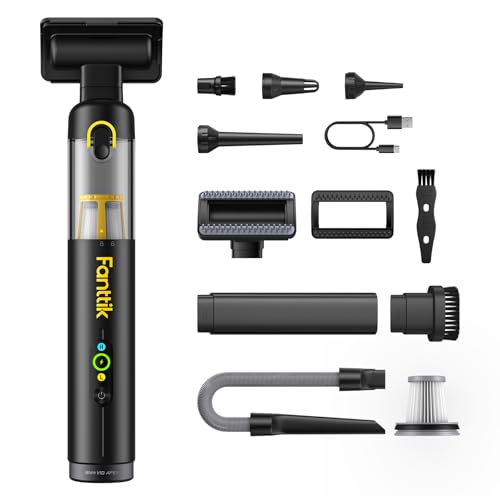
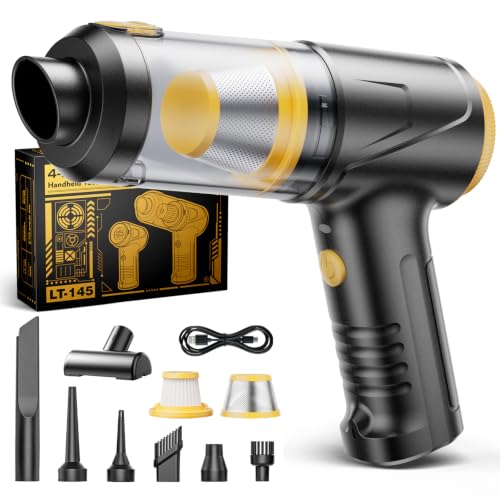
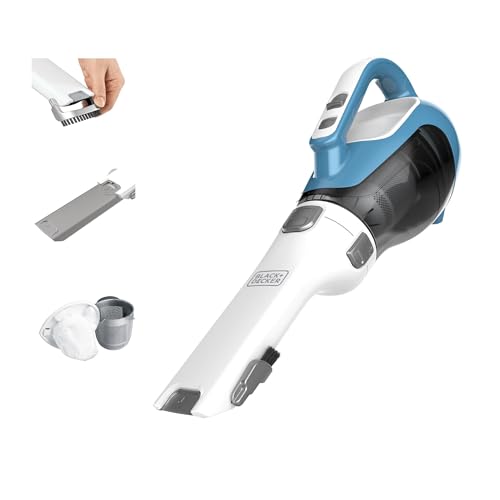
Many car vacuums offer two power levels. Use the standard setting for upholstery, headliners and delicate trim, and save boost or max mode for carpet, sand and crumbs ground into the floor. Start with the right nozzle on the vacuum: a wide nozzle or motorized brush for open floor and seat cushions, and the crevice tool ready for later. Matching power to the surface stretches battery life and avoids pulling loose threads from fabric.
Step 2: Check the bin and filter before you start
A handheld car vacuum has a small dust cup, so start every job with it empty. A full or nearly full bin cuts suction sharply, and a clogged filter does the same. Tap the filter clean over a trash can or rinse it if the maker says it is washable and let it dry fully first. For larger cars or very dirty interiors, plan to empty the bin partway through.
Step 3: Vacuum in overlapping passes
Work from top to bottom so dust that falls lands on areas you have not cleaned yet. Start with the headliner and sun visors using light pressure, then the seat backs and cushions, then the floor. On carpet, pull the nozzle slowly toward you in straight, overlapping strokes, then go over the area again at a right angle. Slow passes give the airflow time to lift sand and grit from deep in the carpet fibers. Slide the front seats all the way forward to reach the floor behind them, then all the way back to clean the front footwells and seat rails.
Adjust your technique to the seat material. Cloth seats hold fine dust and hair in the weave, so press the nozzle lightly into the fabric and move slowly. Leather and vinyl seats need a soft brush attachment rather than a bare plastic nozzle, and most of the dirt hides in the stitching and the crease where the backrest meets the cushion, so give those lines extra attention.
Step 4: Use attachments for seams, vents and upholstery
Attachments do the detail work. Use the crevice tool for the gaps between seats and the center console, seat seams, door pockets, seat tracks and cup holders. A soft dusting brush clears dashboard vents, the instrument cluster and screens without scratching. For pet hair on upholstery, use a rubber bristled or motorized pet hair tool, working in short strokes against the nap of the fabric. Finally, clean the trunk and spare tire well, where sand and leaves often hide.
Step 5: Empty the bin and wipe the filter
When you finish, empty the dust cup straight into a trash bag, ideally outdoors, so fine dust does not blow back into the car. Tap or brush off the filter and check the seal around the bin. Wipe the nozzle and attachments with a damp cloth if they are dusty or sticky. If you used a wet mode, dry every part before reassembling.
Step 6: Store it safely
Store a cordless car vacuum at room temperature, not in the car through a hot summer or a freezing winter, since temperature extremes shorten battery life. Recharge it after use so it is ready next time. Keep the cord of a 12V model loosely coiled to avoid kinks, and store attachments together in a bag so nothing goes missing.
Pro Tips for Better Results
- Loosen dirt first. Brush carpet with a stiff detailing brush before vacuuming to free sand and dried mud, and the vacuum will pick it up in fewer passes.
- Use compressed air or a brush for tight spots. Blow or flick debris out of vents and seams toward the open floor, then vacuum it up.
- Clean the mats outside the car. Shake, beat and vacuum them on clean pavement, and let rubber mats dry before you put them back.
- Keep a small vacuum in the house, not the car. Quick weekly sessions take only a few minutes and prevent dirt from grinding into the carpet.
- Finish with a wipe down. A microfiber cloth on the dashboard and door panels removes the dust the vacuum stirs up.
If pets ride along often, our list of the best car vacuum for pet hair highlights the tools that make hair removal faster.
Common Mistakes to Avoid
The biggest mistake is starting with a half full bin or dirty filter, which can cut suction dramatically and makes people think the vacuum is weak. Another is rushing: fast strokes skim over carpet without lifting embedded grit. Many owners also skip the attachments, leaving crumbs in the seat gaps and dust in the vents.
Avoid using a hard plastic nozzle on screens and glossy trim, which can scratch, and never vacuum liquids with a dry only model. Do not leave a cordless vacuum stored in a hot car, since heat degrades the battery. Finally, avoid running a 12V model for a long time with the engine off, or you may need a jump start.
One more mistake is treating the vacuum as a stain remover. Vacuuming lifts dry debris only; sticky spills, coffee rings and mud stains need an upholstery or carpet cleaner after vacuuming, otherwise the vacuum just smears the residue around.
Frequently Asked Questions
How often should I use a car vacuum?
For most drivers, a quick vacuum once a week keeps dirt from building up, with a deeper clean including the trunk and seat tracks once a month. If you carry pets, kids or sports gear, or drive on dusty roads, you may want to vacuum the footwells and seats every few days.
Can beginners use a car vacuum safely?
Yes. Car vacuums are simple, low risk tools. Beginners should park safely with the engine off, remove loose items first, keep the bin empty and use the soft brush on screens and trim. With a 12V model, check whether the outlet works in accessory mode and avoid draining the car battery.
Final Thoughts
Learning how to use a car vacuum well is mostly about order and patience: clear the car, start with an empty bin, work top to bottom in slow overlapping passes and let the attachments handle the details. For your next upgrade, see our picks for the best car vacuum, compact options in the best car vacuum for small spaces, and budget tips in how much does a car vacuum cost and where to buy a car vacuum.


