
How to Use a Garden Cart the Right Way: Easy Step by Step Guide
Disclosure: We may earn a commission when you buy through links on this page, at no extra cost to you. As an Amazon Associate I earn from qualifying purchases. Learn more
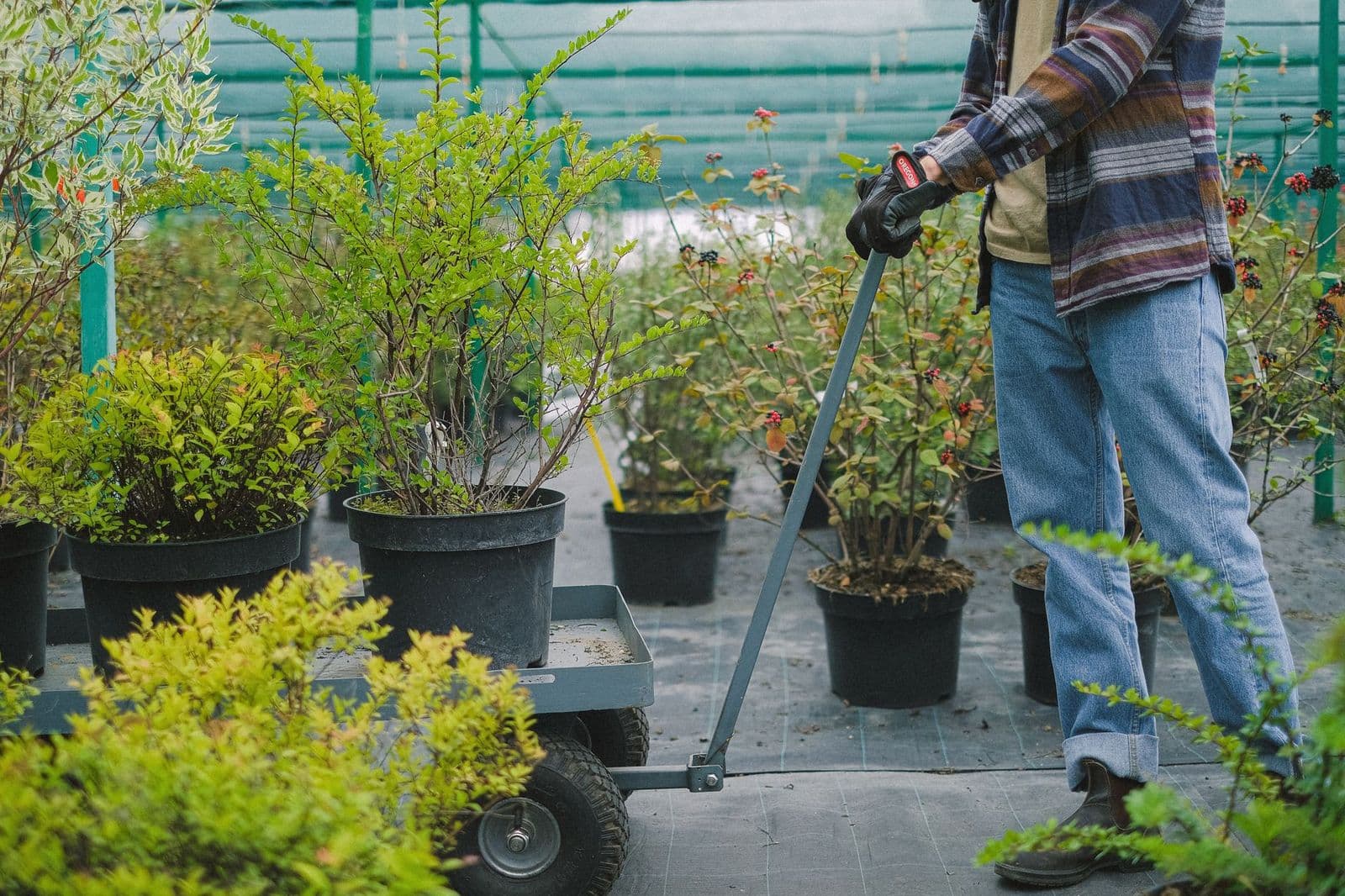
Load low, stay within capacity and keep it clean: a simple guide on how to use a garden cart safely and make it last.
To use a garden cart well, load the heaviest items low and over the axle, stay within the cart's rated load capacity, keep your back straight and pull or push at a steady walking pace, then rinse and dry the cart before storing it. That is the core of how to use a garden cart safely and efficiently. Below you will find a step by step routine, simple cleaning and maintenance habits, and the mistakes that cause tipped loads, flat tires and sore backs.
Before You Start: Safety and Prep
Read the cart's manual for its maximum load and any limits on slopes. Wear gloves and closed toe shoes, since rocks, bags of soil and pavers can pinch fingers or crush toes. Walk your route first and clear hoses, toys and branches, and note any steps, steep grades or soft ground. Check the tires: underinflated pneumatic tires make the cart drag and wobble, while flat free tires need only a quick look for cracks. Finally, plan where you will unload so you are not reversing a full cart through a narrow gate.
How to Use a Garden Cart Step by Step
Step 1: Pick the right cart for the job
A four wheel yard cart or utility wagon is stable for bags, pots and firewood. A dump cart with a tipping bed is best for soil, mulch and gravel. A one wheel wheelbarrow turns tightly but needs more balance. Match the cart to the load rather than forcing one cart to do every job.
Step 2: Check the condition before you start
Look for loose bolts, a wobbly handle, a cracked bed or a soft tire. Make sure the dump latch locks and releases cleanly. Spin each wheel by hand to check for wobble or grinding, and confirm the handle or tow bar pin is secure. Fixing a small problem now is far easier than dealing with a broken cart halfway across the yard with a full load.
Step 3: Use proper posture and technique
Load heavy items first, low and centered over the wheels. Bend your knees, not your back, to lift, and keep the handle at a comfortable height. Pull on flat ground, push on gentle downhills and take slopes straight on, never sideways.
Step 4: Work in manageable sections
Several moderate loads are safer and often faster than one overloaded trip. Fill the cart close to where you are working, and plan a route that avoids turning around in tight spots with a full bed. Stay below the rated load capacity, especially with wet soil, which is much heavier than it looks.
Step 5: Clean after use
Dump out leftover debris and hose off soil, fertilizer and sap before they dry on. Fertilizer salts and manure are especially corrosive to steel beds, so do not leave them sitting overnight. A stiff brush loosens anything that has caked into corners.
Step 6: Store it dry
Tip the cart on its side or stand it up so water drains, then park it under cover. Storing it with the bed tilted also stops rainwater pooling if it ends up outside, and keeps leaves from collecting and rotting in the bottom.
How to Clean and Maintain a Garden Cart
Knowing how to clean a garden cart and how to maintain a garden cart keeps it rolling for years with only a few minutes of work each month.
Rinse and dry after use
A quick rinse removes fertilizer and wet soil that can corrode steel beds and stain plastic. Let the cart dry fully before storage.
Remove rust
Scrub rust spots on steel beds and frames with a wire brush, then touch them up with rust resistant paint to stop the damage spreading.
Check tires and wheels
Garden carts have no blades to sharpen, so put that effort into the wheels. Keep pneumatic tires at the pressure printed on the sidewall, check flat free tires for cracks and make sure wheels spin freely without wobbling.
Oil moving parts and wood handles
Add a few drops of oil or grease to axles, wheel bearings and dump pivots each season. Rub linseed oil into wooden handles to stop them drying and cracking.
Store indoors
Sun breaks down plastic and rubber, and rain rusts steel. A shed or garage is ideal; otherwise use a fitted cover. Over winter, take the weight off pneumatic tires by propping up the axle or hanging the cart on wall hooks.
When to replace
Replace tires that will not hold air, handles that crack and beds that rust through. When the frame bends or welds fail, it is time for a new cart. Gardeners who want lighter, easier carts can compare our picks for the best garden cart for seniors.
Pro Tips for Better Results
A few small habits make every trip easier and protect both the cart and your back.
- Use a tarp in the bed for soil and mulch so you can slide the load out in one go.
- Stack bags flat and crosswise so they do not shift on bumps.
- Lay boards over soft or muddy ground to keep wheels from sinking.
- On heavy, sticky ground, choose wide tires; see our list of the best garden cart for clay soil.
- Keep a small pump and patch kit handy if you use pneumatic tires.
- When dumping, lift with your legs and tip the bed slowly so the load slides out rather than jerking the cart over.
Common Mistakes to Avoid
- Overloading past the rated capacity, which strains axles and bends frames.
- Piling weight at the back or high up, which makes the cart tip.
- Crossing slopes sideways instead of going straight up or down.
- Leaving the cart full of wet soil or out in the rain.
- Ignoring soft tires until they come off the rim.
Frequently Asked Questions
How often should I clean a garden cart?
Give your garden cart a quick rinse after any job with soil, fertilizer, manure or sap, and a more thorough clean with a wire brush and touch up paint once or twice a season. Regular light cleaning prevents rust, keeps the dump mechanism working smoothly and stops odors from building up in the bed.
How much weight can a garden cart carry?
It depends on the model, so always check the stated load capacity. Small carts may handle a few hundred pounds, while heavy duty utility carts are rated much higher. Remember that wet soil, stone and firewood reach the limit quickly, and stay below it on slopes. If you are ready to buy, see our guide on where to buy a garden cart.
Final Thoughts
Learning how to use a garden cart comes down to loading low and centered, staying within capacity, using good posture and keeping the cart clean and dry. With those habits, any cart will save your back for years. For model recommendations, see our picks for the best garden cart.


