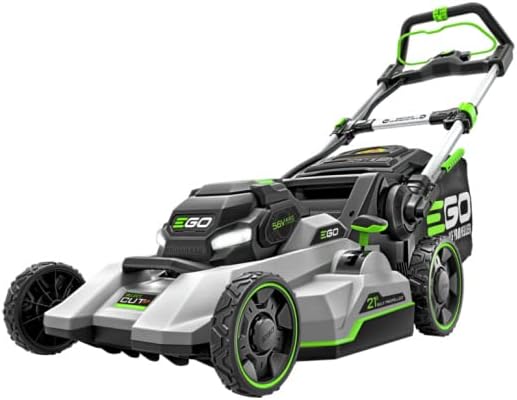
How to Use a Self Propelled Lawn Mower the Right Way: Easy Step by Step Guide
Disclosure: We may earn a commission when you buy through links on this page, at no extra cost to you. As an Amazon Associate I earn from qualifying purchases. Learn more
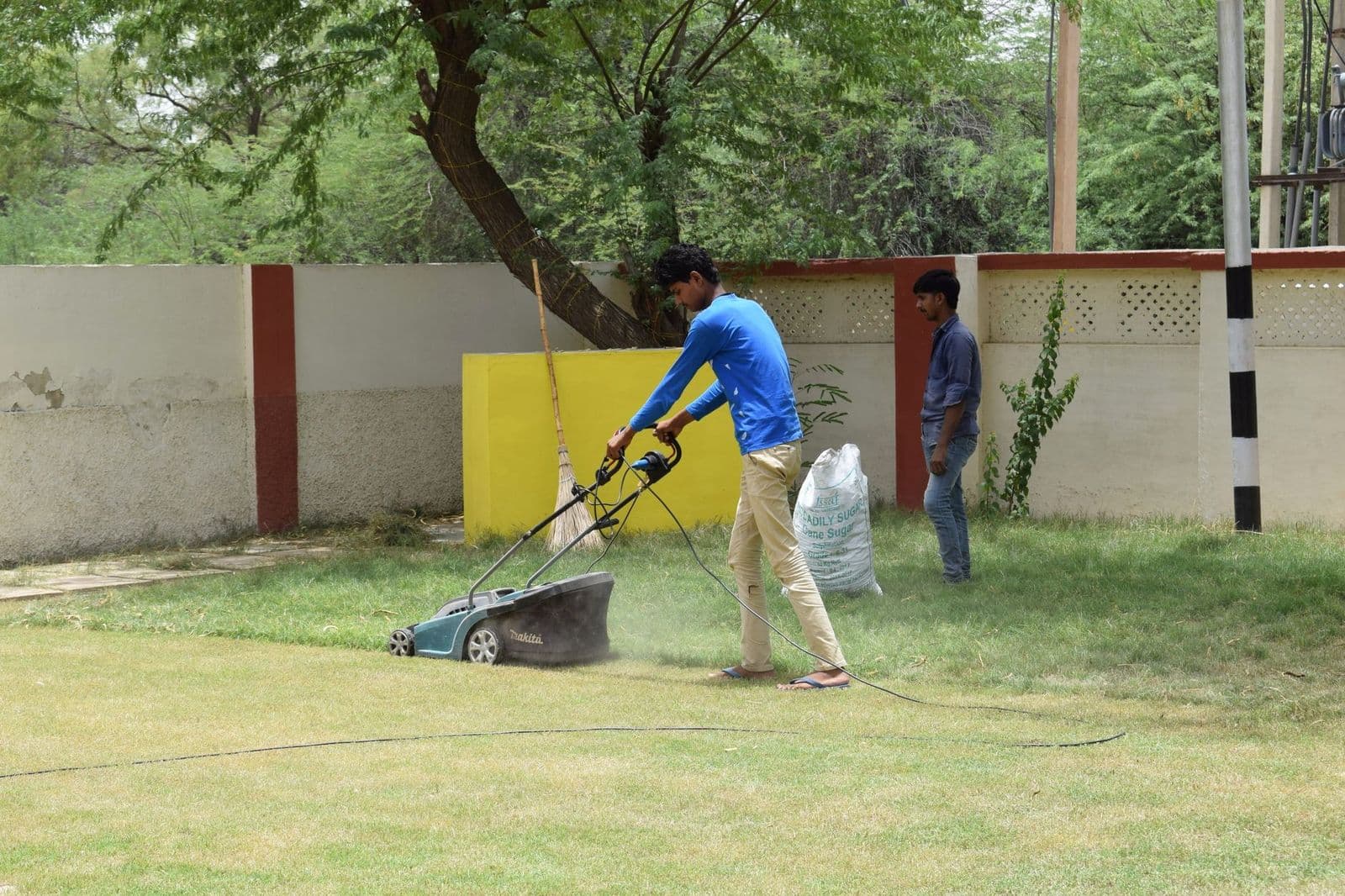
How to use a self propelled lawn mower safely: set the height, engage the drive, mow straight overlapping rows and clean up after.
Here is how to use a self propelled lawn mower in a nutshell: set the cutting height, start the motor or engine, squeeze the drive bail or lever to engage the wheels, then walk behind it and simply steer while it pulls itself forward. Release the drive control to slow or stop, and adjust the speed so the mower matches your natural walking pace.
That is the basic idea, but a few habits make the difference between a patchy, scalped lawn and a clean, striped finish. Self propelled mowers are easy to learn, whether you run a battery mower or a gas mower, yet each control has a purpose: the blade control, the drive control, the speed setting and the height lever. This step by step guide covers prep, safe operation, mowing patterns, bagging or mulching and cleanup, plus tips and mistakes to avoid.
Before You Start: Safety and Prep
Dress for the job. Wear closed toe shoes with good grip, long pants and safety glasses, and use hearing protection with a gas mower. Never mow barefoot or in sandals.
Walk the lawn first and look for slopes, holes, sprinkler heads and soft spots. Mow when the grass is dry, since wet grass clogs the deck, makes the ground slippery and leaves an uneven cut. Keep children and pets indoors while you mow.
Check the mower itself. Make sure the blade control bail stops the blade when released, the grass bag or discharge chute is fitted correctly, and no guards are missing or cracked. On a gas mower, check the oil level before every use. On a battery model, confirm the battery is charged and locked in place. If the blade has not been sharpened this season, do that first, because a dull blade tears grass rather than cutting it.
How to Use a Self Propelled Lawn Mower Step by Step
Step 1: Read the Manual and Check Safety Features
Each brand arranges its controls a little differently. Find the blade control bail, the self propel lever or bail, the speed control and the height adjustment before you start. Some battery mowers use a push button start plus a safety key, while gas mowers use a primer bulb, choke and pull cord. Knowing where everything is prevents surprises when the mower starts moving.
It helps to understand the two separate systems. The blade control, usually a bail you hold against the handle, starts and stops the blade and must stay engaged the whole time you mow. The drive control turns the wheels. On some mowers it is a second bail or lever, on others it is a speed dial, a trigger or a pressure sensitive handle that speeds up as you push forward.
Front wheel drive models lift easily for turns, rear wheel drive models grip better on hills, and all wheel drive models handle the roughest ground. Practice engaging and releasing the drive a few times on a flat patch before you start real mowing.
Step 2: Charge the Battery or Add Fresh Fuel and Oil
Fully charge battery packs and insert them until they click. For gas mowers, use fresh fuel of the type the manual specifies and check that the oil sits between the marks on the dipstick. Fill the tank outdoors on a level surface with the engine cool.
Step 3: Set the Cutting Height (One Third Rule)
Never remove more than one third of the grass blade height in a single mow. If your lawn is 4.5 inches tall, cut to about 3 inches. Most mowers use a single lever or wheel levers to adjust height. Set all wheels to the same position for an even cut, and raise the deck in summer heat to help the grass hold moisture.
Common targets are around 2.5 to 3.5 inches for cool season grasses such as fescue and bluegrass, and lower settings for warm season grasses like Bermuda. If the lawn has grown far too tall after a vacation, bring it down over two or three mows a few days apart instead of in one hard cut.
Step 4: Clear the Lawn of Sticks, Toys and Rocks
Pick up anything the blade could throw: sticks, pine cones, stones, dog toys and garden hoses. Thrown debris can break windows or injure people, and hitting a rock can bend the blade or damage the crankshaft.
Step 5: Mow in Straight Overlapping Rows
Start the mower on a flat area of grass. Hold the blade bail, then gently engage the self propel control. Let the mower pull you forward at a comfortable speed and steer with light pressure on the handle. Overlap each pass by a few inches so you do not leave thin strips of uncut grass.
To turn, release the drive control, pivot the mower on its rear wheels and line up the next row. On slopes, mow across the hill rather than up and down, and avoid very steep banks altogether. For hilly yards, our guide to the best self propelled lawn mower for steep hills explains which drive types grip best.
Step 6: Bag, Mulch or Side Discharge
Choose the mode that suits the conditions. Mulching returns fine clippings to the lawn as free fertilizer and works best when the grass is dry and not too long. Bagging gives the neatest finish and is useful in spring and fall or when weeds are seeding. Side discharge handles tall or thick grass that would clog a bag. Empty the bag before it is completely full, since a packed bag cuts airflow and leaves clippings behind.
Step 7: Clean the Deck and Store Properly
Stop the engine or remove the battery before cleaning. Brush clippings off the top of the deck and scrape buildup from underneath with a plastic scraper, following the manual's advice on tipping the mower. Never tip a gas mower with the carburetor side down. Store the mower in a dry garage or shed, and keep batteries indoors at room temperature.
Pro Tips for Better Results
- Change your pattern: alternate between horizontal, vertical and diagonal rows each week so grass does not lean one way and wheels do not wear ruts.
- Match the speed: slow the drive down in thick grass so the blade has time to cut cleanly, and speed up on thin, dry grass.
- Mow the edges first: make two passes around the perimeter, which gives you room to turn at the end of each row.
- Sharpen the blade: a sharp blade leaves clean cuts that heal quickly and resist disease.
- Mow in the morning or evening: avoid the hottest part of the day, which stresses both the lawn and you.
Battery owners can stretch runtime by using an eco or variable speed blade setting on easy grass and saving full power for thick patches. Gas owners should run the mower at full throttle while cutting, since most walk behind engines are designed to cut best at their governed speed. On either type, keep the underside of the deck clean so air can lift the grass and the clippings flow freely into the bag.
If your lawn is big enough that one session feels endless, see our picks for the best self propelled lawn mower for large yards, which pair wide decks with longer runtime.
Common Mistakes to Avoid
- Engaging the drive before you are ready, which jerks the mower forward.
- Cutting too short, which scalps the lawn and invites weeds.
- Mowing wet grass, which clogs the deck and leaves clumps.
- Pulling the mower backward toward your feet.
- Leaving the engine running while clearing a clog or emptying the bag.
- Skipping maintenance such as oil changes, air filter cleaning and blade sharpening.
- Letting the mower drag you along at a speed faster than you can comfortably walk.
- Mowing straight up and down steep slopes, where traction and footing suffer.
Frequently Asked Questions
How often should I use a self propelled lawn mower?
Most lawns need mowing about once a week during the main growing season, and more often during fast spring growth. Let the one third rule guide you: mow whenever the grass is about one third taller than your target height. In summer heat and late fall, growth slows and you can mow less often.
Can beginners use a self propelled lawn mower safely?
Yes. Self propelled mowers are often easier for beginners than push mowers because the wheels do the hard work. Start on a flat area at a low drive speed, keep a firm two hand grip on the handle and practice releasing the drive and blade controls. Read the manual first and always wear proper footwear and eye protection.
Final Thoughts
Learning how to use a self propelled lawn mower comes down to good prep, the right cutting height, steady overlapping rows and simple cleanup after each mow. Once you are comfortable, you will finish faster and with less effort than with a push mower. Ready to choose one? Compare our picks for the best self propelled lawn mower and the best lawn mower, or see where to buy a lawn mower.