
Is a Leaf Vacuum Worth It? Honest Pros, Cons and Verdict (2026)
Disclosure: We may earn a commission when you buy through links on this page, at no extra cost to you. As an Amazon Associate I earn from qualifying purchases. Learn more

Is a leaf vacuum worth it for your yard? The real benefits, drawbacks, running costs and smarter alternatives explained.
So, is a leaf vacuum worth it? For most homeowners with several mature trees, flower beds or a patio that fills with leaves every fall, yes. A good blower vac cuts cleanup time, shrinks a mountain of leaves into a few bags of mulch and saves your back from hours of raking. If you only have a couple of small trees and an open lawn, a rake or a basic blower may be all you need.
The real answer depends on your yard, your leaf load and what you plan to do with the leaves afterward. Below we break down what you get at each price point, the genuine benefits and drawbacks, the cost of owning one over several seasons and the alternatives that might suit you better.

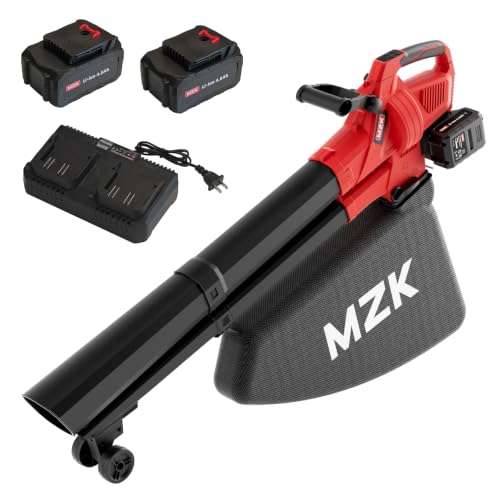
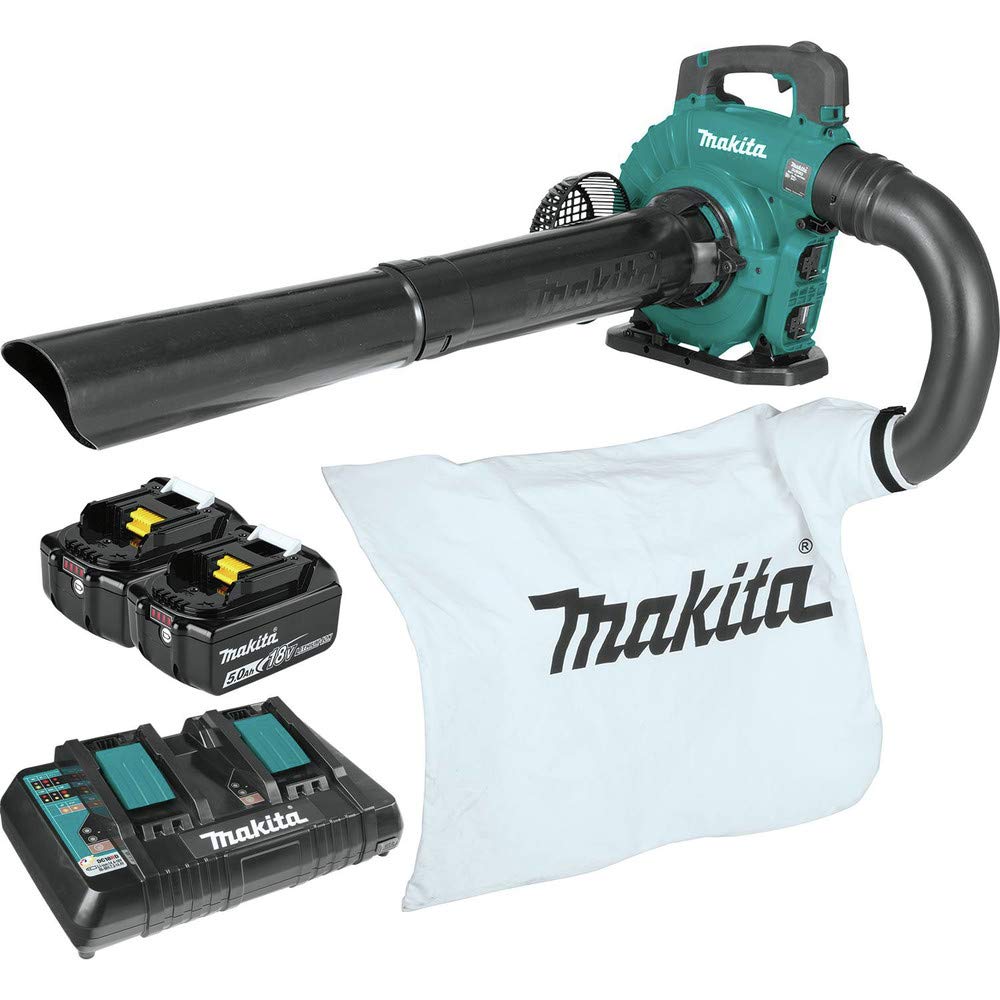

What You Get for the Money
Leaf vacuums span a wide price range, typically from around $60 to around $700, and the jump in price buys real differences in performance and comfort.
At the low end, around $60 to $100, you get corded electric blower vacs. These three in one tools blow, vacuum and mulch, and they are light enough for most people to handle. Expect plastic impellers, smaller collection bags and a cord that keeps you near an outlet. For a small yard or a patio, they are excellent value.
In the middle, around $150 to $300, you find cordless kits with a battery and charger and gas handheld blower vacs. These offer more freedom, stronger shredding and sturdier construction. Many gas models in this range include metal impellers that hold up better against twigs and acorns.
At the top, around $400 to $700, you get premium cordless systems from professional tool brands and heavy duty gas units. These deliver the strongest suction, the longest runtimes and the most durable parts. Wheeled walk behind and tow behind models cost more again and are built for large properties.
Benefits of Owning a Leaf Vacuum
The biggest benefit is volume reduction. Because a leaf vacuum shreds what it collects, a pile that would fill many lawn bags often fits into one or two. That means fewer trips to the curb, fewer paper bags to buy and less space taken up while you wait for yard waste pickup.
The second benefit is free mulch. Shredded leaves break down far faster than whole ones, so you can spread them over garden beds, around shrubs or into a compost pile. Many gardeners consider this leaf mulcher function the main reason to own one, since it turns a chore into a source of organic matter for the soil.
Leaf vacuums also reach places a rake cannot. They pull leaves out of flower beds, from between shrubs, along fence lines and out of window wells without damaging delicate plants. On patios, decks and gravel paths, they collect debris without scattering it everywhere.
Finally, there is less physical strain. Raking for hours bends your back and works your shoulders. A blower vac lets you stand upright and let the machine do the lifting. Most models also double as a leaf blower, so one tool clears paths and driveways and then collects the piles you made. If you want to compare the strongest options, see our picks for the best leaf vacuum for large yards.
Drawbacks to Consider
Leaf vacuums are not perfect. The most common complaint is clogging. Wet leaves, pine needles and small sticks can jam the tube or the impeller, forcing you to stop, unplug or shut down the machine and clear it by hand. Most work best on dry leaves.
Capacity is another limit. Even with a good mulching ratio, the collection bag fills quickly on a tree heavy lot, and a full bag hanging from your shoulder gets heavy. You will empty it often during a big cleanup.
Noise and fumes matter too. Gas models are loud and produce exhaust, and even electric models are noisy enough to bother neighbors early in the morning. Cordless models solve the fumes problem but may run out of charge before a large job is done.
Last, a handheld leaf vacuum is slower than blowing leaves onto a tarp for a very large, open lawn. In that case, a blower or a lawn sweeper can move more leaves per minute.
Who Should Buy One (and Who Should Skip It)
A leaf vacuum is a smart buy if you have a small to medium yard with several trees, lots of planting beds or hardscaped areas like patios and decks. Gardeners who want mulch or compost material will get extra value, and so will anyone whose city requires leaves to be bagged rather than left at the curb. People who find raking hard on their back or knees often see it as one of their most useful yard tools.
You might skip it if your yard has only one or two small trees, since a rake handles that in minutes. Owners of very large lots with heavy leaf fall may find a handheld unit too slow and should look at a wheeled model, a lawn sweeper or a powerful blower instead. If your community picks up loose leaves from the curb, the bagging benefit also shrinks. So, is a leaf vacuum worth buying for you? Count your trees, measure your beds and be honest about how much time you spend raking now.
Cost of Ownership Over Time
Beyond the purchase price, running costs are modest. Corded models only use electricity, which costs very little over a season. Cordless models need a replacement battery every few years, and that can be one of the larger expenses since batteries are priced as separate parts.
Gas models need fuel and two stroke oil, plus a spark plug, air filter and fuel line now and then. Expect to spend a little every season on these parts and fresh fuel.
For every type, collection bags and impellers wear out eventually. A replacement bag or impeller is inexpensive compared with a new tool, so check that parts are easy to find for any model you consider. Cleaning the impeller after each use and storing the tool dry will stretch its life.
Alternatives Worth Considering
A quality rake and a tarp remain the cheapest option and work well for small yards. A standalone leaf blower is faster for open lawns, driveways and large areas where you just need to move leaves into a pile. Lawn sweepers, pushed by hand or towed behind a riding mower, collect leaves from big, flat lawns efficiently. Many mowers also mulch leaves directly into the grass, which feeds the lawn and skips bagging entirely. If you want to know why buy a leaf vacuum over these, the answer is precision, mulch and reach into tight spots.
Our Verdict: Is a Leaf Vacuum Worth It?
For a typical suburban yard with trees, beds and a patio, a leaf vacuum earns its place in the garage. It saves time, reduces bagging and produces mulch you can use. Choose a corded model for small spaces, a cordless kit for medium yards and a gas or wheeled model for larger, tree heavy properties. If your leaf load is light, a rake still wins.
Frequently Asked Questions
Is a leaf vacuum worth buying?
Yes, if you have several trees, planting beds or hard surfaces that collect leaves. A leaf vacuum shreds leaves into compact mulch, reduces the number of bags you fill and reaches places a rake cannot. For a small yard with one or two trees, a rake or a basic blower is usually enough and costs far less.
How long does a leaf vacuum last?
A well made leaf vacuum typically lasts five to ten years with regular care. Clean the impeller and bag after each use, avoid sucking up sticks and stones, and store the tool in a dry place. Cordless batteries may need replacing sooner, and gas models last longest when you use fresh fuel and keep up with filters and plugs.
What is the best leaf vacuum to buy?
The best choice depends on yard size. Corded blower vacs from WORX and BLACK+DECKER suit small yards, cordless kits from Greenworks and EGO fit medium lots, and gas models from Husqvarna handle bigger jobs. For gardens, our guide to the best leaf vacuum for flower beds focuses on control and gentle suction.
Final Thoughts
For most yards with real leaf fall, the answer to is a leaf vacuum worth it is yes. Compare prices in our guide on how much does a leaf vacuum cost, learn where to buy a leaf vacuum, then browse our picks for the best leaf vacuum to find the right model.


