Is a Riding Lawn Mower Worth It? What Owners Should Know Before Buying
Disclosure: We may earn a commission when you buy through links on this page, at no extra cost to you. As an Amazon Associate I earn from qualifying purchases. Learn more
Is a riding lawn mower worth it? For lawns of half an acre or more, usually yes. Here are the costs, benefits, drawbacks and smart alternatives.
For most people with half an acre of lawn or more, a riding mower is worth it: it cuts mowing time dramatically, reduces physical strain and can tow carts, sweepers and spreaders. For small, flat yards under a quarter acre, it usually is not, because a good push or self propelled mower does the job for far less money and storage space. So is a riding lawn mower worth it for you? It depends mostly on lawn size, terrain, budget and how you value your weekend time.
Below we break down what you get for the money, the real benefits and drawbacks, long term costs, and the alternatives, so you can make a confident call before you spend thousands of dollars.
What You Get for the Money
Riding mowers cover a wide price range. Basic gas lawn tractors with a 42 inch deck tend to start around $1,900 to $2,500. Larger decks, stronger engines, hydrostatic transmissions and zero turn steering push prices higher, and battery electric riders from brands like EGO sit roughly between $4,000 and $7,000 depending on deck size and battery pack. Heavy duty models with 54 inch decks and features such as a differential lock also land around $5,000 or more.
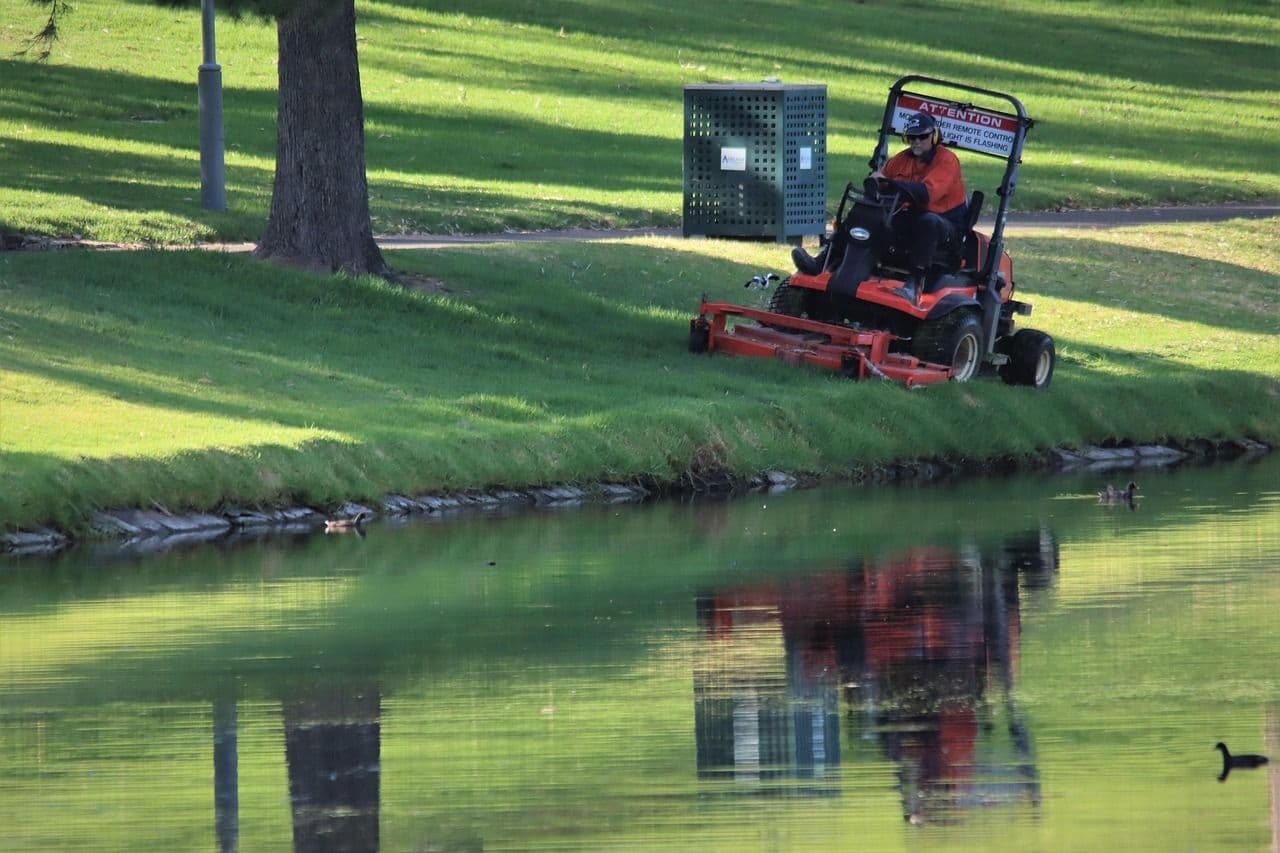
For that money you get a seat, a wide cutting deck, and usually an engine or battery system strong enough to mow an acre in a fraction of the time a walk behind mower needs. Most lawn tractors include a rear hitch for attachments, and many accept bagging kits or mulching plates. Zero turn mowers trade some towing ability for tight turning and speed around trees and beds.
Think about deck width relative to your gates and storage space, too. A wide deck finishes faster but needs a large garage or shed.
The choice between gas and electric also shapes the value. Gas riders cost less upfront and refuel in minutes, which suits very large properties. Electric riders cost more, but they start with a button, run quietly enough for early mornings, and skip oil changes and fuel cans entirely. If your lawn fits within one charge, an electric model can be the more pleasant machine to own.
Benefits of Owning a Riding Lawn Mower
If you are wondering why buy a riding lawn mower, time savings come first. A 42 to 54 inch deck cuts two or three times the width of a typical push mower, and you ride rather than walk. On an acre or more, that can turn a half day chore into an hour or so.
Comfort is the second big advantage. Riding is far easier on knees, backs and hearts than pushing a mower over long distances, which matters for older homeowners and anyone with health limits. Hot summer mowing becomes much more bearable.
Versatility is another reason. Lawn tractors can tow dump carts, leaf sweepers, aerators, dethatchers and spreaders, so one machine supports year round yard work. Some can mount snow blades or blowers for winter.
Finally, a good rider gives a consistent, even cut over large areas. Wide decks with adjustable heights produce a striped, tidy finish, and mulching or bagging options handle clippings the way you prefer.
Drawbacks to Consider
The biggest drawback is cost. Even entry level riders cost several times more than a quality push mower, and electric models cost more still. You also need space: a riding mower needs a sizable parking spot in your garage or shed.
Maneuverability is limited in tight yards. Narrow gates, steep slopes, lots of beds and small spaces between trees can make a rider frustrating, and you may still need a trimmer and a small mower for edges and tight spots.
Safety needs attention. Riding mowers can tip on steep slopes, and blades are dangerous around children and pets. Always follow the slope limits in the manual and never carry passengers.
Gas models bring noise, fumes, fuel storage and engine upkeep. Electric riders are quieter and simpler but have runtime limits and higher upfront prices.
Who Should Buy One (and Who Should Skip It)
Buy a riding mower if you have about half an acre or more of open lawn, especially with gentle slopes, or if mowing with a push mower is physically difficult for you. It is also a strong choice if you want to tow attachments for leaves, aeration or hauling mulch. For uneven ground, look at models built for it in our guide to the best riding lawn mower for uneven terrain.
Skip it, or think twice, if your lawn is under a quarter acre, heavily landscaped, steep, or split into small sections behind narrow gates. A self propelled walk behind mower will be cheaper, easier to store and often just as quick on a small lot.
The gray zone sits between a quarter and half an acre. Here a compact rider can make sense, and our list of the best riding lawn mower for small yards covers models with smaller decks and tighter turning.
Cost of Ownership Over Time
Beyond the purchase price, plan for regular maintenance. Gas riders need oil and filter changes, air filters, spark plugs, blade sharpening, belts and occasional tires, plus a battery for the electric start. Fuel is an ongoing cost, and stale fuel over winter can cause carburetor problems if you do not use stabilizer.
Electric riders cut out oil, spark plugs and fuel, so routine upkeep is mainly blade care, cleaning and battery management. Battery packs are expensive to replace, though, so follow the charging and storage advice closely.
Many owners take their mower to a dealer for a yearly tune up, which adds to the cost but helps catch problems early. Treated well, a riding mower can last many seasons, which spreads the purchase price over a long time.
Winter prep is part of the cost picture as well. Before storage, gas owners should add stabilizer or run the tank dry, change the oil and clean the deck, while electric owners should charge batteries to the level the maker recommends and store them indoors. A breathable cover and a dry spot protect the seat, wiring and deck from rust and pests.
Alternatives Worth Considering
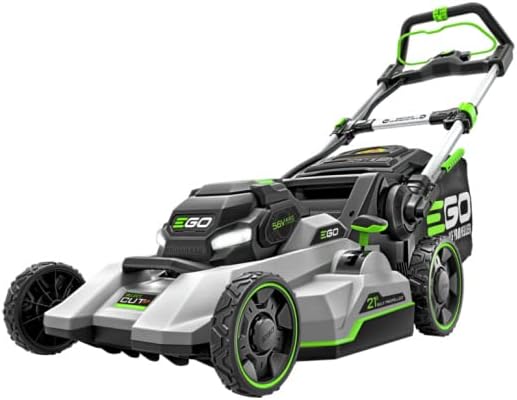
If a rider feels like too much, consider a wide self propelled walk behind mower, which handles a third to half an acre comfortably. Battery push mowers are quiet and easy to maintain on smaller lots. Robot mowers are another growing option for owners who would rather not mow at all, though large or complex yards need high end models. Hiring a lawn service is also worth pricing out, since the yearly cost of professional mowing adds up quickly, so compare it with the price of a rider spread over several seasons. Our main list of the best lawn mower picks covers every type.
Our Verdict: Is a Riding Lawn Mower Worth It?
Yes, for larger lawns. If you mow half an acre or more, value your time and comfort, or want to tow attachments, a riding mower pays you back every week of the season. For small or crowded yards, a quality walk behind mower is the smarter buy. Match deck size to your lawn and storage, and choose gas or electric based on how much maintenance and noise you are willing to live with.
Frequently Asked Questions
Is a riding lawn mower worth buying?
For many homeowners, the answer to is a riding lawn mower worth buying is yes when the lawn is about half an acre or larger. The time savings and comfort add up quickly. For smaller lawns, the high price, storage needs and limited maneuverability usually make a walk behind mower the better value.
How long does a riding lawn mower last?
With regular maintenance and covered storage, a riding mower can last many seasons, and many owners get a decade or more from a well kept machine. Engine care, belt and blade upkeep, and protecting it from rust and stale fuel make the biggest difference to lifespan.
What is the best riding lawn mower to buy?
The best choice depends on lawn size, terrain and whether you want gas or electric power. Lawn tractors suit towing and gentle slopes, while zero turn mowers suit open lawns with many obstacles. See our picks for the best riding lawn mower, and our guide on where to buy a lawn mower to compare sellers.
Final Thoughts
So, is a riding lawn mower worth it? For half an acre or more, almost always, thanks to faster mowing, less strain and the ability to tow attachments. For small yards, a good walk behind mower saves money and space. Whichever path you choose, compare models in our guide to the best lawn mower options before you buy.