
Is a Robot Vacuum and Mop Worth It? Honest Pros, Cons and Verdict (2026)
Disclosure: We may earn a commission when you buy through links on this page, at no extra cost to you. As an Amazon Associate I earn from qualifying purchases. Learn more

Is a robot vacuum and mop worth it for your home? Real prices from budget to flagship, benefits, drawbacks and who should skip one.
For most busy households with lots of hard flooring, pets or kids, yes: a robot vacuum and mop is worth it because it keeps floors consistently clean with almost no daily effort. It will not replace an occasional deep clean, and homes that are mostly carpet or very cluttered get less value from the mopping side.
So is a robot vacuum and mop worth it for your home? The answer depends on your floors, your budget and how much maintenance you are willing to do. Below we look at what you get at each price, the real benefits and drawbacks, the cost of ownership over time and the alternatives, so you can decide with confidence.

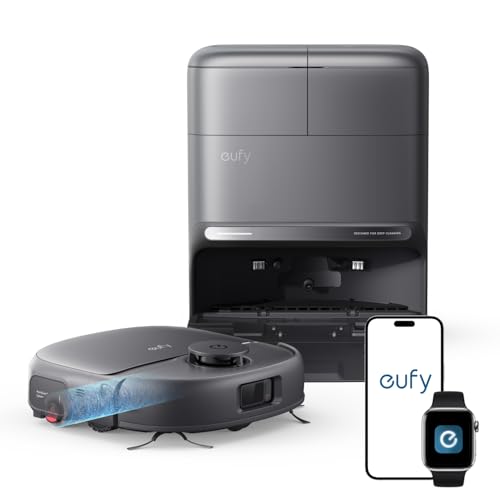
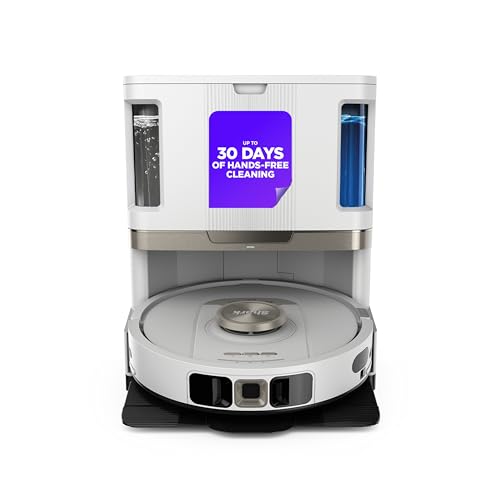

What You Get for the Money
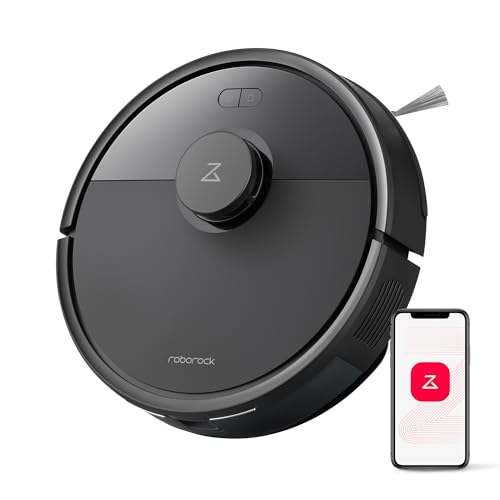
Robot vacuum and mop combos span a wide price range, and current listings on Amazon show how features climb with price. At the entry level, the roborock Q7 L5 sells for around $140 and offers 8,000 Pa suction, LiDAR mapping and a 270 ml water tank with a removable mop pad that vacuums and mops at the same time. You fill and empty it yourself.
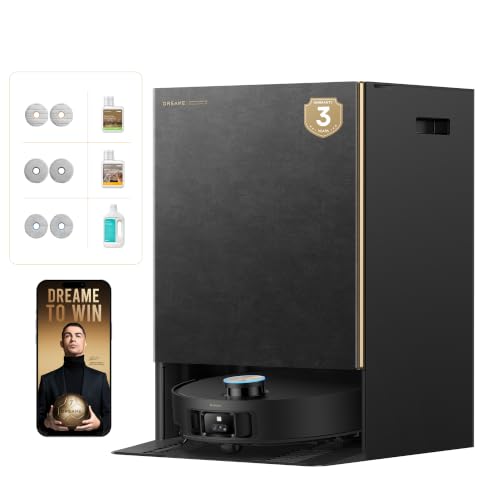
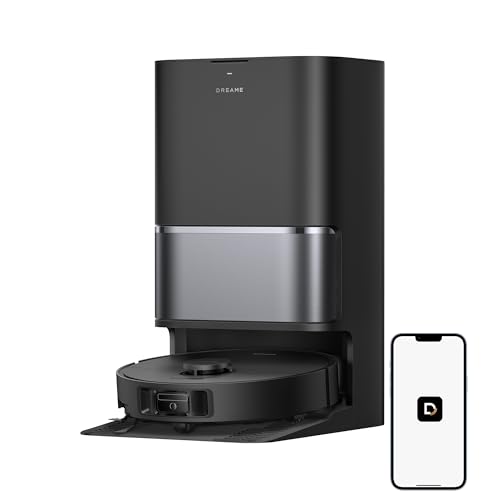
Around $250, models like the roborock Q10 S5+ add a self emptying station with a dust bag that lasts up to 70 days, plus a vibrating mop and carpet detection that lifts the mop. In the mid range, around $570, the dreame L40 Ultra Gen 2 brings 25,000Pa suction, an extending brush and mop for corners and an all in one self cleaning dock.
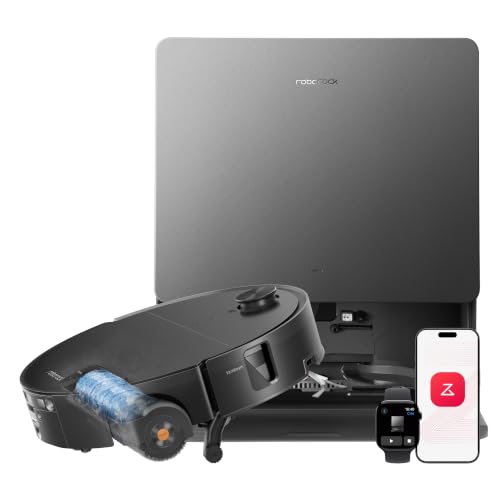
At the top, flagships such as the roborock Saros 20 Flow at around $1,360 and the dreame Matrix10 Ultra at around $1,600 add roller or switchable mops, hot water mop washing, warm air drying and advanced obstacle recognition. The more you pay, the less you touch the robot.
For most homes, the sweet spot sits in the middle. A self emptying base removes the most frequent chore, and a dock that washes and dries the mop removes the next. Paying for both usually brings more daily relief than paying extra for the very highest suction numbers.
Benefits of Owning a Robot Vacuum and Mop
The main benefit is consistency. A robot that runs every day or every other day keeps dust, crumbs and pet hair from building up, so floors stay clean between your deeper cleaning sessions.
- Time saved: daily vacuuming and light mopping happen while you work, sleep or run errands.
- Two jobs in one: one device handles both dry debris and light wet cleaning on hard floors.
- Cleaner kitchens and entryways: regular mopping keeps sticky spots and tracked in dirt under control.
- Help for pet owners: frequent runs collect shedding before it drifts into corners and onto furniture.
- Smart control: apps let you set schedules, room order, suction and water levels, and no go zones.
- Less effort for anyone with mobility limits: floors stay clean without bending, pushing or carrying a bucket.
Those are the core reasons people ask why buy a robot vacuum and mop instead of a vacuum alone. If your home is mostly hard flooring, the mopping side adds real everyday value.
Shoppers who ask is a robot vacuum mop combo worth it often underestimate how much the routine matters. A robot that cleans on a schedule never forgets, never skips a busy week and never leaves the hallway for later. Over a month, that steady upkeep usually beats an occasional heavy cleaning session, especially on light colored tile and wood where dust shows quickly.
Drawbacks to Consider
Robot combos are convenient, but they are not magic. Consider these trade offs before you buy.
- Light mopping only on cheaper models: basic pads mostly dampen the floor and struggle with dried spills.
- Clutter gets in the way: cords, socks and toys need picking up before runs, even with obstacle avoidance.
- Carpet complications: robots without mop lifting can dampen rugs, so you may need to remove the pad or set no go zones.
- Ongoing maintenance: water tanks, pads, brushes and filters still need regular attention.
- Big docks: full self cleaning stations take noticeable floor space and need an outlet.
- Higher cost for real automation: the features that remove most chores sit in the mid and upper price tiers.
There is also a learning curve. The first few runs are spent mapping, and you may need to adjust no go zones, room boundaries and water levels before the robot cleans the way you want. Most owners settle into a routine within a week or two, but expect some tweaking at the start.
Who Should Buy One (and Who Should Skip It)
Buy a robot vacuum and mop if:
- Your home has a lot of tile, vinyl, laminate or sealed wood
- You have pets, kids or high traffic areas
- You want floors to stay tidy between deep cleans
- You are comfortable setting up an app and maps
Skip it, or buy a vacuum only robot, if:
- Your floors are mostly carpet
- Your home is very cluttered or has lots of loose cords
- You need heavy scrubbing of dried, greasy messes
- You prefer not to maintain tanks, pads and filters
If you are on the fence and still asking "is a robot vacuum and mop worth buying" for a small apartment, a budget combo is a low risk way to try the idea.
Cost of Ownership Over Time
Beyond the purchase price, plan for replacement parts. Main and side brushes, filters and mop pads wear out over time, and self emptying docks use dust bags unless they are bagless. Cleaning solution adds a small ongoing cost if you use it. Electricity use is minor for a device that runs an hour or two a day.
The battery is the largest long term expense. It slowly loses capacity, so runtime shrinks over the years, and a replacement can cost a meaningful share of a budget robot's price. Buying from a brand that sells parts, and keeping the robot and dock clean, stretches the life of the whole system.
A simple routine keeps those costs predictable. Rinse the mop pads or roller after each run if your dock does not wash them, clean the filter weekly, clear hair from the brushes, and wipe the sensors with a dry cloth. Replace brushes and pads when they look worn rather than waiting for poor results.
Alternatives Worth Considering
If a combo does not fit your home, there are good alternatives. A vacuum only robot costs less and suits carpeted homes. A cordless stick vacuum gives fast manual cleaning with more power on rugs. A wet dry floor washer vacuums and mops in one pass for deeper cleaning on hard floors when you have time to push it. Many households combine a robot for daily upkeep with a floor washer for weekly deep cleans.
Budget also shapes the choice. If you can only spend a little, a well reviewed vacuum only robot often cleans better than the cheapest combo, because the money goes into suction and navigation instead of a basic mop. You can always add a manual mop or floor washer for the occasional wet clean.
Our Verdict: Is a Robot Vacuum and Mop Worth It?
For homes with mostly hard floors and busy schedules, a robot vacuum and mop is worth it, especially in the mid range where self emptying and self cleaning docks remove most chores. Mostly carpeted or cluttered homes are better served by a vacuum only robot or a good cordless vacuum.
Frequently Asked Questions
Is a robot vacuum mop combo worth it for pet owners?
Usually, yes. Daily runs collect hair before it spreads, and mopping handles paw prints and water bowl drips. Choose a model with anti tangle brushes and obstacle avoidance so it steers around pet bowls and toys.
Do robot vacuum and mops work on carpet?
They vacuum carpet well, but the mop needs to stay off it. Look for mop lifting, automatic mop removal or carpet avoidance. On budget models without these features, set no go zones around rugs or remove the mop pad before vacuuming carpeted rooms.
Can a robot vacuum and mop replace regular mopping?
For daily upkeep, often yes. Mid range and premium models with pressurized pads or roller mops keep hard floors clean between deep cleans. You may still want a manual or floor washer clean every few weeks for corners, baseboards and stubborn spills.
How long does a robot vacuum and mop last?
With regular maintenance, most robot combos last several years. Batteries, brushes, filters and pads wear first, so pick a brand with easy to find replacement parts and keep the sensors and dock clean.
What is the best robot vacuum and mop to buy?
It depends on your floors and budget. See our picks for the best robot vacuum and mop, the best robot vacuum and mop for pet hair and the best robot vacuum and mop for hardwood floors.
Final Thoughts
Is a robot vacuum and mop worth it? For hard floor homes with pets, kids or busy schedules, the answer is usually yes. Compare more models in our guide to the best robot vacuum, and see where to buy a robot vacuum for current deals.


