
What Is a Wheelbarrow Used for? Everything You Need to Know (2026)
Disclosure: We may earn a commission when you buy through links on this page, at no extra cost to you. As an Amazon Associate I earn from qualifying purchases. Learn more

What is a wheelbarrow used for? Hauling soil, mulch, rocks and leaves, plus how it works, the main types and pros and cons.
What is a wheelbarrow used for? A wheelbarrow is used to move heavy or bulky materials around a yard, garden or job site with far less effort than carrying them. Homeowners use it to haul soil, mulch, compost, gravel, firewood, leaves, plants and tools, and builders use it for bricks, sand and wet concrete.
This guide explains what a wheelbarrow is, how its parts work together, the jobs it handles best, the main types you can buy and the pros and cons, so you can decide whether one belongs in your shed and which style fits your yard.

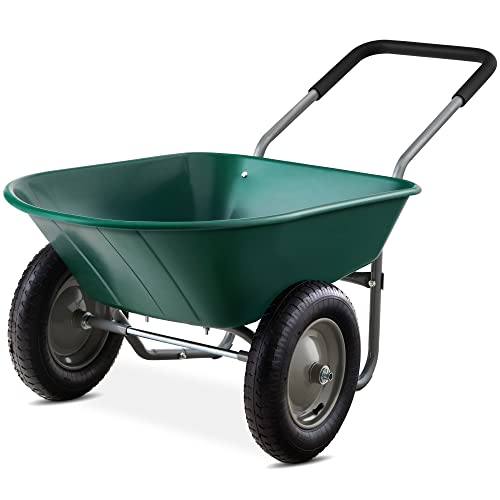

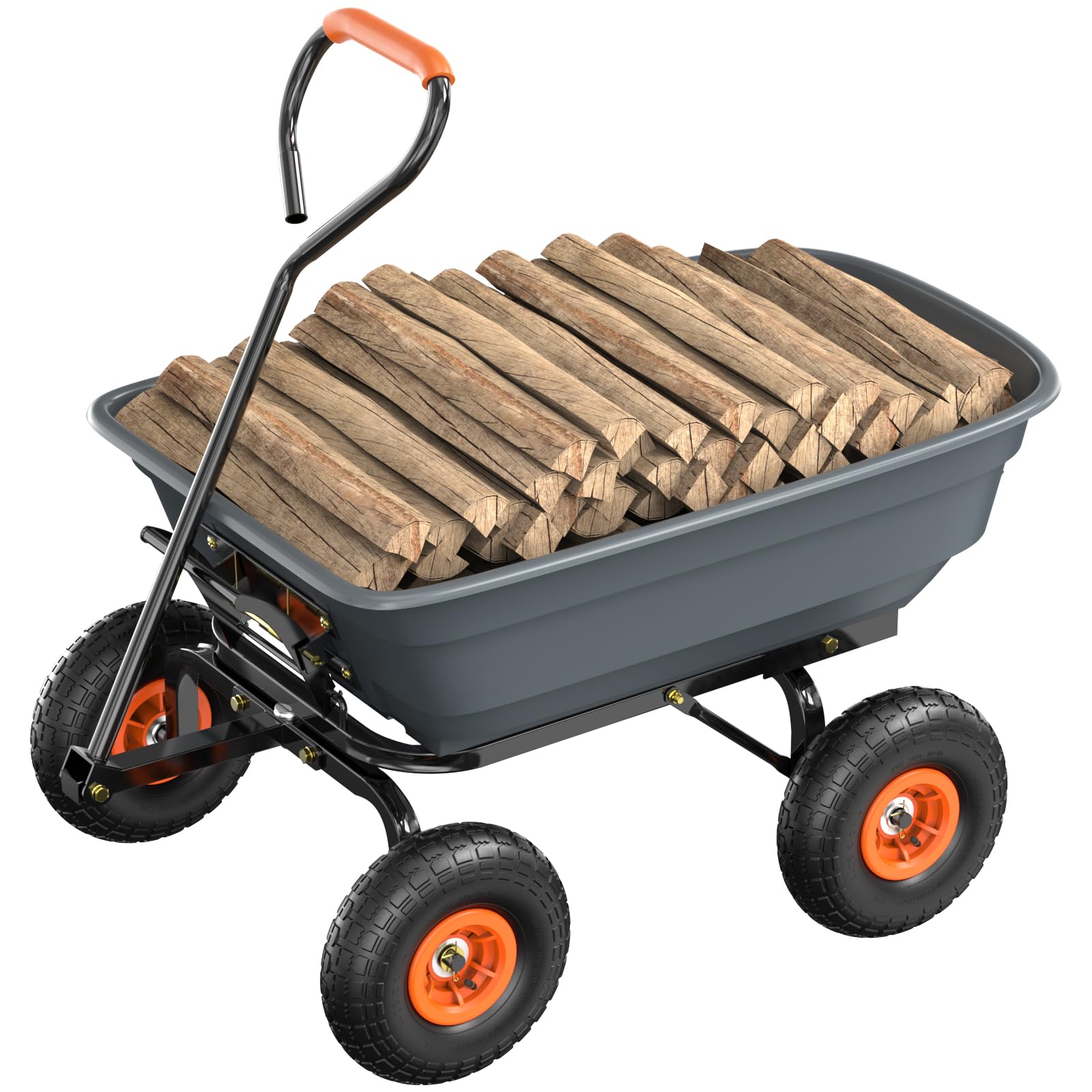

What Is a Wheelbarrow?
A wheelbarrow is a hand pushed cart with a deep tray, one or two wheels at the front and two long handles at the back. You lift the handles to raise the tray off the ground, then push or pull the load, letting the wheel carry most of the weight. To unload, you tip the tray forward over the wheel and the contents slide out.
Wheelbarrows come in many sizes. Small garden models hold around 3 to 4 cubic feet and suit beds and borders, while contractor models hold 6 cubic feet or more for construction and large landscaping projects. Trays are made of steel or tough poly plastic, and wheels may be air filled pneumatic tires or flat free solid tires.
Unlike a four wheel garden cart, a wheelbarrow is designed to dump its load quickly and to move through narrow gates, along garden paths and up planks. That combination of maneuverability and dumping is why it remains one of the most useful tools for yard work.
How Does a Wheelbarrow Work?
The basic answer to how does a wheelbarrow work is simple physics. A wheelbarrow is a second class lever. The wheel and axle act as the fulcrum, the load sits in the tray between the wheel and your hands, and you apply effort at the end of the handles. Because the load is closer to the fulcrum than your hands are, you lift only a fraction of its actual weight.
Here are the main parts and what each one does:
- Tray: the bucket that holds the load. A deep tray carries more volume, and a sloped front makes dumping easy.
- Wheel and axle: the pivot point and the part that rolls. Larger wheels roll more easily over grass, gravel and bumps. Pneumatic tires absorb shock, while flat free tires never go flat.
- Handles: long handles increase leverage. Wood handles absorb vibration, while steel handles resist weather. Ergonomic grips reduce hand strain.
- Frame and legs: the frame supports the tray and connects it to the handles. Rear legs let the wheelbarrow stand level when you set it down.
- Stand or second wheel: two wheel models add stability and balance, so the load does not tip sideways.
When you push, the wheel rolls forward while your arms steer and balance. With one wheel, you can pivot sharply and dump to either side, but you must keep the load balanced. With two wheels, the barrow stays stable on its own, though it turns less sharply. Placing heavier items toward the front, over the wheel, makes any wheelbarrow easier to lift and control.
A few habits make a big difference in daily use. Lift with your legs, not your back, and keep your arms close to straight so the handles hang from your shoulders. Do not overfill the tray, since a load that spills on every bump wastes time. Push loads up slopes and walk backward down them, pulling the barrow behind you, so the weight never runs away from you. When dumping, lift the handles smoothly and let the front lip and the wheel do the work.
What Is a Wheelbarrow Used For?
A wheelbarrow is useful almost anywhere you need to move heavy material. Here is how it helps in common situations.
Clay & Rocky Soil
Heavy clay, rocks and gravel are hard on backs. A sturdy steel or thick poly tray carries dense loads, and the dumping action lets you drop rocks exactly where you need them. Pneumatic tires help on rough, uneven ground. When you dig out a new bed in clay, a wheelbarrow parked next to the hole lets you shovel straight into the tray and haul the spoil away in a few trips.
Hills & Uneven Terrain
On slopes, two wheel wheelbarrows offer more stability, while large tires make rolling over bumps easier. Electric powered barrows take the strain out of pushing heavy loads uphill. On steep ground, carry smaller loads and keep the tray low so the center of gravity stays stable.
Large Yards
On big properties, a high capacity tray means fewer trips across the lawn. Moving mulch, compost or firewood from one end of a property to another is far faster with a wheelbarrow than with buckets. Many owners of large lots keep two: a big contractor barrow for heavy jobs and a lighter one for daily chores.
Leaf & Yard Cleanup
Leaves, branches, weeds and clippings are light but bulky. A wide, deep tray carries a big pile to the compost heap or curb, and quick dumping speeds up fall cleanup. Laying a tarp over the top of a heaped load keeps leaves from blowing out on windy days.
Small Gardens
In small gardens, a compact wheelbarrow carries bags of soil, plants and tools between beds and fits through narrow gates. Lightweight poly models are easy to store and move. A wheelbarrow also works as a portable potting station, so you can mix soil and compost right in the tray before planting.
Types of Wheelbarrows
Wheelbarrows differ by wheels, tray material and power. These are the main types:
- Single wheel wheelbarrow: the classic design. It turns sharply, dumps easily and moves well on narrow paths and planks, but you balance the load yourself.
- Dual wheel wheelbarrow: two front wheels add stability so the load does not tip. Easier for beginners and seniors, though slightly less nimble.
- Steel tray: strong and resistant to sharp rocks and heavy loads, ideal for construction and concrete, but heavier and can rust if scratched.
- Poly tray: lighter, rust proof and easy to clean, good for gardening, mulch and soil. Very heavy or sharp loads can wear it over time.
- Electric wheelbarrow: battery powered motors push the load for you, making heavy hauling and hills much easier, at a higher price.
- Garden or dump carts: four wheel carts that you pull rather than push, with tipping beds for unloading. They carry more and need less balance, but they are less maneuverable.
For seniors or anyone with limited strength, our guide to the best wheelbarrow for seniors covers lighter and more stable models.
Pros and Cons
Pros
- Moves heavy loads with much less effort than carrying
- Dumps quickly and precisely
- Fits through gates and narrow garden paths
- Simple, durable and low maintenance
- Works for gardening, landscaping and construction
Cons
- Single wheel models need balance and strength
- Heavy loads are still tiring on slopes
- Pneumatic tires can go flat
- Steel trays can rust, and poly trays can crack with abuse
Is a Wheelbarrow Right for You?
A wheelbarrow is worth owning if you garden, landscape, move mulch or soil each season, split firewood or take on DIY projects. Choose a single wheel model for maneuverability and quick dumping, a two wheel model for stability, and an electric one if you haul heavy loads or work on hills. For contractors and big projects, see the best wheelbarrow for heavy duty use. If budget is a concern, our guide to how much does a wheelbarrow cost explains typical prices by type.
If you only move a few bags of soil each year, a smaller garden cart or a sturdy bucket may be enough. But for most homeowners with a lawn and garden, a wheelbarrow pays for itself in saved time and effort within the first season.
Think about storage and upkeep before you buy, too. A wheelbarrow takes up floor space in a garage or shed, though many can hang on a wall hook. Pneumatic tires need air now and then, and steel trays should be rinsed and dried after carrying wet concrete or fertilizer. These small chores keep the tool working for years.
Frequently Asked Questions
How much weight can a wheelbarrow hold?
It depends on the model. Small garden wheelbarrows often carry around 300 to 400 pounds, while heavy duty and two wheel models can carry 500 pounds or more. Check the load rating and tray volume, and remember that balance matters as much as the rating on a single wheel model.
Is a wheelbarrow worth buying?
Yes, for most homeowners with a yard or garden. It saves time and strain when moving soil, mulch, rocks, leaves and tools. A good wheelbarrow lasts many years, and it is one of the most used tools in any shed. To compare stores and prices, see where to buy a wheelbarrow.
How long does a wheelbarrow last?
A well cared for wheelbarrow can last many years. Store it upside down or under cover so water does not pool in the tray, keep tires inflated or switch to flat free tires, tighten bolts and touch up scratches on steel trays to prevent rust.
Final Thoughts
So, what is a wheelbarrow used for? Moving heavy or bulky material such as soil, mulch, rocks, leaves and tools with far less effort, thanks to simple lever physics. Choose the wheel count, tray material and size that suit your yard and loads. When you are ready to buy, compare our picks for the best wheelbarrow.


