
Where to Buy a Garden Hose: Buying Guide for 2026
Disclosure: We may earn a commission when you buy through links on this page, at no extra cost to you. As an Amazon Associate I earn from qualifying purchases. Learn more
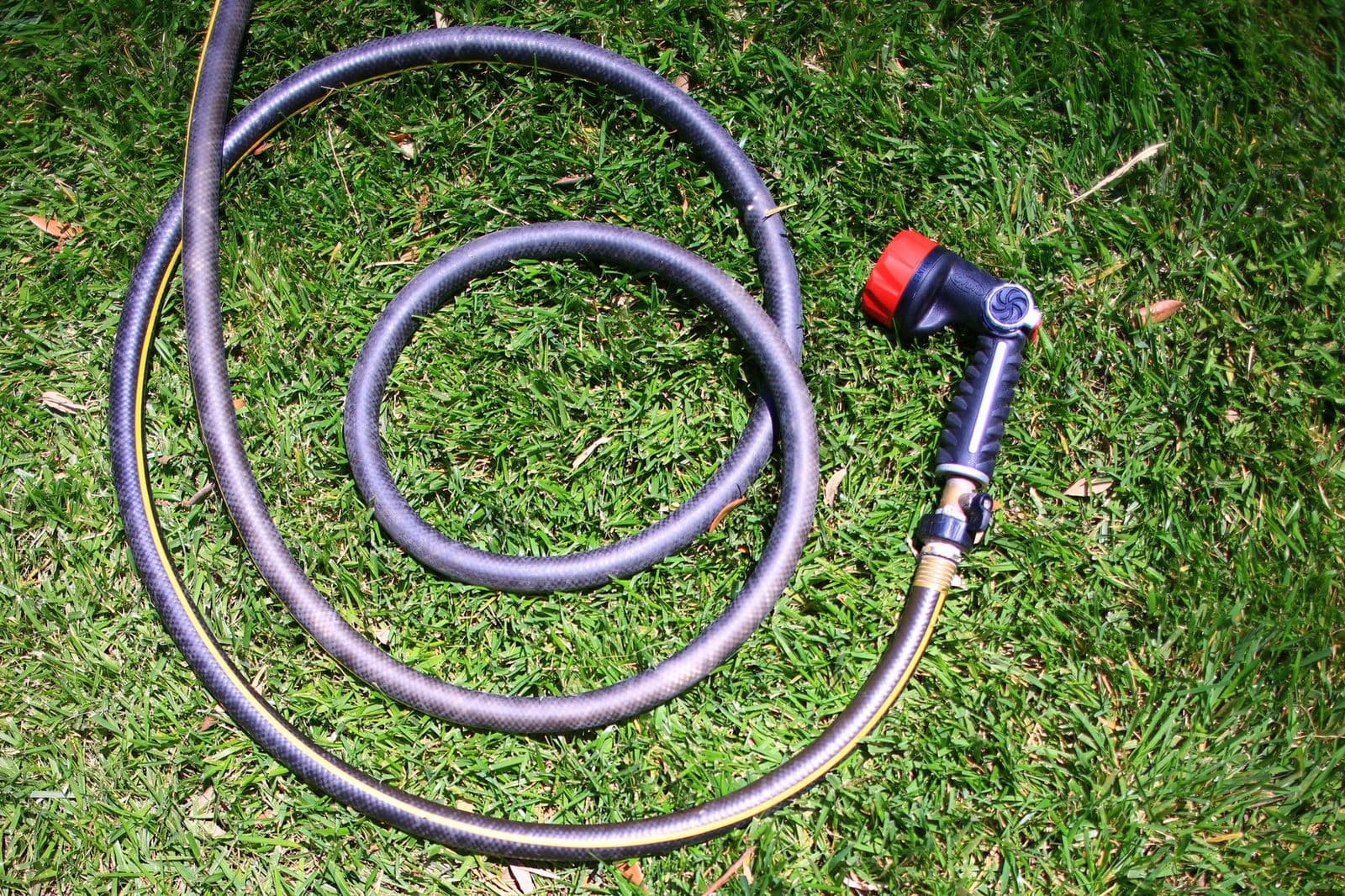
Amazon, big box store or garden center? Where to buy a garden hose, plus the materials, sizes and fittings that matter most.
The best places for where to buy a garden hose are Amazon, for the widest selection and verified owner reviews, and home improvement stores such as Home Depot and Lowe's, for seeing and handling hoses before you buy. Brand websites and garden centers are worth checking for premium hoses, extended warranties and seasonal sales.
Wherever you shop, the right hose matters more than the store. This guide compares your buying options, explains the features that separate a hose you will love from one that kinks every time you pull it, and covers sizing, prices and mistakes to avoid.
Where to Buy a Garden Hose: Amazon vs Big Box Stores vs Specialty Shops
Each type of retailer has strengths. Compare selection, prices, delivery and how easy it is to return a hose that turns out to be too short or too stiff.
Buying a Garden Hose on Amazon
Amazon offers the largest range, from basic vinyl hoses to premium hybrid, rubber and expandable models in every common length. Verified owner reviews and photos make it easier to spot hoses that kink, leak at the fittings or crack after a season in the sun. Prices are competitive, delivery is fast, and heavy 100 foot hoses arrive at your door rather than in your car. Check the return window and the seller before you order, especially for less familiar brands.
Home Improvement and Big Box Stores
Home Depot, Lowe's, Walmart and similar stores let you feel the weight and flexibility of a hose before buying, which is useful if you are choosing between rubber and hybrid materials. Selection is narrower and often limited to a few house brands, and stock thins out late in the season. Returns are simple if a hose disappoints.
Brand Websites and Specialty Retailers
Brand sites and local garden centers are the place for premium hoses, replacement parts and full warranty details. Staff at independent garden centers can also advise on hoses for specific uses, such as drinking water safe hoses for vegetable beds. Prices are usually higher outside of sales.
When to Buy for the Best Deals
Hoses go on sale in early spring as stores stock up, around Memorial Day and Father's Day, and in late summer and fall clearance. Amazon deals on popular hoses appear throughout the year, so it pays to watch prices for a few weeks if you are not in a hurry.
What Is a Garden Hose and Do You Need One?
A garden hose is a flexible tube that carries water from an outdoor spigot to wherever you need it, for watering lawns and beds, washing cars, rinsing patios and filling pools. Almost every home with a yard, garden or driveway benefits from at least one. Even apartment dwellers with a balcony garden may want a short hose or a compact expandable model. If you water by hand often, a good hose saves time and effort compared with carrying watering cans back and forth.
Main Types of Garden Hoses
Most hoses fall into a few groups, each suited to a different kind of user.
- Vinyl hoses: Cheap and light, but they kink easily and crack in heat and cold. Best for occasional light use.
- Rubber hoses: Heavy, tough and long lasting, they handle hot water and harsh weather well. Best for heavy use and larger properties.
- Hybrid hoses: Blends of rubber and polymer that stay flexible and resist kinks while weighing less than rubber. A great all round choice for most homes.
- Expandable hoses: Stretch when filled and shrink when empty, so they are very light and easy to store. Best for small yards, patios and anyone who struggles with heavy hoses.
- Soaker and flat hoses: Soaker hoses weep water slowly into beds, while flat hoses roll up compactly on a reel. Both are specialty options.
Key Features to Consider
Knowing what to look for in a garden hose helps you avoid the most common frustrations: kinks, leaks and a hose that is too heavy to drag around.
Hose Material (Rubber, Hybrid, Expandable)
Rubber lasts longest and handles extreme temperatures but is heavy. Hybrid hoses balance durability, flexibility and weight. Expandable hoses are the lightest and easiest to store but are generally less durable and can burst if left pressurized in hot sun. Vinyl is cheapest but the least durable.
Length and Diameter
Buy a hose long enough to reach the far corners of your yard without stretching, but not much longer, since extra length reduces water pressure and adds weight. A 5/8 inch diameter suits most homes, 1/2 inch is lighter for small gardens, and 3/4 inch delivers more flow for large properties.
Burst Pressure and Durability
Burst pressure indicates how much water pressure a hose can take before failing. Higher numbers usually mean thicker walls and more reinforcement layers. Look for UV resistant outer covers if the hose will live outdoors, and check the warranty length as a signal of durability.
Kink Resistance
Kinks stop water flow and weaken the hose over time. Hybrid and quality rubber hoses resist kinking best, while cheap vinyl kinks constantly. Many premium hoses are sold as kink free or no kink, and owner reviews quickly reveal whether that claim holds up.
Fittings (Brass vs Aluminum)
Fittings are a common failure point. Solid or crush resistant brass fittings last longest and seal well. Aluminum is lighter and resists corrosion but can deform if stepped on or driven over. Avoid plastic fittings on hoses you use often.
Weight and Storage
A 100 foot rubber hose can be heavy to drag and coil. Lighter hybrid or expandable hoses are easier for many people to handle; see our picks for the best garden hose for seniors. A hose reel or hanger keeps the hose tidy and extends its life by preventing kinks and sun damage.
Drinking Water Safe Materials
If you drink from the hose, fill pet bowls or water edible crops, look for hoses labeled drinking water safe or lead free. Our guide to the best garden hose for vegetable gardens focuses on these models.
How Much Should You Spend?
An entry level hose typically costs around $40, a quality mid range hybrid or rubber hose about $50 to $70, and premium hoses or long expandable models around $100 to $110. Hose reels and carts add more, often $60 to $200 depending on size and whether they retract automatically. Spending a little more upfront usually means fewer kinks, better fittings and a longer life. For a detailed breakdown, read how much does a garden hose cost.
What Size Garden Hose Do You Need?
If you are asking what size garden hose do i need, measure from the spigot to the farthest point you water, then add a few feet so you are not pulling the hose tight. Use this table as a starting point.
| Home or yard size | Suggested length | Suggested diameter |
|---|---|---|
| Balcony, patio or small courtyard | 25 to 50 ft | 1/2 in |
| Small yard or townhouse | 50 ft | 1/2 or 5/8 in |
| Average suburban yard | 75 to 100 ft | 5/8 in |
| Large property or long driveway | 100 ft or two hoses joined | 5/8 or 3/4 in |
Is a Garden Hose Worth Buying?
For most homeowners, yes. A quality hose makes watering, washing and cleanup faster and more pleasant, and it can last many years. Is a garden hose worth buying even if you have an irrigation system? Usually it is, because you still need one for hand watering, cars and patios. The key is buying a hose that suits your yard rather than the cheapest one on the shelf.
Common Buying Mistakes to Avoid
- Buying a hose that is much longer than you need, which reduces pressure and adds weight.
- Choosing cheap vinyl for heavy use, leading to constant kinks and cracks.
- Ignoring the fittings, the most common place for leaks.
- Leaving expandable hoses under pressure in the sun.
- Skipping a reel or hanger, which shortens a hose's life.
Frequently Asked Questions
What size garden hose do I need?
Most homes do well with a 5/8 inch hose that is 50 to 100 feet long. Measure from the spigot to the farthest spot you water and add a little slack. Small patios need only 25 to 50 feet, while large properties may need 100 feet or a second hose.
What to look for in a garden hose?
Look for kink resistance, durable material such as hybrid or rubber, crush resistant brass fittings, UV resistance and the right length and diameter. If you water vegetables or pets, choose a drinking water safe, lead free hose.
Is an expandable garden hose worth buying?
An expandable hose is worth it if light weight and compact storage matter most, for example on a patio or for someone who finds regular hoses heavy. They are usually less durable than hybrid or rubber hoses, so drain them after use and keep them out of strong sun.
How long does a garden hose last?
A quality rubber or hybrid hose often lasts many years with proper storage, while cheap vinyl may fail within a season or two. Learn more in how long does a garden hose last.
What is the best brand of garden hose?
Well regarded brands include Flexzilla and Giraffe Tools for hybrid hoses, and Pocket Hose and Flexi Hose for expandable models. The best brand depends on your needs: hybrid for all round use, rubber for heavy duty work and expandable for light weight.
Final Thoughts
When deciding where to buy a garden hose, Amazon offers the widest choice and real owner feedback, while big box stores let you handle hoses in person. Focus on material, length, fittings and kink resistance, and buy a hose that fits your yard. Ready to choose? See our picks for the best garden hose.


