
Best Central Vacuum Systems (2026): 3 Top Rated Picks Worth Buying
Disclosure: We may earn a commission when you buy through links on this page, at no extra cost to you. As an Amazon Associate I earn from qualifying purchases. Learn more

Our best central vacuum system picks from OVO, Prolux and Dirt Devil, plus how to size power, inlets and filtration for your home.
Hauling a heavy upright from room to room, emptying a small dust bin every few minutes and breathing in fine dust that slips past the filter: those are the everyday frustrations that send homeowners looking at central vacuums. A central vac moves the motor and the dirt container to the garage or basement, runs pipes through the walls and lets you plug a light hose into inlets around the house. Dust is carried away from living spaces, and suction stays strong because the motor is far larger than any portable vacuum can carry. The best central vacuum system pairs a powerful, durable power unit with filtration that suits your home and a capacity that matches its size.
To pick our favorites, we compared manufacturer specs such as air watts, capacity and filtration type, verified owner feedback on Amazon, expert reviews and price against value, keeping only current models in stock. Our picks are an OVO heavy duty power unit with hybrid bagged or bagless filtration and a 40 foot accessory kit, a Prolux CV12000 built in North America with a 25 year service promise, and an HP Products Dirt Devil system that offers an affordable way into whole house cleaning.






Our Top 3 Picks at a Glance
All three are true central vacuum power units, designed to connect to in wall piping and inlets.
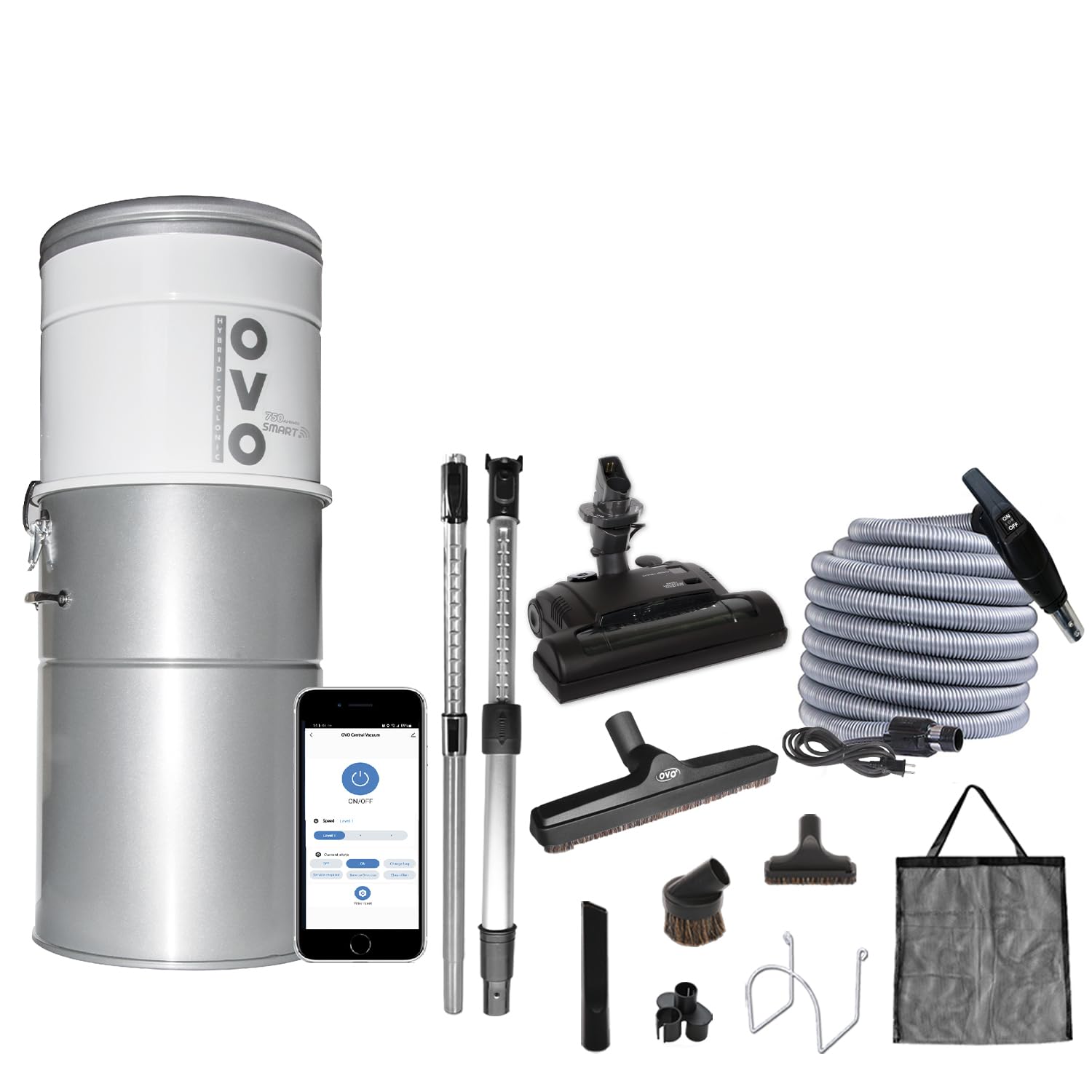
- Best Overall: OVO Heavy Duty Central Vacuum System, 700 Air Watts, 35L (around $560). Hybrid filtration that works with or without disposable bags, a large 9.25 gallon canister and a 40 foot deluxe accessory kit.
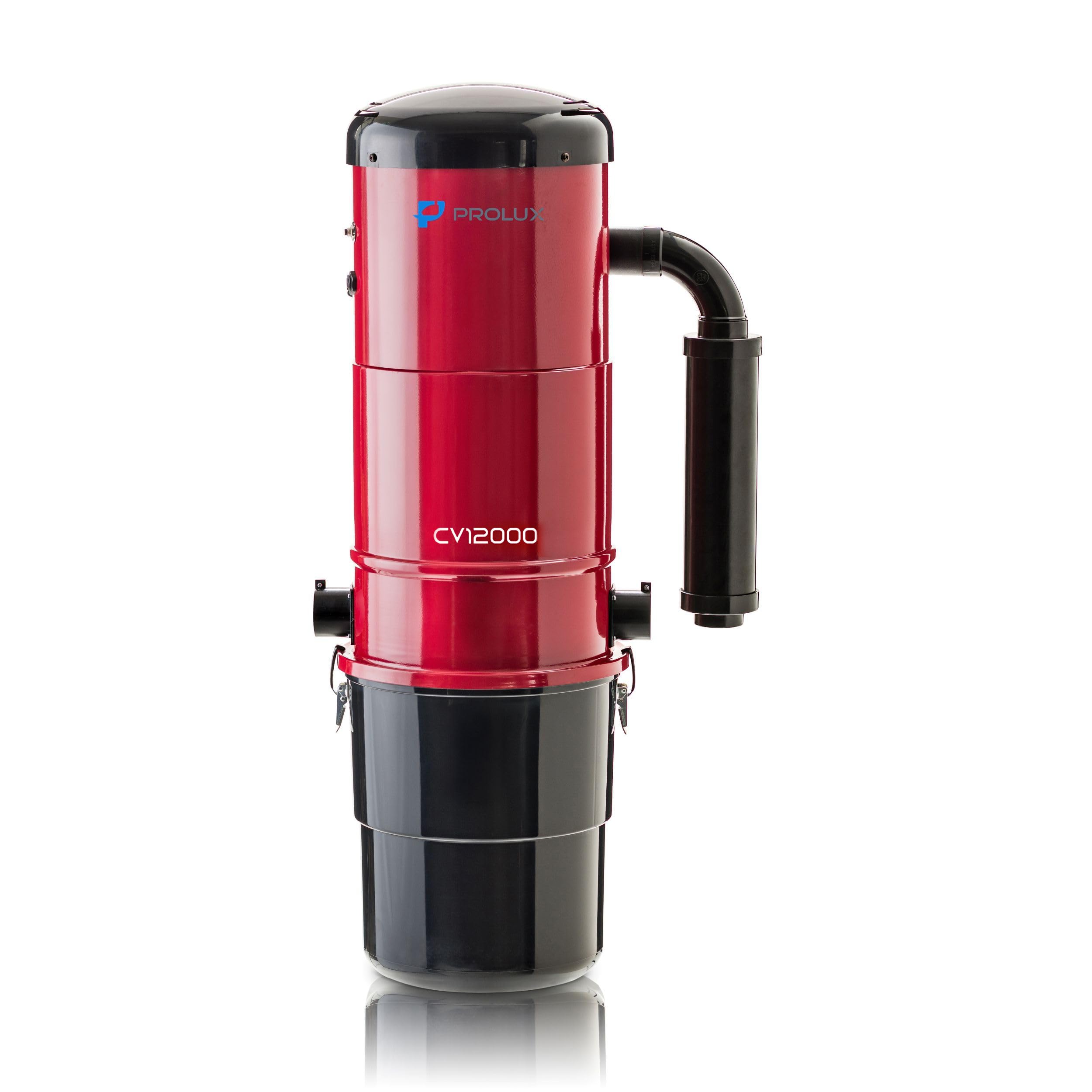
- Runner Up: Prolux CV12000 Central Vacuum (around $600). A 2 stage bypass motor, a design that avoids suction loss, large capacity and a 25 year service promise.
- Best Value: HP Products 9880 Dirt Devil Central Vacuum System (around $315). An affordable power unit with strong owner feedback for homeowners on a budget.
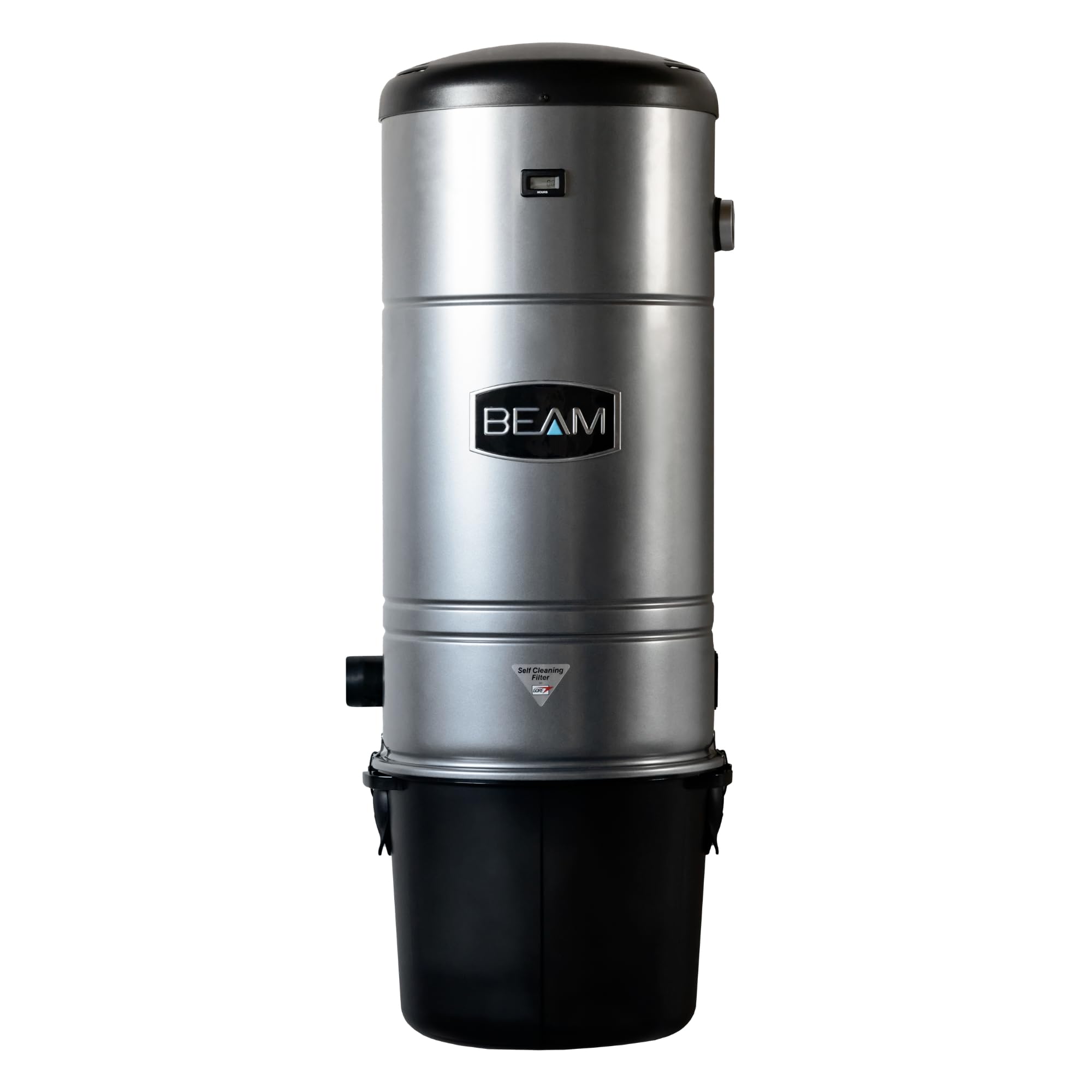
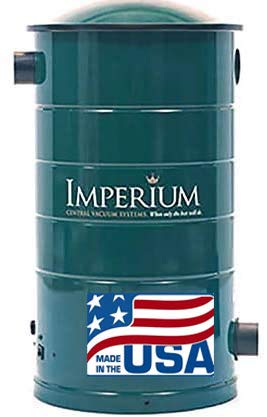
The product table above lists more power units from OVO, Beam, Broan-NuTone and others. If you are still comparing central and portable vacuums, see our main guide to the best vacuum cleaner.
How We Chose the Best Central Vacuum System
We looked first at power, measured in air watts, and at the capacity of the dirt canister, since together they decide how much cleaning a system can do between emptying. Filtration type mattered too: bagged, bagless cyclonic and hybrid systems each suit different households. We then weighed build quality, motor type, warranty and service support, because a central vac is a long term investment that should run for many years.
Owner ratings and review volume carried weight, especially comments about suction, noise and reliability after installation. Every pick had to be a current model in stock on amazon.com.
Central Vacuum System Reviews
1. OVO Heavy Duty Central Vacuum System 700 Air Watts: Best Overall
- Power: 700 air watts
- Canister: 35L (9.25 gallons)
- Hybrid filtration, used with or without disposable bags
- Includes a 40 foot deluxe accessory kit
Why We Picked It
OVO's heavy duty power unit is our top pick because it combines strong power with flexibility that suits most homes. Rated at 700 air watts, it has the suction to pull dirt through long pipe runs to the farthest inlets, which is where smaller units often lose performance. The 35 liter canister, about 9.25 gallons, means you empty it far less often than any portable vacuum.
The hybrid filtration is the standout feature. You can run it with a disposable bag for the cleanest, most hygienic emptying, which is helpful for allergy sufferers, or run it without a bag to save on ongoing costs. Being able to switch gives you a choice that most systems lock in at purchase. This version also includes a 40 foot deluxe accessory kit, so you get a hose and cleaning tools to start using the system right away once the piping and inlets are in place.
The OVO heavy duty line has built a large base of owner reviews and is well reviewed by buyers, which is reassuring for a brand that sells mainly online rather than through dealers. The trade offs are typical for central vacs: you still need piping, inlets and installation, and the power unit needs wall space in a garage, basement or utility room. If your home is very large, compare coverage carefully in our guide to the best central vacuum system for large homes.
Pros
- Strong 700 air watt power
- Large 35L canister
- Bagged or bagless operation
- 40 foot accessory kit included
Cons
- Installation and piping are extra work
- Large unit needs dedicated wall space
Who Should Buy It
Homeowners who want strong whole house suction with the choice of bagged or bagless cleaning. It costs around $560 with the accessory kit.

2. Prolux CV12000 Central Vacuum: Runner Up
- Motor: 2 stage bypass motor
- No suction loss design
- Large capacity canister
- Made in North America
- 25 year service promise
Why We Picked It
The Prolux CV12000 is built for owners who see a central vacuum as a long term part of the house. Its 2 stage bypass motor is a design widely used in central vacuums because the air that cools the motor is kept separate from the dirty air being vacuumed, which helps protect the motor and extend its life. Prolux pairs it with a design meant to avoid suction loss as the canister fills, so performance stays steady between emptying.
The 25 year service promise is the headline. Few household appliances come with a commitment that long, and it signals confidence in the build. The unit is made in North America and has a large capacity canister for fewer trips to empty it. For buyers who plan to stay in their home for many years, that durability and support can matter more than a lower price.
It has a solid base of owner reviews, though fewer than the OVO line. Prolux lists fewer detailed specs such as air watts in this listing, so check the coverage area against your home size before you buy. Like any central vac, it needs proper installation and an exhaust vented outdoors or to a suitable space.
Pros
- 2 stage bypass motor
- Design to avoid suction loss
- 25 year service promise
- Made in North America
Cons
- Higher price than budget units
- Fewer published specs in the listing
Who Should Buy It
Homeowners planning to stay long term who value durability and service support. It costs around $600.

3. HP Products 9880 Dirt Devil Central Vacuum System: Best Value
- Type: central vacuum power unit
- Brand: Dirt Devil system from HP Products
- Designed for in wall piping and inlets
Why We Picked It
Central vacuums can be expensive, and the HP Products 9880 Dirt Devil system is one of the most affordable ways to get one. At around half the price of our other picks, it brings the core benefits of central vacuuming, a motor and dirt container kept out of living spaces and a light hose in each room, to homeowners on a tighter budget.
It is very well reviewed by buyers for the price, and as a simple power unit it has little to set up beyond connecting it to your piping, power and exhaust. That makes it a sensible choice for smaller homes, condos with existing piping or anyone replacing an old power unit without wanting to spend premium money.
The listing gives very few technical details, so confirm air watts, canister size, filtration type and recommended coverage area with the seller before buying, and make sure it fits your existing pipe and inlet setup. For larger homes or households with heavy pet hair, a higher powered unit like the OVO is a safer bet; owners with pets can also compare our picks for the best central vacuum system for pet hair.
Pros
- Low price for a central vacuum
- Strong owner feedback
- Good for smaller homes and replacements
Cons
- Few published specs
- Less suited to very large homes
Who Should Buy It
Budget minded owners of smaller homes or anyone replacing an older power unit. It costs around $315.

Who Should Buy a Central Vacuum System (and Who Should Not)
A central vacuum makes the most sense for homeowners who plan to stay put, especially in multi story houses where carrying a vacuum up and down stairs is a chore. Allergy sufferers often appreciate that dust is carried to a canister in the garage or basement and, when the unit is vented outdoors, fine particles are not blown back into the room. Households with pets, kids and lots of carpet benefit from the strong, steady suction of a large motor. New construction and major renovations are the easiest time to install one, since pipes can run through open walls.
A central vac is a poor fit for renters, people who move often, and small apartments where a light cordless stick vacuum is far more practical. Retrofitting an existing home is possible but takes planning, attic or basement access and a weekend or a professional installer. If you only need quick daily pickups, a cordless vacuum may serve you better. For the full cost picture, read how much does a vacuum cleaner cost.
How to Choose the Best Central Vacuum System
Power Unit Suction and Airflow
Air watts combine suction and airflow into one number and are the most useful way to compare power units. More air watts help maintain suction through long pipe runs and multiple floors. Most homes are well served by roughly 500 to 700 air watts, while very large homes benefit from the top of that range or higher.
Coverage Area and Number of Inlets
Makers rate power units by square footage. Choose one rated above your home size, and plan inlets so a standard 30 to 40 foot hose reaches every room. Most homes need several inlets spread across each floor. A kitchen toe kick inlet or an automatic dustpan inlet is a popular extra, letting you sweep debris straight into the system.
Filtration: Cyclonic, Bagged or Filtered
Bagged systems are the cleanest to empty and good for allergies. Cyclonic bagless systems spin dirt out of the air and avoid bag costs. Filtered systems use a cartridge or cloth filter. Hybrid units like the OVO let you choose bagged or bagless.
Installation Requirements
You need a spot for the power unit, usually a garage, basement or utility room, plus a dedicated electrical outlet, in wall piping and inlet valves. New builds are easiest. In existing homes, closets, attics and basements provide routes for piping.
Plan the layout before buying. Sketch each floor, mark where a hose of your chosen length can reach from each possible inlet, and keep pipe runs as short and straight as you can, since every long run and sharp bend costs some suction. Place the power unit close to the main trunk line and where its exhaust can be vented outside.
Hose Length and Accessories
Hoses usually range from 30 to 50 feet. Longer hoses mean fewer inlets but are heavier to carry. Look for a kit with a powered or turbo floor tool for carpet, plus dusting, crevice and upholstery tools.
Noise and Venting
Because the motor sits far from living areas, central vacs are quiet in the room. Venting the exhaust outside removes fine dust from the house entirely and keeps the motor area cool.
Warranty
Central vacuum power units are long term purchases, so warranty and service support matter. Look for long motor coverage and a brand with available parts and service.
FAQs About Central Vacuum Systems
Can I install a central vacuum myself?
Many handy homeowners do, especially in new construction or homes with an unfinished basement. Kits include pipe, fittings and inlets, and the work involves cutting holes, running pipe and wiring low voltage switch lines. Retrofits in finished homes are harder, so hiring an installer for a day can be worth it if you are unsure about routing pipe through walls.
How long does a central vacuum system last?
A good central vacuum system often lasts much longer than a portable vacuum. The piping and inlets can last as long as the house, while the power unit motor may need service or replacement after many years of use. Regular emptying, filter care and keeping the motor area clear help it run longer.
Is a central vacuum system worth the money?
For homeowners staying long term, especially in larger or multi story homes, it usually is. You get stronger suction, quieter cleaning in the room, less dust recirculation and no heavy vacuum to carry. For renters or small homes, a portable vacuum is better value.
How much should I spend on a central vacuum system?
Power units alone range from around $300 for budget models to around $600 for strong mid range units, with premium systems costing more. Add piping, inlets, a hose kit and possibly professional installation. Compare retailers in our guide on where to buy a vacuum cleaner.
How do I maintain a central vacuum system?
Empty the canister or replace the bag before it gets too full, and clean or replace filters as the maker directs. Check the hose and inlets for clogs, keep the area around the power unit clear for ventilation, and have the motor serviced if suction drops or it runs noisily.
Final Verdict
The OVO Heavy Duty 700 air watt unit is the best central vacuum system for most homes, with strong suction, a large canister and the freedom to run bagged or bagless. The Prolux CV12000 is the runner up for long term owners who value a 2 stage bypass motor and a 25 year service promise, and the HP Products Dirt Devil system is the budget friendly way to start. Measure your home, plan your inlets and check today's price before you buy.

