
Where to Buy a Vacuum Cleaner: Buying Guide for 2026
Disclosure: We may earn a commission when you buy through links on this page, at no extra cost to you. As an Amazon Associate I earn from qualifying purchases. Learn more

Where to buy a vacuum cleaner, how Amazon, big box stores and vacuum shops compare, and the features worth paying for.
The best places to buy a vacuum cleaner are Amazon, big box and home improvement stores, and brand websites or specialty vacuum shops. Amazon offers the widest selection, verified owner reviews and fast delivery, big box stores let you push a vacuum around the aisle before you pay, and specialty dealers provide expert advice, repairs and parts. Knowing where to buy a vacuum cleaner is only half the job, though. The other half is choosing the right type and features for your floors, your pets and your home.
This guide compares the main places to shop, explains the features that matter most, lays out realistic price ranges and lists the common mistakes that lead to buyer's remorse, so you can choose with confidence.
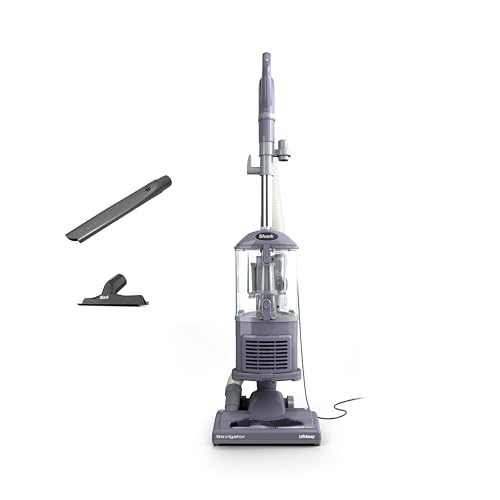

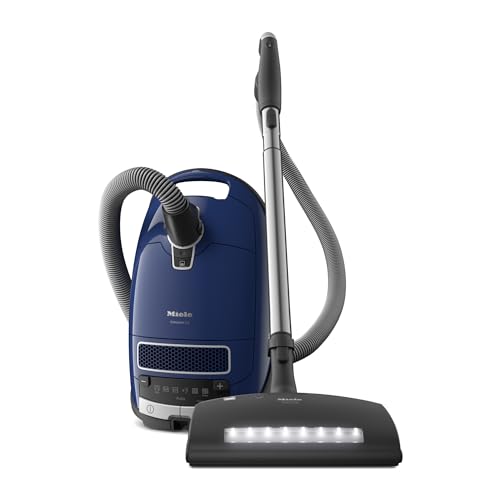

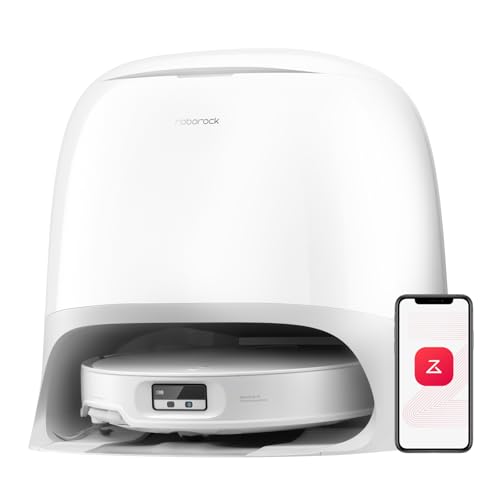
Where to Buy a Vacuum Cleaner: Amazon vs Big Box Stores vs Specialty Shops
Each kind of retailer has clear strengths. The right answer to where to buy a vacuum cleaner depends on whether you care most about selection and price, seeing the vacuum in person or getting service after the sale.
Buying a Vacuum Cleaner on Amazon
Amazon carries nearly every type and brand, including Shark, Dyson, Bissell, Hoover, Miele, Roborock, eufy and many more, often in several versions of the same model. Verified owner reviews and question sections help you spot common issues, such as weak edge cleaning or a short battery life, before you buy. Prices change often and seasonal sales can bring real savings. Before you check out, confirm who sells and ships the item, the return window and how warranty service works for that brand.
Home Improvement and Big Box Stores
Big box and home improvement stores let you feel the weight, test the handle height and see how easily a vacuum turns. Returns are straightforward at the counter, and you can take it home the same day. Selection is narrower, though, and stores tend to carry the most popular models rather than the full range.
Brand Websites and Specialty Retailers
Brand websites sometimes offer exclusive bundles, refurbished units and direct warranty registration. Independent vacuum shops are worth a visit for premium canisters and commercial machines, since staff can demonstrate models, service them and stock bags, belts and filters.
When to Buy for the Best Deals
Vacuum prices tend to dip during major holiday sales, spring cleaning promotions and back to school events. New model launches also push older versions down in price, which can be a great time to buy a proven model.
What Is a Vacuum Cleaner and Do You Need One?
A vacuum cleaner uses a motor and fan to create suction that pulls dirt, dust, pet hair and allergens off floors and furniture into a bag or bin, while filters trap fine particles. Nearly every home benefits from one. Carpets in particular hold dust and allergens that brooms cannot reach, and even hard floor homes collect fine grit that scratches finishes over time. The real question is not whether you need one, but which type suits your home and how many you need, since many households pair a full size vacuum with a cordless stick or robot for quick daily cleanups.
Main Types of Vacuum Cleaners
Upright vacuums are powerful, simple to use and ideal for homes with lots of carpet. Canister vacuums separate the motor from a lightweight wand, which makes stairs, hard floors and furniture easier. Cordless stick vacuums are light and convenient for quick cleanups and smaller homes. Robot vacuums clean on a schedule with no effort, and many now mop and empty themselves.
Handheld vacuums handle cars, crumbs and upholstery. Backpack vacuums suit large homes and commercial spaces, and wet dry shop vacuums handle garages, workshops and spills.
A quick way to narrow the field is to start from your home rather than the product. This table matches common situations to the type that usually fits best.
| Your home | Best fit | Why |
|---|---|---|
| Apartment or small home, mostly hard floors | Cordless stick or robot | Light, easy to store, quick daily pickups |
| Family home with wall to wall carpet | Upright with a motorized brush roll | Deep carpet cleaning and a large bin or bag |
| Mixed floors, stairs and furniture | Canister or upright with a lift away pod | Easy above floor cleaning and stair work |
| Pets and allergies | Sealed HEPA vacuum with a tangle resistant brush | Traps dander and keeps hair off the roller |
| Busy household that hates vacuuming | Self emptying robot plus a stick for spot jobs | Daily cleaning with almost no effort |
Many households end up with two machines: a full size vacuum for weekly deep cleaning and a cordless stick, handheld or robot for crumbs and pet hair between sessions. Budgeting for both can be smarter than stretching for one premium model that still feels too heavy for quick jobs.
Key Features to Consider
Understanding how to choose a vacuum cleaner comes down to a handful of features. Here is what to look for in a vacuum cleaner before you buy.
Suction Power and Airflow
Manufacturers measure suction in different ways, including watts, air watts and pascals, so compare similar types rather than chasing the biggest number. Strong, steady airflow matters more than peak figures, especially as the bin fills.
Floor Types and Brush Roll Options
Carpet needs a motorized brush roll to lift embedded dirt, ideally with height adjustment for different pile depths. Hard floors need a soft roller or the ability to turn the brush off, so debris is not scattered. Homes with pets benefit from tangle resistant brush rolls.
Bagged vs Bagless
Bagless models save on bags and let you see the dirt, but emptying can release dust. Bagged models trap dust better, which helps allergy sufferers. If you are weighing how to choose a bagged vacuum, look at bag capacity and the cost of replacement bags. When you consider how to choose a bagless vacuum, check bin size and how easy it is to empty without a dust cloud.
Filtration and Sealed System (HEPA)
A true HEPA filter in a sealed system keeps fine dust and allergens from leaking back into the air. If anyone in your home has allergies or asthma, knowing how to choose a hepa filter vacuum matters: look for the word sealed alongside HEPA, and check the price of replacement filters.
Weight and Maneuverability
Lighter vacuums are easier on stairs and for older users, while heavier machines often have bigger motors and bins. Swivel steering, low profile heads and good wheels make a big difference in daily use. If weight is your main concern, learning how to choose a lightweight vacuum starts with checking the weight with the battery or bag installed.
Cord Length or Battery Runtime
Corded vacuums run as long as you need, and a long cord means fewer outlet changes. Cordless models usually run 20 to 60 minutes on standard power, much less on max. Swappable batteries extend runtime for bigger homes.
Attachments and Above Floor Cleaning
Crevice tools, dusting brushes, upholstery tools and pet hair tools expand what a vacuum can do. Detachable pods or lift away canisters make stairs and furniture much easier. Before deciding how to choose a canister vacuum or another type, count the tools you will actually use.
How Much Should You Spend?
Basic corded sticks and simple uprights cost around $40 to $150 and suit small homes or occasional cleaning. Mid range uprights, quality cordless sticks and capable robot vacuums usually run around $150 to $450, which is the sweet spot for most households. Premium cordless models, high end canisters and self emptying robot vacuums with mopping often cost around $500 to $1,100 or more. For a full breakdown, see our guide on how much does a vacuum cleaner cost.
Remember to count running costs. Bags, filters, replacement brush rolls and, for cordless models, a new battery after a few years all add to the true price. A slightly more expensive vacuum with cheap, easy to find parts can cost less over its life than a bargain model with hard to source filters.
Common Buying Mistakes to Avoid
Many buyers choose on peak suction claims alone, then find the vacuum is too heavy or awkward to use often. Others ignore floor type and buy a carpet machine for a hard floor home, or forget the ongoing cost of bags, filters and replacement batteries. Skipping HEPA in an allergy household, buying a cordless model with too little runtime for a large home and overlooking return policies are also common regrets.
Frequently Asked Questions
What to look for in a vacuum cleaner?
Look for strong, consistent suction, a brush roll suited to your floors, good filtration, comfortable weight and the right power source for your home size. Pet owners should prioritize tangle resistant brushes and pet tools, and our list of the best vacuum cleaner for pet hair covers top options.
What is the best brand of vacuum cleaner?
Dyson, Shark, Miele, Bissell and Hoover are among the most popular brands, each with strengths in different categories. Learning how to choose the best vacuum cleaner means matching the model, not just the brand, to your floors. Hard floor homes can compare options in our guide to the best vacuum cleaner for hardwood floors.
How long does a vacuum cleaner last?
Most vacuums last around 5 to 10 years, depending on type, build quality and care. Regularly emptying the bin, cleaning filters and clearing the brush roll extends their life. For more detail, read our guide on how long does a vacuum cleaner last.
Final Thoughts
When deciding where to buy a vacuum cleaner, Amazon offers the widest choice and reviews, big box stores let you test the feel, and specialty shops add service. Choose the type and features that fit your home first, then compare our picks for the best vacuum cleaner to find the right model.


