Top 3 Electric Robot Lawn Mowers in 2026: Honest Reviews and Buying Advice
Disclosure: We may earn a commission when you buy through links on this page, at no extra cost to you. As an Amazon Associate I earn from qualifying purchases. Learn more

Our best electric robot lawn mower picks: Mammotion LUBA 2 AWD 5000HX, ECOVACS GOAT A2000 LiDAR PRO and Segway Navimow i215.
Weekend mowing eats hours every summer, and gas mowers add noise, fumes, oil changes and a can of fuel in the garage. A robot mower takes the whole job off your list, quietly trimming the lawn a little at a time on a schedule you set from your phone. The best electric robot lawn mower maps your yard without a buried boundary wire, handles your slopes, avoids toys and pets and keeps cutting until the grass looks freshly mowed every day. To choose our picks we compared listed specs, verified owner feedback on Amazon, expert opinions and the value each mower offers for its price.
Our top three are the Mammotion LUBA 2 AWD 5000HX for big, hilly yards, the ECOVACS GOAT A2000 LiDAR PRO with its built in edge trimmer, and the Segway Navimow i215 for smaller lawns.
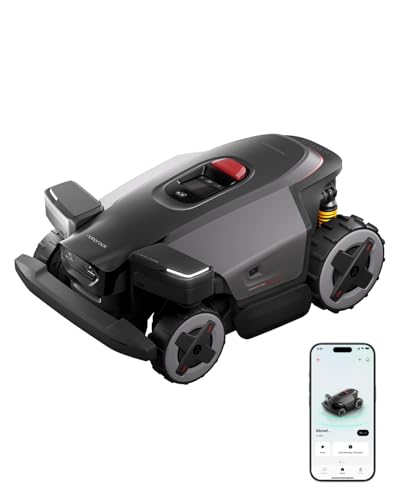
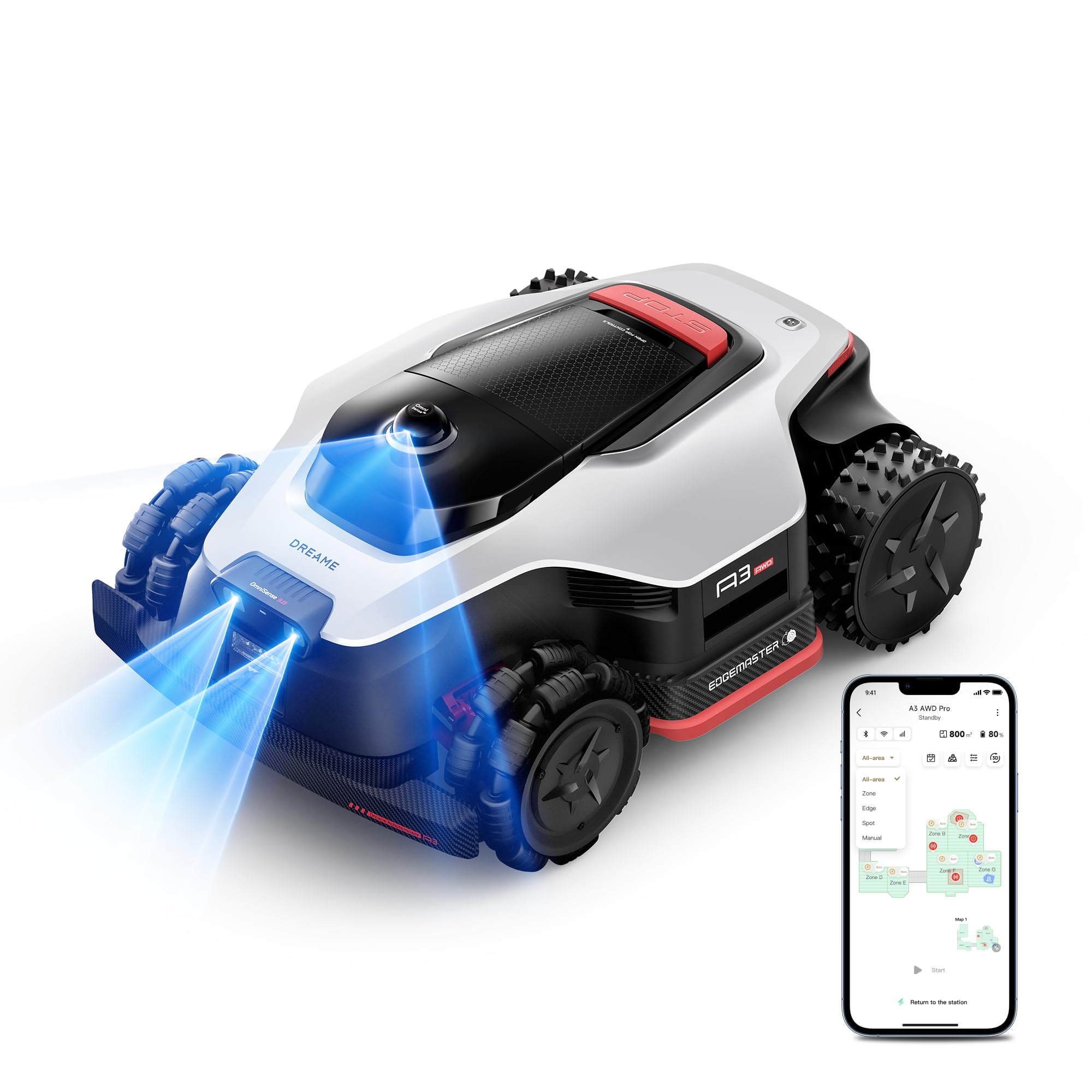

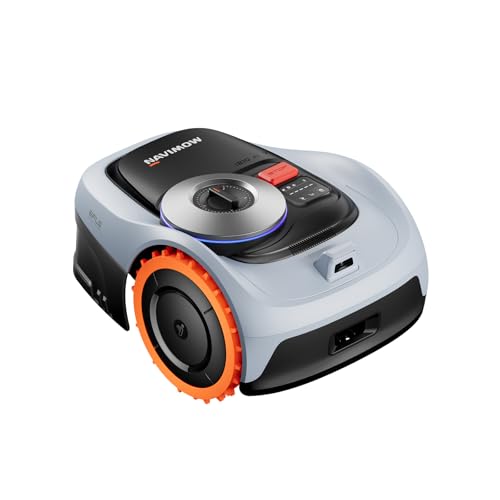
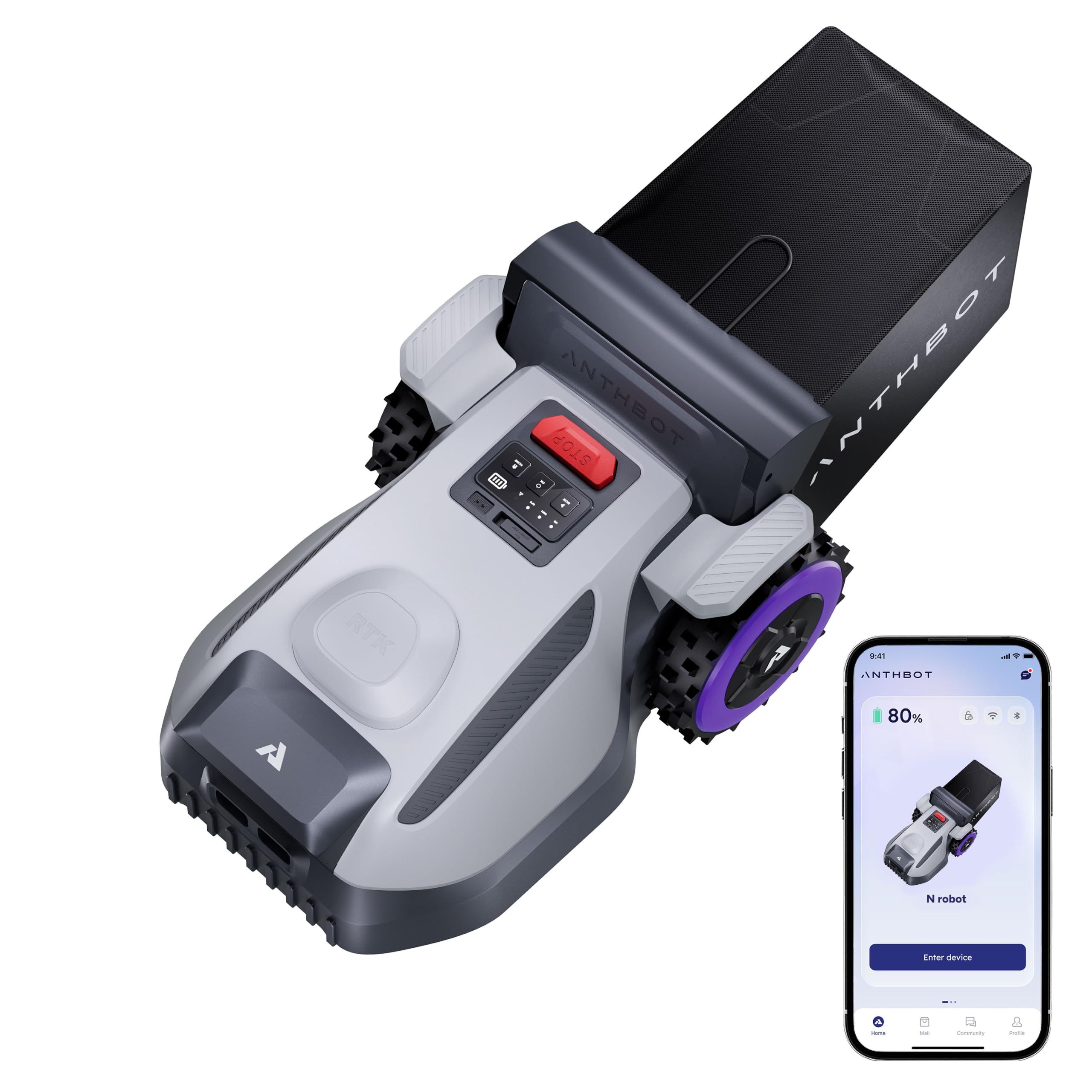

Our Top 3 Picks at a Glance
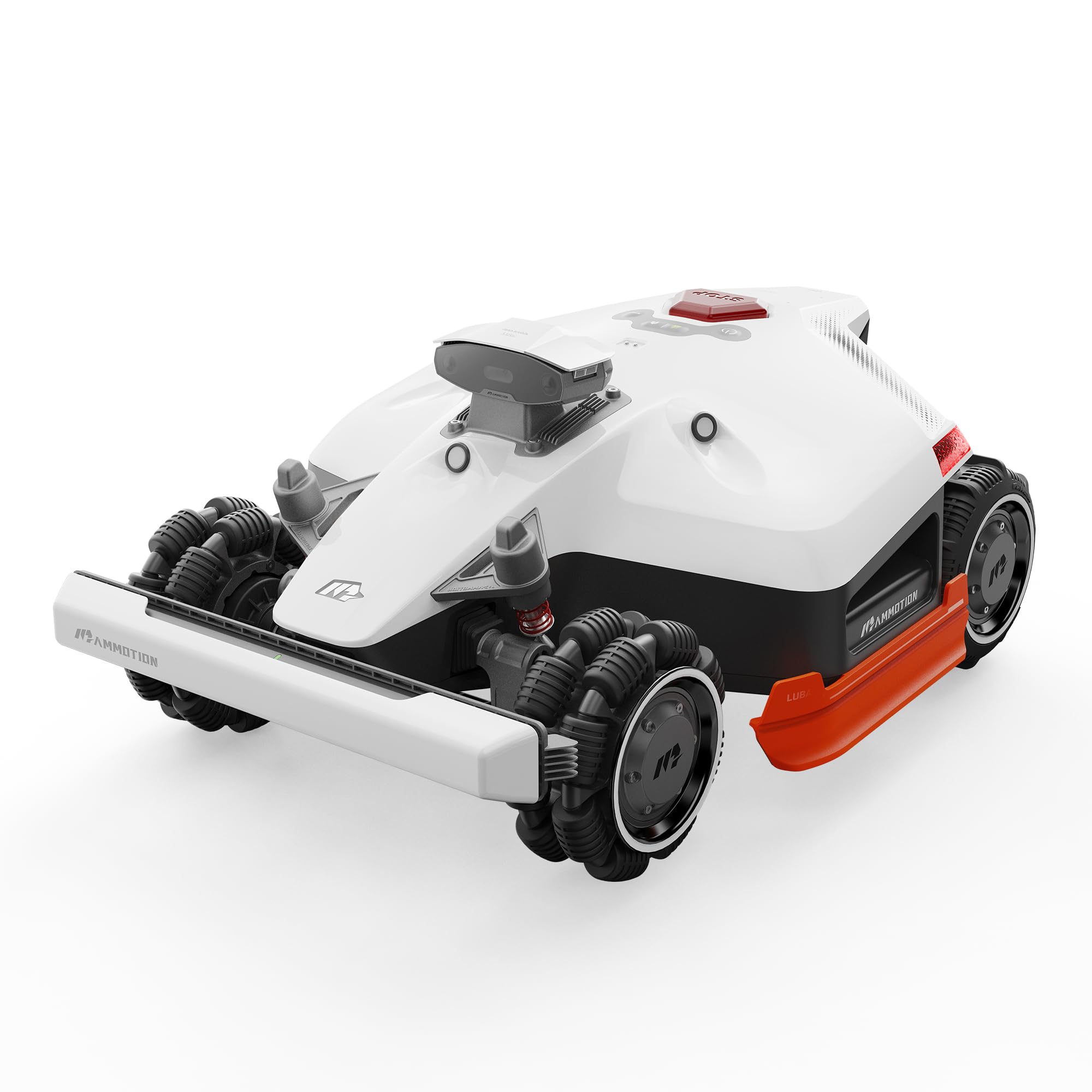
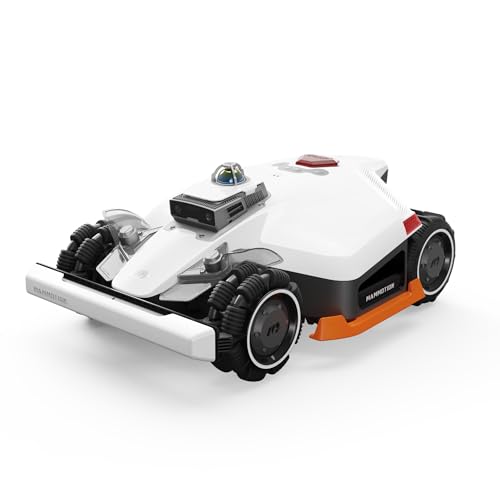
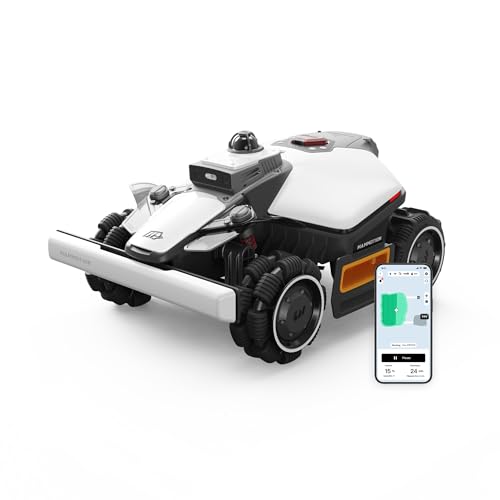
- Best Overall: Mammotion LUBA 2 AWD 5000HX (around $2,300). Covers up to 1.25 acres (1.48 maximum), all wheel drive for 80% slopes and RTK plus AI vision mapping with no wire.
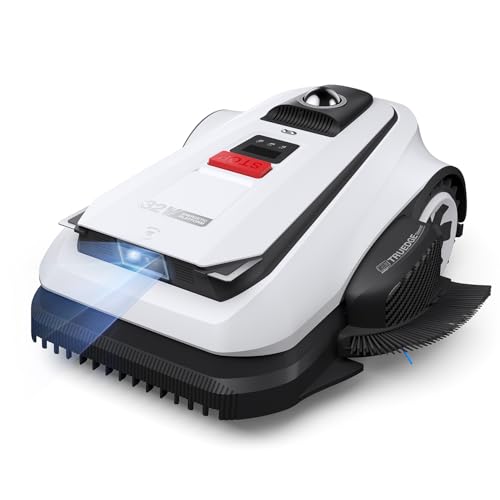
- Runner Up: ECOVACS GOAT A2000 LiDAR PRO (around $2,000). Dual LiDAR navigation that needs no wire or RTK antenna, plus a TruEdge trimmer for clean borders.
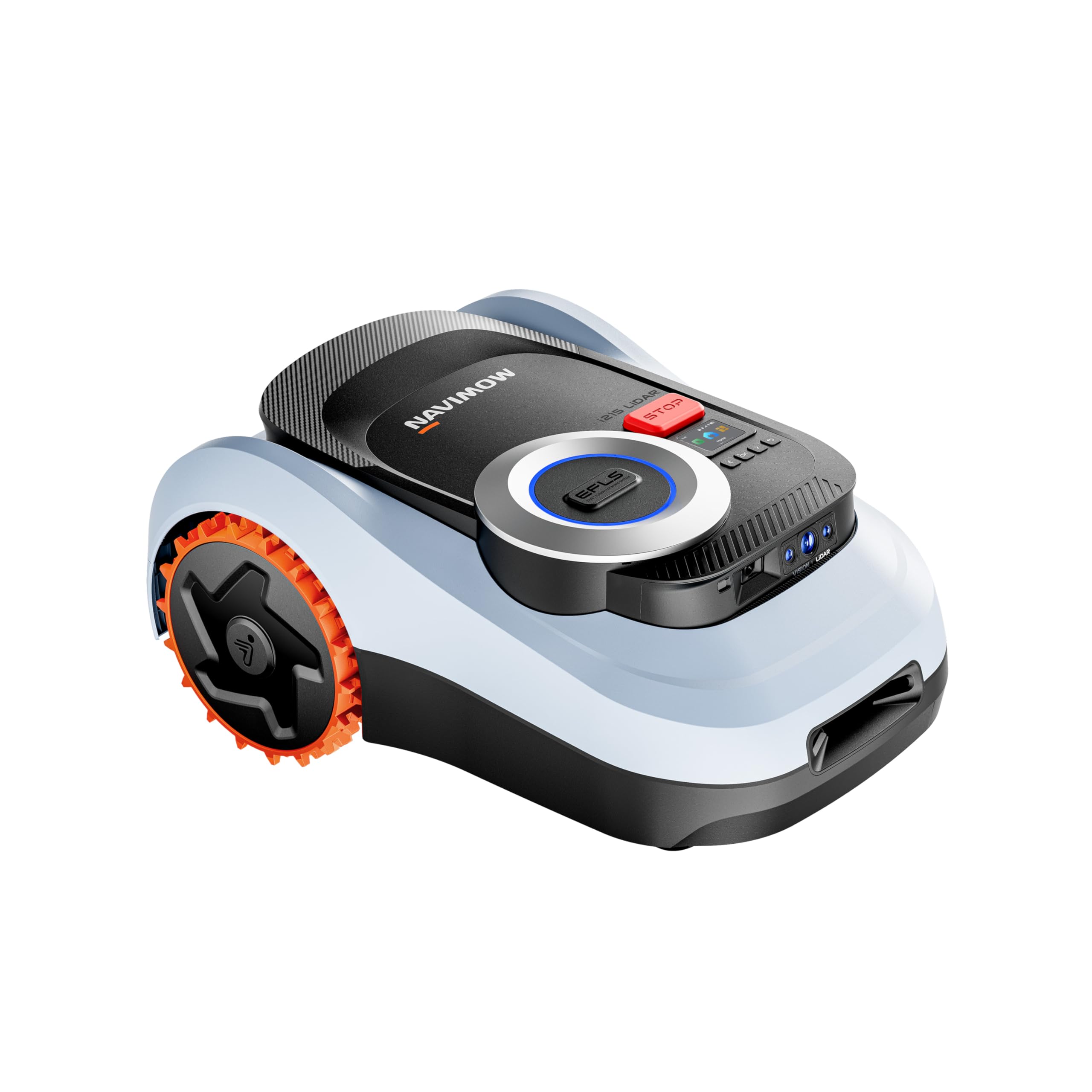
- Best Value: Segway Navimow i215 LiDAR (around $1,350). LiDAR and vision fusion, automatic mapping and off road wheels for 45% slopes on lawns up to 0.37 acre.
How We Chose the Best Electric Robot Lawn Mower
We focused on wire free models, since burying a perimeter wire is the biggest hassle of older robot mowers. Each pick was judged on navigation type, rated lawn area, slope ability, cutting height range, obstacle detection and app features. We also weighed owner ratings and review volume, price against coverage, brand support and warranty where stated, and current availability on amazon.com.
Electric Robot Lawn Mower Reviews
1. Mammotion LUBA 2 AWD 5000HX: Best Overall
- Rated for 1.25 acres, up to 1.48 acres maximum
- All wheel drive for slopes up to 80%
- UltraSense AI vision with RTK and automatic edge mapping
- No perimeter wire needed
- Cutting height from 2.2 to 4.0 inches
- 4G connectivity for remote control
Why We Picked It
Large yards and steep slopes are where most robot mowers give up, and that is exactly where the LUBA 2 AWD 5000HX shines. All wheel drive lets it climb grades that would leave two wheel models spinning, and its rated coverage of over an acre suits big suburban and rural lots. RTK positioning plus AI vision maps the yard and its edges automatically, so setup takes far less effort than laying wire.
4G connectivity keeps it reachable even where your home Wi-Fi does not stretch, which matters on large properties. With a big base of owner reviews for a premium robot mower, it is one of the most proven options in its class. It is a large, heavy machine, so it suits open lawns more than tiny, tight gardens.
Pros
- Covers well over an acre
- Handles steep, rough terrain with AWD
- Wire free RTK and vision mapping
- Strong owner feedback for its class
Cons
- Large and heavy
- Expensive
Who Should Buy It
Choose the LUBA 2 AWD 5000HX if you have a large or hilly yard of up to about an acre and a quarter and want the most capable all rounder. At around $2,300, it costs less per acre than many smaller premium robots.

2. ECOVACS GOAT A2000 LiDAR PRO: Runner Up
- HoloScope 360° dual LiDAR with about 2 cm positioning
- No perimeter wire and no RTK antenna required
- Built in TruEdge trimmer for edges along driveways and beds
- 32V motor with a dual blade disc for thick grass
- 3.0Ah battery that recharges in about 50 minutes
- App zones, no go areas, schedules and height control
Why We Picked It
RTK mowers depend on a clear view of the sky, so yards with big trees, tall fences or nearby houses can confuse them. The GOAT A2000 avoids that by navigating with dual LiDAR, which builds a precise map even in shaded areas. With no antenna to place and no wire to bury, setup is simple.
The standout feature is the built in edge trimmer. Most robots leave a strip of uncut grass along walls and beds, which you then clean up with a string trimmer. The TruEdge trimmer handles much of that border work. A 32V motor and dual blades are designed for thick American grasses such as Bermuda, Zoysia and St. Augustine, and fast charging keeps downtime short.
Pros
- LiDAR works well under trees and near buildings
- Built in edge trimmer reduces manual trimming
- No wire or antenna
- Fast recharge
Cons
- Trimmer line is a consumable
- Pricier than our value pick
Who Should Buy It
Choose the GOAT A2000 if your yard has trees, shade or lots of edges and you want to cut down on trimming. At around $2,000, it is a strong runner up for medium to large lawns.

3. Segway Navimow i215 LiDAR: Best Value
- Rated for lawns up to 0.37 acre
- LiDAR and vision dual fusion navigation
- Wire free with automatic mapping
- Off road wheels for slopes up to 45%
- Quiet operation
Why We Picked It
Most suburban lawns are well under half an acre, and paying for acre class coverage makes little sense for them. The Navimow i215 is sized for these yards and costs far less than our top two picks. Combining LiDAR with camera vision helps it map automatically and recognize obstacles, and wire free setup means you can be mowing on the same day.
Off road wheels handle moderate slopes of up to 45%, which covers most typical front and back yards. It runs quietly, so you can schedule it during the day without bothering neighbors. Owner reviews are still limited for this newer model, but early feedback is positive.
Pros
- Easy wire free setup
- Precise LiDAR and vision navigation
- Quiet
- Lower price
Cons
- Fewer owner reviews so far
- Not for very large or very steep lawns
Who Should Buy It
Pick the Navimow i215 for a typical suburban lawn up to about a third of an acre. At around $1,350, it is the best value way to go wire free.

Electric Robot Mowers vs Gas Mowers
Power and runtime
Robot mowers use small batteries and cut a little grass often, returning to the dock to recharge. They do not need the power of a gas engine because they never face a week of growth at once. Runtime per charge matters less than how much area the robot can cover in a day, including charging breaks. Fast charging models such as the DREAME A3 AWD 2000, which advertises a 45 minute fast charge, get back to work sooner during peak growing season.
Noise and maintenance
Electric robots run quietly, with no fumes, oil, spark plugs or fuel. Maintenance is mostly cleaning, swapping small blades and winter storage. Because the robot cuts only a little grass each time, the clippings are tiny and settle back into the lawn as natural fertilizer, so there is no bagging or raking afterward.
Who should go electric
Anyone who wants a neat lawn without weekly mowing, homeowners with limited time, and people who want to cut noise and emissions. For a broader look, see our main best robot lawn mower guide.
How to Choose the Best Electric Robot Lawn Mower
Wire Free (RTK/Vision) vs Boundary Wire
Boundary wire models are cheaper but require burying wire around the lawn. RTK models use satellite positioning with a base antenna, while LiDAR and vision models build maps from sensors. LiDAR is handy under trees where satellite signals weaken. Our guide on how to choose a robot lawn mower covers each system in depth.
Maximum Lawn Area
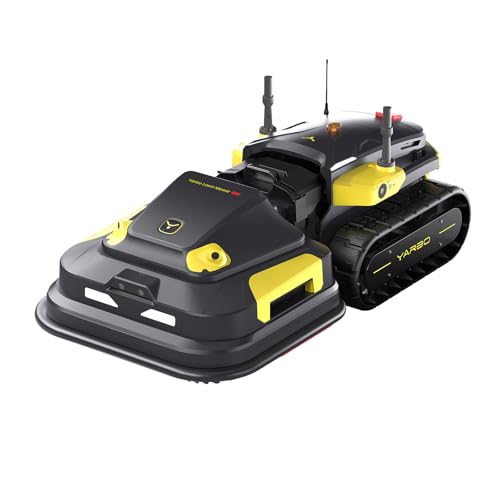
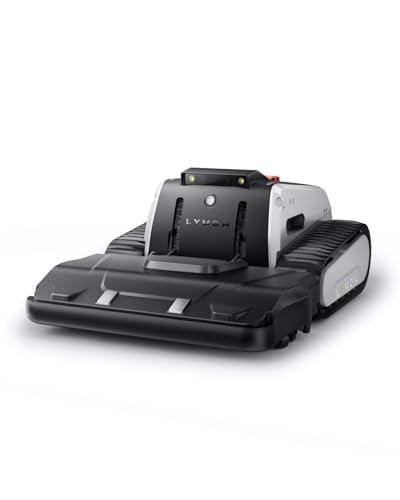
Choose a rated area somewhat larger than your lawn so the robot can keep up during peak growth. Small yards should compare our best robot lawn mower for small yards. At the other end of the scale, very large properties need acre class machines such as the Lymow One Plus, which lists 1.73 acres of daily coverage, or the YARBO Y40 platform, which is rated for up to 6 acres.
Slope Handling
Check the slope rating in percent. Two wheel drive models handle moderate slopes, while all wheel drive models such as the LUBA 2 go much steeper. Hilly properties should see our best robot lawn mower for steep hills list.
Cutting Height and Width
A range of about 2 to 4 inches suits most lawns. Wider cutting discs cover large areas faster, while edge trimmers or edge modes reduce manual trimming.
Obstacle Detection and Safety
Cameras, LiDAR and bumpers help the robot avoid toys, hoses and pets. Lift and tilt sensors stop the blades instantly. Still, keep children and pets off the lawn during mowing. Pick up toys, hoses and fallen branches before scheduled runs, and use no go zones for flower beds, ponds and vegetable gardens. Camera based models also improve at spotting small objects as their software is updated.
App, Zones and Scheduling
Look for multi zone mapping, no go areas, schedules and remote control. Cellular connectivity helps on large properties where Wi-Fi is weak.
FAQs About Electric Robot Lawn Mowers
How long does a robot lawn mower last?
A well maintained robot lawn mower usually lasts several years. Blades are replaced often and cheaply, while the battery gradually loses capacity and can usually be replaced. Cleaning the underside, storing the robot indoors over winter and keeping software updated help it last.
Is a robot lawn mower worth the money?
For many homeowners, yes. It saves hours each season, keeps grass consistently trimmed and runs quietly. The upfront cost is higher than a push mower, but the time saved adds up. Read is a robot lawn mower worth it for a full breakdown.
How much should I spend on a robot lawn mower?
Wire free robots for small lawns start around $800 to $1,000, mid sized models run about $1,300 to $2,000, and large yard or steep slope models cost around $2,000 to $3,000 or more. Match the price to your lawn size and terrain.
How do I maintain a robot lawn mower?
Clean grass from the underside and wheels regularly, replace blades when they dull, and check the charging contacts. Update the firmware through the app, and store the mower and dock indoors during winter.
Final Verdict
The Mammotion LUBA 2 AWD 5000HX is the best electric robot lawn mower for large or hilly yards, with AWD, wire free mapping and over an acre of coverage. The ECOVACS GOAT A2000 is the runner up for shaded yards with lots of edges, and the Segway Navimow i215 is the value pick for typical suburban lawns. Check today's price on Amazon before you buy.