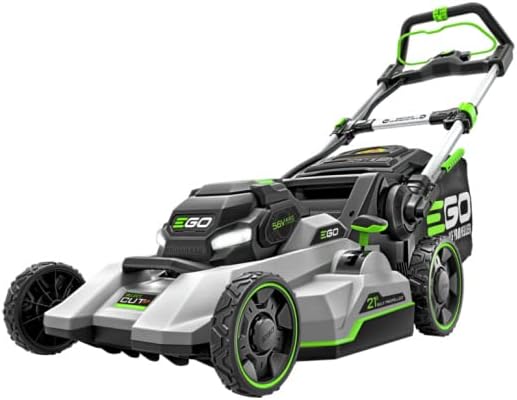
Is a Robot Lawn Mower Worth It? Honest Pros, Cons and Verdict (2026)
Disclosure: We may earn a commission when you buy through links on this page, at no extra cost to you. As an Amazon Associate I earn from qualifying purchases. Learn more

Is a robot lawn mower worth it? Real prices, benefits, drawbacks, running costs and who should buy one or skip it.
Is a robot lawn mower worth it? For many homeowners with a small to medium lawn, yes: it keeps grass neatly trimmed several times a week without you lifting a finger, runs quietly and saves hours every season. It is less worth it for very large, steep or complicated yards, tight budgets, or people who enjoy mowing and only cut every couple of weeks.
Below we look at what you actually get for the money, the real benefits and drawbacks, who should buy one, what it costs to own over time and which alternatives make more sense for some yards.


What You Get for the Money
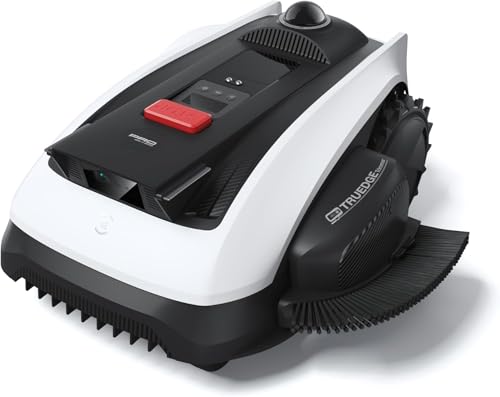
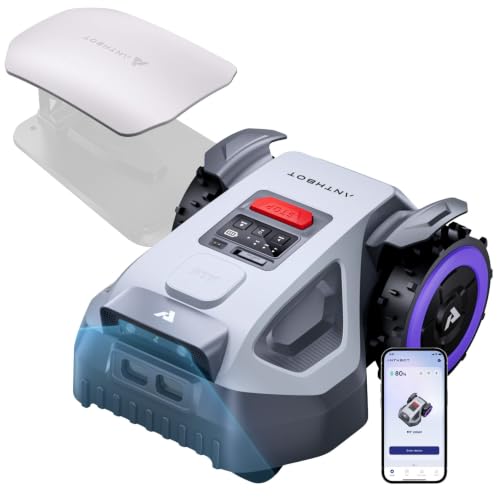
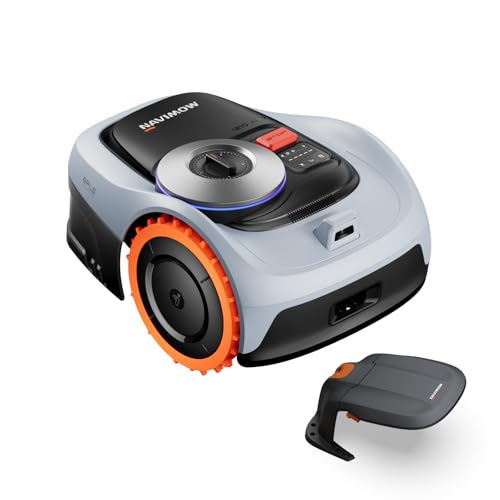
Robot mowers cover a wide price range. Entry level wire free models for small lawns of around 1/8 to 1/4 acre cost around $600 to $900. Mid range robots with better navigation, larger coverage and app control sit around $1,000 to $1,600. Premium all wheel drive models built for big or sloped lawns run around $1,800 to $2,800, and a few multi season yard robots cost even more.
The extra money mostly buys three things. First, navigation: older and cheaper robots use a boundary wire buried around the lawn, while newer models use RTK GPS, cameras, LiDAR or a mix of them to map the yard without a wire. Second, coverage, from small city lawns up to an acre or more. Third, terrain ability, since all wheel drive models handle much steeper slopes than two wheel robots.
Most robots include a charging station, app scheduling, rain sensing on some models, obstacle detection and anti theft features like PIN codes and alarms. Keep in mind that the advertised coverage is usually a maximum, so buying a model rated a bit above your lawn size gives it time to keep up during fast spring growth. If you want the full price breakdown, see how much does a robot lawn mower cost.
Benefits of Owning a Robot Lawn Mower
The main reason to buy is time. A robot mower takes over a chore that can eat an hour or more every week through the growing season. Once it is set up, it mows on a schedule, returns to its dock to charge and heads out again without reminders.
Frequent mowing also tends to improve the lawn. A robot trims a little grass often instead of a lot at once, and the tiny clippings fall back into the turf as a natural mulch. Many owners notice a thicker, more even lawn and no bags of clippings to haul away.
Other advantages add up:
- Quiet operation: battery robots are far quieter than gas mowers, so they can run early or late without bothering neighbors.
- No gas or oil: no fuel cans, no oil changes and no exhaust fumes.
- App control: set schedules, mowing zones and cutting height from your phone.
- Accessibility: a great help for anyone with mobility or back problems.
So why buy a robot lawn mower instead of a better push mower? Because it removes the job entirely rather than making it slightly easier. For many families, that is the real reason a robot lawn mower is worth it: weekends belong to them again.
Drawbacks to Consider
A robot mower is not a perfect fit for every yard. The upfront cost is high compared with a push mower, and setup takes time, whether that means laying a boundary wire or mapping the lawn in an app.
Robots also leave work behind. Most cannot cut right up to walls, fences and bed edges, so you still need a string trimmer for the borders. Very tall grass may need a first cut with a regular mower before the robot takes over.
Other limits to know:
- Steep slopes, narrow passages and complex layouts challenge many models.
- Toys, hoses, dog waste and fallen branches can stop the mower or get chewed up.
- Wire free models need a good GPS or camera signal, which tall trees and buildings can disrupt.
- Theft and weather exposure are real concerns for an expensive device left outside.
Who Should Buy One (and Who Should Skip It)
A robot mower makes the most sense for busy homeowners, families with fairly open lawns, people with limited mobility and anyone who wants a neat lawn without weekend chores. Lawns between about 1/8 and 3/4 acre with simple shapes are the sweet spot. Small, flat lawns are especially easy; see our picks for the best robot lawn mower for small yards.
Hilly yards need an all wheel drive model rated for the slope. Our best robot lawn mower for steep hills guide covers those. You should probably skip a robot if your lawn is tiny enough to mow in ten minutes, extremely steep, broken into many disconnected patches, or if you mow rarely and enjoy doing it yourself. For very large properties, a riding mower may still be more practical.
Weighing is a robotic lawn mower worth buying for your home starts with honest answers to those questions. If you are ready to compare features, read how to choose a robot lawn mower.
Cost of Ownership Over Time
Running costs are modest. Electricity for charging is low, and there is no gas, oil, spark plug or air filter to buy. The main wear parts are the small cutting blades, which need replacing a few times a season depending on lawn size and debris, and the battery, which slowly loses capacity over several years.
Plan for occasional extras such as replacement blades, a garage or cover to protect the mower, wire repair kits for wired models and possibly a subscription or data plan for some cellular connected robots. Winter storage indoors and regular cleaning of the underside help the mower last. Compared with paying a lawn service every week, many owners recover the purchase price over a few seasons.
Alternatives Worth Considering
If a robot mower does not fit your yard or budget, consider these options:
- Cordless push mower: quiet, no gas, and far cheaper for small lawns.
- Self propelled mower: less effort on medium lawns and gentle slopes.
- Riding mower or lawn tractor: better for large, open properties.
- Lawn service: no equipment or storage at all, at a recurring cost.
Our Verdict: Is a Robot Lawn Mower Worth It?
For most busy homeowners with a small to medium, fairly simple lawn, a robot mower is worth it. It saves real time, keeps grass consistently tidy and costs little to run. If your yard is huge, very steep or full of obstacles, or if budget is tight, a good cordless or self propelled mower is the better buy for now.
A simple test helps. Add up the hours you spend mowing each season and what that time is worth to you, then compare it with the price of a robot sized for your lawn. If the answer to whether a robot lawn mower is worth it still feels unclear, a mid range wire free model for a modest lawn is the lowest risk way to find out, and it keeps most of its value if you later upgrade.
Frequently Asked Questions
Do robot lawn mowers need a boundary wire?
Not anymore. Many newer robots are wire free and use RTK GPS, cameras, LiDAR or a combination to map the lawn and stay inside virtual boundaries. Wired models still exist and are often cheaper, but laying and repairing the wire takes extra effort.
Can a robot lawn mower handle slopes?
It depends on the model. Basic two wheel robots handle gentle slopes, while all wheel drive models are built for much steeper ground. Check the maker's slope rating against your steepest area before buying, and leave a safety margin.
How long does a robot lawn mower last?
A well maintained robot mower can last many seasons. The battery is usually the first major part to wear and can often be replaced. Cleaning the deck, changing blades regularly and storing the mower indoors over winter all help extend its life.
Is a robot mower safe around kids and pets?
Robots use lift and tilt sensors that stop the blades, and many add obstacle detection. Even so, it is wise to schedule mowing when children and pets are not in the yard and to clear toys before each session.
What is the best robot lawn mower to buy?
The best choice depends on lawn size, slopes and whether you want wire free navigation. Brands like Mammotion, Segway Navimow, ECOVACS and ANTHBOT cover a range of yard sizes and budgets. Our full ranking of robot mowers, linked below, gives detailed picks.
Final Thoughts
So, is a robot lawn mower worth it? For small to medium lawns and busy schedules, usually yes. Match the mower to your lawn size and slopes, budget for blades and a trimmer for edges, and you will likely wonder why you waited. When you are ready to shop, start with our best robot lawn mower picks.