
How Much Does a Robot Lawn Mower Cost in 2026? Real Price Ranges Explained
Disclosure: We may earn a commission when you buy through links on this page, at no extra cost to you. As an Amazon Associate I earn from qualifying purchases. Learn more

How much does a robot lawn mower cost? Price tiers from small lawn models to AWD wire free robots, plus upkeep costs.
So, how much does a robot lawn mower cost? Most homeowners pay between about $400 and $3,000. Small lawn models with basic navigation start around $400 to $900, popular wire free mowers with RTK or LiDAR navigation sit near $1,000 to $2,000, and premium all wheel drive models for large or steep yards run from about $2,000 to over $3,000.
The right budget depends on your lawn size, slopes and whether you want to bury a boundary wire. This guide breaks down the price tiers, the features that push costs up, the ongoing expenses many buyers forget and practical ways to save, so you can set a realistic budget before you shop.
How Much Does a Robot Lawn Mower Cost? Average Prices in 2026
Prices have spread out as wire free navigation has become common. The table below shows typical ranges by tier, with examples of current models on Amazon.
| Tier | Typical price | Lawn size | Common features | Examples |
|---|---|---|---|---|
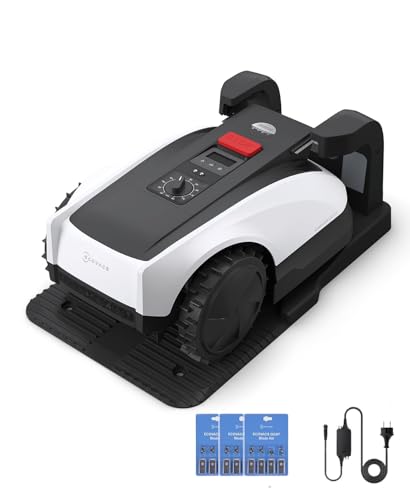
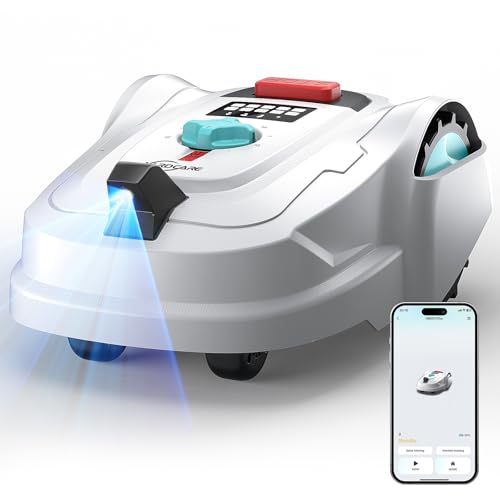
| Entry level | around $400 to $900 (typical around $800) | up to about 1/4 acre | GPS or vision guidance, basic app control, gentle slopes | YARDCARE M800Plus, ECOVACS Goat O1000 RTK, Segway Navimow i206 AWD |
| Mid range | around $1,000 to $2,000 (typical around $1,300) | about 1/4 to 3/4 acre | RTK or LiDAR navigation, AI obstacle detection, multi zone mapping | Mammotion LUBA mini 2 AWD 1500H, ECOVACS Goat A2000 LiDAR PRO |
| Premium | around $2,000 to $3,300 (typical around $2,800) | 3/4 acre and up | All wheel drive, steep slope handling, 4G connectivity, large coverage | Mammotion LUBA 2 AWD 5000HX, Mammotion LUBA 3 AWD 5000 |
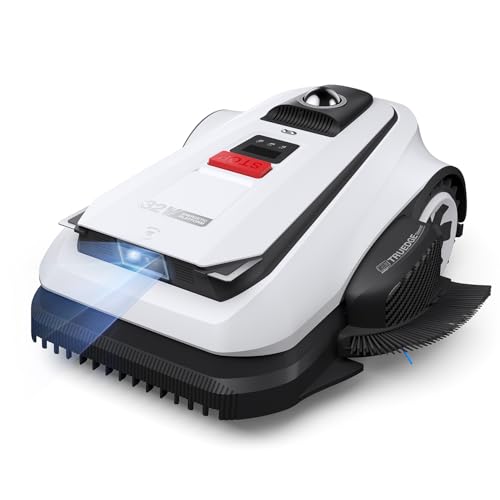
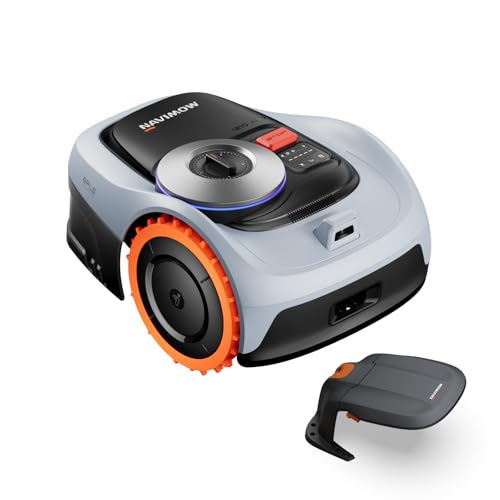
Entry level robots are a good fit for small, simple lawns. The YARDCARE M800Plus, at around $600, combines GPS and visual navigation and is designed for about one fifth of an acre. The ECOVACS Goat O1000 RTK Care, at around $680, uses RTK navigation for up to 1/4 acre, and the Segway Navimow i206 AWD, at around $850, adds all wheel drive for slopes up to 45%.
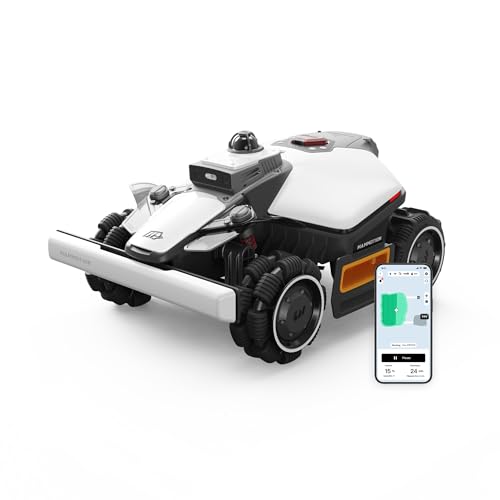
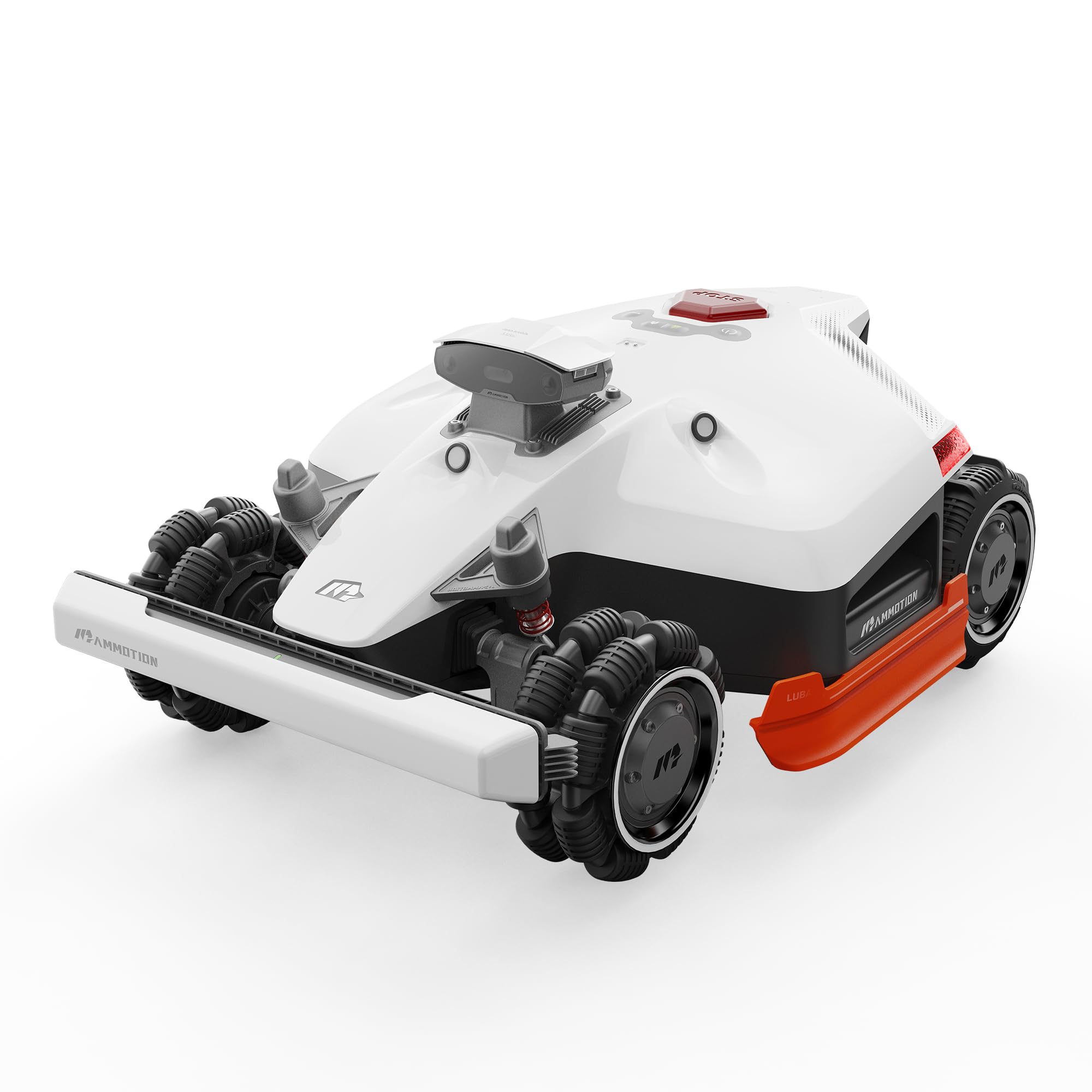
Mid range models add more accurate navigation and smarter obstacle handling. The Mammotion LUBA mini 2 AWD 1500H, at around $1,800, pairs 360° LiDAR with dual camera AI vision, handles slopes up to 80% and manages up to 20 zones on lawns up to 0.37 acres. The ECOVACS Goat A2000 LiDAR PRO, at around $2,000, uses dual LiDAR navigation.
Premium robots are built for big, complex properties. The Mammotion LUBA 2 AWD 5000HX, at around $2,300, covers up to 1.25 acres with 4G connectivity, RTK and AI vision, and tackles 80% slopes. At the top end, the Mammotion LUBA 3 AWD 5000 sits around $3,300.
Keep in mind that the typical figures in the table are a guide, not a rule. Prices shift often with sales and new model launches, and the same robot can move between tiers during the year. Use the ranges to set a budget, then compare the specific models that fit your lawn size and slopes.
What Affects the Price
Two robots that look similar can differ by $1,000 or more. These are the features that drive most of the difference.
Wire Free (RTK/Vision) vs Boundary Wire
Traditional robot mowers follow a boundary wire buried or pegged around the lawn edge. The robot itself can be cheaper, but installing the wire takes time or a professional fee. Wire free robots use RTK satellite positioning, LiDAR or cameras to map the lawn in an app, which costs more up front but saves installation and makes changing zones easy. RTK models may also need a reference station or a network subscription, so check what is included.
Maximum Lawn Area
Coverage is one of the clearest price drivers. A robot designed for one fifth of an acre needs a smaller battery and motor than one designed for over an acre. Buy for your actual lawn, plus a little margin, since a robot working at its limit runs longer and wears faster. Lawn shape matters too. A long, narrow yard or one split into front and back zones takes more time to mow than a simple rectangle of the same size, so many owners choose a model with extra coverage and multi zone mapping. For compact lawns, see our picks for the best robot lawn mower for small yards.
Slope Handling
Basic robots manage gentle slopes, while all wheel drive models climb much steeper ground. Mammotion's AWD models, for example, are built for 80% slopes. That capability adds cost, but it is essential on hilly lots. All wheel drive also helps on wet grass and bumpy ground, where two wheel drive robots tend to slip, so even moderate slopes can justify the upgrade. Our guide to the best robot lawn mower for steep hills covers the strongest climbers.
Cutting Height and Width
Wider cutting discs finish faster, and a broader height range, such as 2.2 to 4.0 inches on several Mammotion models, suits more grass types. Electric height adjustment through the app is convenient but tends to appear on pricier robots. Features like edge trimming, multi zone management and AI obstacle avoidance also add to the price.
Brand support is a quieter factor. Established makers tend to offer app updates, spare parts and service networks, which can be worth paying for over the life of the robot. Before you buy, check how easy it is to find blades, batteries and help for the model you choose.
Hidden and Ongoing Costs
The sticker price is only part of the cost. Plan for these extras as well.
- Installation: wired models need boundary wire and pegs, plus professional installation if you do not do it yourself.
- Replacement blades: small pivoting blades need regular replacement during the season.
- Battery replacement: the battery wears over the years and eventually needs replacing.
- Connectivity: some RTK or 4G models use network services or subscriptions, depending on the brand and plan.
- Accessories: a garage or cover protects the robot from sun and rain, and some owners add extra charging or reference stations.
- Electricity: charging costs are low, but they are part of the total.
Even with these costs, a robot mower usually avoids gas, oil and tune ups, and it saves hours of your time across a season.
A simple way to budget is to set aside a little extra in the first year for items such as a garage, spare blades and installation supplies. After that, yearly costs are mostly blades and electricity, with a battery replacement further down the road. Compared with paying a lawn service every week, many owners find the robot pays for itself within a few seasons.
Is a Cheap Robot Lawn Mower Good Enough?
For a small, flat and simple lawn, a budget robot can work well. Entry models in the $400 to $900 range handle lawns up to about 1/4 acre with basic app control. The trade offs are less accurate navigation, weaker slope handling, simpler obstacle detection and smaller coverage.
If your yard has several zones, narrow passages, trees or hills, a cheap robot can get stuck often or leave patches uncut. In that case, spending more on RTK or LiDAR navigation and all wheel drive usually pays off. Think about how often you will need to rescue the robot or fix missed spots, because that time has a cost too. Our guide on how to choose a robot lawn mower walks through the decision step by step.
How to Save Money on a Robot Lawn Mower
Timing helps most. Prices often dip at the end of the mowing season and during major sales events, and brands launch promotions in early spring. Amazon deals and lightning deals are worth watching, especially on the previous year's models when new ones arrive.
Bundles that include a garage, extra blades or a second battery can be better value than buying each item later. Certified refurbished units from the maker can also save money, as long as they come with a warranty. Finally, avoid overbuying coverage, since a model designed for your lawn costs much less than one built for acres.
It also pays to think about installation. If you are comfortable laying a boundary wire yourself, a wired model can be the cheapest route. If not, a wire free robot avoids installer fees and is easier to move to a new home later. Comparing the total cost, not just the sticker price, is the best way to save.
Frequently Asked Questions
Do robot lawn mowers need a boundary wire?
Not anymore. Many current models are wire free and use RTK satellite positioning, LiDAR or camera vision to map your lawn in an app. Wired robots are still sold and can cost less, but they need the wire installed around the edge. When asking how much does a robotic lawn mower cost, include installation if you choose a wired model.
Is it cheaper to buy a robot lawn mower online?
Often, yes. Online stores such as Amazon carry a wide range of brands and run frequent deals, and you can compare prices and owner feedback quickly. Dealers may include installation and setup, which can be worth paying for with wired models or complex yards.
How long does a robot lawn mower last?
With good care, a robot lawn mower can last many seasons. The battery is usually the first part to need replacing, and blades are replaced regularly. Cleaning the underside, storing the robot properly in winter and keeping software updated help it last longer.
Final Thoughts
When you ask how much does a robot lawn mower cost, the honest answer is around $400 to $900 for small simple lawns, about $1,000 to $2,000 for most wire free models and $2,000 or more for large or steep properties. Add blades, batteries and accessories to your budget. If you are still deciding, read is a robot lawn mower worth it, then compare our picks for the best robot lawn mower.


