
How to Use a Lawn Mower: Step by Step Guide for 2026
Disclosure: We may earn a commission when you buy through links on this page, at no extra cost to you. As an Amazon Associate I earn from qualifying purchases. Learn more

Learn how to use a lawn mower safely: prep, cutting height, mowing pattern, mulching or bagging, cleanup and the mistakes to avoid.
To use a lawn mower, read the manual, wear sturdy shoes and eye protection, clear the lawn of sticks and toys, set the cutting height so you remove no more than one third of the grass blade, then start the mower on level ground and push it in straight, slightly overlapping rows. Finish by choosing to bag, mulch or side discharge the clippings, and clean and store the mower properly. That is how to use a lawn mower in short, whether it runs on gas or a battery.
The details make the difference between a lawn that looks striped and healthy and one that looks scalped and patchy. This guide covers safety and prep, a seven step routine for every mow, pro tips for better results and the common mistakes that damage grass and mowers alike. The steps apply to push mowers and self propelled models, and most of them also apply to riding mowers.


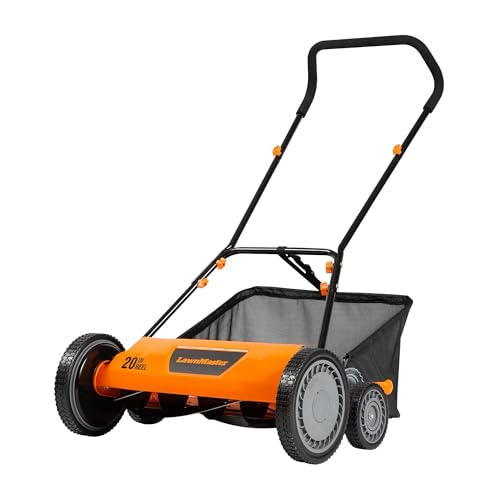
Before You Start: Safety and Prep
A lawn mower blade spins fast enough to throw stones like bullets and cause serious foot and hand injuries, so safety comes first. Wear closed toe shoes with good grip, long pants and safety glasses. Hearing protection is wise with gas mowers, which are loud enough to damage hearing over time. Keep children and pets indoors or well away until you finish.
Never mow wet grass if you can avoid it. Wet clippings clog the deck, the mower can slip on slopes and the cut is ragged. Mow slopes across the face with a push mower, never up and down, so you cannot slide under the deck if you lose footing. Riding mowers are the opposite: drive up and down slopes, not across.
Never reach under the deck or into the discharge chute while the engine or motor is running. On gas mowers, disconnect the spark plug wire before working on the blade. On battery mowers, remove the battery and the safety key. Fill gas tanks outdoors with the engine cool, and wipe up any spills before starting.
Finally, think about timing and the weather. Mow when you have enough daylight to finish, avoid storms and very hot afternoons, and drink water on warm days. If the lawn has not been cut for weeks, plan two sessions a few days apart rather than one aggressive cut, which protects both the grass and the mower.
How to Use a Lawn Mower Step by Step
Follow these seven steps every time you mow, and the job becomes quick, safe and consistent.
Step 1: Read the manual and check safety features
Every mower is a little different, so read the manual once, especially the sections on starting, height adjustment and safety controls. Before each mow, test the operator presence bar, the lever that stops the blade when you let go. Check that the discharge chute guard and rear flap are in place and that the bag, if used, is attached securely. Look for loose bolts, a cracked deck or a damaged blade.
Step 2: Charge the battery or add fresh fuel and oil
For battery mowers, make sure the battery is fully charged and seated firmly. For gas mowers, fill the tank with fresh gasoline, ideally used within about a month of purchase, and add fuel stabilizer if it will sit longer. Check the oil level on four stroke engines with the dipstick and top it up with the type the manual recommends. Two stroke engines need a fuel and oil mix at the correct ratio.
Step 3: Set the cutting height (one third rule)
The most important rule in mowing is to remove no more than one third of the grass blade at a time. If your grass is 4.5 inches tall, cut it to about 3 inches. Most cool season grasses do best at around 2.5 to 4 inches, while many warm season grasses prefer shorter heights. Set all wheels to the same height using the lever or knobs, and raise the deck in hot, dry weather to reduce stress on the lawn.
Step 4: Clear the lawn of sticks, toys and rocks
Walk the lawn before every mow and pick up sticks, stones, dog toys, garden hoses and anything else the blade could hit. Hidden objects are the most common cause of thrown debris injuries and bent blades. Mark sprinkler heads, tree roots and other obstacles you cannot move so you remember to steer around them.
Step 5: Mow in straight overlapping rows
Start the mower on a flat, clear area, following the manual: press the start button on a battery mower, or set the choke and pull the starter cord on a gas mower. Mow a strip around the perimeter first to create turning space. Then work back and forth in straight lines, overlapping each pass by a few inches so you do not leave narrow uncut strips. Walk at a steady pace and let the mower do the work. On self propelled models, adjust the drive speed to match your walking pace.
Turn carefully at the end of each row. Push down slightly on the handle to lift the front wheels, pivot on the rear wheels and line up the next pass, rather than dragging the mower sideways across the grass. Around trees and flower beds, mow a ring first and then blend it into your rows. Never pull a running push mower backward toward your feet; if you must reverse, look behind you and move slowly.
Step 6: Bag, mulch or side discharge
Mulching chops clippings finely and returns them to the lawn as free fertilizer, which is the best choice for regular mowing of healthy grass. Bagging collects clippings for a clean look, and is useful when grass is very long, when you want to collect leaves or when there are weed seeds. Side discharge spreads clippings to the side and suits tall grass that would clog a bag or mulching deck. When side discharging, aim the chute away from flower beds, driveways, cars and people, and mow so clippings land on the uncut grass.
Step 7: Clean the deck and store properly
Once you finish, stop the blade and let the mower cool. Remove the battery or disconnect the spark plug wire, then brush or scrape grass buildup from under the deck, which reduces rust and keeps airflow strong. Empty the bag, wipe down the mower and store it in a dry place. Recharge the battery indoors at moderate temperature, and for gas mowers left unused for months, add stabilizer or run the tank dry.
Pro Tips for Better Results
A few small habits make a noticeable difference to how your lawn looks and how long your mower lasts.
- Keep the blade sharp. A dull blade tears grass, leaving brown, frayed tips that invite disease. Sharpen it once or twice a season, or whenever the cut looks ragged.
- Change your pattern. Alternate the mowing direction each time to prevent ruts and help the grass stand upright.
- Mow in the late afternoon or early evening. Avoid the midday heat and the morning dew.
- Mow high in summer. Taller grass shades the soil, holds moisture and crowds out weeds.
- Edge and trim after mowing. A string trimmer or edger finishes the borders for a clean, professional look.
- Match the mower to the lawn. Small lots suit light battery mowers, while big lawns go faster with a wide self propelled or riding mower. See our picks for the best lawn mower for small yards and the best lawn mower for large yards.
Common Mistakes to Avoid
Most lawn damage comes from a handful of habits that are easy to fix.
- Scalping the lawn. Cutting too short weakens roots and lets weeds move in. Stick to the one third rule.
- Mowing wet grass. It clogs the deck, leaves clumps and can make you slip.
- Ignoring the blade. A dull or bent blade damages grass and strains the engine or motor.
- Skipping the walk around. Hidden stones and toys cause injuries and broken blades.
- Using stale fuel. Old gas causes hard starting and gummed carburetors.
- Leaving clippings in clumps. Spread or mulch them so they do not smother the grass.
- Removing safety guards. The rear flap and chute guard are there to stop thrown debris.
Frequently Asked Questions
How often should I use a lawn mower?
During the main growing season, most lawns need mowing about once a week, and sometimes twice a week in spring when grass grows fastest. In hot, dry summer weather or cooler fall months, growth slows and every ten to fourteen days may be enough. Let the one third rule guide you: mow when the grass is about one third taller than your target height, rather than sticking to a fixed calendar. Raising the deck in summer also means fewer, gentler mows.
Can beginners use a lawn mower safely?
Yes. Beginners can mow safely by reading the manual, wearing sturdy shoes and eye protection, clearing the lawn first and keeping hands and feet away from the deck. Battery push mowers are especially beginner friendly because they start with a button, run quietly and need no fuel. Start on a flat area, keep a steady pace and never disable safety features. Teens should be supervised until they show safe habits, and young children should never operate a mower.
Final Thoughts
Learning how to use a lawn mower comes down to safe preparation, the right cutting height, straight overlapping rows and good cleanup. Follow the seven steps above and your lawn will look healthier with every mow. If you are shopping for a new machine, see our picks for the best lawn mower, check how much does a lawn mower cost for budgets, and read where to buy a lawn mower to find the best deal.


