
How Much Does a Lawn Mower Cost? 2026 Price Guide and What to Expect
Disclosure: We may earn a commission when you buy through links on this page, at no extra cost to you. As an Amazon Associate I earn from qualifying purchases. Learn more

How much does a lawn mower cost? Price ranges for corded, gas, battery, robot and riding mowers, plus hidden costs.
A new lawn mower costs anywhere from about $80 to more than $7,000. Corded electric push mowers start around $80 to $250, gas push mowers run about $190 to $400, battery push mowers cost around $200 to $450, and self propelled gas or battery models range from about $300 to $1,300. Robot mowers usually cost $950 to $2,500 or more, and riding mowers and lawn tractors start around $2,500 and climb past $7,000. So how much does a lawn mower cost for your yard? It mostly comes down to lawn size, power source and whether you want the mower to do the pushing for you.
This guide lays out current price ranges by type, explains what drives the cost, flags the hidden expenses most buyers forget and shares practical ways to save. By the end, you will know how much to budget and whether a cheaper mower will handle your lawn or whether it pays to spend more.

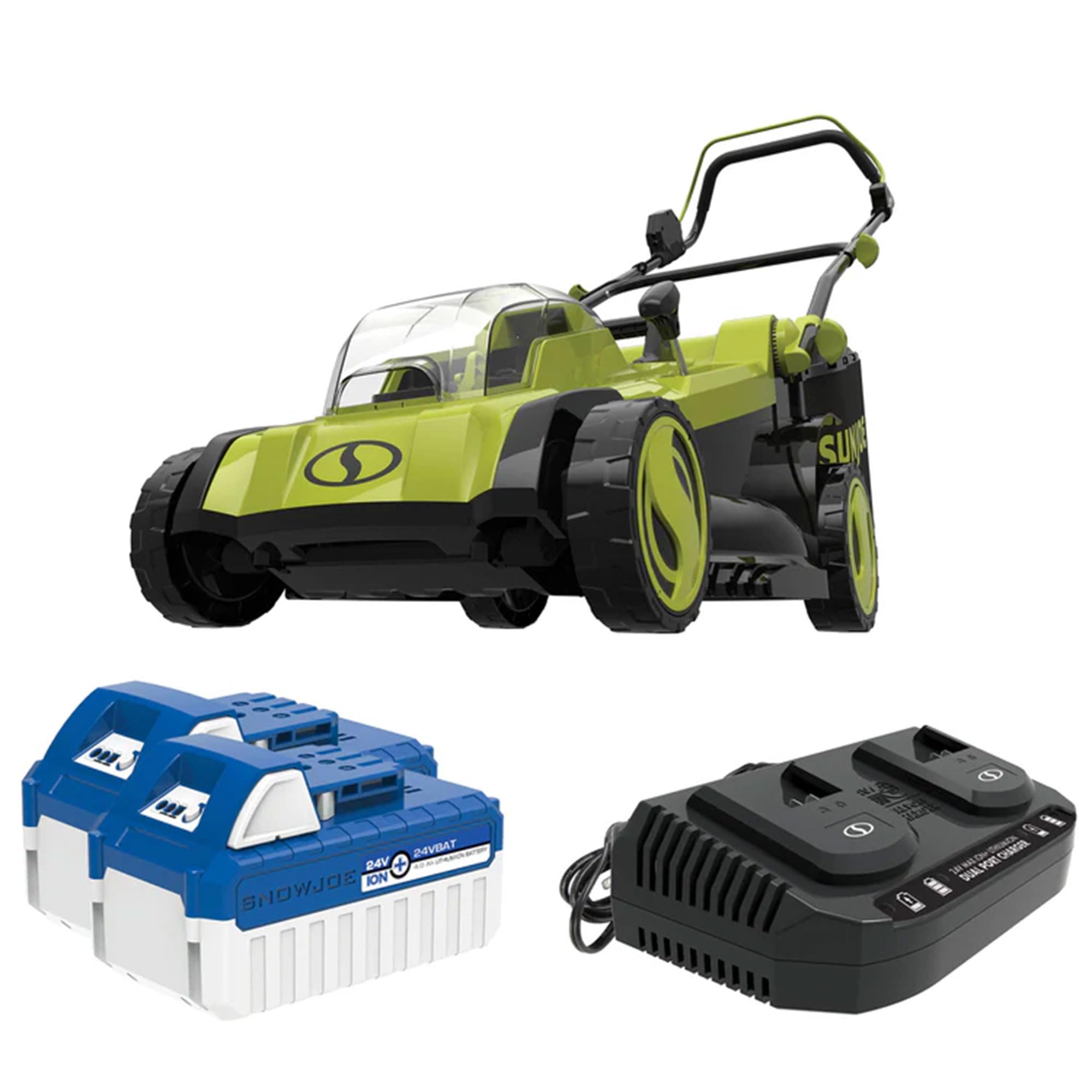


How Much Does a Lawn Mower Cost in 2026? Average Prices
The ranges below reflect what current models typically sell for on amazon.com and at major retailers. Sales and bundles move prices around, but these figures give a realistic picture.
| Type | Typical price range | Best for |
|---|---|---|
| Corded electric push | $80 to $250 | Small, flat lawns near an outlet |
| Battery push | $200 to $450 | Small to medium lawns, quiet mowing |
| Gas push | $190 to $400 | Medium lawns, no runtime limits |
| Gas self propelled | $300 to $650 | Medium to large lawns, slopes |
| Battery self propelled | $430 to $1,300 | Larger lawns without gas upkeep |
| Robot mower | $950 to $2,500 and up | Hands free mowing on set schedules |
| Riding mower or lawn tractor | $2,500 to $7,000 and up | One acre or more |
When people ask how much does a lawn mower cost for an average yard, the answer lands in the middle of this table. For most suburban lawns of a quarter to half an acre, the sweet spot sits between $300 and $700. That covers solid gas self propelled mowers and good battery models with a decent sized battery. Spending more buys a wider deck, a bigger battery, premium build quality or features like all wheel drive. Spending less usually means a narrower deck, a smaller battery or push only operation.
With battery mowers, always check what comes in the box. A kit with two batteries and a fast charger can cost a couple hundred dollars more than the same mower sold with one small battery or as a bare tool. If you already own batteries from the same brand, a bare tool can be the best value of all.
What Affects the Price
Several design choices drive the cost of a lawn mower. Knowing them helps you pay for the features your lawn actually needs.
Cutting Width and Deck Material
Most walk behind mowers cut 13 to 22 inches at a time. Wider decks cover more lawn per pass and cost more, along with more powerful engines or motors to spin bigger blades. Deck material matters too. Steel decks are common and affordable, polymer decks resist rust and dents, and aluminum or heavy gauge steel on premium mowers adds durability and cost.
Power Source: Battery, Corded or Gas
Corded electric mowers are the cheapest to buy and run but limit your range. Gas mowers are affordable up front and run as long as you have fuel, but they need oil changes, spark plugs and air filters. Battery mowers cost more initially, largely because of the battery, yet they are quiet, start instantly and need very little maintenance.
Self Propelled vs Push
Self propelled drive adds a transmission and drive system, which typically adds $100 to $300 compared with a similar push mower. Rear wheel drive helps on slopes and with a full bag, front wheel drive turns easily on flat lawns and all wheel drive gives the best traction on hills.
Battery Voltage and Runtime
Battery mowers range from about 20V to 80V and beyond. Higher voltage and larger amp hour batteries deliver more power and longer runtime, but raise the price. A small battery may mow a compact lawn on one charge, while a half acre lawn often needs a large battery or a second pack.
Convenience features push prices up as well. Electric start on gas mowers, single lever height adjustment, folding handles for vertical storage, LED headlights, variable speed drive and dual blade systems for finer mulching all add cost. They make mowing easier, but a basic model with good blades and a sturdy deck still cuts grass just as well on a simple, flat lawn.
Brand and warranty matter too. Premium brands often use better engines, thicker decks and longer warranties, while value brands keep costs down with lighter parts and shorter coverage. If you plan to keep the mower for many seasons, a stronger warranty can be worth a higher price.
Hidden and Ongoing Costs
The purchase price is only part of the story. Gas mowers need fresh fuel, engine oil, spark plugs, air filters and sometimes fuel stabilizer, adding a modest amount each season. All mowers need blade sharpening or replacement, and many owners pay a shop for a yearly tune up.
Battery mowers avoid most of that, but a replacement battery can be expensive once the original loses capacity after several seasons. Corded mowers need a long, heavy outdoor extension cord. Other extras include mulching or side discharge kits, replacement bags, covers, and delivery or assembly fees for riding mowers. Robot mowers may need boundary wire installation or a subscription for some smart features, depending on the model.
Repairs also add up over time. Belts, wheels, pull cords and carburetors are common wear items on gas mowers, so factor in a small yearly budget for maintenance and parts.
To put it in perspective, a gas push mower that costs around $250 might need fuel, oil, a spark plug and a blade sharpening each year, while a battery mower at around $450 needs little more than a charge and a sharp blade until its battery wears out. Over five or six seasons, the gap between them often shrinks more than the sticker prices suggest.
Is a Cheap Lawn Mower Good Enough?
A budget mower can be a smart buy if your lawn fits it, and it is often the best answer for first time homeowners with a modest yard. For a small, flat yard, a corded or basic battery push mower in the $100 to $300 range will cut grass well and last for years with simple care. Our guide to the best lawn mower for small yards covers good options in that range.
Cheap mowers struggle on larger lawns, thick grass and slopes. They tend to have narrower decks, weaker engines or small batteries, and lighter wheels and handles that wear faster. If your lawn is half an acre or more, hilly or full of obstacles, spending more on a self propelled model with a wider deck saves time and effort every week. Owners of big properties should also compare the options in our guide to the best lawn mower for large yards.
How to Save Money on a Lawn Mower
Timing matters. Lawn mowers are often cheapest in late summer and fall, when retailers clear inventory, and during early spring sales events. Waiting until the first hot weekend in spring usually means paying full price.
It also pays to think about the whole system. If you plan to buy a string trimmer, leaf blower or hedge trimmer later, choosing a mower from the same battery platform lets you share batteries and buy those tools as cheaper bare units. Over a few years, that can save more than any single sale. Finally, keep your old mower running a little longer with a new blade and a tune up if it still starts well; a fresh blade alone can make an older mower cut like new.
Watch Amazon deals and seasonal price drops, and compare battery kits with bare tools if you already own compatible batteries. Bundles that include a second battery or a mulching kit can add real value. Manufacturer refurbished mowers can save money too, as long as they come with a warranty. Finally, compare retailers before you buy, and our guide on where to buy a lawn mower explains the trade offs.
Frequently Asked Questions
Is it cheaper to buy a lawn mower online?
Often, yes. Online retailers like Amazon list many brands and models, so prices are competitive and seasonal deals appear regularly. Delivery is usually included for walk behind mowers. Local dealers may charge more but often include assembly, a first service and repair support, which can be worth it for riding mowers and premium gas models.
How long does a lawn mower last?
Most walk behind mowers last around 8 to 10 years with good care, while riding mowers can last longer. Battery mowers may need a new battery after several seasons. Regular blade sharpening, oil changes for gas engines and dry storage make the biggest difference. Our guide on how long does a lawn mower last covers it in detail.
Is a battery mower cheaper to own than a gas mower?
Over several years, often yes. Battery mowers cost more up front but skip fuel, oil, spark plugs and most tune ups. The main long term cost is an eventual replacement battery. Gas mowers are cheaper to buy, but running costs add up each season, especially if you pay for professional servicing.
Final Thoughts
So, how much does a lawn mower cost? Plan on about $80 to $450 for most push mowers, $300 to $1,300 for self propelled models and $2,500 or more for riding mowers. Match the mower to your lawn size and terrain, then compare our picks for the best lawn mower to find the right fit.


