
How to Use a Riding Lawn Mower the Right Way: Easy Step by Step Guide
Disclosure: We may earn a commission when you buy through links on this page, at no extra cost to you. As an Amazon Associate I earn from qualifying purchases. Learn more

Learn how to use a riding lawn mower safely: prep, cutting height, mowing patterns, clippings and storage in seven simple steps.
To use a riding lawn mower, read the manual, check the safety switches, fuel or charge the mower, set the cutting height so you remove no more than one third of the grass blade, clear the lawn of debris, then mow in straight, overlapping rows at a steady speed. Finish by cleaning the deck and storing the mower properly. That is how to use a riding lawn mower in a nutshell, and the details below show you how to do each step well.
A rider turns a two hour push mowing job into a relaxed half hour, but it is also a heavy machine with sharp spinning blades. A little preparation keeps you safe and gives you a cleaner, healthier lawn. Whether you own a classic lawn tractor, a nimble zero turn mower or a quiet electric riding mower, the same basic routine applies.

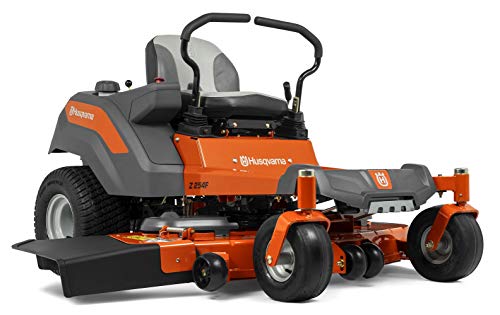


Before You Start: Safety and Prep
Dress for the job. Wear closed toe shoes with good grip, long pants and eye protection, and use hearing protection on gas models. Avoid loose clothing that could catch on moving parts. Never let children ride along or play near the mowing area, and keep pets indoors until you are done.
Walk the property first and note any slopes, ditches, drop offs and soft spots. Riding mowers are most stable going straight up and down gentle slopes, and manufacturers list a maximum safe grade in the manual. Steep banks are safer to trim with a push mower or string trimmer.
Check the mower itself before every session. Look at tire pressure, make sure the blades are not bent or badly dull and confirm the seat switch and blade engagement control work. On gas models, check the oil level with the mower parked on flat ground. On battery models, confirm the packs are charged and seated correctly. Finally, mow only in daylight when the grass is dry, since wet grass makes tires slip and clumps under the deck.
How to Use a Riding Lawn Mower Step by Step
Follow these seven steps the first time you ride, and they will quickly become routine.
Step 1: Read the manual and check safety features
Every model is laid out a little differently. The manual shows where the throttle, parking brake, blade engagement lever or switch and height adjustment are located. Learn them while the mower is off.
Then test the safety interlocks. Most riders will not start unless the brake is set and the blades are disengaged, and the engine or motor should stop if you leave the seat with the blades running. If a safety switch does not work, fix it before you mow. It is also worth noting where the fuel shutoff or battery disconnect is, so you know how to make the machine safe for maintenance.
Step 2: Charge the battery or add fresh fuel and oil
For gas mowers, fill the tank with fresh fuel outdoors and with the engine cold. Old fuel causes hard starting, so use gas that is less than a month old or treated with stabilizer. Check the oil and top it up to the full mark with the type the manual specifies. For electric models, charge the batteries fully before the first use and after each session. Battery riders are simpler to prepare, with no oil, spark plugs or fuel to manage.
Step 3: Set the cutting height (one third rule)
Set the deck height before you engage the blades. A good rule is to never remove more than one third of the grass blade in a single pass. If your lawn is four inches tall and you want it at three, one pass works. If it is overgrown, raise the cutting deck to its highest setting, mow, then lower it a notch and mow again a few days later. Most cool season grasses look best around three inches, while many warm season grasses can be cut lower.
Step 4: Clear the lawn of sticks, toys and rocks
A riding mower blade can throw a stone or stick with real force. Walk the lawn and pick up branches, toys, dog leashes, hoses and rocks. Mark anything you cannot move, such as sprinkler heads, tree roots or stumps, so you remember to steer around them. This step also protects your blades and deck from damage. If you have a large property, do a quick sweep with a garden cart so you are not hopping on and off the seat every few minutes.
Step 5: Mow in straight overlapping rows
Start the mower with the parking brake set and the blades off. Let a gas engine warm up for a minute, then set the throttle to full or fast, release the brake and engage the blades.
Mow the perimeter first with two laps around the edge, discharging grass toward the lawn, not into beds or the street. Then work in straight rows, overlapping each pass by a few inches so you do not leave strips of uncut grass. Keep a steady, moderate speed. Going too fast leaves a ragged cut, and in thick grass you should slow down so the blades can keep up.
Turn gently at the end of each row, and disengage the blades when you cross gravel, driveways or paths. On a zero turn mower, practice the lap bar controls in an open area first, since they respond quickly. Change your mowing direction each time you mow to keep the grass standing upright and avoid ruts.
Step 6: Bag, mulch or side discharge
Most riders can do one or more of three things with clippings. Side discharge is the default and works well for regular mowing and taller grass. Mulching chops clippings finely and returns nutrients to the soil, which is ideal for frequent cuts. Bagging collects clippings and leaves for the neatest finish, but it means more stops to empty the bags. In fall, bagging or mulching leaves with your rider is a quick way to clean up the yard.
Step 7: Clean the deck and store properly
When you finish, disengage the blades, drive back to the storage area, set the parking brake and turn the mower off. Remove the key.
Once everything has cooled, brush or blow clippings off the deck and engine area, and scrape wet grass from under the deck if the manual says it is safe. A lift jack makes this much easier on larger machines. Store the mower in a dry garage or shed, or use a fitted cover outdoors. Recharge battery models, and keep a gas mower's tank either full of stabilized fuel or empty for long storage.
Pro Tips for Better Results
Sharp blades are the easiest upgrade to your lawn's look. Dull blades tear the grass, leaving brown, frayed tips that invite disease. Have them sharpened at least once a season, or more often if you mow a large acreage or sandy soil.
Mow when the grass is dry and the day is cooler, such as late morning or early evening. Your lawn will handle the stress better and you will get a cleaner cut. Alternate patterns each week, for example straight rows one week and diagonal rows the next, which gives that striped look and keeps wheels from wearing the same tracks.
Keep tire pressure even on both sides. Uneven tires tilt the deck and create a wavy cut. Check the deck level once a season with the mower parked on a flat surface. Finally, keep a simple log of oil changes, blade sharpening and filter changes. Regular care is what keeps a rider running for many seasons.
Common Mistakes to Avoid
The most common mistake is cutting too low. Scalping weakens grass, exposes soil to weeds and burns the lawn in summer heat. Stick to the one third rule even when you are in a hurry.
Driving across slopes is another. Riders can tip when driven sideways along a steep grade, so go up and down instead, and skip anything steeper than the manual allows. Never mow in reverse unless you must, and when you do, look behind you the entire time. Many mowers stop the blades in reverse unless you activate a reverse mowing override, and that feature exists for good reason.
Finally, do not skip maintenance. Mowing with old oil, a clogged air filter or a dull blade wastes fuel or battery, strains the engine or motor and leaves a poor cut.
Frequently Asked Questions
How often should I use a riding lawn mower?
Most lawns need mowing once a week during the main growing season, and every 10 to 14 days when growth slows in late summer or fall. Let the grass, not the calendar, decide. If it has grown more than one third above your target height, it is time to mow. In spring, fast growth may call for two cuts a week.
Can beginners use a riding lawn mower safely?
Yes, as long as they learn the controls first. Read the manual, practice on a flat open area with the blades off and get used to braking and turning before you mow. Start with a slower speed and avoid slopes until you are comfortable. Lawn tractors with steering wheels are usually easier for beginners than zero turn mowers.
Final Thoughts
Learning how to use a riding lawn mower comes down to good habits: prepare the machine, clear the yard, respect the one third rule, mow in steady overlapping rows and clean up afterward. Do that and your lawn will look better with less effort. If you are still choosing a machine, start with our guide to the best lawn mower, then compare the best riding lawn mower picks. Small lots are covered in our best riding lawn mower for small yards list, hilly properties in the best riding lawn mower for uneven terrain roundup, and our guide on where to buy a lawn mower helps you compare stores.


