
The 3 Best Garden Spades of 2026: Expert Picks and Buying Guide
Disclosure: We may earn a commission when you buy through links on this page, at no extra cost to you. As an Amazon Associate I earn from qualifying purchases. Learn more

The best garden spade picks from Root Slayer, Fiskars and Spear and Jackson for roots, clay, edging and bed preparation.
A cheap spade bends the first time it meets a root, the blade dulls in rocky clay and the handle rubs blisters into your palms. When you are planting shrubs, dividing perennials or cutting a clean bed edge, the right tool makes the job feel half as hard. The best garden spade has a sharp, strong blade that slices into tough soil, a handle that gives you leverage without strain and a step that lets your body weight do the work.
We compared maker specs, verified owner feedback on Amazon, expert reviews and price against value to pick three spades. The Root Slayer 22011 is our top choice for its serrated carbon steel blade that cuts through roots, the Fiskars 46 inch Steel D Handle Square Garden Spade is the best value with an all steel build and a lifetime warranty, and the Spear and Jackson Traditional Stainless Digging Spade is the premium pick for gardeners who want a classic English tool that sheds soil easily.




Our Top 3 Picks at a Glance
Each of these spades is built for a different kind of digging, from root filled ground to clean edges and well worked beds.
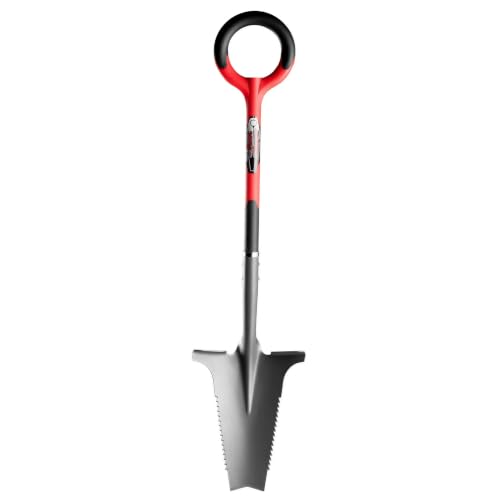
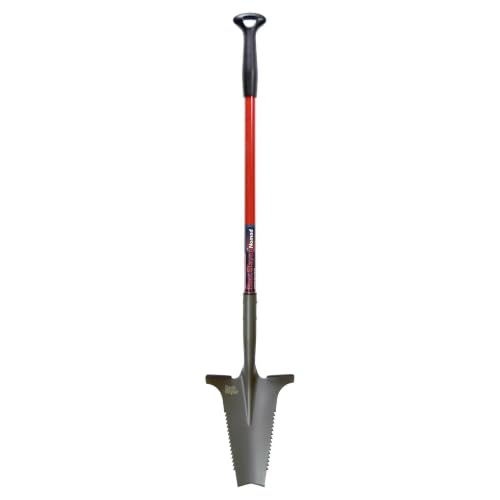
- Best Overall: Root Slayer 22011 Garden Shovel (around $60). A serrated carbon steel blade with an inverted V tip that slices through roots and packed dirt.
- Best Value: Fiskars 46 Inch Steel D Handle Square Garden Spade (around $30). A welded 14 gauge hardened steel blade, a steel shaft that will not flex and a lifetime warranty.
- Best Premium Pick: Spear and Jackson Traditional Stainless Digging Spade (around $60). A treaded stainless steel head and an ash wood handle in a timeless design.
The product table above adds more spades and digging shovels from Spear Head Spade, Fiskars, Root Slayer, A.M. Leonard, Kent and Stowe and others.
How We Chose the Best Garden Spade
We focused on blade material and shape, handle strength and comfort, and features like foot treads that help you drive the blade into hard soil. Owner feedback and review volume helped us judge how each spade holds up after seasons of digging in clay, roots and rocks. We compared price against build quality and warranty, favoring brands that stand behind their tools. Every pick is a current model in stock on amazon.com.
Garden Spade Reviews
1. Root Slayer 22011 Garden Shovel: Best Overall
- Blade: heavy duty carbon steel with a protective powder coated finish
- Edge: serrated sides with a sharpened inverted V cutting tip
- Shaft: resin encased steel for strength
- Design: ergonomic shape for leverage and control in compact soil
- Use: digging holes, planting shrubs, transplanting and soil preparation
Why We Picked It
The Root Slayer was designed for the kind of digging that defeats ordinary spades. Its inverted V tip pierces packed ground, and the serrated edges saw through roots as you push, so you do not need to stop and grab loppers every time you hit a tangle under a hedge or tree. In rocky clay or old lawns full of runners, that makes a huge difference.
The carbon steel blade is strong enough for repeated hard use, and the powder coated finish helps resist rust. A resin encased steel shaft adds strength without the flex that plagues cheap fiberglass handles. The overall design gives good leverage and control, which helps reduce strain on hands and wrists during demanding digging.
It has one of the largest bases of owner feedback of any garden shovel, which gives confidence in its durability. Keep in mind that the maker says it is not intended for prying or excessive leverage, so use a digging bar for rocks you need to pop loose.
For many gardeners asking what is the best garden spade for tough ground, this is the answer: a root cutting, soil slicing tool that makes planting in difficult yards far easier.
Pros
- Cuts through roots with serrated edges
- Great in hard, compacted soil and clay
- Strong carbon steel blade and steel shaft
- Large base of owner reviews
Cons
- Heavier than lightweight spades
- Pricier than basic models
- Not meant for prying
Who Should Buy It
Choose the Root Slayer if your yard has roots, rocks or heavy clay, or if you plant shrubs and trees often. It is the best heavy duty garden spade in our top three, and it costs around $60.

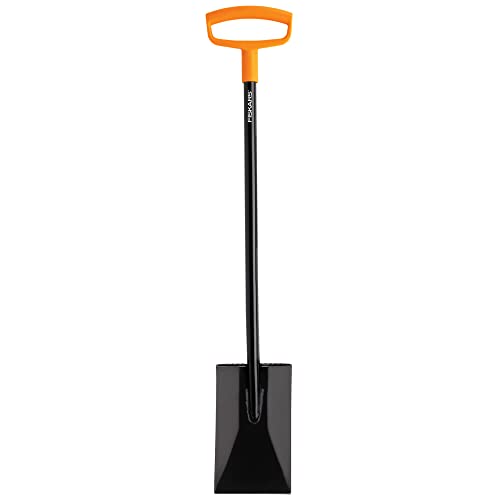
2. Fiskars 46 Inch Steel D Handle Square Garden Spade: Best Value
- Blade: welded 14 gauge hardened steel, sharpened square edge
- Shaft: 18 gauge steel that will not flex like fiberglass
- Handle: extra large D handle for two handed control
- Step: foot platform to maximize force when driving the blade
- Length: 46 inches overall
- Warranty: lifetime warranty
Why We Picked It
The Fiskars square spade is a classic all purpose garden tool at a very low price. Its flat, sharpened blade is ideal for edging beds, cutting trenches, slicing through thick turf and squaring off planting holes. A square spade leaves clean, straight edges that a round point shovel cannot match.
The all steel construction is the real draw. A welded 14 gauge hardened steel blade and an 18 gauge steel shaft hold up far longer than wood handled tools and will not flex the way fiberglass can. The extra large D handle gives secure two handed control, even with gloves, and the foot platform lets you stand on the blade to push it through hard soil or dried clods.
Fiskars backs it with a lifetime warranty, which is rare at this price and a good sign of confidence in the build.
Because the blade is square and sharp, it doubles as an edger for lawn borders and a tool for cutting sod when you expand a bed. You can also use it to slice under weeds with long taproots. For a gardener who wants one spade that does a bit of everything, this is the best garden spade value we found.
Pros
- Light for an all steel tool, yet very tough
- Sharp square edge for clean edging and trenching
- Foot platform for extra force
- Lifetime warranty at a low price
Cons
- D handle size is fixed and may feel small for very large hands
- Steel shaft gets hot in direct summer sun
Who Should Buy It
Pick the Fiskars if you want one durable spade for edging, digging and turf cutting without spending much. It is the best affordable garden spade in our top three at around $30.
3. Spear and Jackson Traditional Stainless Digging Spade: Best Premium Pick
- Head: treaded stainless steel
- Handle: ash wood
- Range: Spear and Jackson Traditional Stainless
- Use: digging and preparing beds
Why We Picked It
Spear and Jackson is a long established English toolmaker, and the Traditional Stainless digging spade is a fine example of the classic English pattern. The stainless steel head will not rust, and soil slides off it far more easily than off painted or carbon steel, which keeps the blade cutting cleanly in sticky, damp ground.
A treaded top edge gives your boot a comfortable, secure platform when you drive the blade in. The ash wood handle has natural spring and feels warm in the hand, which many gardeners prefer over metal or fiberglass for long digging sessions in the vegetable patch or flower border.
It is a tool designed for digging and turning beds rather than prying stones or chopping thick roots. Used for its purpose and cared for with an occasional oiling of the handle, it can last for many years.
The stainless head is also easy to clean at the end of the day. A quick rinse and wipe is usually enough, which is one reason stainless spades are popular with gardeners who dig in wet or heavy soil that clings to carbon steel. If you want a tool that looks good hanging in the shed and stays rust free season after season, this is it.
Pros
- Rust free stainless head
- Soil slides off easily for clean digging
- Classic English design with an ash handle
- Treaded top for comfortable foot pressure
Cons
- Wood handle needs occasional care
- Not designed for prying or root chopping
Who Should Buy It
Buy the Spear and Jackson if you dig and prepare beds often, garden in damp or clay soil, and appreciate a traditional tool. It costs around $60.

Who Should Buy a Garden Spade (and Who Should Not)
Almost every gardener needs at least one good spade. If you plant shrubs, divide perennials, edge beds, dig vegetable plots or move small plants around the yard, a spade does the job faster and cleaner than a shovel. Its flatter, sharper blade cuts soil instead of scooping it, so you get neat holes and straight edges.
Homeowners with heavy clay or rooty ground benefit most from a strong, sharp spade, and our guide to the best garden spade for clay soil covers that need in more depth. If your main job is shaping crisp lawn borders, see our picks for the best garden spade for edging.
A spade is not the right tool for moving large piles of loose material such as mulch, gravel or snow. A scoop or round point shovel holds more and is easier for that work. If you only garden in containers, a hand trowel is all you need. Gardeners with limited strength may also find a smaller border spade easier to handle than a full size digging spade, since it moves less soil per scoop but takes far less effort.
How to Choose the Best Garden Spade
Blade shape, material and handle design decide how a spade performs. For a step by step guide, read how to choose a garden spade.
Blade Shape: Spade vs Shovel
A spade has a flat or slightly curved blade with a straight or gently pointed edge, built for cutting and digging. A shovel has a deeper, rounded scoop for lifting and moving material. Pointed or V tipped spades pierce hard soil more easily, while square spades make clean edges and trenches.
Blade Material
Carbon steel is strong and holds an edge, but it needs a coating or oil to resist rust. Stainless steel resists rust and sheds soil easily, though quality varies. Boron or hardened steel blades are the toughest. Avoid thin stamped blades that can bend. Check the blade thickness or gauge if the listing shows it; a lower gauge number means thicker, stronger steel. The way the blade joins the shaft matters too, since a solid socket or welded joint lasts far longer than a few rivets.
Handle Length and Grip
Short D handles give control and power for precise digging, while long handles offer more leverage and less bending, which taller gardeners appreciate. If you are over about six feet tall, a long handle spade can save your back during big digging projects. Steel shafts are strongest, fiberglass is light and weather resistant, and wood absorbs shock but needs care.
Blade Size
Full size digging spades usually have blades around 11 inches long, which moves plenty of soil per push. Border spades are smaller and lighter, a good fit for tight beds between established plants. The best compact garden spade for small gardens and raised beds is often a border spade, since it slips between plants without damaging roots.
Step Platform
A wide tread or foot platform on top of the blade protects your boot and lets you use body weight to push into tough ground. It is one of the simplest features that makes digging easier.
Weight
Heavier spades stay steady in hard soil, while light spades are easier to use for long periods. The best lightweight garden spade for most people balances a strong blade with a light handle such as fiberglass or thin walled steel.
Warranty
Good spades often carry long or lifetime warranties. A strong warranty signals confidence in welds and handle joints, the two places cheap tools usually fail. Keep your receipt and register the tool if the maker asks. A warranty only helps if you can prove the purchase, so a photo of the receipt stored on your phone is a simple habit worth adopting.
FAQs About Garden Spades
How long does a garden spade last?
A quality garden spade can last decades with basic care, and many are passed down through families. Cheap stamped spades may bend or break in a season or two. Cleaning, drying and sharpening the blade, plus oiling wood handles, are the keys to a long life.
Is a garden spade worth the money?
Yes. A good spade makes planting, edging and dividing far easier, and it can last for many years. Spending a little more for a strong blade and handle avoids replacing a cheap tool every season and saves your hands and back.
How much should I spend on a garden spade?
Solid all steel spades start around $30, and specialty or premium spades cost about $50 to $80. Professional nursery spades can exceed $100. For most home gardeners, $30 to $65 buys a tool that will last for years.
How do I maintain a garden spade?
Knock off soil after each use, rinse and dry the blade, and wipe it with a little oil to prevent rust. Sharpen the edge with a file each season, store the spade indoors, and treat wood handles with linseed oil. Our guide on how to use a garden spade covers technique too.
Final Verdict
The Root Slayer 22011 is the best garden spade for most yards with roots, rocks and clay, thanks to its serrated blade and V tip. The Fiskars 46 inch square spade is the value pick for edging and general digging, and the Spear and Jackson Traditional Stainless spade is the premium choice for bed preparation in sticky soil. Check today's price before your next planting weekend.


