
Best Mini Robot Vacuums in 2026: Our Top 3 Picks Reviewed
Disclosure: We may earn a commission when you buy through links on this page, at no extra cost to you. As an Amazon Associate I earn from qualifying purchases. Learn more
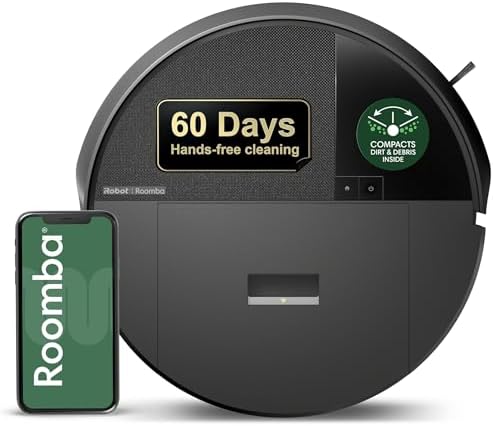
The best mini robot vacuum picks for small homes and low furniture, from a dockless Roomba to ultra slim robots.
Big robot vacuums with tall docks look impressive in ads, but they are a poor fit for studio apartments, tight hallways and furniture that sits only a few inches off the floor. A bulky base station can eat up the corner you were saving for a plant, and a tall robot simply bumps into the sofa instead of cleaning under it. The best mini robot vacuum keeps the footprint small and the profile low while still cleaning on a schedule, so your floors stay tidy without the robot taking over the room.
We compared current compact and slim robots on Amazon by their listed height, dock size, suction, navigation and maintenance needs, plus verified owner reviews, expert opinions and price against value. The iRobot Roomba 205 DustCompactor is our best overall pick, the roborock Qrevo Edge 2 is the premium choice and the roborock Q10 S5+ is a self emptying, mid priced runner up.



Our Top 3 Picks at a Glance
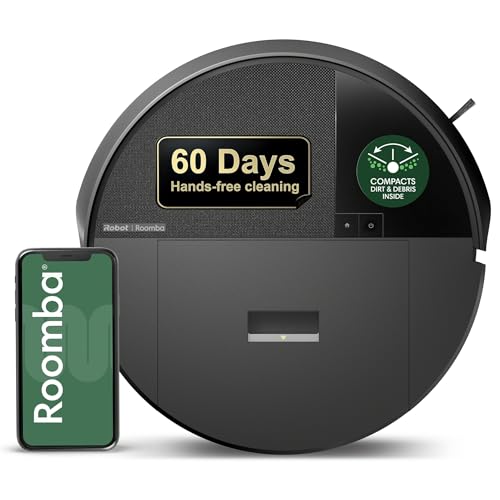
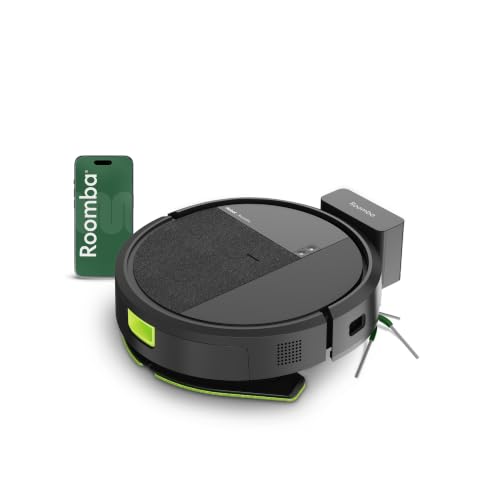
- Best Overall: iRobot Roomba 205 DustCompactor Robot Vacuum (around $140). No dock needed: it compacts debris inside the robot for up to 60 days and maps rooms with hidden LiDAR.
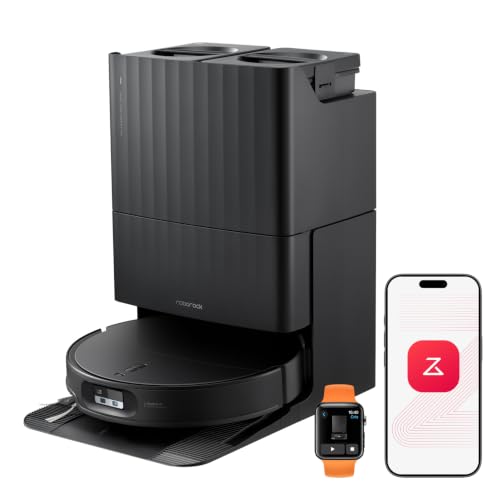
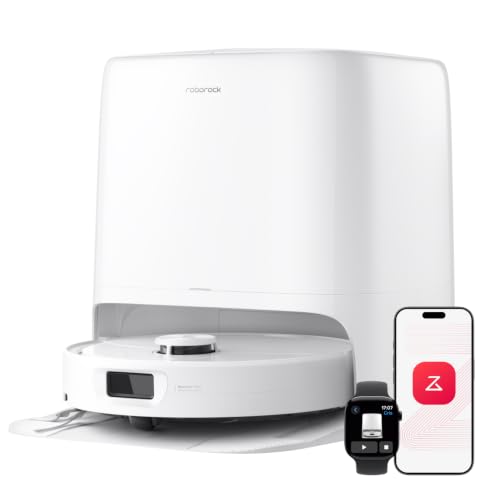
- Best Premium Pick: roborock Qrevo Edge 2 Robot Vacuum and Mop (around $785). Just 3.14 inches thin, with 25,000Pa suction and a self washing mop dock.
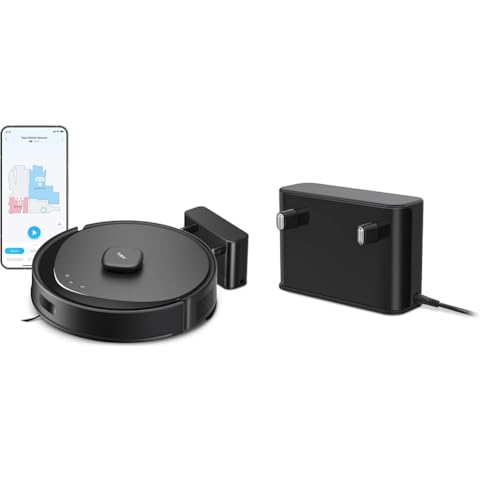
- Runner Up: roborock Q10 S5+ Robot Vacuum and Mop (around $280). 10,000Pa suction, sonic mopping and a self emptying station that holds up to 70 days of debris.
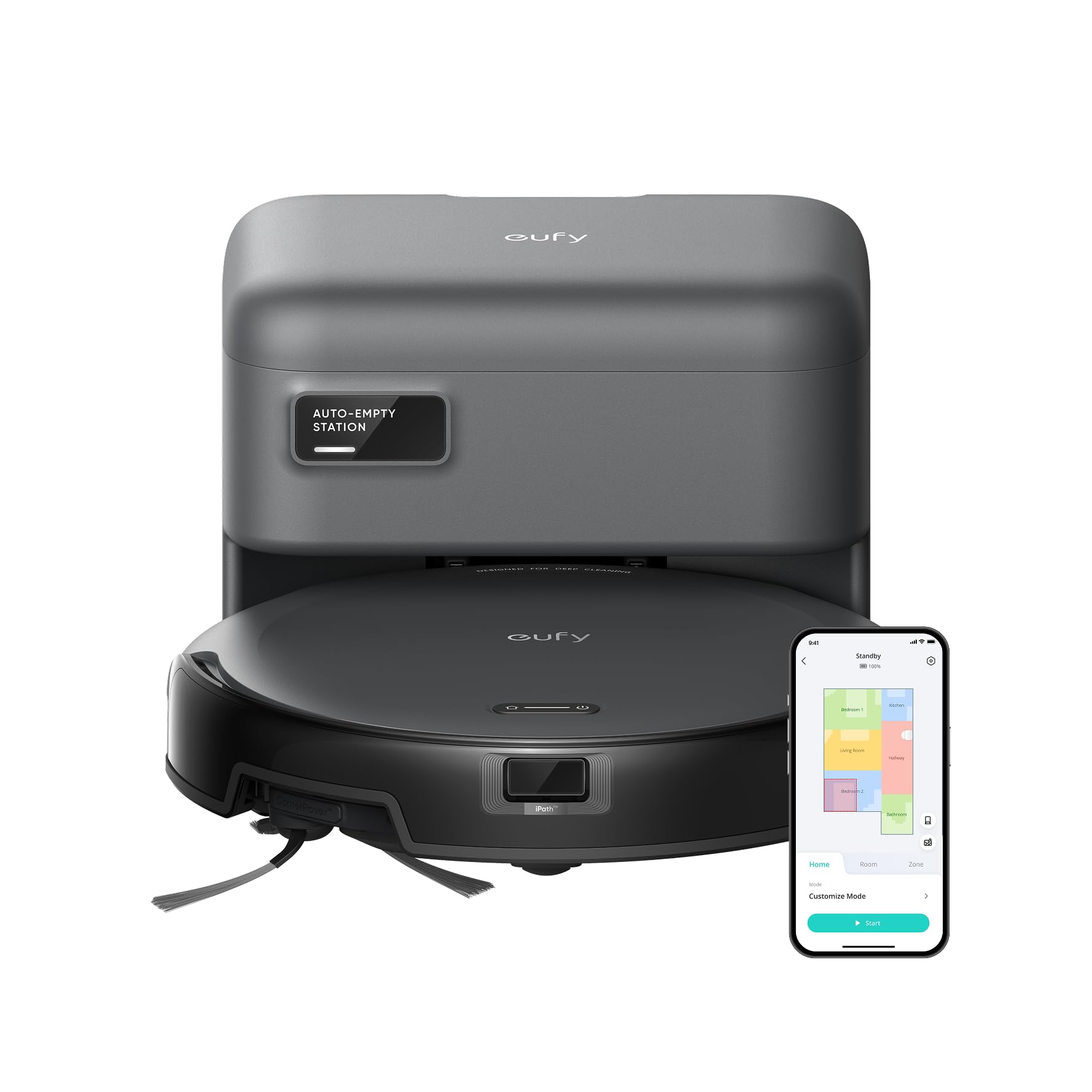
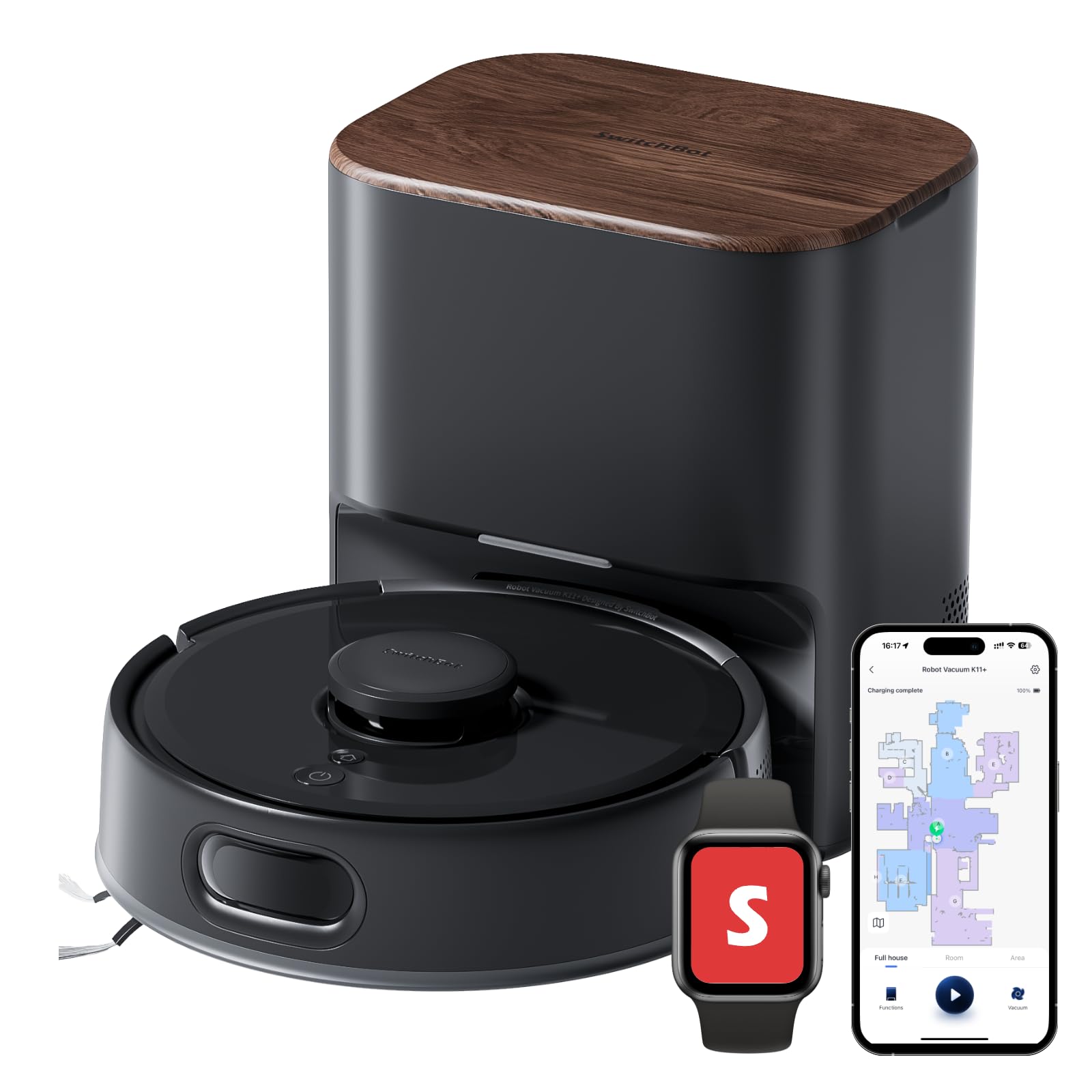
The comparison table above lists more slim and compact robots from ECOVACS, SwitchBot, Lefant and others.
How We Chose the Best Mini Robot Vacuum
We focused on what makes a robot fit small spaces: body height, dock size or no dock at all, and how well it navigates tight rooms. Suction, brush design and maintenance came next, followed by owner feedback and price against features. Every pick is a current model in stock on amazon.com, and we relied only on specs the listings confirm.
Mini Robot Vacuum Reviews
1. iRobot Roomba 205 DustCompactor Robot Vacuum: Best Overall
- Built in DustCompactor that crushes debris inside the robot for up to 60 days without emptying
- No dock or base station needed, so no extra footprint
- ClearView LiDAR hidden inside the robot for mapping and navigation
- 3 stage cleaning with a Multi Surface brush and an edge sweeping brush
- 4 suction levels plus room scheduling, spot cleaning and repeat passes
Why We Picked It
The Roomba 205 rethinks what a compact robot can be. Instead of pairing a small robot with a big self emptying base, it packs the debris tightly inside the robot itself, so iRobot says you can go up to 60 days without emptying it, and there is no dock taking up floor space. For apartments and small homes, that is the most space friendly design available.
Navigation does not suffer either. ClearView LiDAR sits hidden inside the body, mapping your home, avoiding obstacles and cleaning in neat rows even in the dark. Four suction levels let you match power to the floor, and the app can schedule specific rooms, skip unused areas or spot clean a mess. iRobot rates its power lifting suction at 70 times that of its older Roomba 600 series.
Pros
- No dock, so it fits anywhere
- Low maintenance with weeks between emptying
- LiDAR mapping at a budget price
Cons
- No mopping
- Not as slim as the thinnest robots
Who Should Buy It
Choose the Roomba 205 if you live in a small space, want smart mapping and hate emptying a robot every day. It is the best low maintenance mini robot vacuum here, at around $140.
2. roborock Qrevo Edge 2 Robot Vacuum and Mop: Best Premium Pick
- 3.14 inch ultra slim design with RetractSense navigation
- 25,000Pa HyperSuction with a dual anti tangle system
- FlexiArm Arc side brush that reaches walls, corners and toe kicks
- Reactive AI obstacle recognition with structured light, RGB camera and dirt detection
- Dock with 176°F hot water mop washing and a soaking mode
- SmartPlan 3.0 that recognizes room types and adjusts cleaning
Why We Picked It
If you want a slim robot that does everything, the Qrevo Edge 2 is the standout. At just 3.14 inches thin, it slides under beds and sofas that stop most robots, and its RetractSense system uses an upward sensor so the navigation turret can retract under low furniture. It is the best high end mini robot vacuum for people who want premium cleaning without a tall robot.
Performance is flagship level. The 25,000Pa suction and dual anti tangle system pull debris and pet hair from carpet, while the FlexiArm Arc side brush sweeps into corners and toe kick areas. Reactive AI uses structured light and an RGB camera to steer around clutter, and the dock washes mops with 176°F hot water. The trade off is that the dock is full size, so this is a slim robot rather than a small system.
Pros
- Ultra slim body reaches under low furniture
- Very strong suction and edge cleaning
- Hot water mop washing dock
Cons
- Large dock footprint
- Expensive
Who Should Buy It
This roborock suits homes with low furniture and mixed floors where you want vacuuming and mopping fully automated. It sells for around $785.

3. roborock Q10 S5+ Robot Vacuum and Mop: Runner Up
- 10,000Pa HyperForce suction
- Self emptying station with a 2.7L dust bag for up to 70 days
- Dual anti tangle system with a JawScrapers Comb main brush
- VibraRise 2.0 sonic mopping that scrubs up to 3000 times per minute
- Ultrasonic carpet detection and structured light obstacle avoidance
Why We Picked It
The Q10 S5+ is an easy way into hands free robot cleaning, because its self emptying station holds up to 70 days of debris in a 2.7L bag. Its 10,000Pa suction lifts embedded pet hair, crumbs and debris from carpets, hardwood floors and crevices, and the dual anti tangle brushes cut down on hair wrapping.
It mops as well as vacuums, scrubbing up to 3000 times per minute, and ultrasonic carpet detection lifts the mop and boosts suction when it reaches a rug. Structured light obstacle avoidance helps it work around clutter. It costs more than our top pick and needs room for its station, so it suits homes that have space for a dock.
Pros
- Strong 10,000Pa suction
- Up to 70 days between emptying
- Good customer reviews
Cons
- The station takes up more floor space than a dockless robot
- Pricier than our best overall pick
Who Should Buy It
Pick the Q10 S5+ if you want a robot that vacuums and mops with weeks between emptying. It costs around $280.

Who Should Buy a Compact Robot Vacuum (and Who Should Not)
A compact robot is ideal for apartments, condos, dorm rooms and small homes where floor space is precious. Slim models are also the right choice if your sofa, bed or cabinets sit low, because a robot that fits underneath can clean the dust bunnies you never see. If you are still deciding whether automation makes sense, our article is a robot vacuum worth it weighs the pros and cons.
A mini robot is not the best fit for large homes with many rooms, thick carpet or heavy pet shedding. Small bins fill quickly and simpler models lack the mapping needed to cover a big floor plan efficiently. In those cases, a full size robot with a self emptying base is worth the extra space. See our best robot vacuum roundup for those options.
How to Choose the Best Mini Robot Vacuum
When you compare the best compact robot vacuum options, start with height and dock size, then check these features.
Suction Power (Pa) and Brush Design
Higher suction power helps on rugs, but brush design matters as much. Rubber or anti tangle brushes resist hair wrap and cut down on maintenance.
Navigation: LiDAR, Camera and Obstacle Avoidance
LiDAR navigation maps rooms and cleans in efficient rows, while cameras add obstacle avoidance for cords and socks. Budget models without mapping bounce around randomly and take longer.
Self Emptying and Self Cleaning Docks
A self emptying base saves effort but takes up space. Dockless designs that compact debris onboard, like the Roomba 205, are a clever middle ground for small homes.
Mopping System and Carpet Detection
If you want mopping, look for mopping pads or rollers that lift on carpet. Many mini robots skip mopping to stay small and simple.
Battery Runtime and Recharge and Resume
Small homes rarely need more than 60 to 90 minutes per run. Recharge and resume lets a robot finish larger areas after a quick top up.
App, Mapping and Smart Home Features
App control adds scheduling, room selection and no go zones around pet bowls or cables. If you prefer simplicity, a remote controlled model avoids setup altogether. Comparing stores? Our guide on where to buy a robot vacuum can help.
FAQs About Mini Robot Vacuums
How long does a compact robot vacuum last?
A well maintained compact robot often lasts several years. Batteries, brushes and filters wear first and can usually be replaced. Emptying the bin often, cleaning sensors and wheels, and removing hair from the brushes all help the robot keep working well and extend its overall life.
Is a compact robot vacuum worth the money?
For small homes and apartments, yes. A compact robot keeps floors tidy every day with almost no effort and fits spaces where a large dock would be awkward. It will not replace deep cleaning, but it greatly reduces how often you need to pull out a full size vacuum.
How much should I spend on a compact robot vacuum?
Simple slim robots cost around $100 to $150. Compact models with LiDAR mapping run about $150 to $300, and premium slim robots with mopping docks cost $700 or more. For most small homes, the $130 to $300 range offers the best value.
How do I maintain a compact robot vacuum?
Empty the bin or compactor as directed, clean the filter regularly and remove hair from the main and side brushes. Wipe the sensors and charging contacts with a dry cloth, check the wheels for debris and replace brushes and filters on the schedule the maker recommends.
Final Verdict
The iRobot Roomba 205 DustCompactor is the best mini robot vacuum for most small homes, with no dock to store, LiDAR mapping and weeks between emptying. The roborock Qrevo Edge 2 is the premium slim pick with a full mopping dock, and the roborock Q10 S5+ is the self emptying, mid priced runner up. Check today's price on Amazon and choose the size that fits your space.


