
Is a Robot Vacuum Worth It? Honest Pros, Cons and Verdict (2026)
Disclosure: We may earn a commission when you buy through links on this page, at no extra cost to you. As an Amazon Associate I earn from qualifying purchases. Learn more
Is a robot vacuum worth it? What each price tier gets you, the real pros and cons, running costs and who should buy or skip one.
For most busy households, yes. A robot vacuum is worth it if you want floors that stay consistently clean with almost no effort, especially in homes with pets, hard floors or people who simply do not enjoy vacuuming. It will not fully replace a regular vacuum for deep carpet cleaning, stairs or upholstery, but it handles the daily dust, crumbs and pet hair that pile up between big cleans. So is a robot vacuum worth it for you? It depends on your floors, your budget and how much clutter sits on them.
This guide walks through what you get at each price, the real benefits and drawbacks, the ongoing costs and the alternatives, so you can decide with clear eyes.


What You Get for the Money
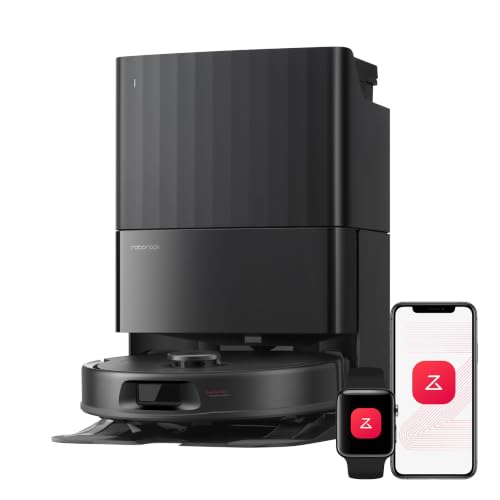
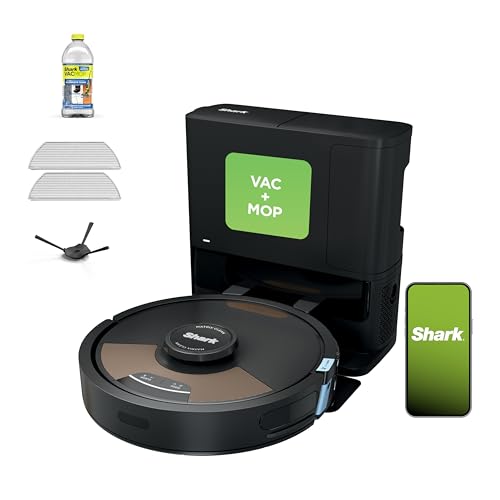
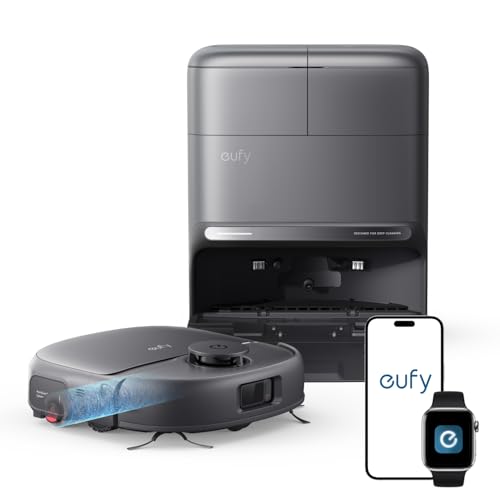
Robot vacuums now range from around $180 for capable basic models to around $1,600 for flagship machines that vacuum, mop and empty and clean themselves. What changes as the price climbs is mainly navigation, automation and how little you need to touch the robot.
Budget robots (around $180 to $300) clean well on hard floors and low rugs. Cheaper models often move in a random or bounce pattern, while many now include basic mapping and app control. You empty the small bin yourself after each run or two.
Midrange robots (around $300 to $700) usually add LiDAR navigation, multi floor maps, no go zones and a self emptying base that holds weeks of debris. Many also mop, either with a simple pad or a spinning or roller mop.
Premium robots (around $700 to $1,600) add stronger suction, camera based obstacle avoidance that dodges cords, socks and pet messes, and all in one docks that empty the bin, wash and dry the mop and refill water. These are the closest thing to hands off cleaning.
The best value for most families sits in the midrange, where good mapping and self emptying deliver most of the convenience without flagship prices. Our guide on how much does a robot vacuum cost breaks the tiers down further.
Benefits of Owning a Robot Vacuum
The biggest benefit is consistency. A robot can run every day, or several times a day, without anyone thinking about it. Floors that are vacuumed daily rarely build up the grit that scratches hardwood or the hair tumbleweeds that gather under furniture. Most people find their home simply feels cleaner, even if they still do a full vacuum once a week.
Time savings add up quickly. If a daily robot run replaces even fifteen minutes of manual vacuuming a few times a week, that is many hours a year back. You can schedule cleaning while you are at work, so you come home to clean floors and never hear the noise.
Pet owners benefit most. Shedding dogs and cats leave hair everywhere, and a robot with a rubber or anti tangle brush keeps it under control between grooming sessions. People with allergies also gain from frequent pickup of dust and dander, particularly with sealed bins and good filters.
Modern features make life easier still. LiDAR navigation maps your home, so the robot cleans in neat rows and knows which room it is in. App control lets you start a clean from anywhere, send the robot to one room after dinner or set no go zones around pet bowls and cables. Self emptying bases mean you might only deal with debris once a month.
Finally, robots reach places you skip. They slide under beds, sofas and cabinets where dust hides, which is often where allergens collect. If your home is mostly hard floors, see our picks for the best robot vacuum for hardwood floors.
Drawbacks to Consider
Robots are not perfect, and knowing the limits helps you avoid disappointment.
They need a tidy floor. Socks, toys, phone chargers and loose cords can stop a robot or get sucked into the brush. Cheaper models without obstacle avoidance struggle most, so you may need to pick up before each run. Pet accidents are a known hazard for robots without camera based avoidance.
Deep cleaning is limited. A robot's small motor and low profile cannot match a full size upright on thick carpet, and it cannot clean stairs, upholstery, curtains or cars. Most owners keep a stick or upright vacuum for those jobs.
Edges and corners are a weak point for round robots, although side brushes and newer extending brushes help. Mopping on most robots is maintenance mopping, not a replacement for scrubbing sticky spills.
There is also upkeep. Brushes need clearing of hair, filters and side brushes wear out, and self emptying bases need bags. Finally, app connected robots raise privacy questions, especially models with cameras, so read the maker's data policy.
Who Should Buy One (and Who Should Skip It)
A robot vacuum is a strong buy for:
- Busy households and people who work long hours
- Pet owners who fight daily shedding, as covered in our picks for the best robot vacuum for pet hair
- Homes with mostly hard floors or low pile rugs
- Allergy sufferers who benefit from frequent dust pickup
- Older adults or anyone for whom pushing a vacuum is hard
You might skip it, or choose carefully, if:
- Your floors are always cluttered with toys, cables or clothes
- Most of your home is thick, high pile carpet
- You live in a small studio that takes five minutes to vacuum by hand
- You are uncomfortable with app connected devices that map your home
If you are wondering why buy a robot vacuum rather than a better stick vacuum, the answer is automation. A stick vacuum is faster when you use it, but a robot cleans when you do not. If you want something small for a single room or apartment, ask whether a mini robot is worth it in your space: compact models fit under low furniture but usually have smaller bins and shorter runtimes, so they suit light daily pickup rather than whole home cleaning.
Cost of Ownership Over Time
The purchase price is only part of the cost. Plan for replacement parts: main brushes, side brushes and filters typically need changing every few months to a year depending on use, and mop pads wear out on mopping models. Third party and brand replacement kits are widely available.
Self emptying bases usually use disposable bags, which are an ongoing expense, though some bagless docks avoid that. Electricity use is small, since robots draw little power and charge between runs.
Batteries degrade over time. After a few years you may notice shorter runtimes, and a replacement battery restores performance on most popular models. With routine care, a good robot often lasts several years, which spreads the cost across many hundreds of cleaning runs.
A simple way to judge value is to divide the price by the number of runs you expect. A midrange robot that cleans five days a week for four years completes around a thousand runs, so even with parts and bags included, each clean costs well under a dollar. Put that way, the question of whether a robot vacuum is worth it often answers itself for people who will actually let it run on a schedule. The math looks far worse for a robot that sits in a closet because the floors are never clear, which is why tidiness matters as much as features.
Alternatives Worth Considering
If a robot does not fit your home, consider these options:
- Cordless stick vacuum: quick to grab, great for daily spot cleaning, stairs and cars.
- Upright vacuum: the strongest choice for deep carpet cleaning in larger homes.
- Wet dry floor cleaner: vacuums and washes hard floors in one pass, ideal for kitchens.
- Handheld vacuum: cheap and handy for crumbs, furniture and pet beds.
Many households pair a robot for daily maintenance with a stick or upright for weekly deep cleaning, which is often the best of both worlds.
Our Verdict: Is a Robot Vacuum Worth It?
For most homes, a robot vacuum is worth the money. It keeps floors consistently clean, saves real time each week and is especially helpful with pets and hard floors. Midrange models with LiDAR mapping and a self emptying base offer the best balance of price and convenience. Skip it only if your floors are constantly cluttered, your home is mostly plush carpet or your space is so small that hand vacuuming takes minutes. Expect to keep a regular vacuum for stairs and deep cleaning either way.
Frequently Asked Questions
Is a robot vacuum cleaner worth it?
Yes, for most busy homes. Is a robot vacuum cleaner worth it comes down to whether you value daily, automatic cleaning. It keeps dust, crumbs and pet hair under control between deep cleans and saves hours each month, though you will still need a regular vacuum for stairs and upholstery.
Is an app controlled robot vacuum worth buying?
Generally yes. App control lets you schedule cleaning, start runs remotely, clean single rooms and set no go zones around pet bowls or cables. Those features make the robot far more useful day to day than a basic model that only cleans when you press a button.
Is an app controlled robot vacuum worth it?
For most owners, yes, because the app is where room selection, schedules and cleaning history live. If you dislike connected devices, choose a model that still offers a physical button and remote, but you will give up much of the convenience that makes robots worthwhile.
Is a lidar robot vacuum worth buying?
Yes, especially for homes larger than a small apartment. LiDAR navigation builds an accurate map, cleans in efficient rows, works in the dark and enables room by room cleaning and no go zones. The upgrade from random navigation is one of the most noticeable improvements you can pay for.
How long does a robot vacuum last?
A well maintained robot vacuum commonly lasts around three to six years. Replacing brushes, filters and eventually the battery extends its life, while neglecting hair tangles and clogged filters shortens it. Choosing a popular brand makes spare parts easier to find.
Final Thoughts
So, is a robot vacuum worth it? For most busy households, pet owners and hard floor homes, absolutely, as long as you keep floors reasonably tidy and pair it with a regular vacuum for deep cleaning. Ready to choose one? See our picks for the best robot vacuum, and read where to buy a robot vacuum for tips on getting the best price.


