
3 Best Robot Vacuums for Hardwood Floors for 2026 (Compared and Ranked)
Disclosure: We may earn a commission when you buy through links on this page, at no extra cost to you. As an Amazon Associate I earn from qualifying purchases. Learn more

The best robot vacuum for hardwood floors: Roborock Saros 20, eufy Omni S2 and Dreame Aqua10 Ultra Roller, plus a wood floor buying guide.
Hardwood floors and robot vacuums should be a perfect match. Wood is smooth, easy for a robot to roll across and quick to show every crumb, dust bunny and tuft of pet hair, so daily automatic cleaning keeps it looking its best. In practice, the wrong robot can scatter debris with its side brushes, leave streaks with a soggy mop pad or get stuck on a rug fringe in the middle of the living room. Choosing the best robot vacuum for hardwood floors means finding a machine with strong suction for fine dust, gentle mopping that uses the right amount of water and navigation smart enough to avoid cords, socks and pet bowls.
To build this list, we compared manufacturer specifications, the feedback of verified owners on Amazon, expert reviews and the price of each robot against how well it handles wood floors in real homes. Only current models in stock on Amazon made the cut. Our three picks are all top tier robot vacuum and mop combos: a Roborock Saros 20 with flagship suction and climbing ability, a eufy Omni S2 with a roller mop that is rinsed as it cleans, and a Dreame Aqua10 Ultra Roller that brings roller mopping and excellent obstacle avoidance at a lower price.

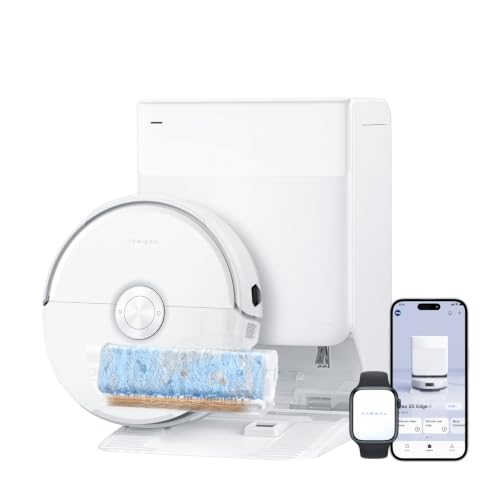
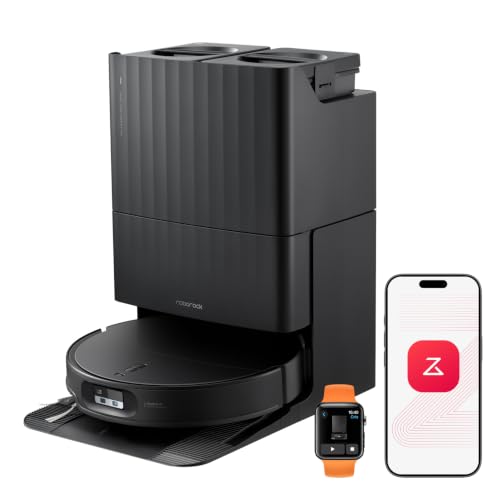
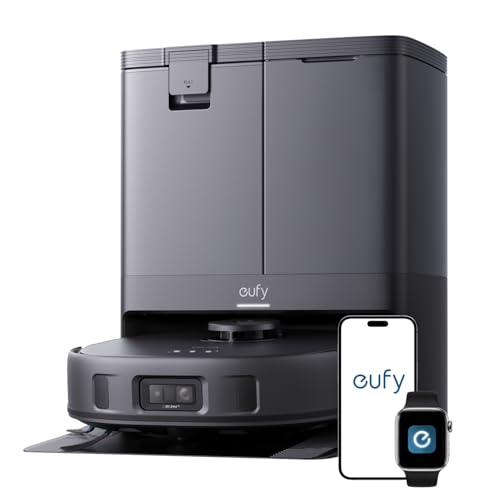
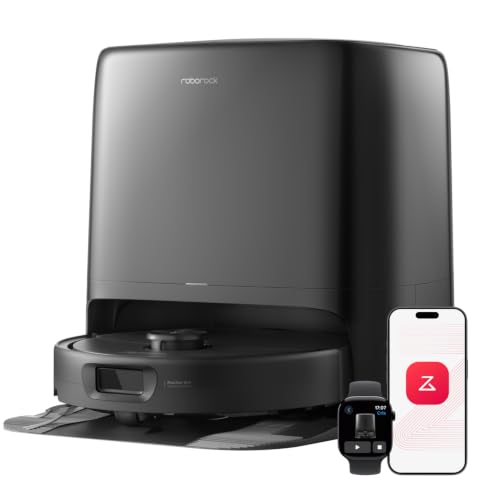
Our Top 3 Picks at a Glance
If you only need the short answer to which robot vacuum is best for hardwood floors, the three picks below cover the main budgets and priorities.
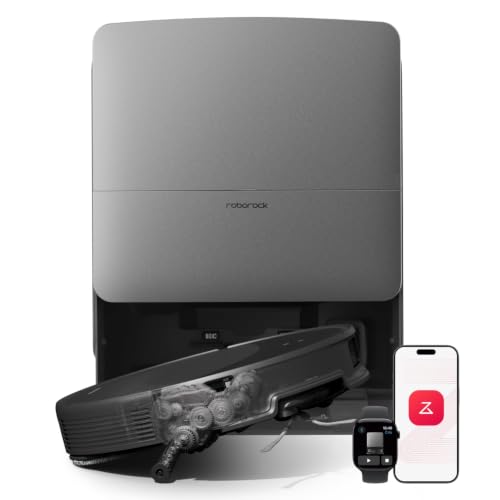
- Best Overall: Roborock Saros 20 Robot Vacuum and Mop (around $1,180). 36,000 Pa suction, an AdaptiLift chassis that climbs high thresholds, a slim body that fits under furniture and a fully automated dock.
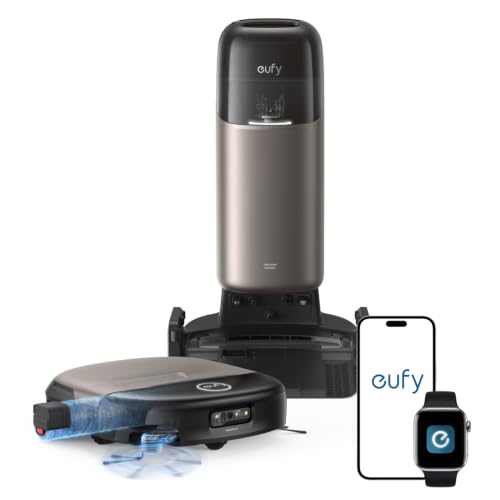
- Runner Up: eufy Robot Vacuum Omni S2 (around $1,400). 30,000 Pa suction, a roller mop cleaned with hot water, electrolyzed water for hard floors and a 12 in 1 self cleaning station.
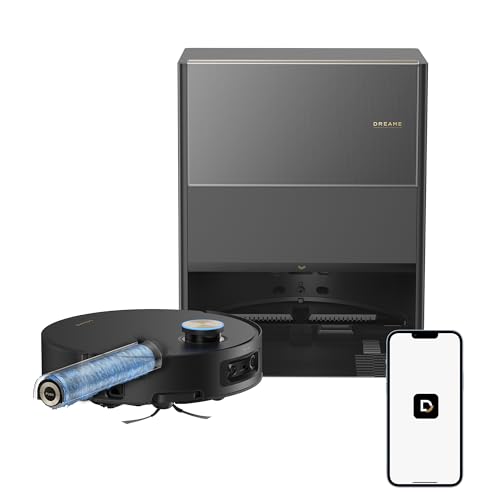
- Best Value: Dreame Aqua10 Ultra Roller Robot Vacuum and Mop (around $900). A roller mop that is continuously fed clean water, 30,000 Pa suction, recognition of 240 plus objects and a dock that auto empties for up to 100 days.
The product table above also lists more options from Roborock, eufy, NARWAL, ECOVACS, iRobot and Shark, including mid range and budget robots that still handle hard floors well.
How We Chose the Best Robot Vacuum for Hardwood Floors
Wood floors reward a particular set of strengths. We looked first at suction and brush design, since fine dust settles in board seams and a tangle free brush keeps working on pet hair. Mopping systems came next: roller mops and pads that are washed in the dock clean wood without soaking it. Navigation, obstacle avoidance and threshold climbing mattered because many hardwood homes mix in area rugs, transitions and plenty of furniture.
Owner feedback rounded out the picture. We favored robots that are well reviewed by a large base of buyers, then weighed price against dock features, app controls and maintenance. Every pick is a current model in stock on amazon.com.
Robot Vacuum for Hardwood Floors Reviews
1. Roborock Saros 20 Robot Vacuum and Mop: Best Overall
- Suction: 36,000 Pa digital motor
- Climbing: AdaptiLift Chassis 3.0 that raises the body over thresholds and double layer steps up to 3.46 inches
- Height: ultra slim design that cleans under furniture as low as 3.13 inches
- Navigation: StarSight Autonomous System 2.0 with 3D ToF sensors and an RGB camera, avoiding 300 plus obstacle types
- Brushes: dual anti tangle system; FlexiArm side brush and mop for edges and corners
- Dock: fully automated RockDock with a one piece cleaning tray and hot water mop washing
Why We Picked It
For pet hair homes wanting flagship suction and climbing, the Saros 20 is the robot to beat. Its 36,000 Pa motor pulls dust, hair and debris from deep floor gaps, which matters on hardwood where fine grit hides in the seams between boards. A dual anti tangle system handles hair buildup automatically, so you are not cutting fur off the brush every week.
The AdaptiLift Chassis 3.0 is a big advantage in real homes. Many wood floored houses have raised thresholds, door saddles and thick rugs that stop ordinary robots. The Saros 20 raises its body to glide over obstacles and double layer steps up to 3.46 inches, then lowers again to keep suction strong. At the same time, its slim profile lets it slip under sofas and beds as low as 3.13 inches, where dust and pet hair collect out of sight.
Navigation is excellent. StarSight 2.0 uses 3D time of flight sensors and an RGB camera to map rooms in real time and recognize more than 300 types of obstacles, from cords to pet toys. FlexiArm technology extends the side brush and mop into corners and along baseboards, where hardwood edges tend to collect dust. The RockDock handles maintenance automatically, washing the mop with hot water so it does not leave dirty streaks on the next run.
The Roborock app ties it together with SmartPlan 3.0, which learns your home and routines, plus voice control and the ability to check on pets through the built in camera. For anyone asking what is the best robot vacuum for hardwood floors with no compromises, this is our answer.
Pros
- Outstanding pet hair and dust pickup
- Strong climbing over thresholds and rugs
- Slim enough for low furniture
- Excellent coverage and obstacle avoidance
- Fully automated dock
Cons
- Small onboard dustbin, typical of slim robots
- Battery life could be longer in large homes
- Premium price
Who Should Buy It
Choose the Saros 20 if you have pets, mixed hardwood and rugs, raised thresholds or low furniture, and you want the most capable robot available. At around $1,180, it is a flagship investment that handles almost anything a home throws at it.
2. eufy Robot Vacuum Omni S2: Runner Up
- Suction: 30,000 Pa with 100 AW airflow
- Mopping: roller mop cleaned with 140°F water by HydroJet 2.0; electrolyzed water on every pass for hardwood and tile
- Station: 12 in 1 self clean station that auto empties for up to 68 days, washes the mop with hot water, dries it with hot air and dispenses detergent
- Navigation: 3D MatrixEye 2.0, recognizes 200 plus obstacle types and avoids objects as small as 0.4 inches
- Brushes: DuoSpiral main brush and anti tangle side brushes
- Filtration: multi cone 5 layer filtration and a built in fragrance diffuser
Why We Picked It
As a premium choice for hard floors and kitchens, the eufy Omni S2 stands out for its mopping. Instead of a flat pad that drags dirty water around, it uses a roller mop that the HydroJet 2.0 system cleans with 140°F water. It also generates electrolyzed water on each pass, which eufy says kills 99.99% of bacteria on hardwood and tile, making it a strong daily stain remover for kitchens and entryways.
Vacuuming is just as strong. AeroTurbo 2.0 delivers 30,000 Pa suction with 100 AW of airflow, and the DuoSpiral main brush with anti tangle side brushes is designed to prevent hair wrap. Multi cone 5 layer filtration traps dust, pollen and pet dander, which helps keep the air cleaner in hard floor homes where dust easily becomes airborne.
The 12 in 1 station automates almost everything. It empties the robot's bin for up to 68 days, washes the mop with hot water, dries it with hot air and dispenses detergent. 3D MatrixEye 2.0 navigation customizes cleaning by room type, recognizes more than 200 obstacle types and avoids objects as small as 0.4 inches. It detects surfaces, boosts suction on carpet and lifts its chassis on thick rugs, so it moves between wood and rugs without fuss. In the app, you can set no go zones, carpet boost and room schedules, which makes it a strong pick for the best app controlled robot vacuum for hardwood floors.
Pros
- Outstanding hard floor mopping with a rinsed roller
- Very strong suction and airflow
- Fully automated maintenance station
- Anti tangle brushes and strong filtration
- Smart surface detection
Cons
- Premium price
- Large dock footprint
- Lower threshold climbing than the Saros 20
Who Should Buy It
Buy the eufy Omni S2 if your home is mostly hardwood and tile, you want mopping that truly cleans kitchens and entries, and you prefer a station that handles nearly all maintenance. At around $1,400, it is a premium robot built for hard floor homes.
3. Dreame Aqua10 Ultra Roller Robot Vacuum and Mop: Best Value
- Mopping: AquaRoll roller mop continuously sprayed with clean water while dirty water is collected; FluffRoll module keeps the roller clean
- Carpet care: AutoSeal roller guard closes and the chassis lifts 0.55 inches on carpet
- Climbing: FlexRise air suspension tackles obstacles up to 3.15 inches
- Suction: 30,000 Pa Vormax with HyperStream detangling DuoBrush
- Navigation: OmniSight 2.0 with an auto retracting LDS sensor and binocular vision, avoids 240 plus objects
- Dock: PowerDock auto empties for up to 100 days, washes the roller at 212°F, hot air dries it and refills water and solution
Why We Picked It
Hard floor homes with clutter and cords need a robot that sees obstacles clearly and mops without leaving puddles. The Dreame Aqua10 Ultra Roller does both at a lower price than our other picks. Its OmniSight 2.0 system combines an auto retracting LDS sensor with binocular navigation to identify and avoid more than 240 objects, from charging cables to slippers, so it is less likely to get tangled or push things around.
The AquaRoll mopping system is ideal for wood. Clean water is sprayed continuously onto the roller while dirty water is collected, so the floor is always wiped with fresh water rather than a dirty pad. A FluffRoll module spins behind the roller to keep it clean, which helps on board seams. Because the roller uses a controlled amount of water, it is gentler on sealed wood than robots that soak a pad.
When it reaches a rug, an AutoSeal guard closes over the roller and the chassis lifts 0.55 inches to keep carpet dry. FlexRise air suspension handles thresholds and transitions up to 3.15 inches. Suction reaches 30,000 Pa, and the HyperStream DuoBrush is designed to detangle hair. The PowerDock auto empties for up to 100 days, washes the roller at 212°F, dries it with hot air and refills water and solution, so routine care is minimal. For buyers comparing the best lidar robot vacuum for hardwood floors under $1,000, it is hard to beat.
Pros
- Excellent roller mopping on hard floors
- Top tier obstacle avoidance
- Controlled water use, kind to wood
- Long auto empty capacity
- Lower price than other flagship robots
Cons
- Thorough cleaning runs can be slow
- Battery drains faster with heavy mopping
- Smaller owner review base than older models
Who Should Buy It
Pick the Aqua10 Ultra Roller if you have mostly hardwood with some rugs, a busy home with cords and clutter, and you want flagship style mopping for less. At around $900, it is the best value of our top picks.
What Hardwood Floors Need from a Robot Vacuum
Hardwood is durable, but its finish can scratch, dull or swell if treated poorly. A good robot protects the floor while it cleans.
Soft roller heads that will not scratch
Stiff bristle brushes are made for carpet. On wood, they can fling debris and, if grit gets trapped, leave fine scratches. Rubber or combined rubber and bristle brushes are gentler and less likely to tangle. Side brushes should sweep debris toward the robot, not spray it across the room, so look for designs with good edge cleaning and anti tangle features.
Rubber wheels and gentle mopping
Robots move across your floors every day, so wheels and bumpers matter. Rubber tread wheels grip without marking, and soft bumpers protect furniture legs. For mopping, controlled water flow is key: rollers that are rinsed constantly or pads that are washed in the dock clean without soaking the wood. Excess water can seep into seams and damage boards over time.
Sealed vs unsealed wood care
Most modern hardwood is sealed with polyurethane or a similar finish and handles light damp mopping. Unsealed, waxed or oiled floors are more delicate and should only be vacuumed, not wet mopped. If you are not sure, place a drop of water on the floor; if it beads, the floor is sealed. You can turn off mopping in the app for rooms with delicate wood.
A little setup helps any robot do its best work on wood. Pick up loose cords and socks before the first few runs, tuck rug tassels under the rug and place the dock on a hard, level spot with clear space on each side. After the robot builds its first map, add no go zones around pet bowls and plant stands, and set lower water flow for wood rooms. Those few minutes of setup lead to cleaner floors and fewer rescues.
How to Choose the Best Robot Vacuum for Hardwood Floors
Use these factors to find the best robot vacuum for hardwood floors for your home, budget and cleaning habits.
Suction Power (Pa) and Brush Design
Suction is measured in pascals. On hardwood, even moderate suction picks up surface debris, but higher suction helps with fine dust in board seams and with rugs. Flagship robots now reach 30,000 Pa or more. Brush design matters as much as suction: anti tangle brushes keep working on hair, and rubber brushes are gentle on wood.
Navigation: LiDAR, Camera and Obstacle Avoidance
LiDAR and LDS sensors map rooms accurately, even in the dark, while cameras and 3D sensors identify obstacles like cords, socks and pet waste. The best robots combine both. Good obstacle avoidance prevents tangles and messes, and accurate mapping lets you clean specific rooms. If you want the best mapping robot vacuum for hardwood floors, prioritize multi floor maps and room recognition.
Self Emptying and Self Cleaning Docks
Self emptying docks empty the robot's bin into a larger bag or container, often for weeks at a time. Self cleaning docks wash and dry the mop, refill water and dispense detergent. Together they make a robot nearly hands free. Check dock size, since full featured docks take up floor space.
Mopping System and Carpet Detection
Roller mops and rotating pads clean better than simple drag pads, especially when the dock washes them with hot water. Carpet detection is essential in mixed homes: the robot should lift its mop or avoid rugs when mopping. Adjustable water flow lets you use less water on wood.
Battery Runtime and Recharge and Resume
Larger homes need longer runtime or recharge and resume, where the robot charges and then continues where it stopped. Mopping and high suction drain batteries faster, so check runtime in the modes you plan to use. Smaller homes can choose more freely.
App, Mapping and Smart Home Features
Apps let you set schedules, no go zones, room specific settings and suction or water levels. Voice assistant support and camera features add convenience. Look for apps that are easy to use and receive regular updates. If you also have lots of carpet, compare our guide to the best robot vacuum for carpet.
Height, Threshold Climbing and Noise
Measure the space under sofas and beds; slim robots clean where dust hides. Threshold climbing matters if you have door saddles or thick rugs. Quieter robots are easier to run while you are home, and many offer quiet modes for night cleaning. Pet owners can find more advice in our guide to the best robot vacuum for pet hair.
FAQs About Robot Vacuums for Hardwood Floors
Can a robot vacuum be used for dark hardwood floors?
Yes. Dark hardwood shows dust and hair quickly, so daily robot cleaning keeps it looking tidy. Some older robots had trouble with very dark floors confusing cliff sensors, but modern models with LiDAR and better sensors handle them well. Choose a robot with good mopping control to avoid streaks on dark finishes.
How long does a robot vacuum last?
A quality robot vacuum often lasts several years. Batteries, brushes, filters and mop pads wear over time and can usually be replaced. Keeping sensors clean, emptying the bin, removing hair from brushes and following the maintenance schedule in the app all help extend its life.
Is a robot vacuum worth the money?
For many homes, yes. A robot keeps hardwood floors clean every day with almost no effort, which reduces dust, pet hair and grit that can scratch wood. It does not replace occasional deep cleaning, but it saves a lot of time. For a closer look, read our guide on is a robot vacuum worth it.
How much should I spend on a robot vacuum?
Basic robots for small hard floor homes start around $150 to $300. Mid range models with LiDAR mapping and self emptying docks typically cost $300 to $700. Flagship robots with advanced mopping, obstacle avoidance and fully automated docks range from about $800 to $1,500. Choose based on home size, pets and how much maintenance you want to avoid.
How do I maintain a robot vacuum?
Empty the bin or dock bag as needed, clean the filter and remove hair from brushes. Wipe the sensors and charging contacts regularly. For mopping robots, clean or replace mop pads or rollers and refill water and solution. Replace filters, brushes and pads according to the schedule in the app.
Final Verdict
For most homes, the best robot vacuum for hardwood floors is the Roborock Saros 20. It combines 36,000 Pa suction, excellent obstacle avoidance, a slim body and strong climbing ability with a fully automated dock. If mopping is your priority, the eufy Omni S2 adds a hot water rinsed roller mop and electrolyzed water for kitchens and entries. And for the best value, the Dreame Aqua10 Ultra Roller brings roller mopping and top tier obstacle avoidance for less. For more general picks, see our guide to the best robot vacuum, compare retailers in where to buy a robot vacuum, and check today's price on Amazon before you buy.


