
Top 3 Sprinkler Systems for Vegetable Gardens in 2026: Honest Reviews and Buying Advice
Disclosure: We may earn a commission when you buy through links on this page, at no extra cost to you. As an Amazon Associate I earn from qualifying purchases. Learn more

Drip grids, drip kits and smart hose timers that keep crops evenly watered: our picks for the best sprinkler system for vegetable gardens.
Tomatoes split, lettuce bolts and peppers drop their blossoms when watering swings between flood and drought, and hand watering every evening is hard to keep up through a hot July. The best sprinkler system for vegetable gardens delivers steady moisture at soil level, keeps leaves dry to limit disease and runs on a schedule even when you are away. We compared current drip grids, drip kits and smart timers on features, verified owner ratings on Amazon, expert growing advice and overall value.
Our top three are the Garden Grid 3x8 pre assembled bed irrigation kit, the Rain Bird DRIPKITBAG drip kit as the value pick, and the Rachio Smart Hose Timer to put either one on autopilot.



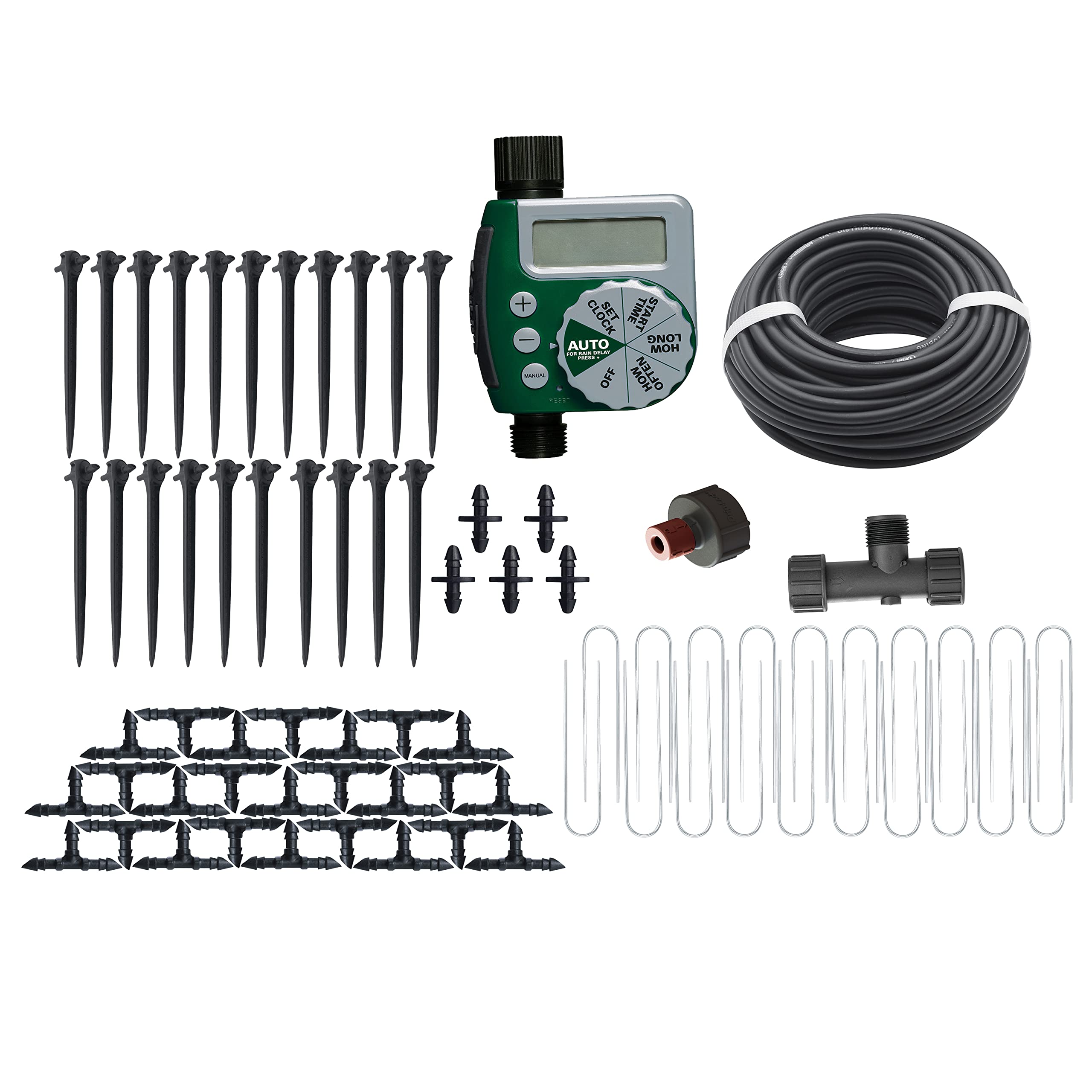
Our Top 3 Picks at a Glance
- Best Overall: Garden Grid 3x8 Garden Irrigation Kit for Raised Beds (around $145). A pre assembled grid that waters every square of a 3x8 bed evenly in about two minutes of setup.
- Best Value: Rain Bird DRIPKITBAG Drip Irrigation Kit (around $35). 102 pro grade drip parts with pressure compensating emitters for rows, beds and borders.
- Runner Up: Rachio Smart Hose Timer with WiFi Hub (around $100). App controlled faucet timer with rain skips and flow alerts that automates any hose fed garden.
How We Chose the Best Sprinkler System for Vegetable Gardens
We focused on how well each product waters food crops at the root zone, then weighed owner ratings and review volume, price against features, build quality and warranty, and current availability on amazon.com. Because most vegetable plots run off a hose rather than buried pipe, we gave extra weight to products that work from a standard outdoor faucet.
Sprinkler System for Vegetable Gardens Reviews
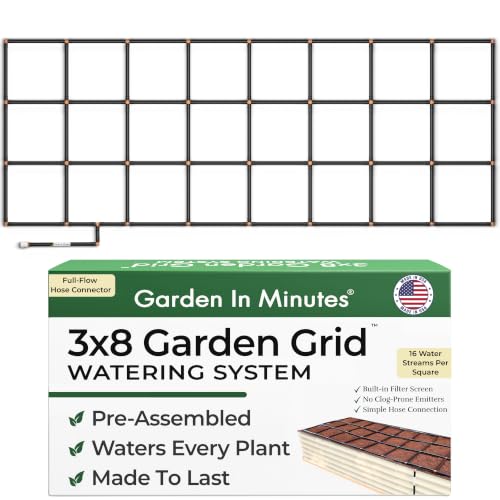
1. Garden Grid 3x8 Garden Irrigation Kit for Raised Beds: Best Overall
- 24 grid squares, each with 16 streams for soil level watering
- Pre assembled, connects to a standard garden hose
- No cutting tubing, punching holes or placing emitters
- UV resistant LLDPE tubing and POM fittings
- 33.5 x 88 in grid fits most 3x8 beds and doubles as a square foot spacing guide
Why We Picked It
The hardest part of drip irrigation in a vegetable bed is laying out lines and emitters so every plant gets water. The Garden Grid skips that step. You set the grid on the soil, connect a hose and every one of the 24 squares gets its own set of streams, so carrots in one corner get the same moisture as squash in the other.
Watering at soil level keeps foliage dry, which matters for crops prone to leaf diseases. The grid also works as a square foot gardening guide, a nice bonus when you plan spacing each spring. The maker notes that grids from years ago are still in use, and there are no clog prone emitters to replace.
Pros
- Even coverage across the whole bed
- Setup in minutes with no tools
- Durable UV resistant materials
Cons
- Sized for 3x8 beds, so other shapes need a different grid
- Timer sold separately
Who Should Buy It
Gardeners with 3x8 raised beds or ground level plots who want the easiest possible path to even, automatic watering. It sells for around $145.

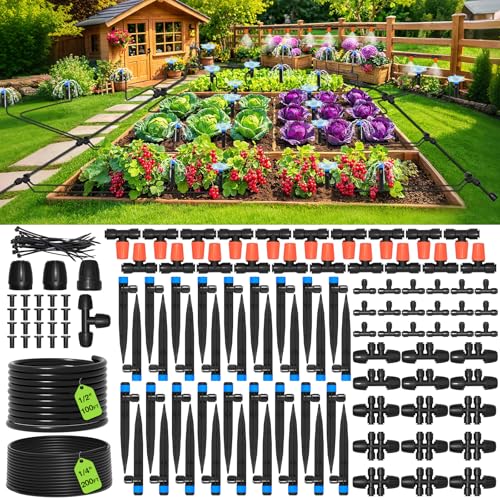
2. Rain Bird DRIPKITBAG Drip Irrigation Kit: Best Value
- 102 professional grade universal drip parts
- 100 ft of self dispensing 1/4 in distribution tubing
- Pressure compensating, self piercing emitters in 0.5, 1.0 and 2.0 GPH
- Emitter installation and removal tool included
- Stakes, barbed couplers, tees and plugs in a storage pouch
Why We Picked It
Vegetable gardens rarely fit a neat grid. Rows of beans, a tomato cage here and a pepper patch there all need water in different amounts, and this Rain Bird kit gives you the parts to build exactly that. Three emitter flow rates let you give thirsty tomatoes 2.0 GPH while seedlings get a gentle 0.5 GPH.
Pressure compensating emitters keep output even along the line, so plants at the far end of a row are not shortchanged. The included install tool makes punching and fitting emitters much easier on the hands, which beginners will appreciate. It is a DIY drip setup for beds and borders at a very low price.
Pros
- Even output from pressure compensating emitters
- Quality fittings from a major irrigation brand
- Beginner friendly with the install tool
Cons
- Timer sold separately
- Only 1/4 in tubing included, so large gardens need a separate mainline
Who Should Buy It
Budget minded growers who want to build a custom drip layout for rows, containers or mixed beds. It costs around $35.

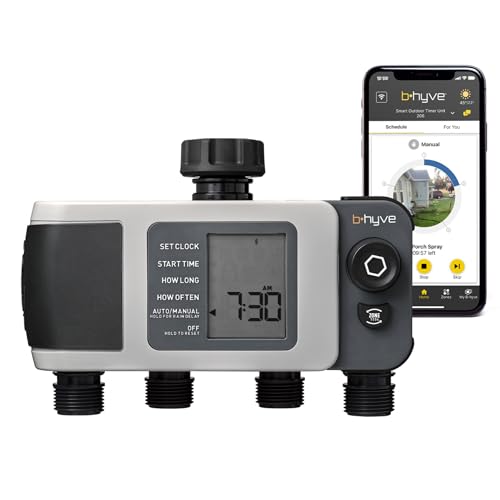
3. Rachio Smart Hose Timer with WiFi Hub: Runner Up
- App controlled faucet timer, 1 valve plus WiFi hub
- Up to 8 hose valves per hub
- Rain skips when rain is forecast
- Flow monitoring and low battery alerts
- Works with Alexa, Google Home and IFTTT
Why We Picked It
A drip grid or kit only pays off if it runs on schedule, and that is where a smart hose timer comes in. The Rachio timer screws onto your faucet, runs the garden from the app and skips watering when rain is on the way. Vegetables like consistent moisture, and automation keeps that rhythm going through busy weeks and vacations.
Flow monitoring warns you about problems such as a popped fitting, which can otherwise drain water for hours. If you add more beds later, one hub handles up to eight valves, so the system grows with the garden. A built in button also lets you start a quick run without opening the app.
Pros
- Rain skips save water automatically
- Flow alerts catch leaks early
- Expandable to 8 valves
Cons
- Battery powered valve needs fresh batteries
- Hub must sit within range of the faucet and your router
Who Should Buy It
Anyone running drip lines or soaker hoses off an outdoor faucet who wants hands free, weather aware watering. It sells for around $100.

Using a Sprinkler System in a Vegetable Garden
Food Safe and Plant Friendly Choices
Drip lines and grids deliver water to the soil instead of the leaves, which helps limit fungal problems on tomatoes, squash and cucumbers. Overhead spray wets foliage and splashes soil onto lower leaves.
Rows, Beds and Seasonal Tasks
Raised beds suit grids, while long rows suit drip tubing with emitters at each plant. Our best sprinkler system for raised beds guide covers bed kits in more depth.
Efficiency Through the Season
Seedlings need short, frequent watering, while established crops prefer deeper, less frequent soaks. A timer makes that seasonal shift a two minute app change.
How to Choose an Irrigation Setup for Your Vegetable Plot
Before buying, sketch the garden and note where the faucet is, how many beds or rows you have and which crops need the most water. Our step by step guide on how to choose a sprinkler system explains the basics, and the points below apply specifically to food gardens.
Drip Irrigation vs Sprinklers
For vegetables, drip almost always wins. It puts water at the roots, wastes less to evaporation and keeps leaves dry. Sprinklers still have a place for starting seed beds or watering a dense patch of greens. When people ask which sprinkler system is best for vegetable gardens, the usual answer is drip on a timer.
Smart Controller and Weather Skip
A timer with rain skips stops the garden from getting soaked twice after a storm, which helps prevent root rot and split fruit. App control also lets you adjust run times as plants grow.
Zones and Coverage
Group crops with similar needs. Tomatoes, peppers and squash can share a zone, while herbs and lettuce may need a separate, gentler one. Multi valve hubs or extra timers make that easy.
Water Pressure and Flow
Drip parts work best at reduced pressure, so many setups use a pressure regulator and filter at the faucet. Pressure compensating emitters keep output even on long rows or slight slopes.
Installation Difficulty
Pre assembled grids are the easiest, followed by quick connect kits. Custom drip layouts take an afternoon, while an in ground controller requires existing valves and wiring.
FAQs About Sprinkler Systems for Vegetable Gardens
Can a sprinkler system be used for vegetable gardens?
Yes, and a drip based system is one of the best upgrades a vegetable grower can make. It keeps soil moisture steady, which reduces problems like blossom end rot and cracked fruit. Overhead sprinklers also work but wet the leaves, so drip lines or soil level grids on a timer are usually the better choice for food crops.
How long does a sprinkler system last?
Drip tubing typically lasts several seasons, longer if you bring it in or protect it from strong sun. Quality fittings and grids made from UV resistant plastic last longer still. Timers often need replacing sooner than the tubing. For the cost side, read our answer to is a sprinkler system worth it.
Is a sprinkler system worth the money?
For most vegetable gardens, yes. Even watering means better yields and fewer problems, and automation saves time every day of the season. Drip kits are inexpensive, so the investment is small compared with the value of the harvest it protects.
How much should I spend on a sprinkler system?
A basic drip kit runs around $35 to $70, pre assembled grids sit around $75 to $150 depending on size, and smart hose timers cost about $80 to $150. Many gardens need only a kit plus one timer.
How do I maintain a sprinkler system?
Flush drip lines at the start of each season, clean the faucet filter, check emitters for clogs and replace timer batteries yearly. Drain lines and bring timers indoors before the first hard freeze.
Final Verdict
The Garden Grid 3x8 is our top pick for raised beds, the Rain Bird DRIPKITBAG is the value choice for custom rows and borders, and the Rachio Smart Hose Timer automates either one. To find the best sprinkler system for vegetable gardens for your plot, check today's price on Amazon, and see our overall best sprinkler system list or our best sprinkler system for flower beds picks for the rest of the yard.


