
Is a Sprinkler System Worth It? Honest Pros, Cons and Verdict (2026)
Disclosure: We may earn a commission when you buy through links on this page, at no extra cost to you. As an Amazon Associate I earn from qualifying purchases. Learn more
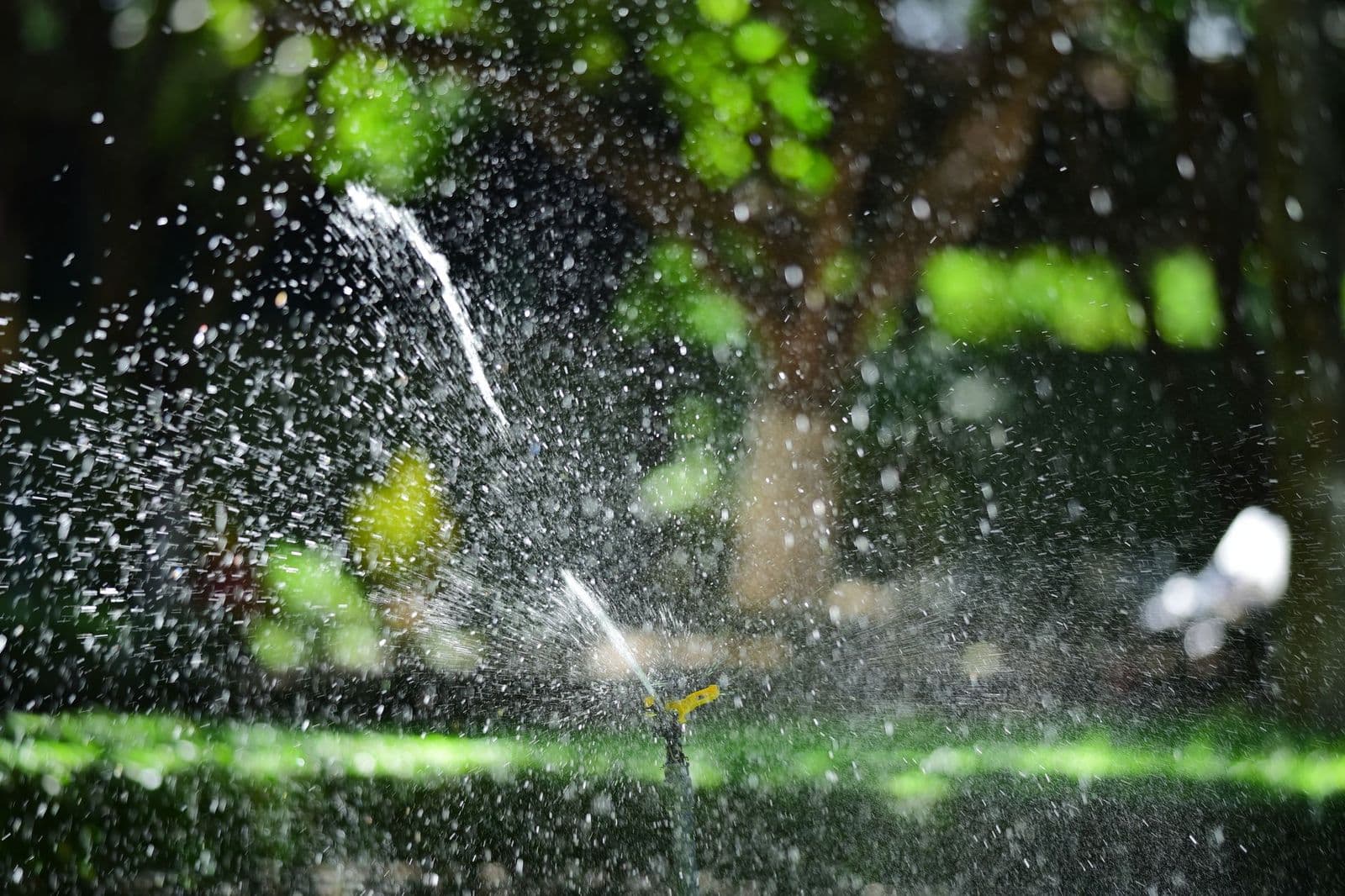
Is a sprinkler system worth it for your yard? Costs, benefits, drawbacks and cheaper alternatives, explained in plain terms.
For most homeowners with a lawn or garden they water regularly, the answer to is a sprinkler system worth it is yes. Even a simple DIY system with a timer saves hours of hand watering each season, delivers water more evenly and helps avoid waste. A full in ground system costs far more, so it pays off mainly for larger lawns in dry climates or for owners who plan to stay put for years.
This guide breaks down what you get at each price, the real benefits and drawbacks, who should buy one, what it costs to own over time and the alternatives worth a look before you decide.
What You Get for the Money
Sprinkler systems cover a wide price range. At the low end, around $40 to $80, you get above ground setups: an oscillating or rotary sprinkler connected to a garden hose, often paired with a mechanical or digital hose timer. These are easy to move and need no digging, which makes them ideal for renters and small yards.
In the middle, around $100 to $250, you find DIY kits with multiple sprinkler heads, tubing and a programmable controller, plus drip irrigation kits for beds and vegetable gardens. Many owners add a smart sprinkler controller at this level, which connects to Wi-Fi, follows a watering schedule and can skip cycles when rain is forecast.
Professionally installed in ground systems are a different category. They use buried pipes, valves and pop up heads split into zones, and the total can reach several thousand dollars depending on lawn size, soil and local labor costs. For a fuller breakdown, see our guide on how much does a sprinkler system cost.
Benefits of Owning a Sprinkler System
The biggest benefit is time. Once a timer or controller is set, watering happens on its own, early in the morning when evaporation is low, even when you are at work or on vacation. That consistency is exactly what lawns and gardens need to grow deep roots and stay green through hot spells.
Even coverage is the second advantage. A well planned system spreads water more evenly than a person holding a hose, which reduces dry patches and soggy spots. Drip lines go further by putting water right at the roots of shrubs, flowers and vegetables, so less is lost to wind and runoff.
Water savings can be real, too. Smart controllers adjust to weather and seasons, so you are not watering a lawn that just got a soaking rain. Many towns also limit watering to certain days or hours, and a programmable system makes it easy to follow those rules.
Finally, there is the value of a healthy yard. A lush lawn and thriving beds improve curb appeal, and an in ground system can be a selling point for buyers in dry regions. That is one more reason why buy a sprinkler system if you plan to sell in a few years.
Drawbacks to Consider
Cost is the main hurdle for in ground systems. Professional installation is a major home project, and adding zones later costs extra. DIY kits are cheaper but take planning and a weekend of work.
Maintenance is the second drawback. Heads clog, get hit by mowers or tilt out of alignment, and valves can leak. In cold climates, in ground systems need to be drained or blown out each fall to avoid freeze damage, which many owners pay a pro to handle.
Overwatering is easier than you might think. A badly set timer can waste water, encourage fungus and shallow roots, and push your water bill up. Above ground setups have their own limits: hoses across the lawn, uneven coverage at the edges and sprinklers you must move between areas.
Lastly, a sprinkler system does not suit every yard. Very small lawns, steep slopes and gardens of mostly native, drought tolerant plants may not need one at all.
Who Should Buy One (and Who Should Skip It)
A sprinkler system makes the most sense if you have a medium or large lawn, live in a hot or dry climate, travel often in summer or simply do not want to stand outside with a hose. Gardeners with raised beds or vegetable plots benefit from drip kits that water gently at the soil line; see our picks for the best sprinkler system for raised beds and the best sprinkler system for flower beds.
Homeowners planning to stay several years get the most value from a permanent system, while renters are better off with portable sprinklers and a hose timer they can take with them.
You can probably skip a full system if your yard is tiny, you get regular rain through the growing season, or your landscaping is built around plants that need little extra water. In those cases, a single good sprinkler and a timer cover the occasional dry spell. Not sure which style fits? Our guide on how to choose a sprinkler system walks through the options step by step.
Cost of Ownership Over Time
Beyond the purchase price, plan for replacement heads, nozzles, drip emitters and the occasional valve or fitting. These parts are usually inexpensive individually, but they add up over several seasons.
Power costs are small. Controllers and timers use very little electricity, and battery hose timers need fresh batteries once or twice a year. Water is the bigger ongoing cost, and it depends on your local rates and how well the schedule is tuned.
In ground systems in cold regions also need yearly winterizing and a spring startup check. Doing it yourself saves money if you have the tools; otherwise budget for a service call each year. A smart controller can offset part of these costs by cutting wasted watering.
Alternatives Worth Considering
If a full system feels like too much, start smaller. A quality oscillating or impact sprinkler on a hose with a digital timer handles many lawns for a fraction of the price. Soaker hoses and drip kits suit beds and vegetable gardens and are easy to install. Watering cans and wands still make sense for containers and balconies. Finally, replacing thirsty lawn areas with mulch, ground covers or native plants reduces the need for watering altogether.
Our Verdict: Is a Sprinkler System Worth It?
For a medium or large lawn, regular summer heat and owners who value their time, a sprinkler system is worth it, especially a DIY kit or above ground setup paired with a smart controller. A professionally installed in ground system is worth the bigger spend mainly for larger properties in dry climates and owners who plan to stay. Small yards and rainy regions can get by with a portable sprinkler and a timer.
Frequently Asked Questions
Is a sprinkler system worth buying?
Yes for most lawns that need regular watering. So is a sprinkler system worth buying if your yard is small? Probably not a full in ground setup, but a portable sprinkler with a hose timer still saves time. Larger lawns in dry climates benefit most from automated, zoned systems.
How long does a sprinkler system last?
Buried pipes in a well installed in ground system can last many years, while heads, nozzles and valves wear out sooner and are replaced as needed. Portable hose sprinklers and timers have shorter lives, often a few seasons, depending on build quality and how they are stored over winter.
What is the best sprinkler system to buy?
It depends on your yard. Hose end sprinklers with a timer suit small lawns, DIY kits and drip systems suit beds and medium lawns, and professional in ground systems suit large properties. Compare current options in our guide to the best sprinkler system picks.
Final Thoughts
So, is a sprinkler system worth it? For most people who water often, yes, as long as the system matches the size of the yard and the local climate. Start with a timer or DIY kit if you are unsure, and see our picks for the best sprinkler system before you buy.


