
How Much Does a Sprinkler System Cost? 2026 Price Guide and What to Expect
Disclosure: We may earn a commission when you buy through links on this page, at no extra cost to you. As an Amazon Associate I earn from qualifying purchases. Learn more

How much does a sprinkler system cost? Typical prices for hose timers, drip kits, smart controllers and smart sprinklers, plus ways to save.
A basic DIY sprinkler setup with a hose timer and a lawn sprinkler costs around $40, a more complete system with a WiFi timer or a drip irrigation kit runs around $70 to $140, and premium smart sprinklers and controllers cost around $250 to $700. So how much does a sprinkler system cost for your yard? It depends mostly on the type of system, how many zones you need and whether you want smart features that adjust to the weather. Professionally installed in ground systems are a separate category priced by local contractors, and they cost many times more than the above ground and hose fed systems covered here.
This guide breaks down typical price ranges, explains what pushes the cost up or down, points out the ongoing expenses many buyers forget, and shares practical ways to save. The prices below are based on current listings for popular timers, drip kits, smart controllers and smart sprinklers sold on Amazon, rounded to make comparison easy.

How Much Does a Sprinkler System Cost in 2026? Average Prices
For most homeowners, the decision comes down to three tiers. Entry level setups automate a single hose. Mid range systems cover several zones or deliver water precisely with drip lines. Premium systems add weather intelligence, app control and enough coverage for a whole yard.
| Tier | Typical price | What you usually get | Best for |
|---|---|---|---|
| Entry level | Around $20 to $40 | A programmable hose timer with rain delay and a rotating or oscillating lawn sprinkler | Small lawns, single garden beds, renters |
| Mid range | Around $50 to $140 | Multi outlet or WiFi hose timers, complete drip irrigation kits, or a smart controller for an existing in ground system | Vegetable gardens, raised beds, several zones |
| Premium | Around $250 to $700 | Smart sprinklers with app control, weather skips and precision zones, or pro grade WiFi controllers | Larger lawns, busy owners, water saving goals |
At the entry level, a programmable timer such as the RAINPOINT single outlet model sells for around $25 and lets you set start times, watering length and frequency, with a rain delay of 24, 48 or 72 hours. Add a rotating lawn sprinkler for around $20 and you have an automatic system for around $40 to $50.
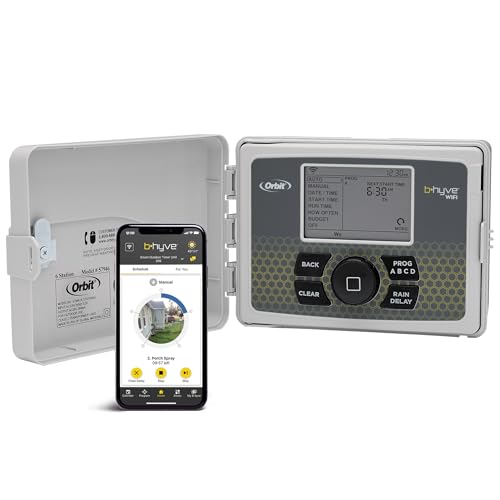
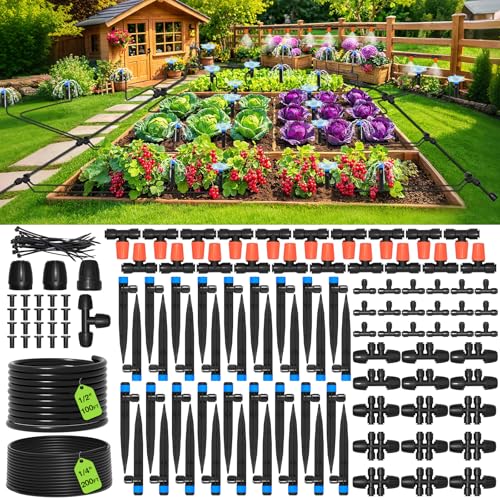
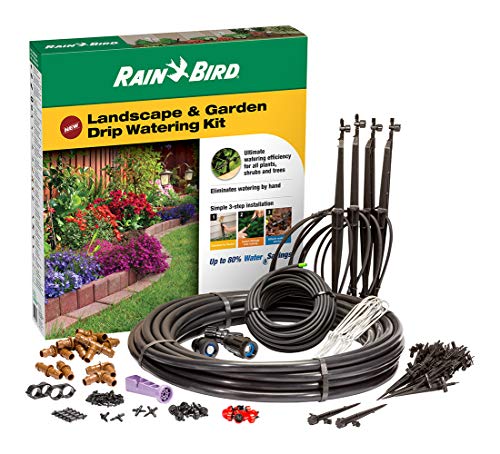
In the middle, complete drip kits from brands like Rain Bird and MIXC sell for around $50 to $70, and WiFi hose timers with two to four outlets cost around $80 to $90. If you already have an in ground system, a smart controller like the Orbit B-hyve 12 zone model costs around $140 and replaces an old dial timer with app scheduling.
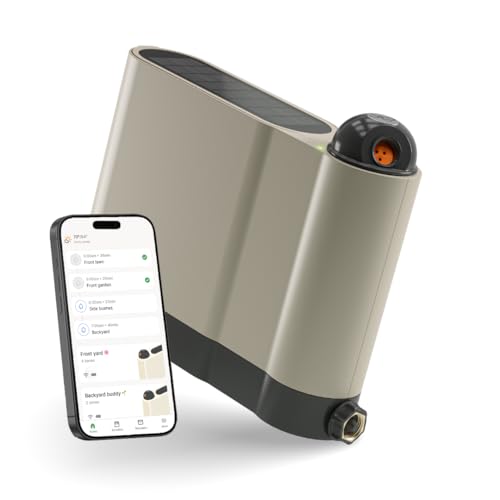
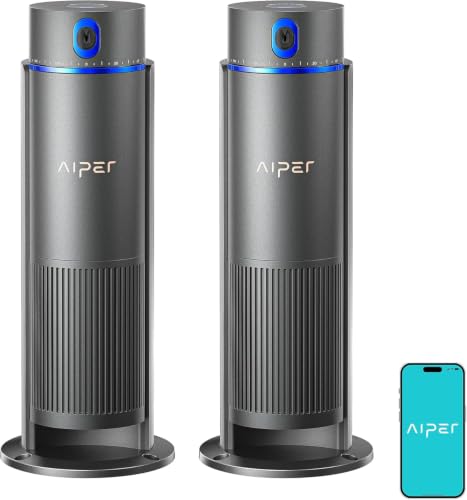
Premium systems start around $250. Smart sprinklers such as the Rain Bird OTO, which runs on solar power, uses weather forecasts to skip watering and covers up to 5,000 square feet from a hose, sell for around $400, while multi zone smart sprinklers from Aiper can reach around $700.
To put those tiers into real yards, here are three common examples. A renter with a small front lawn might spend around $45 on a single outlet timer and one rotating sprinkler, then move them between areas as needed. A homeowner with two raised vegetable beds and a small lawn might spend around $120 on a drip kit for the beds plus a two outlet timer that also runs a lawn sprinkler. A family with a quarter acre lawn, foundation shrubs and flower beds who wants weather based watering might spend around $400 to $700 on one or two smart sprinklers plus a drip kit, or around $140 on a smart controller if an in ground system is already in place.
Those examples show why the honest answer to how much does a sprinkler system cost is a range rather than a single number. The equipment is only part of it; the shape of your yard, the plants you grow and your water supply shape the final bill just as much.
What Affects the Price
Several factors decide where your system lands in those ranges. Understanding them helps you avoid paying for features you will not use, and it is the real answer to how much does a sprinkler system cost for a specific yard.
Drip Irrigation vs Sprinklers
Drip irrigation delivers water slowly at the base of plants through tubing and emitters. Kits are inexpensive, often around $40 to $70, and they waste very little water to evaporation or runoff. They suit vegetable gardens, raised beds, shrubs and containers. If that is your main use, see our picks for the best sprinkler system for raised beds.
Sprinklers spray water over a wide area and suit lawns. A single hose fed sprinkler is cheap, but covering a whole lawn evenly may take several sprinklers, extra hoses and splitters. Smart sprinklers that aim water precisely cost more but reduce overspray on sidewalks and driveways. Many yards end up with a mix: drip for beds and sprinklers for grass.
Sprinkler style matters too. Rotating and impact sprinklers throw water in circles and suit open lawns, oscillating sprinklers cover rectangles, and soaker hoses gently wet narrow beds. Cheap plastic sprinklers can work well for years, while heavy weighted or metal bases cost a little more but stay put and resist wind and kids. Matching the sprinkler pattern to the shape of each area reduces wasted water and the number of units you need to buy.
Smart Controller and Weather Skip
Basic timers run on a fixed schedule, which means they water even on rainy days unless you press the rain delay. Smart controllers and smart sprinklers connect to WiFi, check local forecasts and skip watering when rain or strong wind is expected. That feature adds cost, usually pushing a system from the entry tier into the mid or premium tier, but it can lower water bills over a season.
Smart features also add convenience. You can change schedules from your phone, water a single zone on demand and monitor what ran while you were away. For busy owners or frequent travelers, that alone can justify the extra spend. Some smart models also let you set different schedules for lawns, shrubs and pots, so each area gets the water it needs instead of one fixed program for the whole yard.
Zones and Coverage
A zone is an area watered on its own schedule. A single hose timer handles one zone, multi outlet timers handle two to four, and in ground controllers often manage eight to twelve or more. More zones mean more tubing, sprinklers, valves or outlets, so cost rises with the size and complexity of your yard. A flower bed in shade and a lawn in full sun usually need separate zones, since they use water very differently. Our guide to the best sprinkler system for flower beds covers setups for mixed plantings.
Water Pressure and Flow
Hose fed systems depend on your household water pressure and flow. Low pressure limits how many sprinklers you can run at once and how far they throw, which can force you to buy extra zones or run cycles back to back. Properties that draw from a well or pond may need a booster or sprinkler pump, which can add a few hundred dollars. Check your spigot pressure and flow before buying so the system matches your supply. A simple way to measure flow is to time how long it takes to fill a bucket of known size, then compare the result with the requirements listed by the sprinkler or kit maker. Drip systems often need a pressure regulator and a filter as well, which are usually included in complete kits but sold separately for custom setups.
Hidden and Ongoing Costs
The sticker price of the timer or sprinkler is rarely the whole story. Plan for these extras when budgeting.
- Hoses, splitters and fittings: extra hoses, Y splitters, quick connectors and pressure regulators often add $20 to $60.
- Batteries: many hose timers run on AA batteries that need replacing each season.
- Replacement parts: drip emitters clog, tubing gets nicked by trowels and mowers, and sprinkler heads wear. Budget a little each year for spares.
- Winter protection: in cold climates you need to drain and store timers and hoses before freezing nights, or risk cracked housings.
- Water bills: the biggest ongoing cost is the water itself. A smart schedule that skips rainy days and avoids overwatering can offset some of the system cost.
- Connectivity: WiFi models may need a gateway or a strong signal at the spigot, which can mean buying a hub or extender.
None of these costs are large on their own, but together they can add a noticeable amount to a first season budget. A good rule of thumb is to set aside an extra 20 to 30 percent of the equipment price for fittings, hoses and spare parts in the first year, then a smaller amount each season after that for upkeep.
Is a Cheap Sprinkler System Good Enough?
For many homes, yes. A programmable hose timer and a well placed sprinkler water a small lawn or a vegetable bed reliably, and budget drip kits do an excellent job in raised beds. If your yard is simple, you are home most days and you do not mind adjusting schedules by hand, an entry level system is often all you need.
Cheap systems fall short in a few situations. Large or oddly shaped lawns are hard to cover evenly with one or two sprinklers. Yards with many plant types need several zones. Owners who travel or want to save water will miss weather skipping and app control. Very low budget timers can also be less durable, with plastic threads that leak or controls that fail after a season. Paying a little more for brass fittings and a proven brand is usually worth it, since a leaking timer wastes water every time it runs and can damage the faucet connection over time. If you are still deciding whether to automate watering at all, read is a sprinkler system worth it.
How to Save Money on a Sprinkler System
A few simple strategies can trim the cost without sacrificing results.
- Buy at the right time: watering gear is often discounted at the end of summer and during big seasonal sales, while prices tend to firm up in spring.
- Watch Amazon deals: timers, drip kits and smart controllers frequently drop in price during sale events, so it pays to track the products you want.
- Consider renewed units: refurbished smart controllers and timers can cost noticeably less, but check the warranty that comes with them.
- Choose bundles: complete drip kits include tubing, emitters and connectors that would cost more bought separately.
- Start small and expand: begin with one zone, learn how your yard uses water, then add zones only where needed.
Another easy saving comes from reusing what you already own. Existing garden hoses, sprinklers and splitters can often be paired with a new timer instead of buying a complete kit, and a smart controller can upgrade an old in ground system without replacing pipes or heads.
Planning before you buy is the biggest saving of all. Our guide on how to choose a sprinkler system walks through mapping zones and matching equipment to your water supply.
Frequently Asked Questions
Is it cheaper to buy a sprinkler system online?
Often, yes. Online retailers such as Amazon tend to carry a wider range of timers, drip kits and smart controllers, with frequent deals and verified owner reviews to compare. Local stores can be handy for last minute fittings and in person advice, so many people buy the main components online and pick up small parts nearby. Comparing prices across a few weeks usually reveals a deal.
How long does a sprinkler system last?
Lifespan depends on the components and how well you care for them. Quality hose timers and controllers often last several seasons, while drip tubing and emitters may need partial replacement every few years. Draining and storing parts before winter, cleaning filters and replacing worn washers all help a system last longer.
Final Thoughts
So, how much does a sprinkler system cost? Expect around $40 for a simple timer and sprinkler, around $70 to $140 for drip kits, multi zone WiFi timers or a smart controller, and around $250 to $700 for premium smart sprinklers. Your yard size, number of zones and interest in weather based watering decide which tier fits. When you are ready to compare specific models, see our picks for the best sprinkler system.

