
3 Best Weed Killer Sprayers for Flower Beds for 2026 (Compared and Ranked)
Disclosure: We may earn a commission when you buy through links on this page, at no extra cost to you. As an Amazon Associate I earn from qualifying purchases. Learn more

The best weed killer sprayer for flower beds: a pump free Scotts 2 gallon, the CHAPIN SureSpray 1 gallon and a PetraTools battery backpack.
Weeds in a flower bed grow right next to the plants you want to keep, which makes spraying tricky. A sprayer that mists or drifts can damage roses, perennials and annuals just inches away, and pumping a cheap tank every few seconds makes careful spot treatment a chore. The best weed killer sprayer for flower beds gives you a steady, controllable stream, a wand that reaches between plants and a tank size that matches how much you actually spray.
We compared listed specs, verified owner feedback on Amazon, expert reviews and price against value. Our picks: the Scotts 2 Gallon battery powered sprayer as the best overall for precise, pump free spot spraying, the CHAPIN SureSpray 1 gallon as the best value, and the PetraTools HD3000 battery backpack as the runner up for large beds and borders.

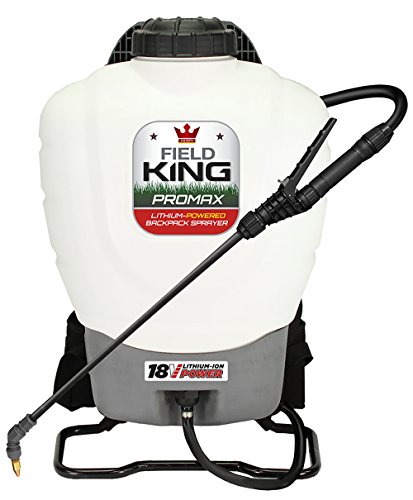
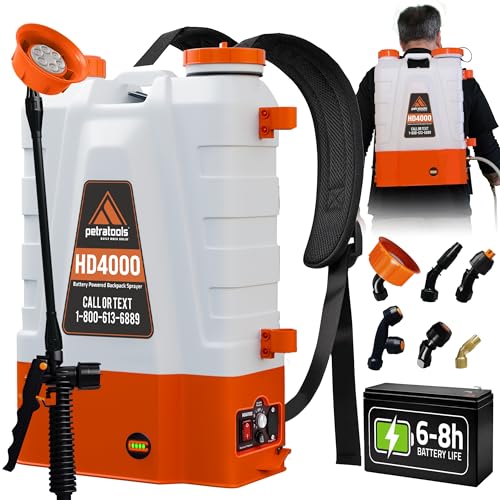


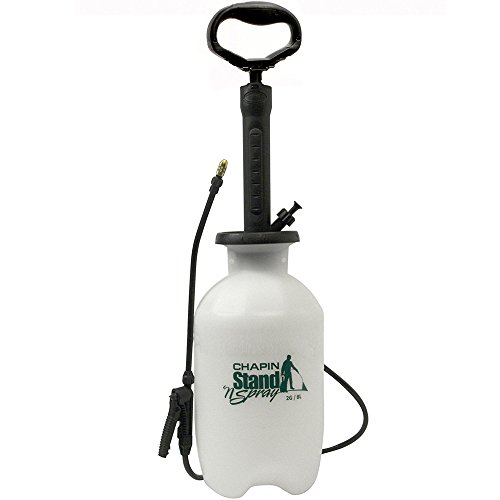

Our Top 3 Picks at a Glance
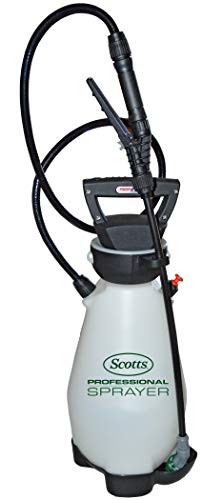
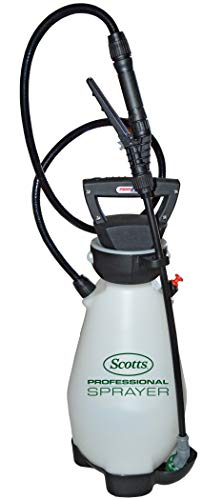
- Best Overall: Scotts 2 Gallon Battery Powered Sprayer, Model 190567 (around $80). No pumping, a 21 inch wand, a lock on shutoff and a 3 in 1 nozzle.
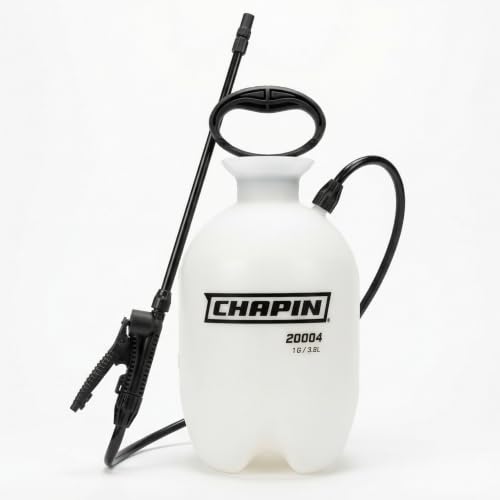
- Best Value: CHAPIN 20004 SureSpray 1 Gallon Pump Sprayer (around $15). A light funnel top tank, an adjustable cone nozzle and a 34 inch hose.
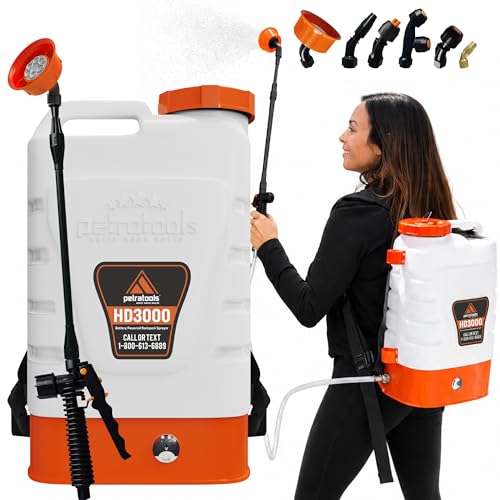
- Runner Up: PetraTools HD3000 3 Gallon Battery Backpack Sprayer (around $180). Up to 2.5 hours per charge, adjustable 40 to 80 PSI and six nozzles.
How We Chose the Best Weed Killer Sprayer for Flower Beds
Flower beds call for precision, so we focused on spray control, nozzle options, wand reach and ease of use around plants. We also weighed owner ratings and review volume, price against features, build quality and current availability on amazon.com.
Weed Killer Sprayer for Flower Beds Reviews
1. Scotts 2 Gallon Battery Powered Sprayer, Model 190567: Best Overall
- Rechargeable lithium ion battery; no pumping
- Sprays up to 12 full tanks per charge
- Commercial grade shutoff with a lock on feature and in line filter
- 21 inch poly wand with Viton seals for chemical resistance
- 3 in 1 nozzle: fan, stream and cone
- Pressure release valve; stable teardrop tank with nozzle storage
Why We Picked It
For flower beds, the Scotts battery sprayer hits the right balance of size and control. You never pump, so pressure stays steady and you can focus on aiming at each weed instead of working a handle. A 2 gallon tank covers a good stretch of beds without the weight of a backpack, and Scotts rates the battery for up to 12 full tanks per charge.
The 3 in 1 nozzle switches between fan, stream and cone patterns. A tight stream is ideal for spot spraying a dandelion tucked beside a hosta, while the fan works along mulched edges. The 21 inch wand reaches into beds without stepping on plants, Viton seals resist chemicals over time, and a pressure release valve lets you open the tank safely.
Pros
- No pumping, steady pressure
- Precise stream setting for spot spraying
- Good tank size for beds
Cons
- Heavier than a 1 gallon pump sprayer when full
- Battery needs charging before use
Who Should Buy It
Choose the Scotts if you spray beds regularly and want easy, precise control without pumping. It costs around $80.
2. CHAPIN 20004 SureSpray 1 Gallon Pump Sprayer: Best Value
- 1 gallon translucent funnel top tank
- Hand pump with an ergonomic handle
- Adjustable cone nozzle from stream to broad spray
- 34 inch hose
- Modular design for easy cleaning and seal replacement
- Made in the USA; 1 year limited warranty
Why We Picked It
For small beds and occasional spot spraying, a simple pump sprayer is all you need, and the CHAPIN SureSpray has a huge base of owner reviews on Amazon. The 1 gallon tank is light and easy to carry along a border, and the translucent funnel top makes refills and level checks quick and spill free.
The adjustable cone nozzle goes from a targeted stream for single weeds to a broad spray for patches along edges. A modular design helps prevent leaks and lets you replace seals rather than the whole sprayer. It is made in the USA and backed by a 1 year limited warranty, all for very little money.
Pros
- Very low price
- Light for spot spraying
- Easy refills and cleaning
Cons
- Small tank
- Needs frequent pumping
Who Should Buy It
Pick the CHAPIN SureSpray if you have small beds or only spray now and then. It costs around $15.

3. PetraTools HD3000 3 Gallon Battery Backpack Sprayer: Runner Up
- 3 gallon tank; battery and charger included
- Runs 2 to 2.5 hours per charge, spraying over 50 gallons
- Adjustable 40 to 80 PSI
- Six nozzle attachments
- Double padded straps and a back pad
- US based support and a satisfaction guarantee
Why We Picked It
If your flower beds wrap around the house or you also spray lawn edges, fence lines and paths, a backpack sprayer saves countless refills. The PetraTools HD3000 carries 3 gallons on your back, runs for 2 to 2.5 hours per charge and can spray over 50 gallons of solution, according to PetraTools.
Adjustable pressure from 40 to 80 PSI lets you turn it down for careful work near flowers and up for broader coverage elsewhere. Six nozzles cover everything from narrow streams to wider fans, and double padded straps with a back pad keep long sessions comfortable. It works for herbicides, fertilizers and pesticides alike.
Pros
- Large capacity with no pumping
- Adjustable pressure
- Comfortable for long sessions
Cons
- More than small beds need
- Heavy when full
Who Should Buy It
Choose the PetraTools HD3000 if you treat large beds and other areas of the yard in one session. It costs around $180.

Using a Weed Killer Sprayer Around Flower Beds
Precision and control
Use a stream or narrow cone setting and spray close to the weed, not from a distance. Lower pressure produces larger droplets that are less likely to drift onto nearby plants.
Work slowly and treat one weed at a time. A short burst that wets the leaves is enough for most products, and soaking the soil wastes herbicide and raises the risk of runoff toward roots you want to protect. In dense plantings, pulling a weed by hand is sometimes the safer choice.
Avoiding damage to plants
Spray on calm, dry days and shield nearby flowers with a piece of cardboard. Read the herbicide label carefully, since some products harm any plant they touch. Use a separate sprayer for weed killer so residue never reaches plants you fertilize.
Edges and mulch
Fan nozzles are useful along bed edges and mulched paths where weeds creep in. Treat young weeds early, before they spread under the mulch.
Mulch itself is your best partner here. A fresh layer two to three inches deep blocks light from weed seeds, so you spray less often and only need to handle the few that push through. Refresh thin spots each spring before weeds get a head start.
How to Choose the Best Weed Killer Sprayer for Flower Beds
Tank Capacity
A 1 gallon tank suits small beds, 2 gallons covers most home landscapes, and 3 to 4 gallon backpacks fit large properties. Our list of the best weed killer sprayer for backyards covers bigger yards.
Battery vs Manual Pump
Battery sprayers keep pressure steady with no pumping, which helps with precise spraying. Manual pump sprayers are cheaper, lighter and never need charging. If you only treat a handful of weeds each week, a pump model is plenty; if you spray beds, edges and paths every weekend, the time saved by a battery model adds up quickly.
Wand Length and Nozzles
A longer wand reaches into beds without stepping on plants. Adjustable or multiple nozzles let you switch from a tight stream to a fan.
Pressure Control
Adjustable pressure helps you reduce drift near flowers. Lower pressure and a coarser spray are safer around desirable plants.
Comfort and Straps
Handheld tanks should have a comfortable handle and stable base. Backpacks need padded straps. For tough, high volume jobs, see the best weed killer sprayer for heavy duty use.
FAQs About Weed Killer Sprayers for Flower Beds
Can a weed killer sprayer be used for flower beds?
Yes, with care. Use a stream setting, low pressure and calm weather to keep herbicide on the weeds. Shield nearby flowers when needed and follow the product label. Our guide on how to use a weed killer sprayer covers technique.
How long does a weed killer sprayer last?
A good sprayer can last several seasons. Seals and nozzles wear first, so models with replaceable parts last longer. Rinsing the tank and wand after each use extends its life.
Is a weed killer sprayer worth the money?
Yes. A dedicated sprayer applies herbicide more precisely than ready to use bottles and costs less per gallon over time.
How much should I spend on a weed killer sprayer?
Manual 1 gallon sprayers cost around $15, battery handheld models about $80, and battery backpacks $150 to $250. Read how to choose a weed killer sprayer to narrow your options.
How do I maintain a weed killer sprayer?
Empty and rinse the tank, then spray clean water through the wand and nozzle. Release pressure before storage, keep it out of direct sun and charge batteries before long storage.
Final Verdict
The Scotts 2 Gallon battery sprayer is our pick as the best weed killer sprayer for flower beds thanks to its pump free pressure and precise stream setting. The CHAPIN SureSpray is the value choice for small beds, and the PetraTools HD3000 suits large landscapes. For more options, see our guide to the best weed killer sprayer and check today's prices on Amazon.


