How Does a Push Lawn Mower Work: A Complete Guide for 2026
Disclosure: We may earn a commission when you buy through links on this page, at no extra cost to you. As an Amazon Associate I earn from qualifying purchases. Learn more

How does a push lawn mower work? The engine, blade, deck, wheels and clipping options explained, plus reel mowers and the main types.
Wondering how does a push lawn mower work? It spins a cutting blade, or a set of reel blades, while you walk it across the lawn. On a rotary push mower, a gas engine, battery motor or electric motor spins a single blade horizontally under a steel or composite deck at high speed, and the blade's sharp edges and lift create airflow that cuts the grass and moves clippings into a bag, back into the lawn as mulch or out the side. A reel mower uses no engine at all: turning the wheels spins curved blades that snip grass against a fixed bar like scissors.
Below, you will learn what a push mower is, how its parts work together, what it does best, the types you can buy, and whether one suits your yard.


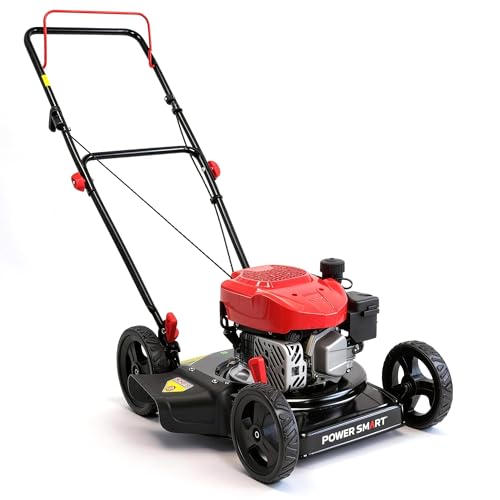
What Is a Push Lawn Mower?
A push lawn mower is a walk behind mower that you move forward with your own effort. The engine or motor powers only the blade, not the wheels. That separates it from a self propelled mower, where the drive system turns the wheels and you mainly steer.
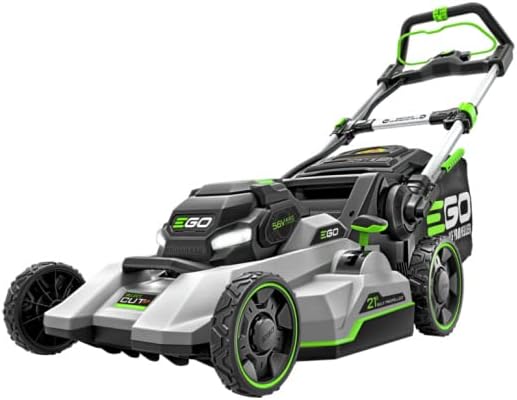
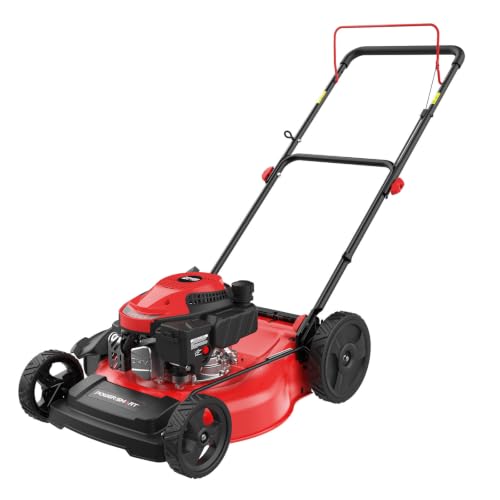
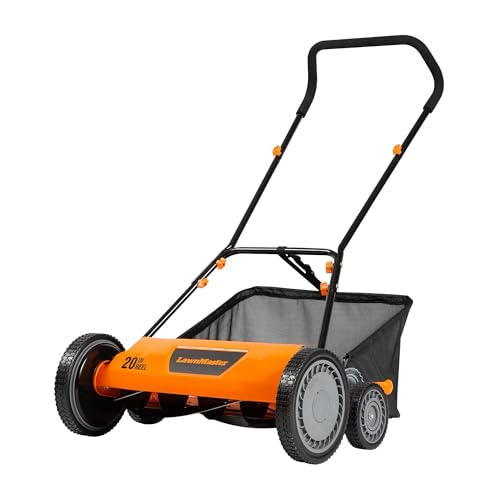
Push mowers are a common choice for small and medium lawns. They come in gas, battery, corded electric and manual reel versions, with cutting widths from about 14 inches on compact reel and battery models to 21 or 22 inches on full size gas and battery mowers. Examples include the PowerSmart 21 inch gas mower with a 144cc engine, the Greenworks 60V 21 inch battery mower and the LawnMaster 20 inch reel mower.
Because they have no drive system, push mowers are lighter, simpler and less expensive than self propelled models, and there are fewer parts to maintain. Many models also fold flat for storage; the PowerSmart gas mower, for example, has a compact foldable design that saves garage space.
How Does a Push Lawn Mower Work?
Rotary push mowers share the same basic parts, and each one has a job.
Power source. A gas mower uses a small four stroke engine; the PowerSmart model, for example, runs a 144cc OHV engine with an auto choke. Battery mowers use an electric motor and a lithium battery, and corded models plug into an outlet. The engine or motor connects directly to the blade through a vertical shaft.
Blade. The blade spins at high speed beneath the deck. Its sharpened ends cut the grass, while the curved wings at the trailing edge create an updraft that stands grass up before cutting and pushes clippings where they need to go. Some battery mowers, like the Greenworks 60V, use dual blades that adjust power for tall or wet grass.
Deck. The deck is the housing around the blade. It guides airflow and clippings, and its width sets how much grass you cut per pass. Steel decks are durable; composite decks resist rust.
Wheels and height adjustment. Wheels carry the deck at a set height above the ground. A lever, often a single lever for all four wheels, raises or lowers the deck to change cutting height, typically from about 1.5 to 4 inches.
Clipping management. A rear bag collects clippings, a mulching plug keeps them under the deck to be cut finer and dropped back on the lawn, and a side chute discharges them to the side. Many mowers offer all three as a 3 in 1 design.
Reel mowers work differently. A cylinder of curved blades spins as the wheels turn and slices grass against a stationary bed knife, giving a clean, scissor like cut with no fuel or battery. The LawnMaster 20 inch reel mower, for instance, offers nine cutting positions between 1.3 and 2.6 inches, which suits lawns kept fairly short.
Safety features tie the system together. Every powered push mower has a bail lever, often called a dead man's control, on the handle. Release it and the engine stops or the motor and blade shut off within seconds, which is why you should never tie it down. Rear guards and discharge chute covers also keep debris from flying toward your feet.
What Is a Push Lawn Mower Used For?
So, what is a push lawn mower used for? Mainly keeping small to medium lawns neatly cut, but how well it performs depends on your yard.
Hills & Uneven Terrain
Push mowers can handle gentle slopes, but steep hills make them tiring because you supply all the forward force. Mow across slopes rather than up and down for better footing. For very steep yards, see our best push lawn mower for steep hills picks, or consider self propel.
Large Yards
On lawns over about half an acre, pushing becomes a workout. A wider 21 or 22 inch deck reduces passes, but large yards are usually better served by self propelled or riding mowers.
Small Yards
This is where push mowers shine. They are light, easy to turn around beds and trees, and store in small spaces. Compact battery and reel mowers are especially convenient for townhouse and city lots.
Tall / Thick Grass
Gas and higher voltage battery mowers handle thick grass best. Raise the cutting height, slow your pace and overlap passes. Reel mowers struggle in tall grass. Our best push lawn mower for thick grass guide covers stronger options.
Wet Grass
It is best to mow dry grass, since wet clippings clump and clog the deck. If you must mow damp grass, use a sharp blade, a higher setting and side discharge. Corded electric mowers should never be used on wet lawns.
Types of Push Lawn Mowers
- Gas push mowers: strong and unlimited by battery life; need fuel, oil and more maintenance.
- Battery push mowers: quiet, push button start, low maintenance; runtime depends on the battery.
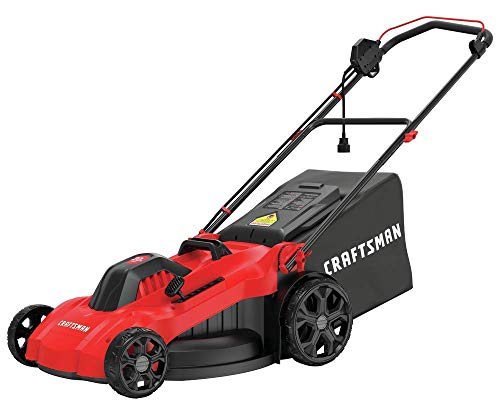
- Corded electric mowers: light and affordable with unlimited runtime, but the cord limits range. The CRAFTSMAN CMEMW213, for example, uses a 13 amp motor and a 20 inch deck.
- Manual reel mowers: no engine, very quiet and eco friendly; best for small, flat lawns kept short.
Pros and Cons
Pros
- Lower price than self propelled mowers
- Lighter and easier to maneuver
- Fewer parts to maintain
- Good exercise and full control of speed
Cons
- Tiring on large or hilly lawns
- Slower on big properties
- Pushing a full bag adds effort
Is a Push Lawn Mower Right for You?
A push mower is a great fit for small to medium lawns, flat or gently sloped yards, and anyone who wants a simpler, more affordable machine. Battery models suit quiet neighborhoods and homeowners who want to skip gas, while reel mowers suit tiny, flat lawns.
If your lawn is large or steep, or pushing is physically hard for you, a self propelled model may be worth the extra cost. Compare prices and stores in our guide on where to buy a lawn mower.
Frequently Asked Questions
What is a push lawn mower used for?
A push lawn mower is used to cut grass on small to medium lawns. You push it forward while the engine or motor spins the blade. It can bag, mulch or side discharge clippings depending on the model, and works best on flat or gently sloped yards.
Is a push lawn mower worth buying?
Yes, for many homeowners. Push mowers cost less, weigh less and need less maintenance than self propelled models, and they handle most suburban lawns well. Battery models add quiet operation and push button starting, which makes them a popular modern choice.
How long does a push lawn mower last?
With regular care, a push mower often lasts many years. Gas engines last longer with oil changes, fresh fuel and clean air filters, while battery mowers have fewer parts to wear out but may need a new battery after several seasons. Keeping the blade sharp helps any mower.
Final Thoughts
So, how does a push lawn mower work? An engine or motor spins a blade under the deck while you push, and the blade's cutting edges and airflow cut grass and handle clippings; reel mowers snip grass with wheel driven blades instead. When you are ready to buy, see our picks for the best push lawn mower and the best lawn mower.