
How Does a Robot Vacuum and Mop Work: Expert Tips and Step by Step Guide
Disclosure: We may earn a commission when you buy through links on this page, at no extra cost to you. As an Amazon Associate I earn from qualifying purchases. Learn more
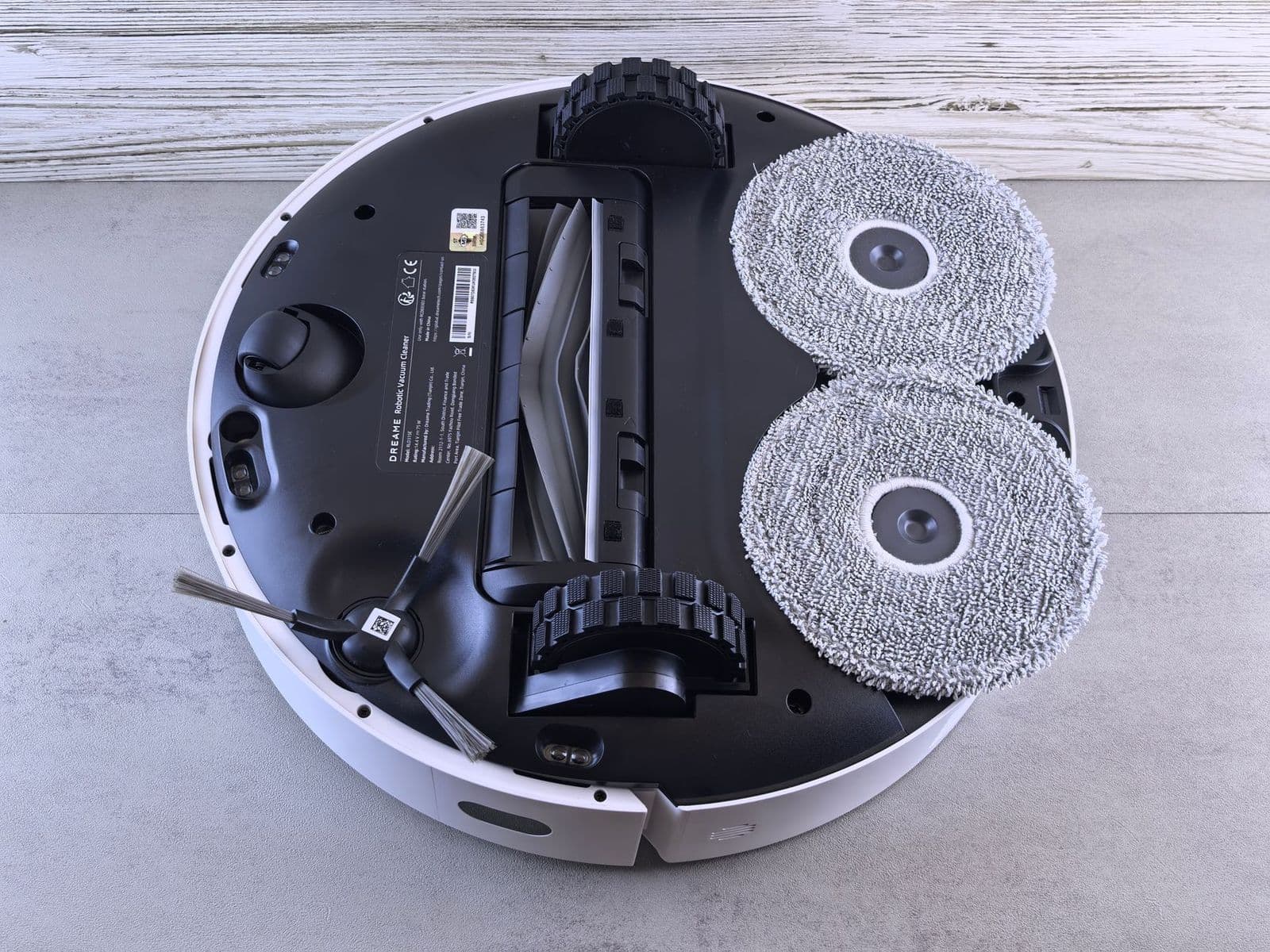
How does a robot vacuum and mop work? Sensors map the room, brushes and suction vacuum, a damp pad or roller mops, and a dock recharges and cleans it.
A robot vacuum and mop works by combining a small vacuum with a water tank and mopping pad in one self driving body. Sensors and a mapping system steer it around your home while brushes and suction pick up dust, then a damp pad or roller wipes hard floors behind it. When the battery runs low, it drives back to its dock to recharge, and many docks also empty the bin and wash the mop.
That is the short answer to how does a robot vacuum and mop work. Below we explain each part in plain English, what these robots are good for, the main types, and the pros and cons, so you can decide whether one fits your home.
What Is a Robot Vacuum and Mop?
A robot vacuum and mop, often called a combo, is an automatic floor cleaner that both vacuums and mops. It looks like a regular robot vacuum, a low round or D shaped disc, but carries a water tank and a mopping attachment underneath or at the back.
You control it with buttons, a phone app or a voice assistant. It can clean on a schedule, so floors get vacuumed and mopped while you are at work or asleep. Simpler models vacuum and mop in the same pass, while more advanced ones vacuum first and then mop, or lift the mop when they detect carpet.
The biggest change in recent years is the dock. Early robots just recharged there. Today's premium docks can empty dust into a sealed bag, wash and dry the mop with warm water and air, refill the clean water tank and store dirty water. That makes the robot far less work to own than it used to be.
How Does a Robot Vacuum and Mop Work?
To understand how does a robot vacuum mop combo work, it helps to look at the main components and how they cooperate during a cleaning run.
- Navigation sensors: Most mid range and premium robots use LiDAR, a spinning laser that measures distances to walls and furniture to build a floor map. Others use cameras. Cliff sensors stop the robot from falling down stairs, and bump sensors detect contact.
- Obstacle avoidance: Front cameras or structured light sensors recognize objects such as cords, socks and pet waste, so the robot can steer around them.
- Vacuum system: A motor creates suction, measured in pascals (Pa). Side brushes sweep debris from edges toward a main brush roll, which lifts dirt into the dustbin.
- Mopping system: A water tank feeds a pad, spinning pads or a roller. Water flow is controlled by a small pump so the floor stays damp, not wet.
- Carpet detection: Sensors detect rugs and carpet, then the robot raises its mop, avoids the area or boosts suction.
- Battery and dock: A rechargeable battery powers the robot. When it runs low, the robot returns to the dock, recharges and resumes where it left off.
During a typical run, the robot maps the room, plans an efficient back and forth path, vacuums along edges and open areas, and mops hard floors. You can set no go zones in the app so it skips pet bowls or delicate rugs.
On models with a full service dock, the sequence continues after the floor is done. The robot parks, the dock pulls debris from the bin into a sealed bag, the mop is rinsed and scrubbed, dirty water is pumped into a separate tank, and warm air dries the pad so it does not smell. The next scheduled run starts with an empty bin, a clean mop and a full battery, which is why owners of these robots often go days or weeks without touching them.
What Is a Robot Vacuum and Mop Used For?
If you are asking what is a robot vacuum and mop used for, the simple answer is daily floor upkeep that keeps dust, hair and light spills under control between deeper cleans. Here are the most common uses.
Allergies & Dust
Running a robot daily reduces the dust, pollen and pet dander that settle on floors. Models with good filters and sealed dust bags in the dock help keep allergens from going back into the air when the bin is emptied.
Area Rugs
Robots can vacuum low and medium pile rugs, and better models lift the mop or skip rugs during mopping. Very thick shag rugs or long fringe can trap a robot, so set those as no mop or no go zones.
Carpet
On carpet, the robot works as a vacuum only. Look for carpet boost and a mop that lifts or detaches. For thick wall to wall carpet, a robot is a helper rather than a replacement for a full size vacuum.
Cat Litter
Scattered litter around the box is a classic robot job. Schedule a quick spot clean near the litter area and make sure the robot avoids the box itself and any accidents.
Daily Cleaning & Busy Families
For busy households, the main value is consistency. A scheduled robot handles crumbs, tracked in dirt and pet hair every day, which keeps floors presentable with almost no effort. Our guide to the best robot vacuum and mop for pet hair covers models suited to shedding pets.
Types of Robot Vacuum and Mops
Knowing what is a robot vacuum mop combo used for helps you pick the right type. Combos differ mainly in how they mop and what their dock can do.
- Static pad mops: A flat, damp microfiber pad drags behind the robot. They are affordable and good for light dust but weak on dried spills.
- Vibrating or pressurized pads: The pad scrubs back and forth or presses down to lift stuck on dirt.
- Dual spinning pads: Two round pads rotate against the floor, giving stronger scrubbing and better edge reach.
- Roller or track mops: A cylinder or belt is rinsed with clean water as it cleans, so dirty water is not spread around. This is the newest and most premium design.
- Basic docks vs all in one stations: Basic docks only charge. Self emptying docks also empty the bin, and all in one stations wash and dry mops and manage water tanks.
If your home is mostly wood, compare our list of the best robot vacuum and mop for hardwood floors.
Pros and Cons
Pros:
- Cleans automatically on a schedule, even when you are away
- Vacuums and mops in one machine
- Gets under beds and sofas where upright vacuums struggle
- Advanced docks cut maintenance to a few minutes a week
Cons:
- Less powerful than a full size vacuum on deep carpet
- Mopping is for upkeep, not heavy scrubbing of dried stains
- Clutter, cords and thick rugs can trap it
- Premium models with full service docks are expensive
Is a Robot Vacuum and Mop Right for You?
A combo is a great fit if you have a lot of hard flooring, pets or kids, and you would rather maintain floors daily than do one big cleaning session each week. It also suits people with limited mobility, since it reduces bending and pushing.
It is less ideal if your home is mostly thick carpet, very cluttered, or spread over many floors with stairs, because the robot cannot climb stairs and you would need to carry it. If you only need vacuuming, a standard robot vacuum may be the better value. When you are ready to compare stores, read our guide on where to buy a robot vacuum.
Frequently Asked Questions
Can a robot vacuum and mop replace manual mopping?
For daily upkeep, it can handle most of the work, keeping dust and light spills under control. You will still want to hand mop occasionally for sticky, dried on messes or deep cleaning, especially in kitchens and entryways. Premium robots with roller mops and heated washing close much of that gap.
Does a robot vacuum and mop work on carpet?
Yes, but only as a vacuum. Good models detect carpet and either lift the mop, shield it with a cover or skip the carpet during mopping. On plush carpet, look for carpet boost and set rugs as no mop zones in the app.
Can I use cleaning solution in a robot mop?
Only use the solution the maker approves. Many robots work best with plain water, and some docks automatically add a branded cleaner. Regular household cleaners can foam, damage seals or leave residue, so check the manual before adding anything to the tank.
Is a robot vacuum and mop worth buying?
For homes with mostly hard floors, pets or a busy schedule, it is usually worth it. It saves time every day and keeps floors consistently cleaner. The best value comes from models with self emptying docks, so you are not emptying a small bin after every run.
How long does a robot vacuum and mop last?
With regular care, a robot vacuum and mop can last several years. Batteries, brushes, filters and mop pads wear out over time, so buying from a brand that sells replacement parts helps keep it running longer.
Final Thoughts
So, how does a robot vacuum and mop work? It maps your home with sensors, vacuums with suction and brushes, mops hard floors with a damp pad or roller, and returns to its dock to recharge and, on many models, clean itself. For our favorite models, see the best robot vacuum and mop picks, or browse the best robot vacuum list if you only need vacuuming.


